
Snake River Indians — History & Facts
What first catches the eye in Snake River Indians is the way the river itself seems to breathe—an expanse of water and mist that draws the viewer into the heart of the scene, where riders and figures cross in quiet procession. The light, cool and diffused, settles softly on the distant mountains and the mirrored surface, while a warm glow lingers on the wooded bank to the right. The composition guides you from the shadowed foreground, where a canoe and campfire hint at recent arrivals, across the tranquil water to the far-off peaks, suggesting both journey and homecoming.
Every figure, whether mounted or on foot, is caught in a moment of passage, their reflections blurring the line between earth and sky. Painted circa 1845-55 by Alfred Jacob Miller, this work belongs to a world enthralled by the American West, when artists ventured out to record landscapes and peoples that were, to many viewers, almost mythical. Such paintings were often commissioned by wealthy patrons eager for glimpses of distant frontiers, or created for public exhibitions that promised adventure and discovery. Miller, known for his expeditions with fur traders, brought back scenes that straddled documentary and romantic vision, and Snake River Indians—now in a private collection—captures that duality.
History has kept few traces of this specific canvas, but the haze and hush of its river crossing invite us to linger, imagining the stories that once unfolded along these waters.
More Artworks by Alfred Jacob Miller

Sunset, Wind River
Alfred Jacob Miller
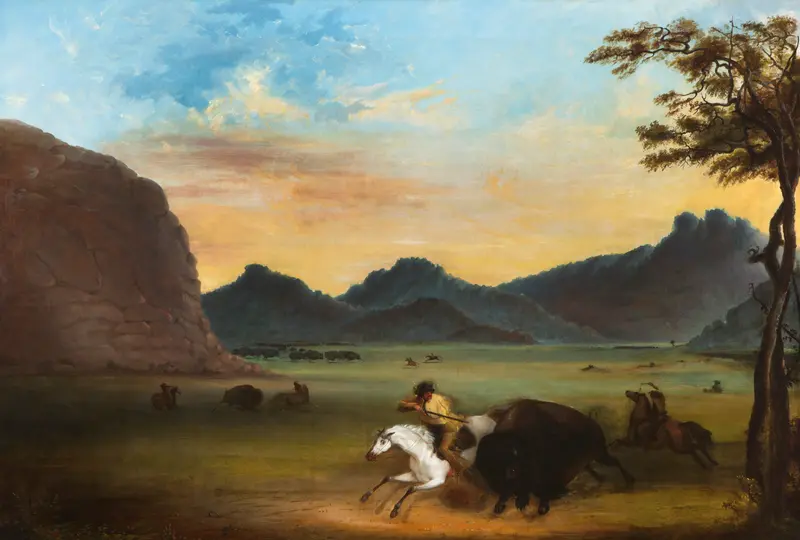
Buffalo Hunt
Alfred Jacob Miller
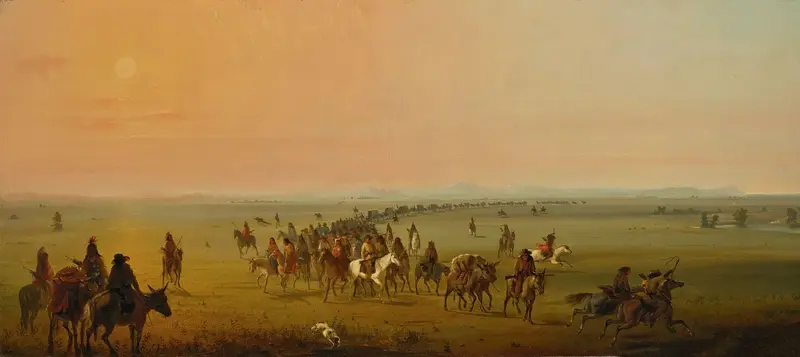
Caravan En Route [Sir William Drummond Stewart’s Caravan]
Alfred Jacob Miller
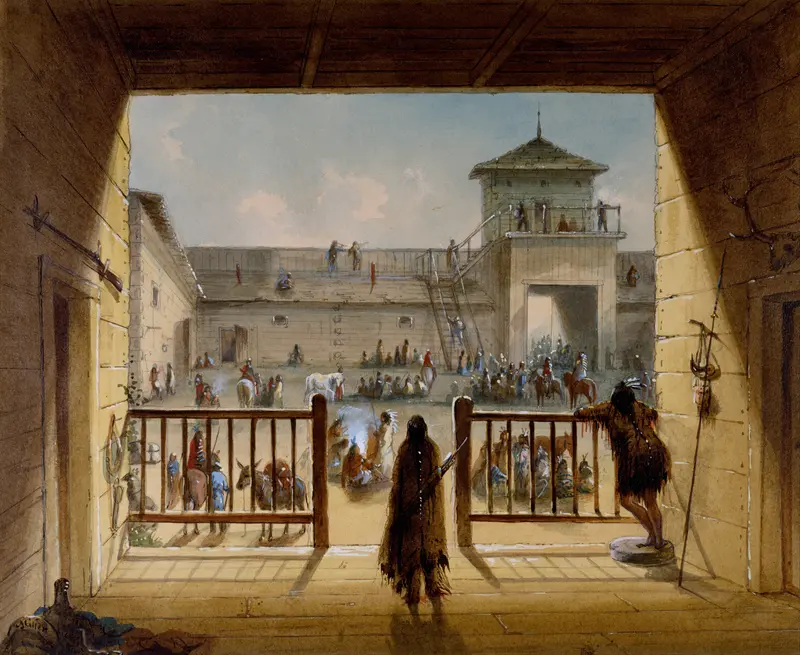
Interior of Fort Laramie
Alfred Jacob Miller
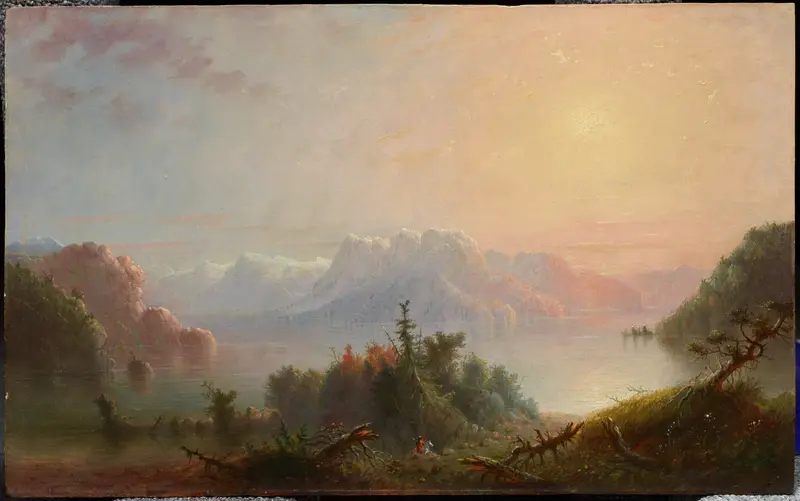
The Lake Her Lone Bosom Expands to the Sky
Alfred Jacob Miller
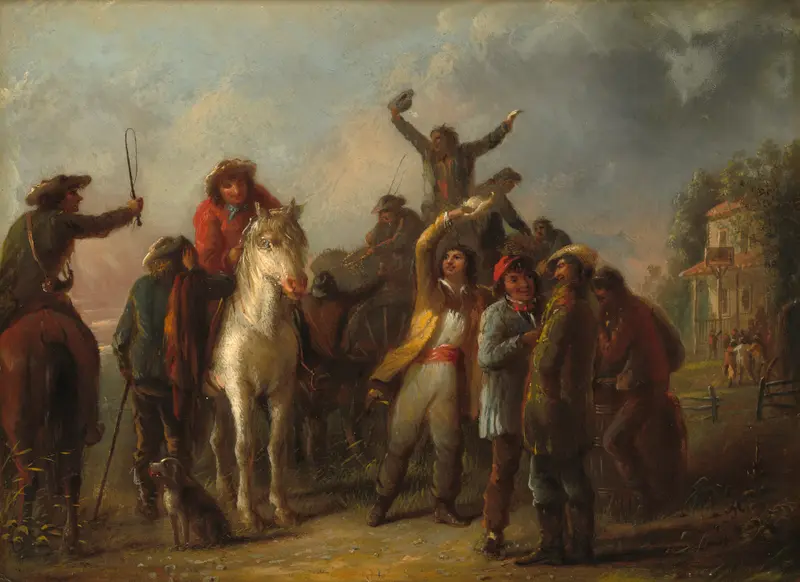
Election Scene, Catonsville, Baltimore County
Alfred Jacob Miller
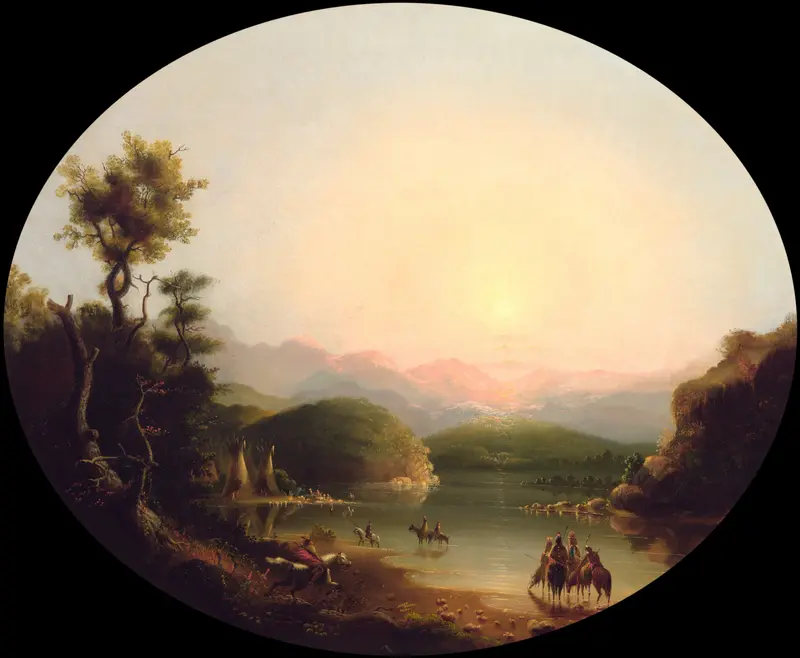
Shoshone Indians at a Mountain Lake (Lake Fremont)
Alfred Jacob Miller
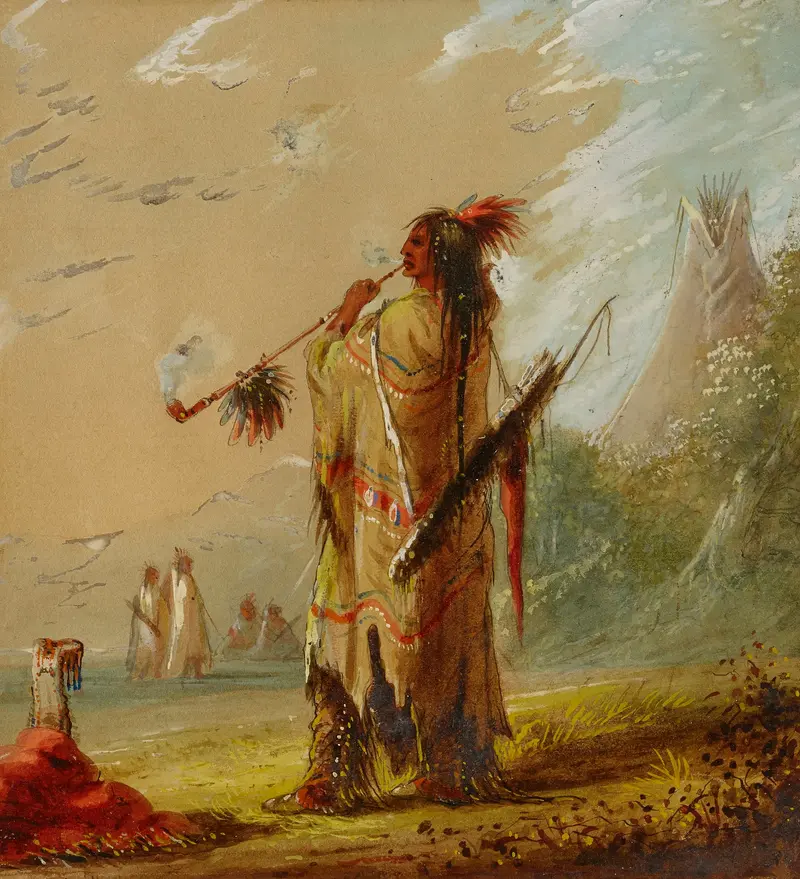
A Shoshonee Indian Smoking
Alfred Jacob Miller
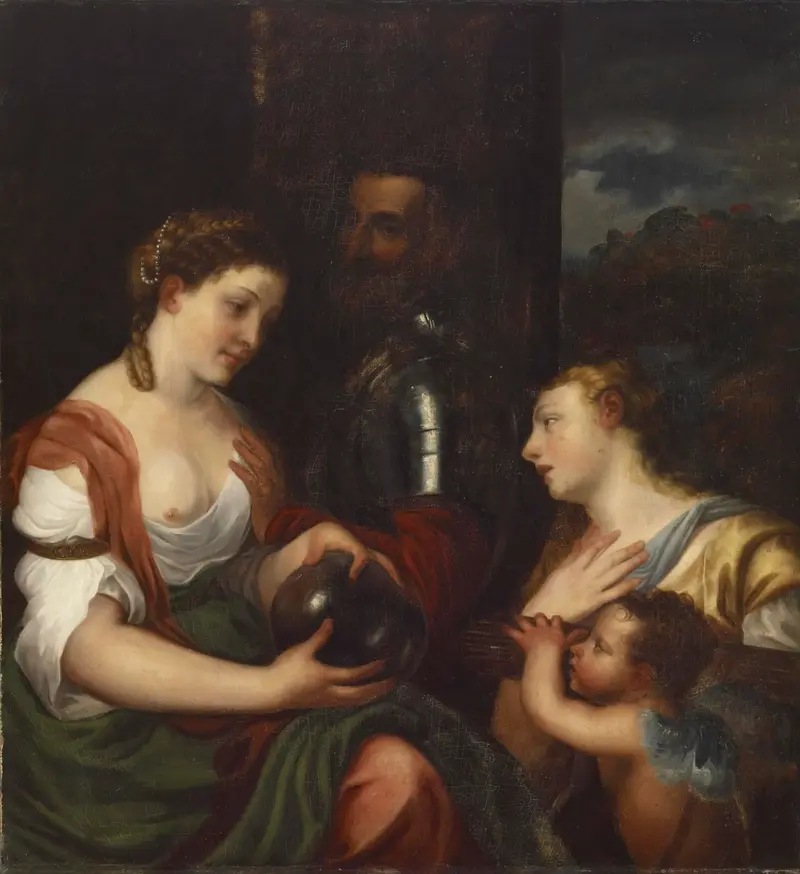
Copy of Titian's "Allegory of Alfonso d'Avalos, Marchese del Vasto"
Alfred Jacob Miller
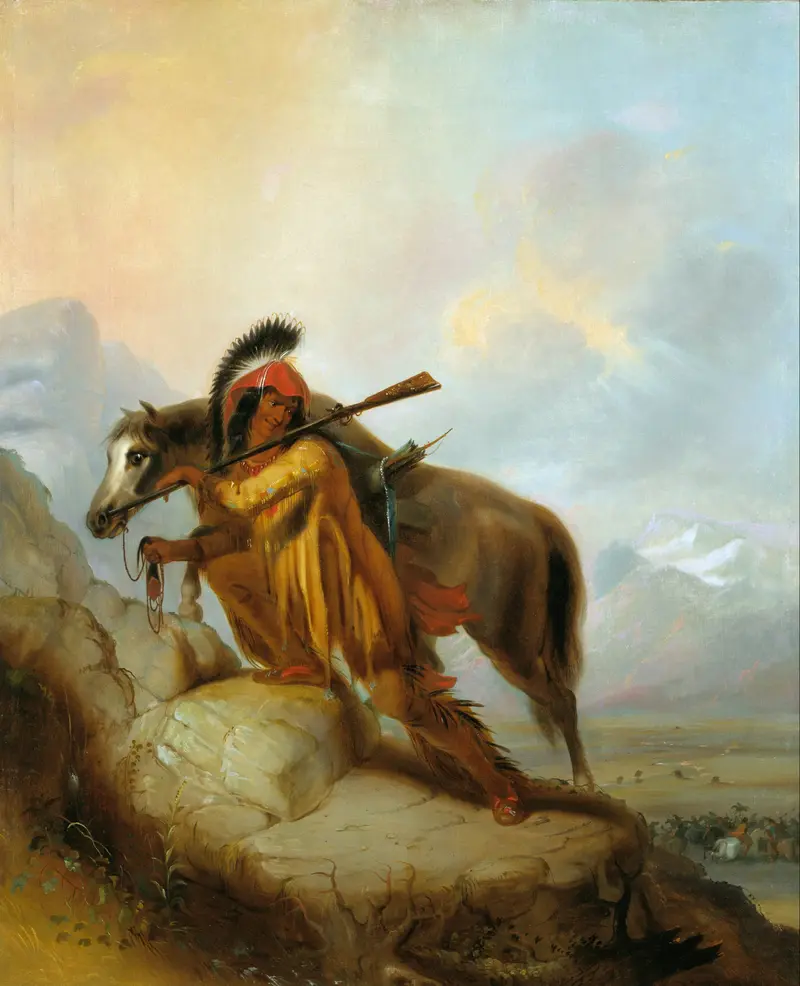
The Scalplock
Alfred Jacob Miller
More Landscape Art

The Starry Night
Vincent van Gogh

View of Delft
Johannes Vermeer

Water Lilies
Claude Monet

The Grand Canal, Venice, looking north-west from the Ca' Corner to the Ca' Contarini degli Scrigni, with the campanile of Santa Maria della Carità
Canaletto

Windsor Castle
Canaletto

The Grand Canal looking North-East from the Palazzo Dolfin-Manin to the Rialto Bridge
Canaletto