
Snowy Egret — History & Facts
What first catches the eye in Snowy Egret is the creature’s poised alertness, as if the bird has just stepped from the reeds and paused mid-stride, every feather catching the cool light. The egret’s slender neck arcs forward, its gaze fixed on something just out of view, while its delicate plumes spill over in fine, meticulous strokes. Audubon’s attention to the layering of feathers and the sharpness of the beak draws the viewer into a moment of tension and grace—this is not a static specimen, but a living bird, caught in the act of watching and waiting.
The background, with its calm water and distant houses, quietly roots the scene in a recognizable American landscape, suggesting a world where wildness and settlement coexist. Created between 1827 and 1838 for his monumental Birds of America, this work belongs to a time when artists and naturalists alike were driven by a hunger to catalog and celebrate the continent’s untamed beauty. Such images were more than decoration: they were scientific records, status symbols, and windows onto a rapidly changing world. Commissioned by subscribers eager for knowledge and prestige, Audubon’s plates were engraved and hand-colored with painstaking care—each one intended to astonish and instruct.
Today, as this plate rests in the University of Pittsburgh’s collection, it reminds us of an era when art and science marched side by side, and every brushstroke was a bid to capture the fleeting marvels of the American wild. Look again at the egret’s stance, and you may feel the hush of anticipation that once filled the marshes at dawn.
More Artworks by John James Audubon
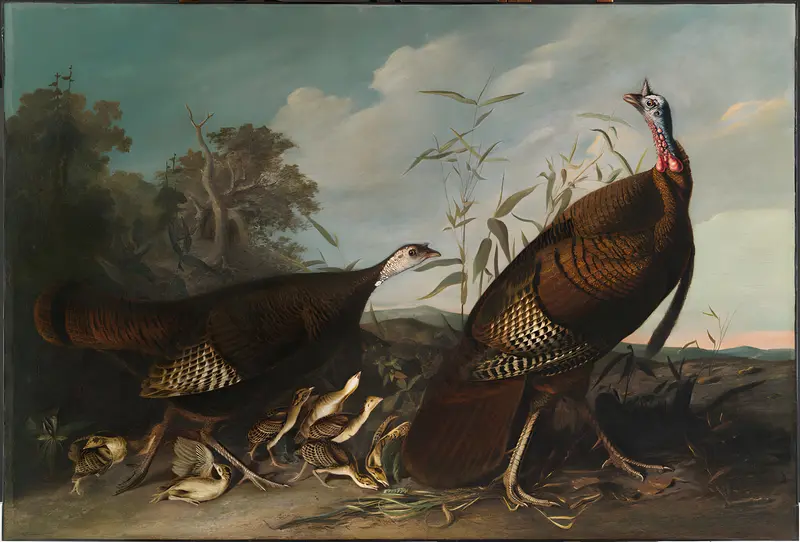
Wild Turkey Cock, Hen, and Chicks
John James Audubon
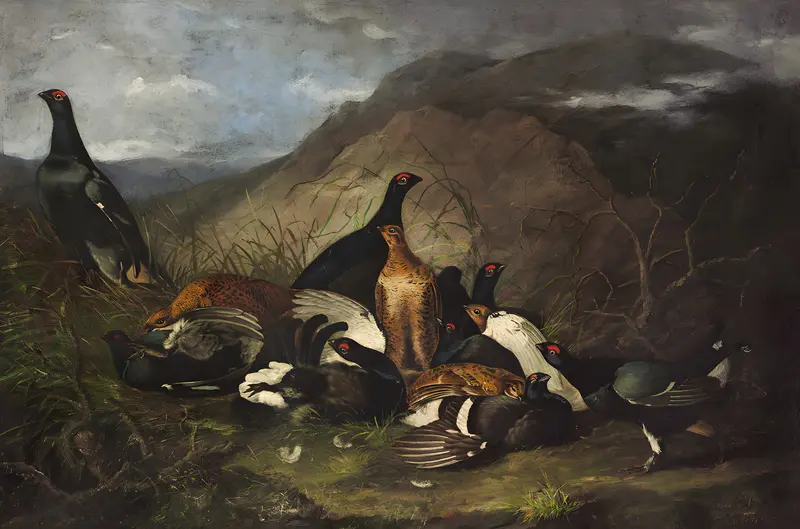
Scottish Black Grouse, Cocks and Hens
John James Audubon
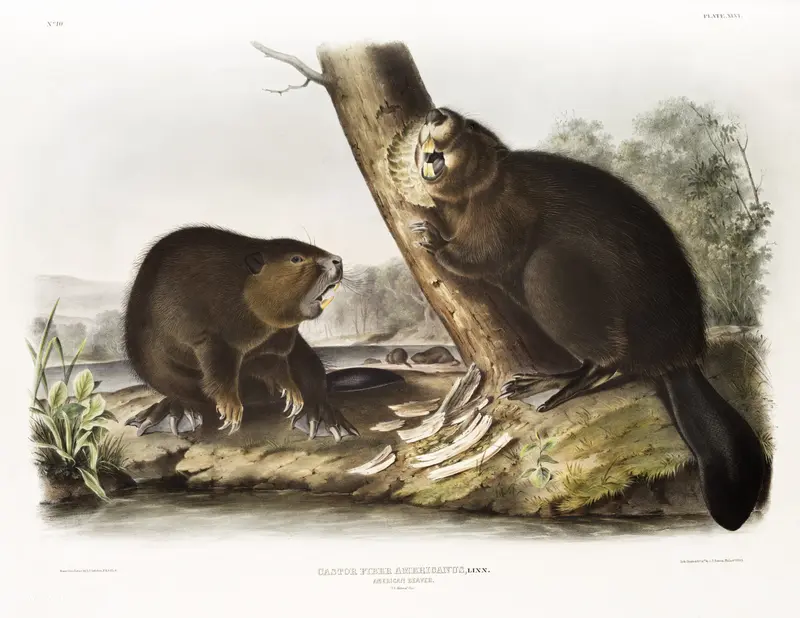
American Beaver
John James Audubon
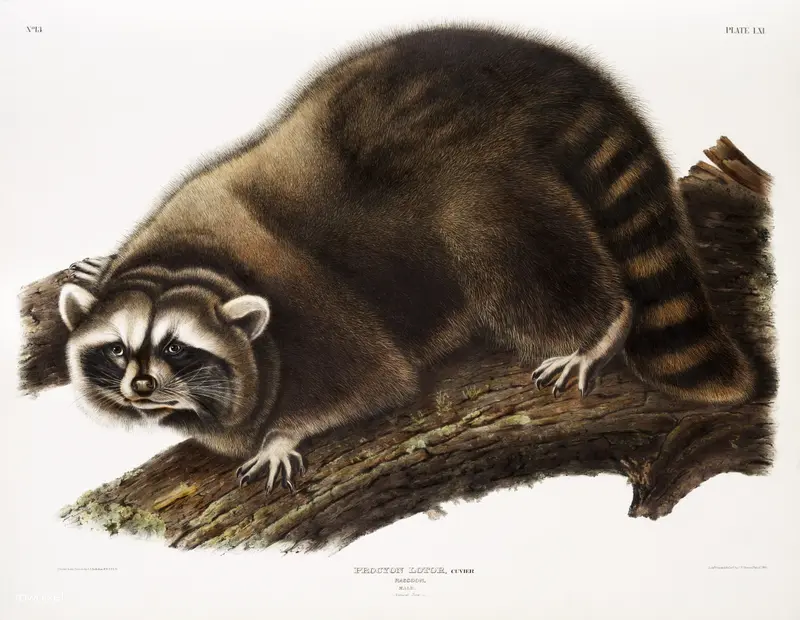
Raccoon
John James Audubon

Magnificent Frigatebird
John James Audubon
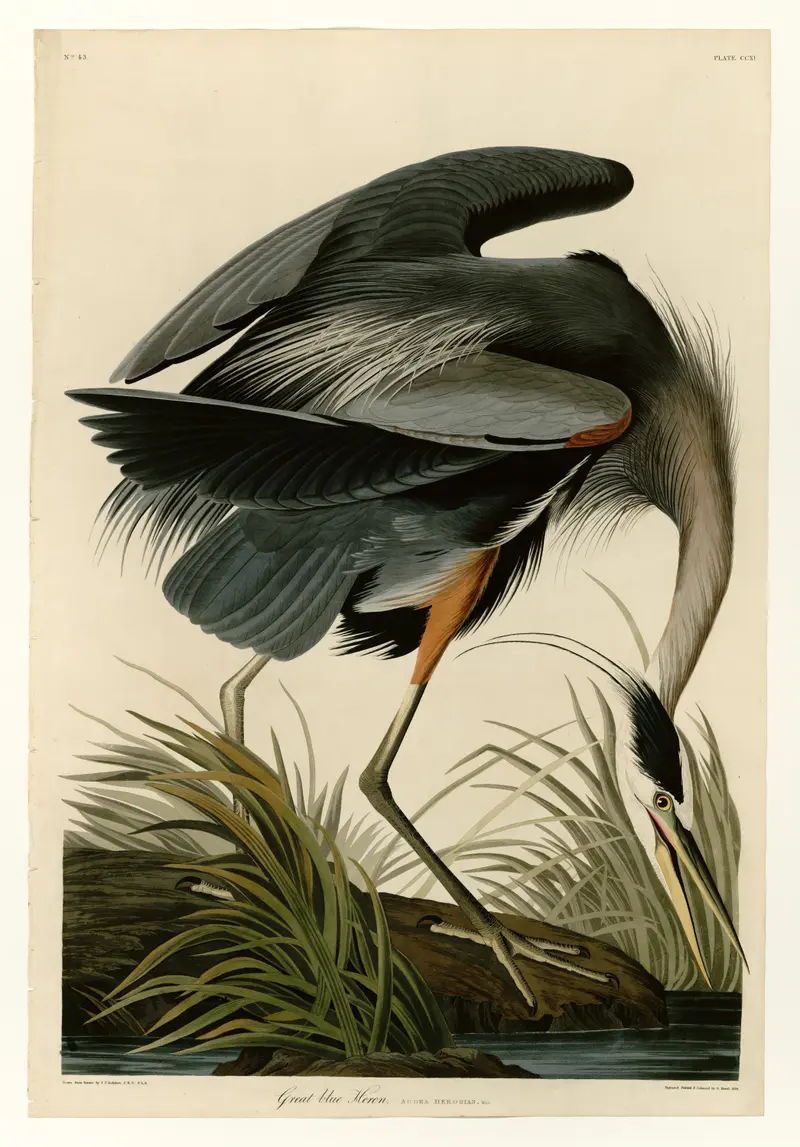
Great Blue Heron
John James Audubon
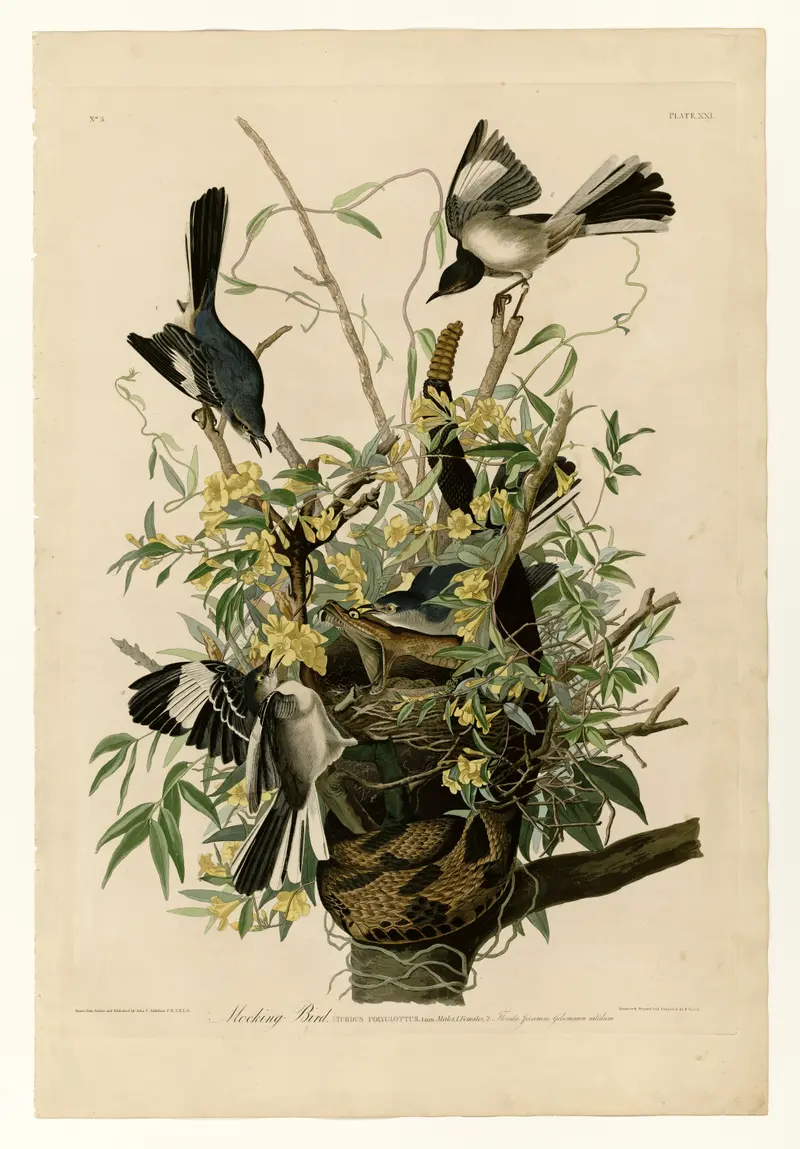
Northern Mockingbird
John James Audubon
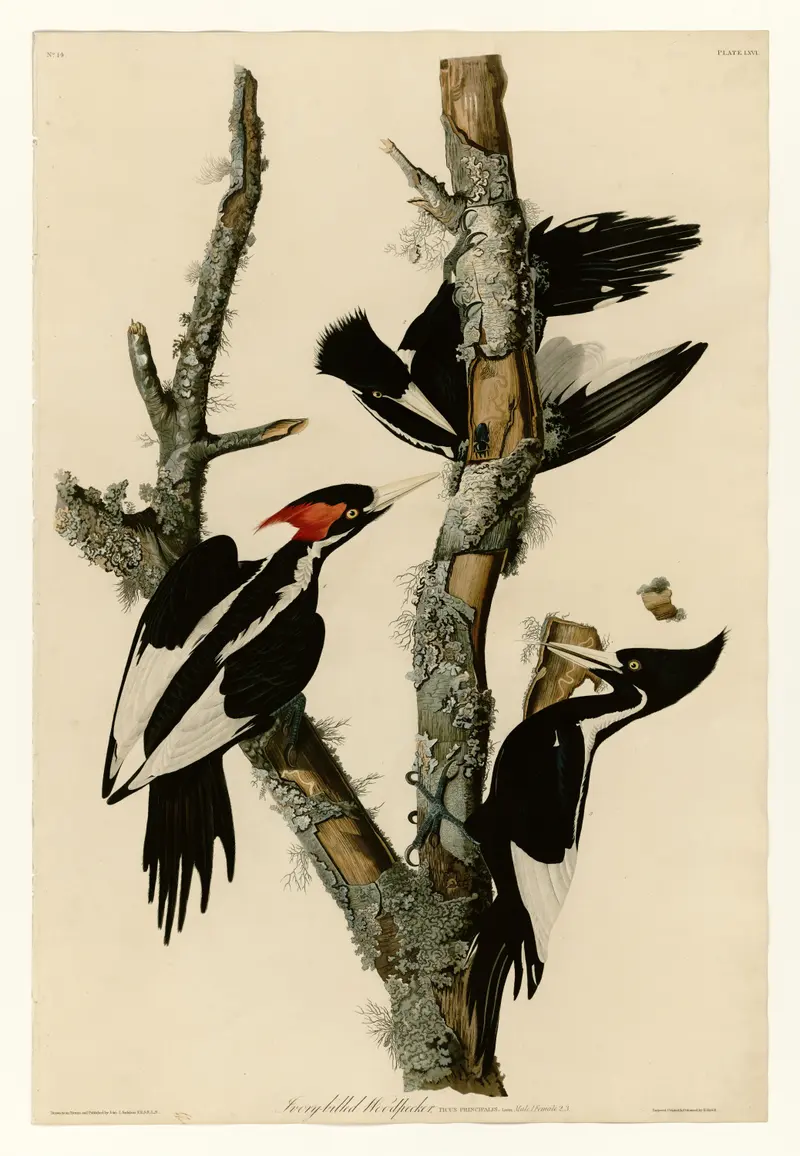
Ivory-billed Woodpecker
John James Audubon
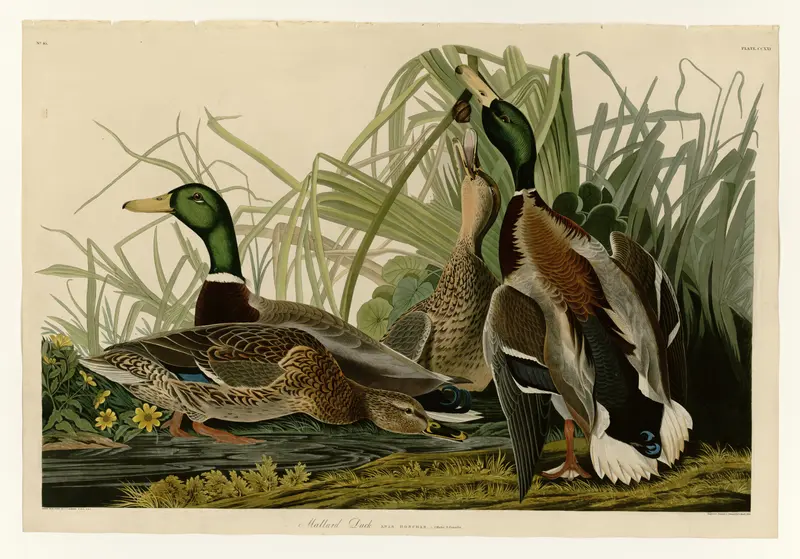
Mallard
John James Audubon
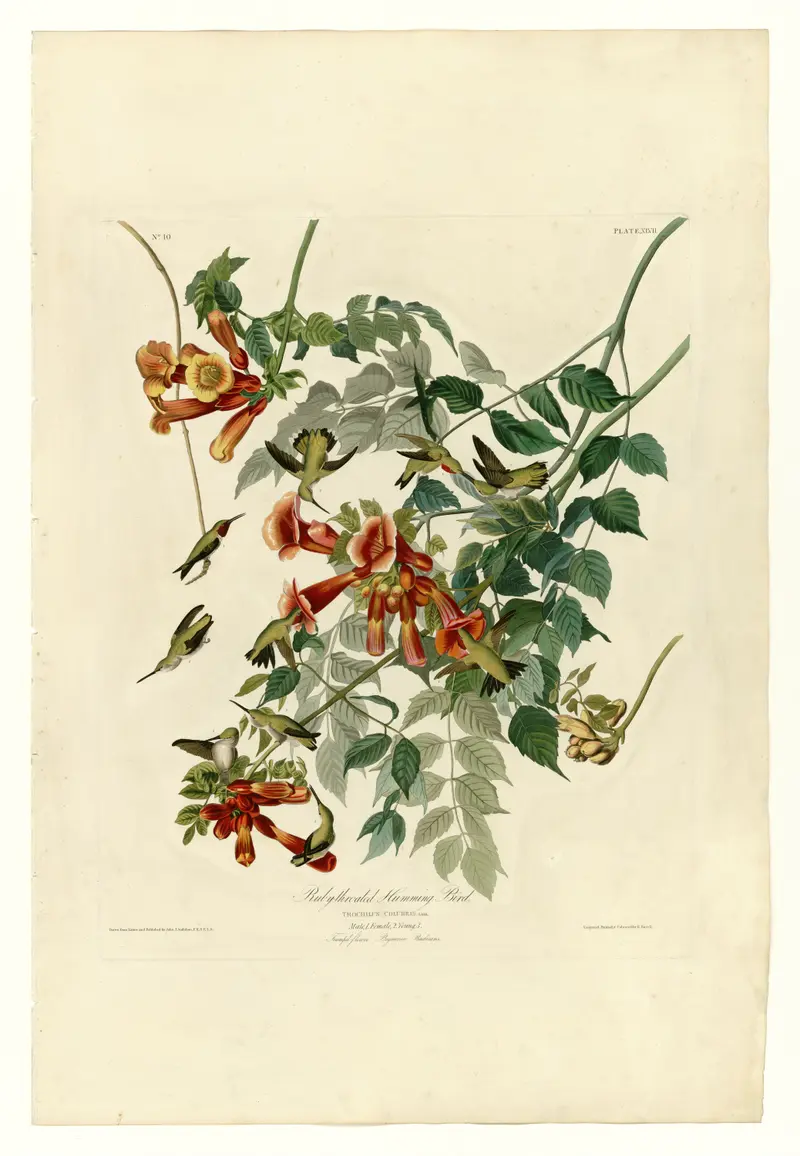
Ruby-throated Hummingbird
John James Audubon





