
Sofienbad Wien — History & Facts
What secret hides in the quiet of the canvas? In the stillness of Sofienbad Wien, a profound truth whispers beneath the surface, inviting the viewer to delve deeper. Focus your gaze on the soft palette of blues and greens that envelop the scene, drawing your attention to the serene figures gracefully interacting within the spa’s idyllic setting. Notice how the gentle light cascades through windows, illuminating the delicate textures of their clothing, while shadows play along the edges, creating a subtle dance of contrasts. Each brushstroke reveals the meticulous care Wigand bestowed upon the details, from the shimmering reflections in the water to the expressions of those captured in moments of contemplation and leisure. Yet, beneath the surface of this seemingly tranquil scene, an emotional tension simmers.
The juxtaposition of leisure and introspection speaks to the duality of human experience—one can find solace in beauty while wrestling with inner truth. The figures, arranged in close proximity yet wrapped in their own worlds, echo a longing for connection amid the quiet of their surroundings. Furthermore, the historical context of spas as spaces of healing adds layers of meaning, suggesting that beneath the veneer of relaxation, one might confront personal battles. In 1838, Balthasar Wigand created this piece during a time when the therapeutic value of spa culture was gaining prominence in Europe, reflecting societal shifts toward wellness and self-care.
Living in Vienna, Wigand immersed himself in a vibrant artistic community, increasingly influenced by Romantic ideals that sought to capture emotion and nature. This work stands as a testament to both the aesthetic beauty of the era and the deeper truths that lie within the human experience.
More Artworks by Balthasar Wigand
Browse all →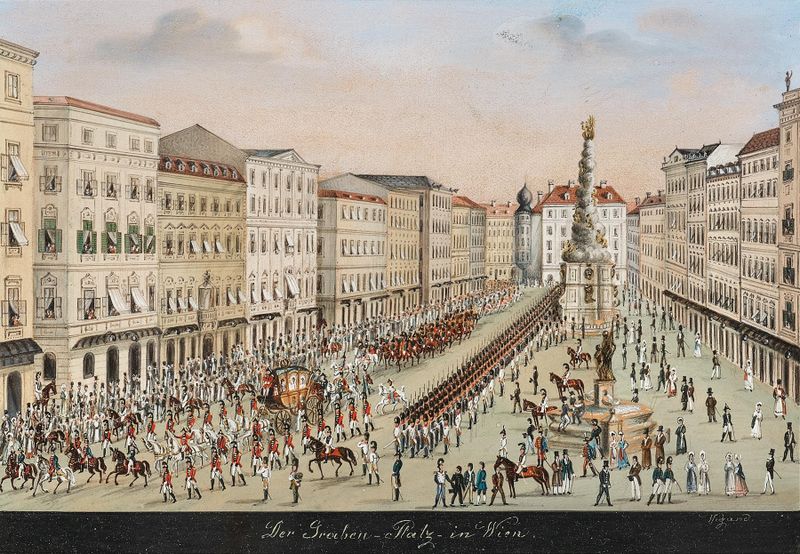
Graben in Vienna with Plague Column, an Imperial coach and a military event
Balthasar Wigand

Wiener Hofburg
Balthasar Wigand

Sewing case
Balthasar Wigand
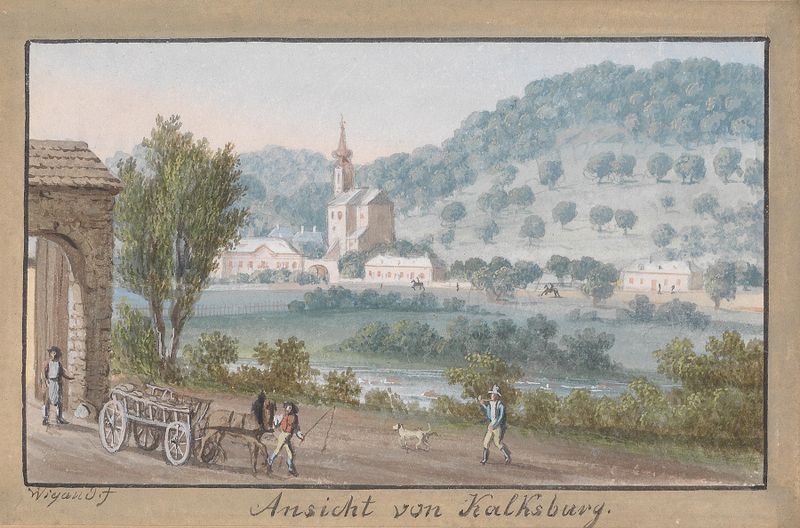
Ansicht von Kalksburg
Balthasar Wigand

Lerchenfelder Linie Große Kirchenparade
Balthasar Wigand
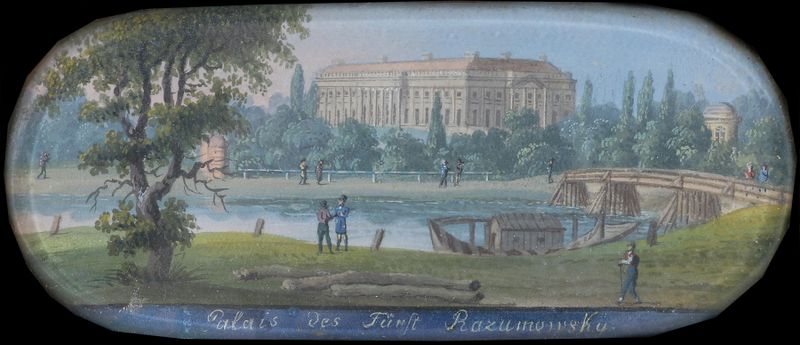
Palais des Fürst Razumowsky
Balthasar Wigand
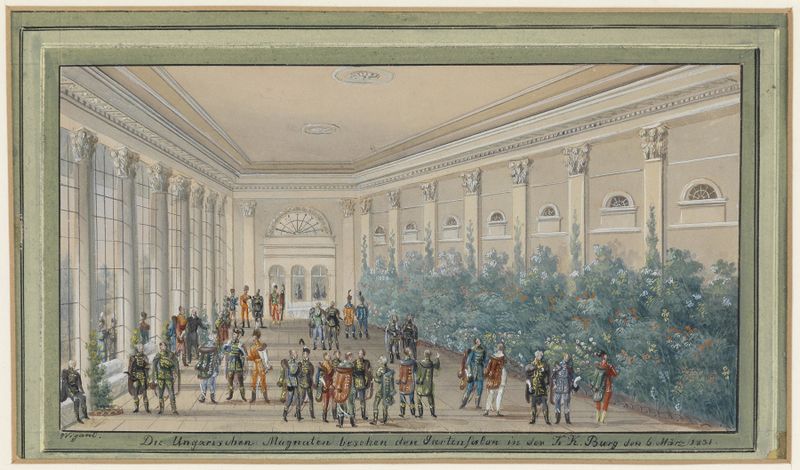
Die Ungarischen Magnaten besuchen den Gartensalon in der Burg
Balthasar Wigand
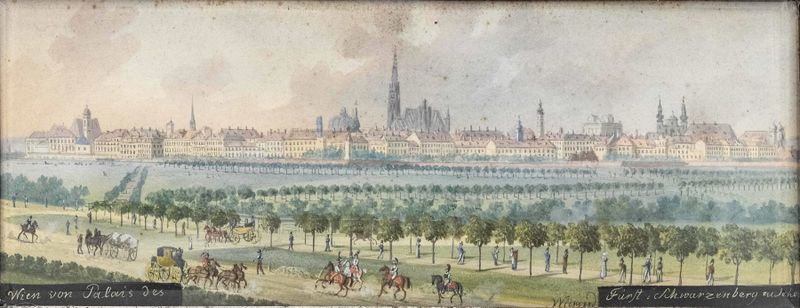
Wien vom Palais Schwarzenberg aus gesehen
Balthasar Wigand
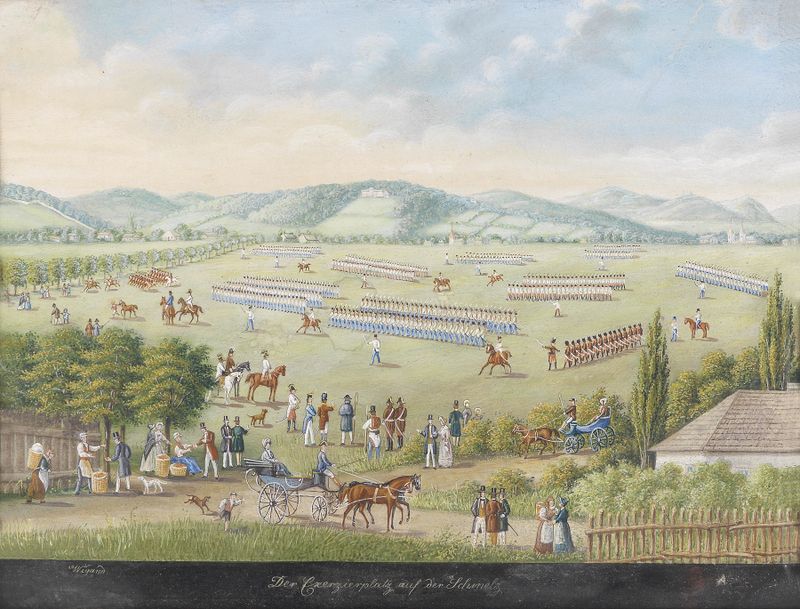
Exerzierplatz auf der Schmelz
Balthasar Wigand
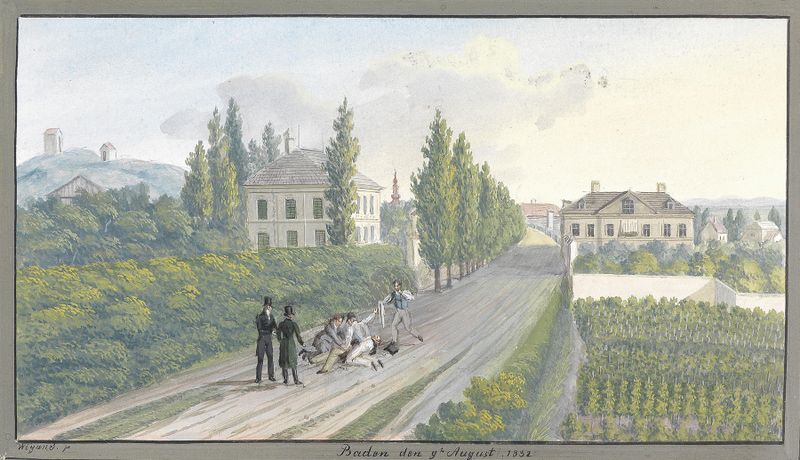
Duell Baden
Balthasar Wigand





