
Soldiers ambushing a wagon — History & Facts
In a world saturated with chaos, how does innocence persist amid the storm of human desires and conflicts? Look to the left at the shadowy figures poised in anticipation, their bodies taut with the adrenaline of the impending ambush. The dull hues of earthy browns and grays envelop the scene, punctuated by the stark brightness of the wagon, which stands defiantly against the shadowy surroundings. The artist’s meticulous brushwork creates an almost palpable tension, drawing the eye to the soldiers' expressions—some fierce, others anxious—each revealing a complex interplay of duty, fear, and perhaps even regret. Delve deeper into the contrasts in this work; the harmonious composition of the soldiers, unified in intent yet dissonant in emotion, hints at the burdens of their mission.
The innocence of the unsuspecting wagon, burdened with goods and unaware of its fate, highlights the tragic consequences of human conflict. The juxtaposition of light and dark not only delineates figures but also underscores the moral ambiguities that surround warfare, where innocence becomes collateral in the pursuit of ambition. In 1627, during a period of increasing military conflicts in Europe, the artist found himself navigating the complexities of societal upheaval and the weight of history. Living in the Dutch Republic, a hub of artistic innovation, the work captures a time when the tension between commerce and war was palpable.
His engagement with themes of conflict and innocence reflects both personal and societal struggles, as artists grappled with the moral implications of their representations in an ever-evolving world.
More Artworks by Esaias van de Velde
Browse all →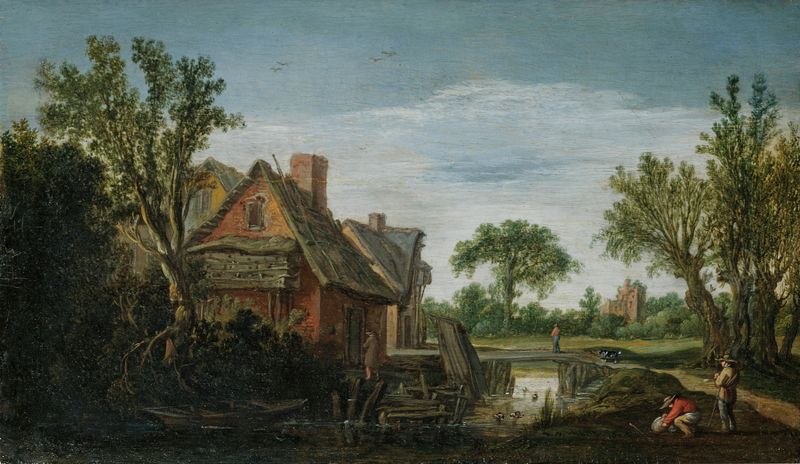
The Hague A Wooded River Landscape With Figures On A Path On A River Bank Beside A Village, A Bridge Beyond
Esaias van de Velde
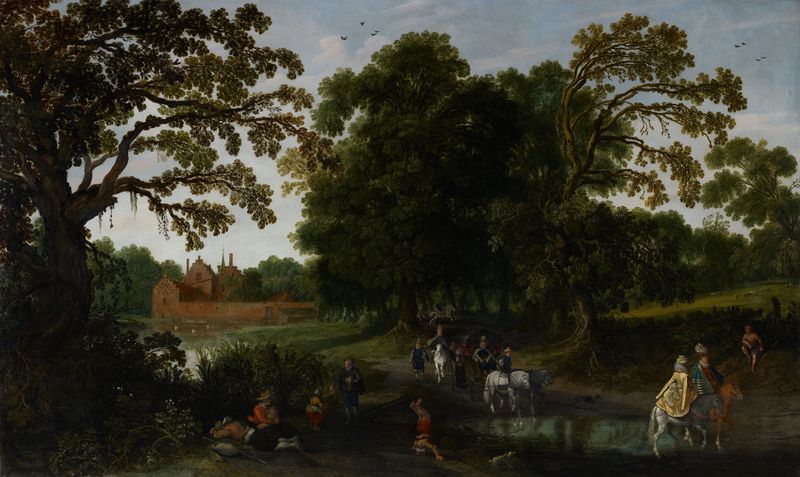
Courtly Procession before Abstpoel Castle
Esaias van de Velde
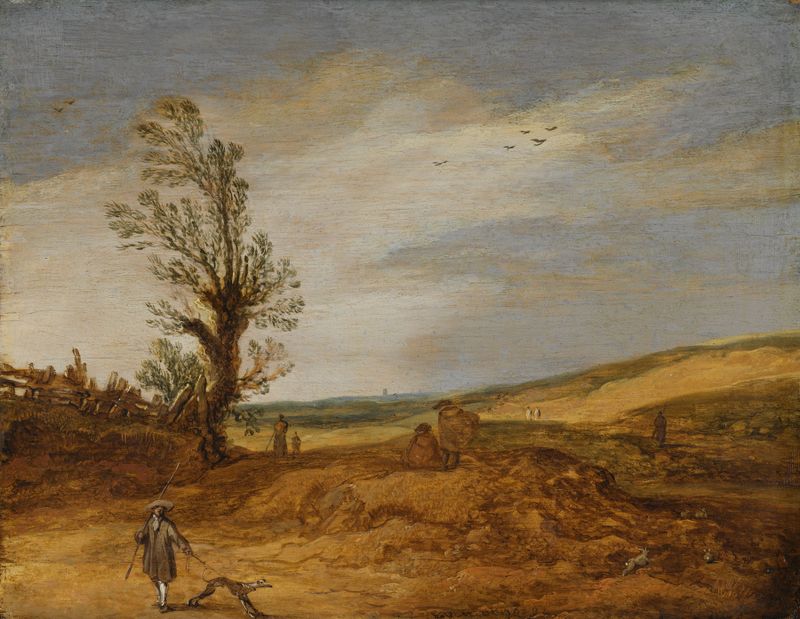
A View in the Dunes
Esaias van de Velde
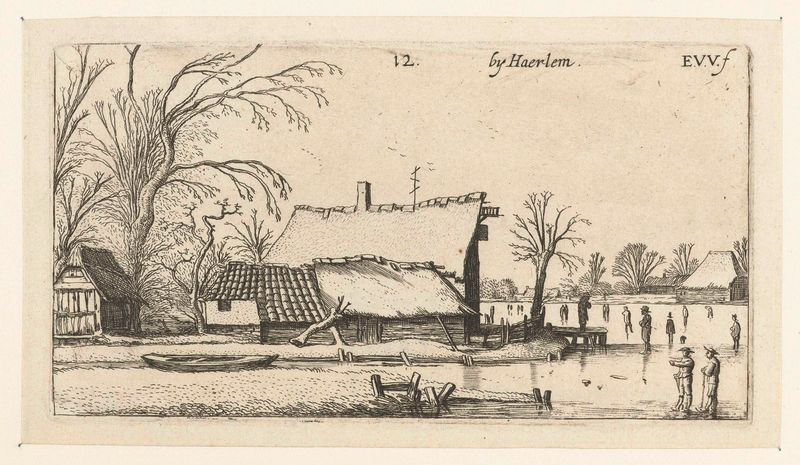
Boerderij bij een bevroren rivier met schaatsers
Esaias van de Velde
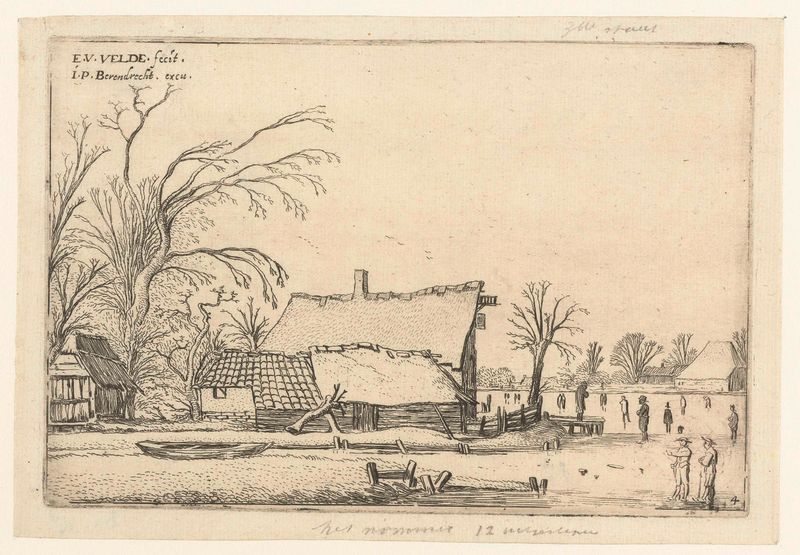
Boerderij bij een bevroren rivier met schaatsers
Esaias van de Velde
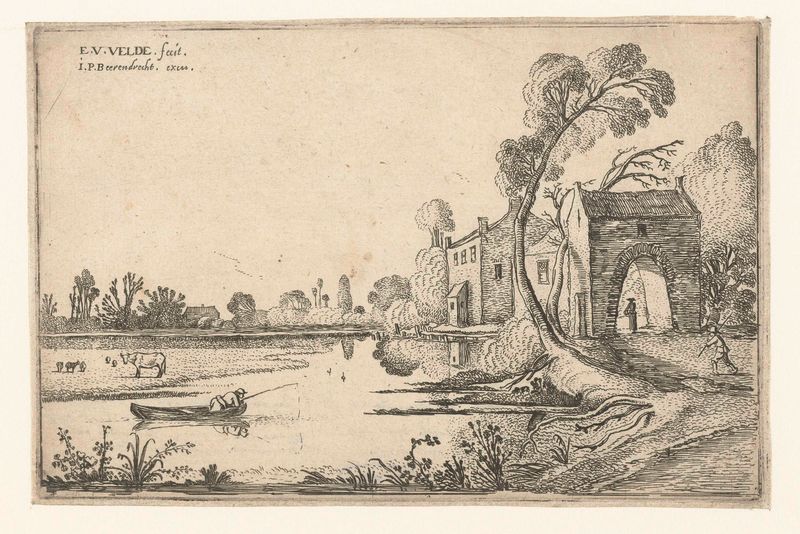
Landschap met rivier en poortgebouw
Esaias van de Velde
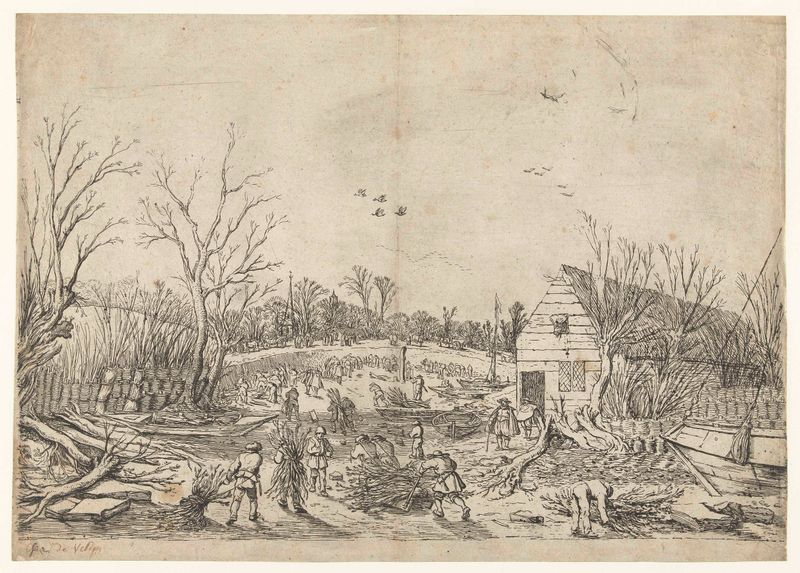
Herstelwerkzaamheden aan de doorgebroken Lekdijk bij 't Waal
Esaias van de Velde
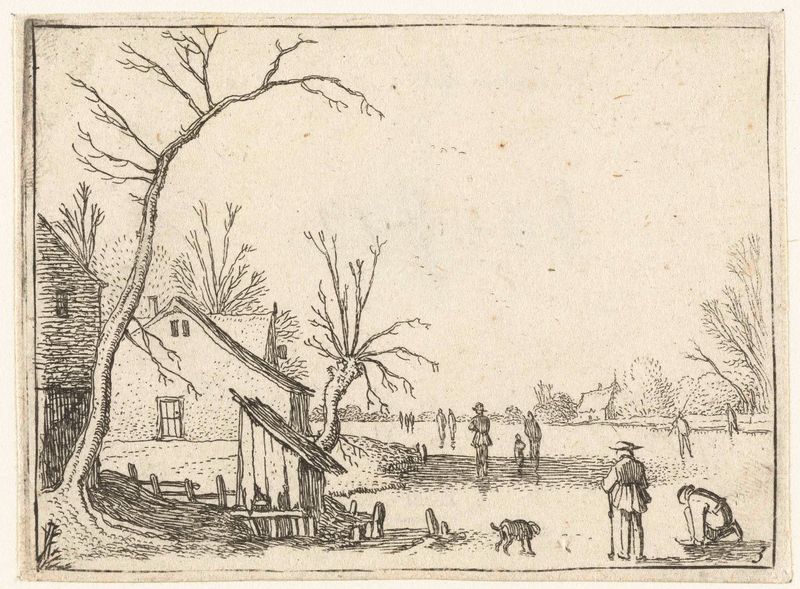
Boerderij bij bevroren rivier en schaatsers op het ijs
Esaias van de Velde
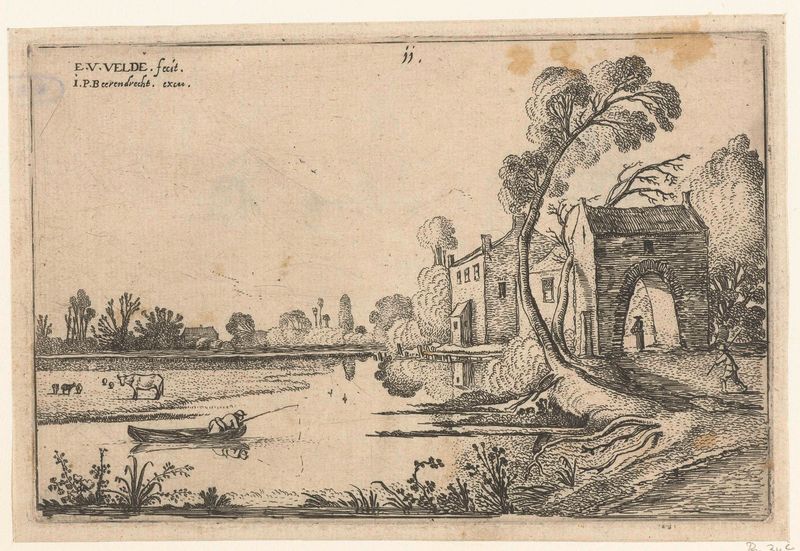
Landschap met een rivier en poortgebouw
Esaias van de Velde
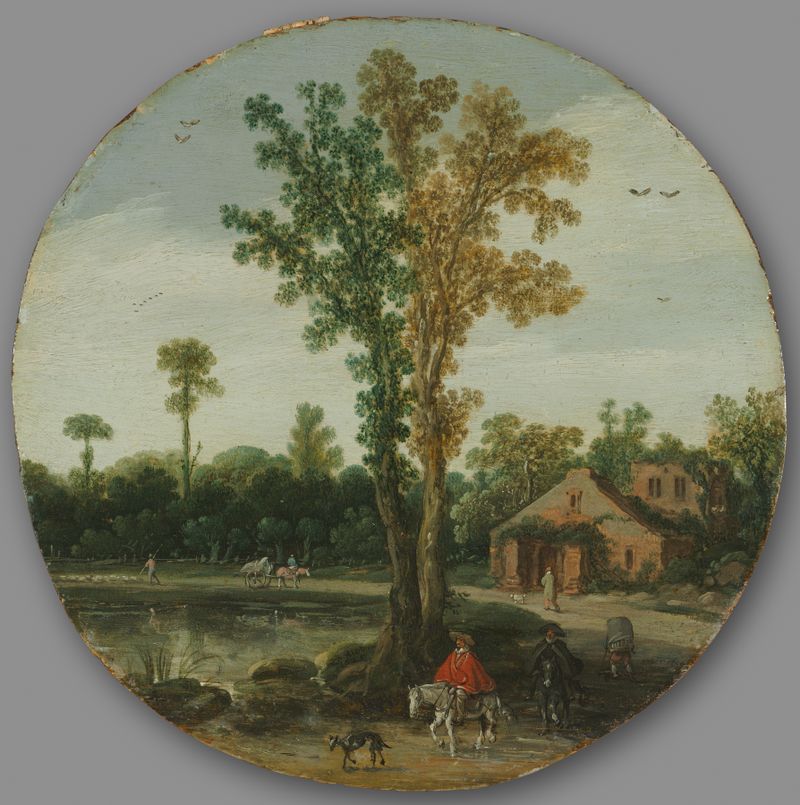
Travelers by a Lake
Esaias van de Velde
More Historical Art
Browse all →
The Night Watch Militia Company of District II under the Command of Captain Frans Banninck Cocq
Rembrandt van Rijn
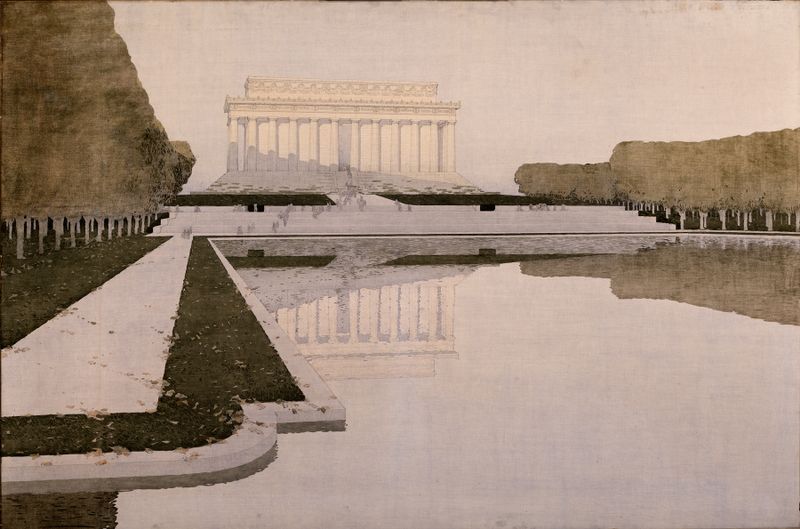
Lincoln Memorial
Henry Bacon
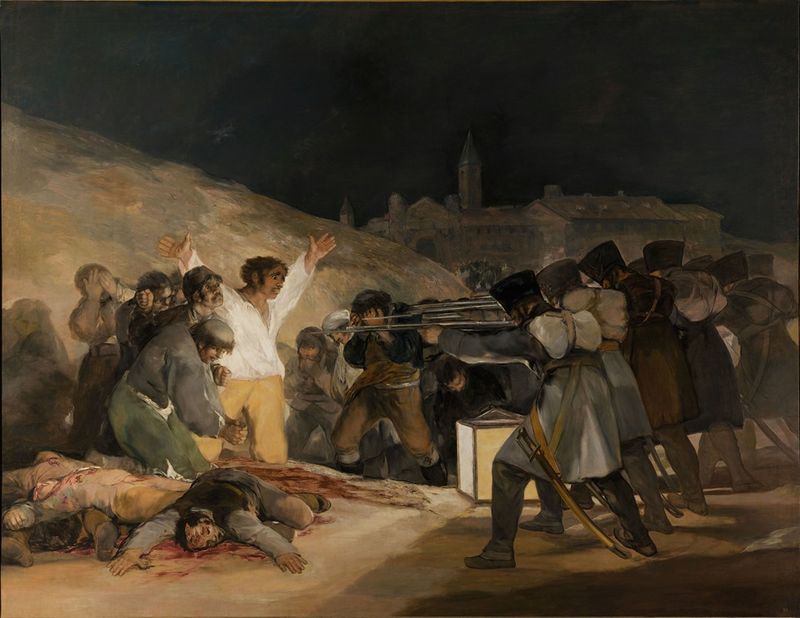
The Third of May 1808
Francisco de Goya

Isaac and Rebecca, Known as ‘The Jewish Bride’
Rembrandt van Rijn
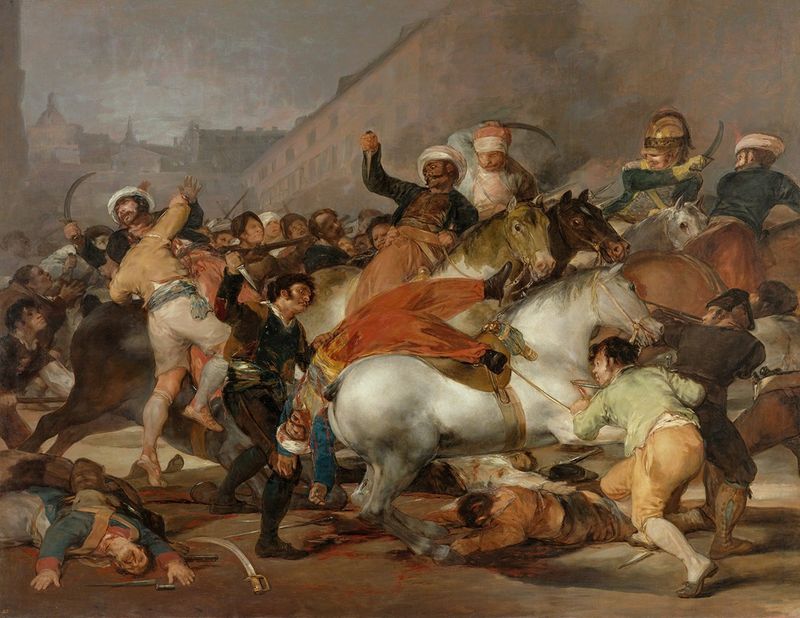
The Charge of the Mamelukes (1814)
Francisco de Goya

De vier ruiters van de apocalyps
Albrecht Dürer