Sommerliche Dünenlandschaft in Quelkhorn bei Fischerhude — History & Analysis
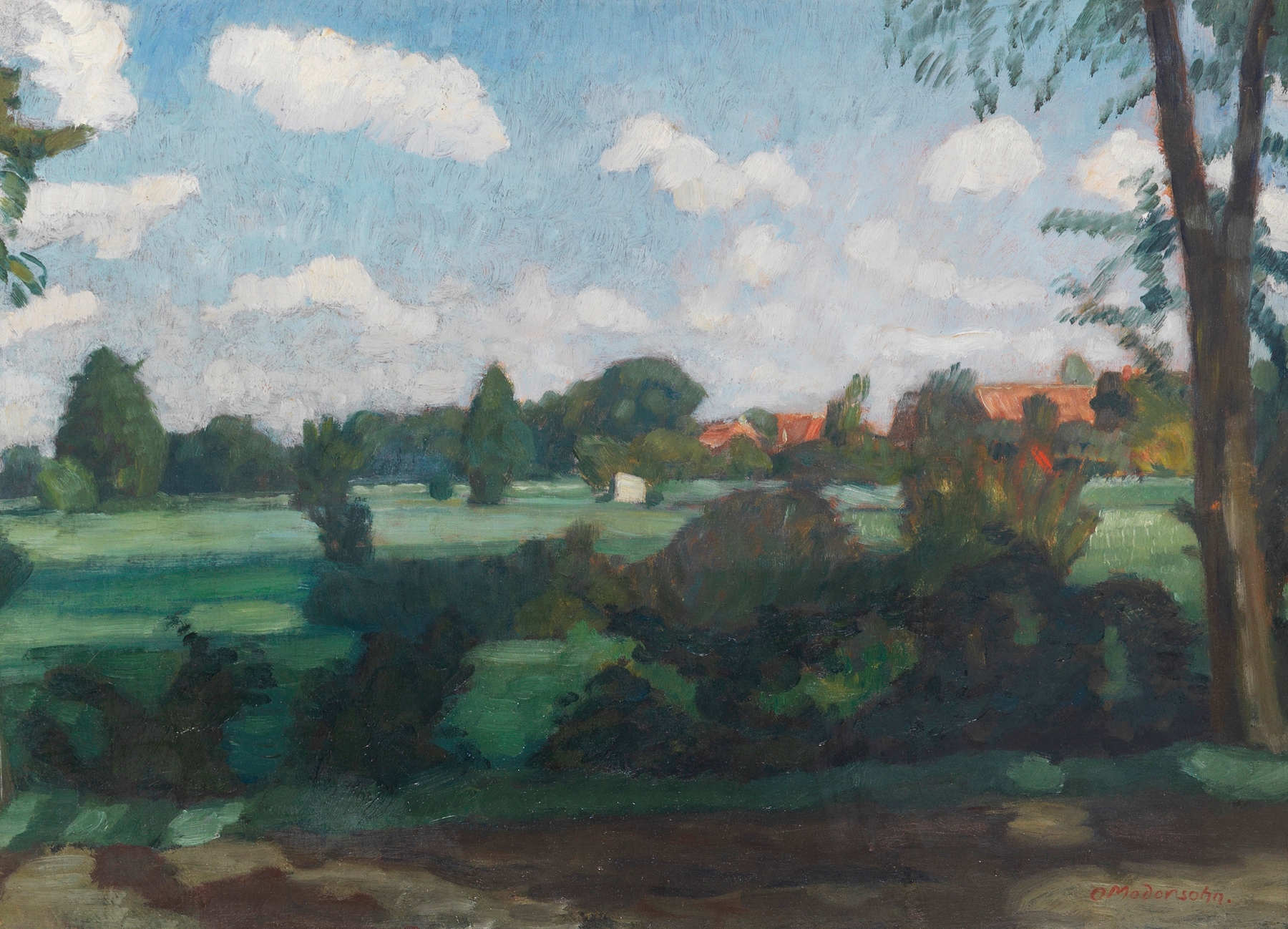
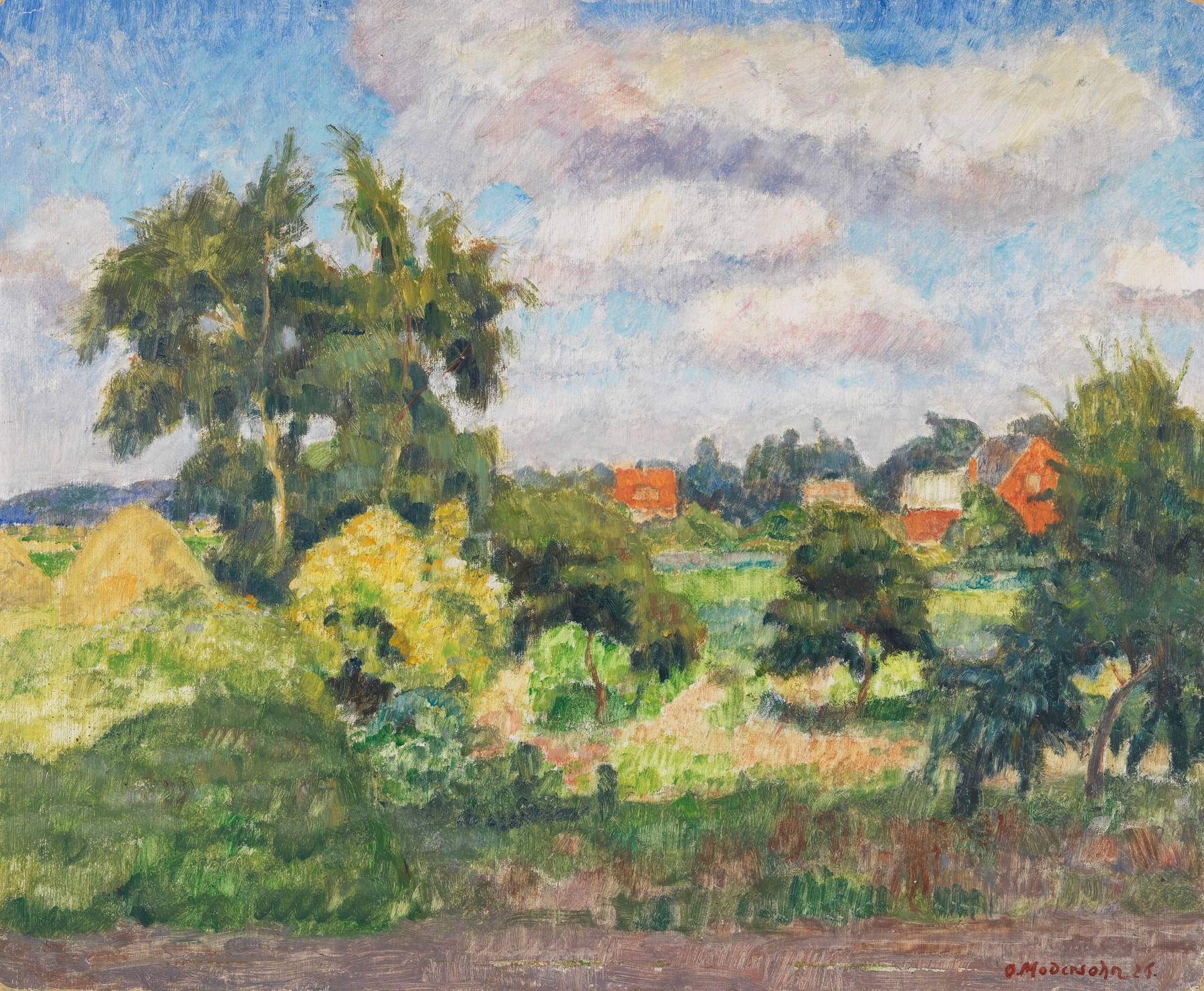
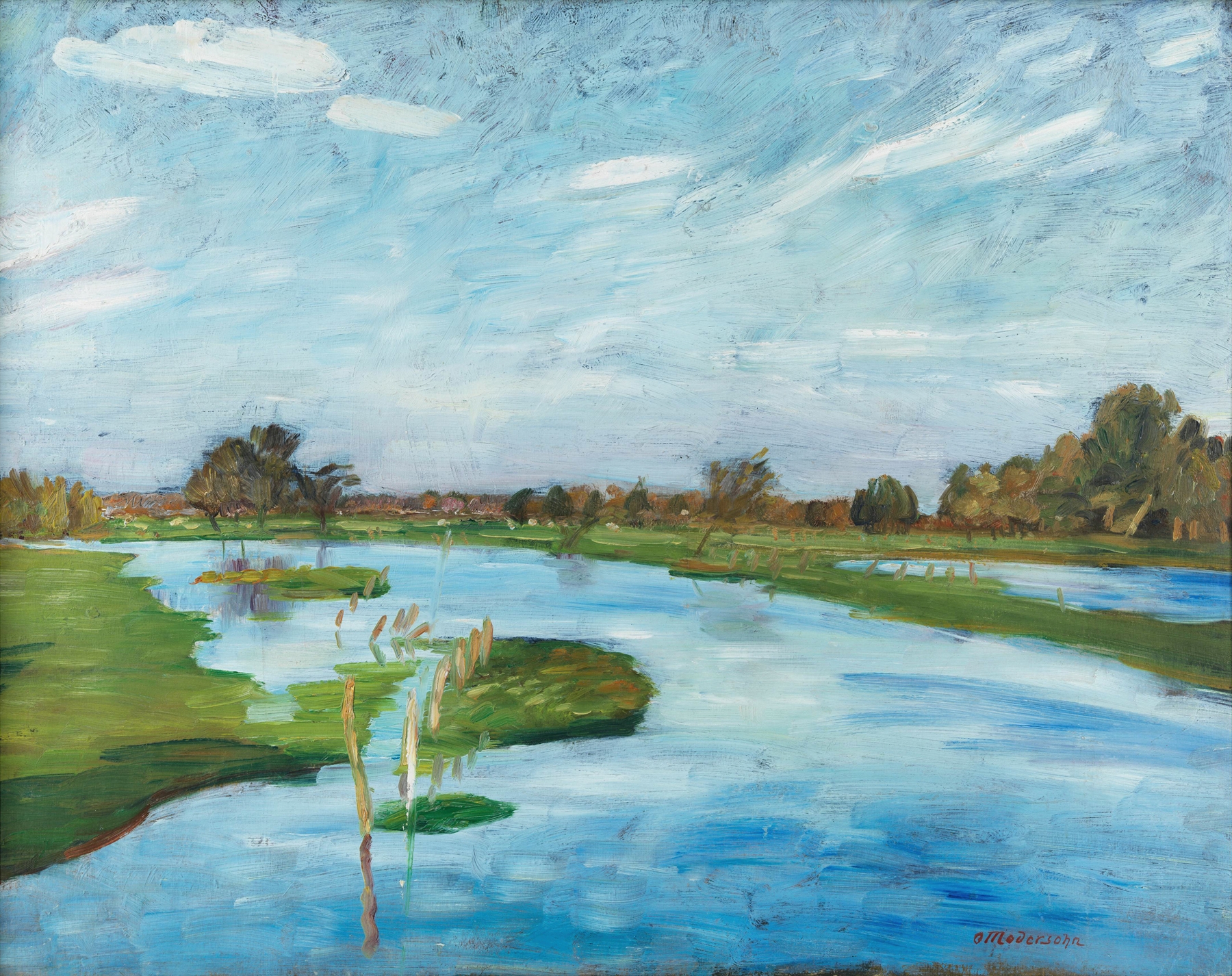
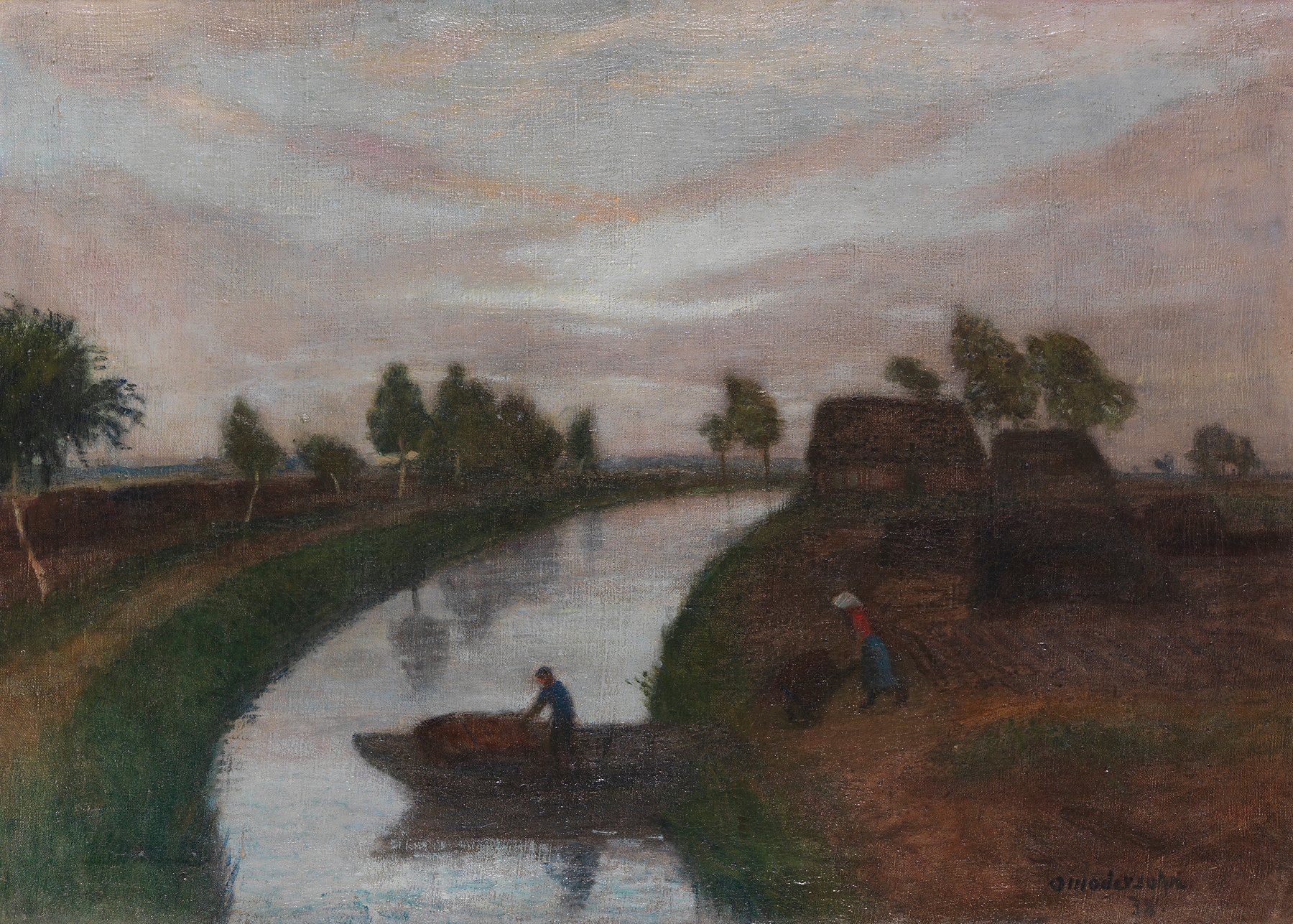
“Art reveals the soul when the world turns away.” In the quiet embrace of nature, there lies a profound awareness of mortality, a fleeting acknowledgment of life’s transience amidst its beauty. Look to the center of the canvas, where a sweeping dune rises gently, bathed in soft sunlight that dances across its curves. The hues of golden yellows and muted greens intertwine, creating a serene yet poignant atmosphere. Notice how the brushstrokes pulse with life, each stroke inviting you to feel the warmth of the day and the promise of dusk lurking just beyond the horizon.
The composition balances the enchanting landscape with an inviting tranquility, leading the eye towards a horizon that seems to whisper secrets of what was and what might be. Yet, within this idyllic setting lies an undercurrent of melancholy. The dunes, while robust, symbolize the inevitability of change, reminding us that even the most vibrant landscapes succumb to time. Reflect on the scattered tufts of grass, resilient yet fragile — a reminder of the delicate balance between life and decay.
As the sunlight fades into twilight, the scene holds a mirror to our own existence, urging us to appreciate beauty before it slips away. In 1925, Otto Modersohn was deeply immersed in the vibrant artistic community of Fischerhude, Germany. This period marked a significant exploration of landscape painting, influenced by impressionism yet distinctly personal. While the world grappled with the aftermath of World War I, Modersohn sought solace in the natural world, striving to capture its essence as both a refuge and a reminder of life’s transitory nature.