Sommertag bei Worpswede — History & Analysis
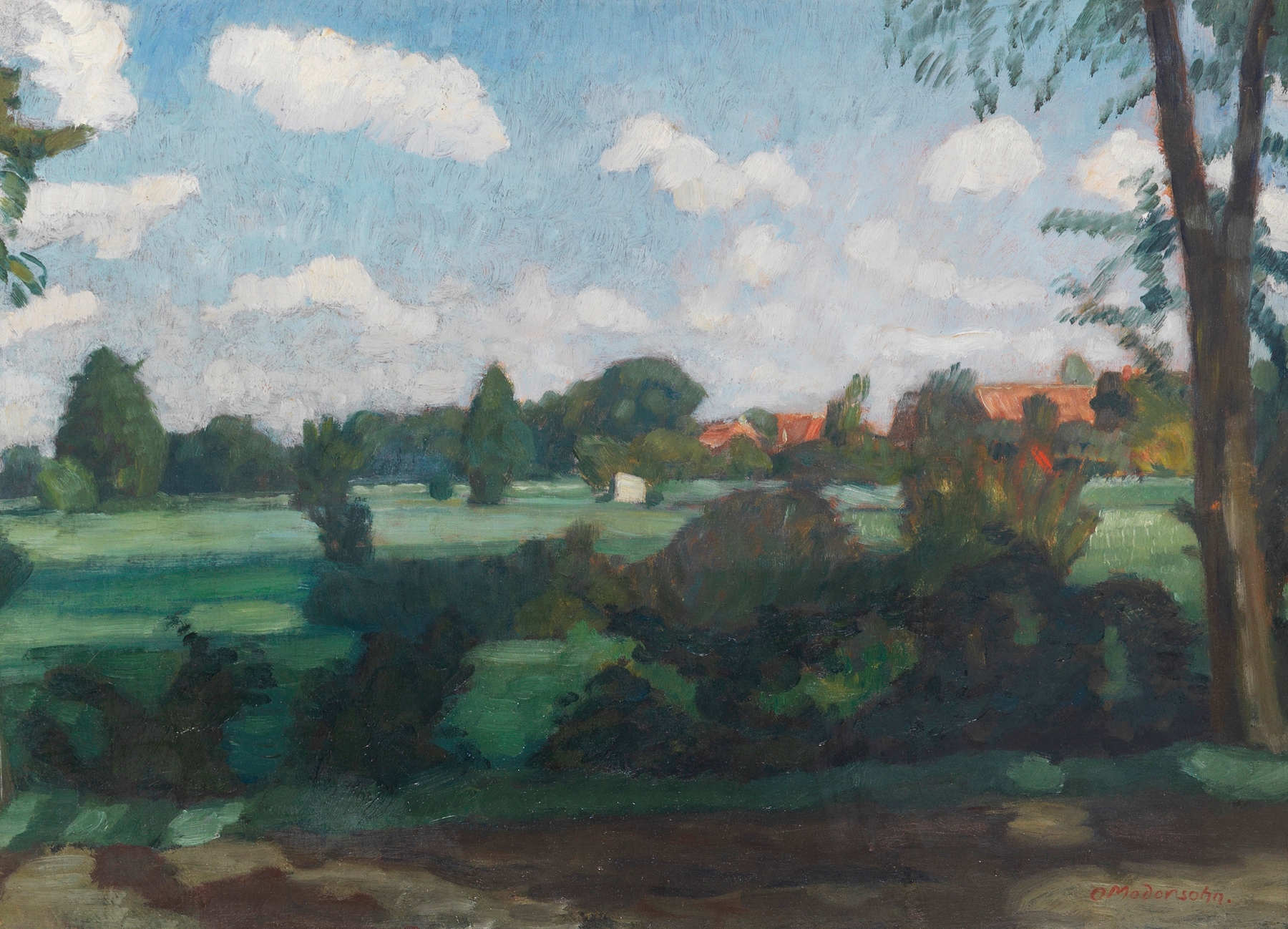
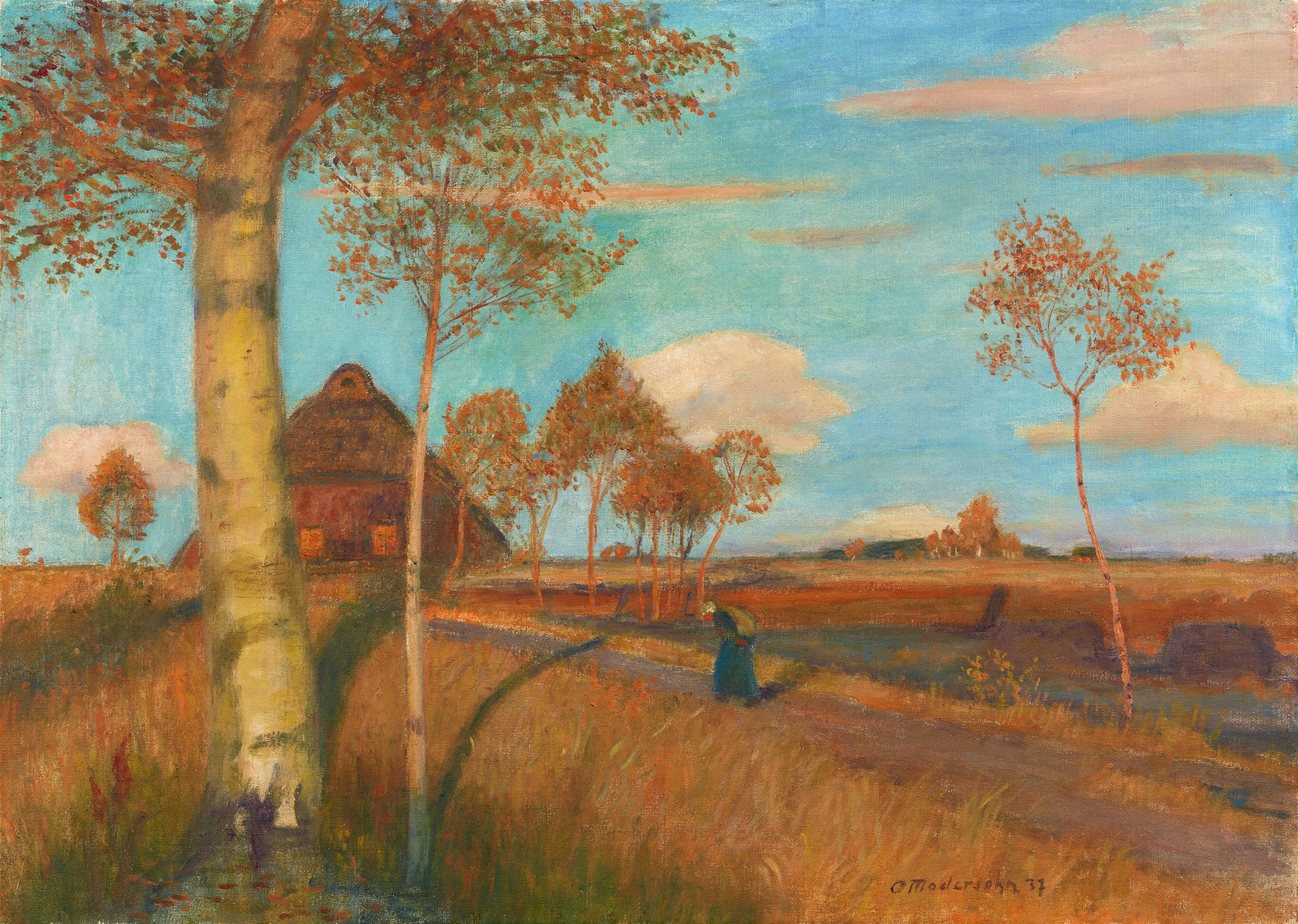
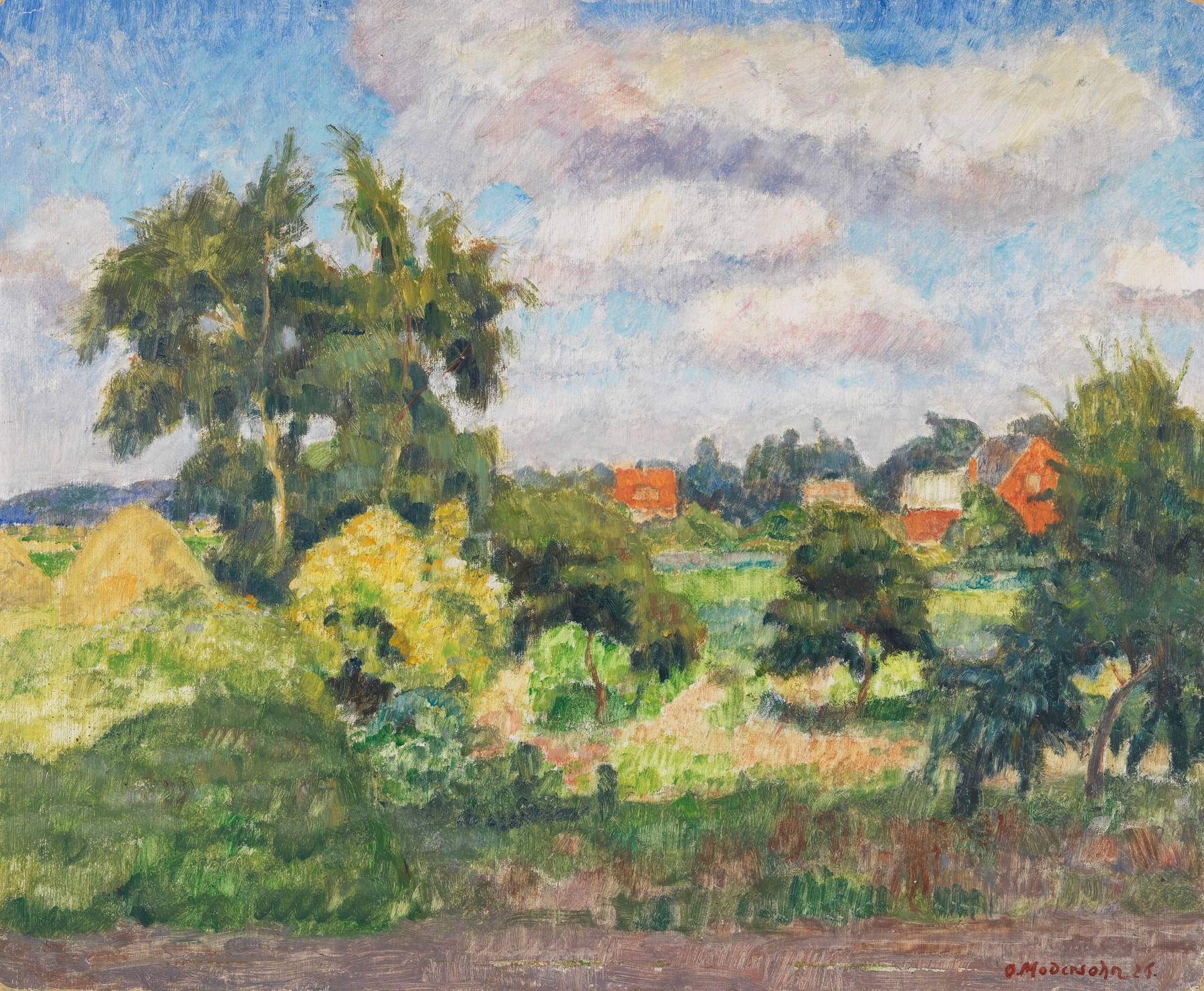
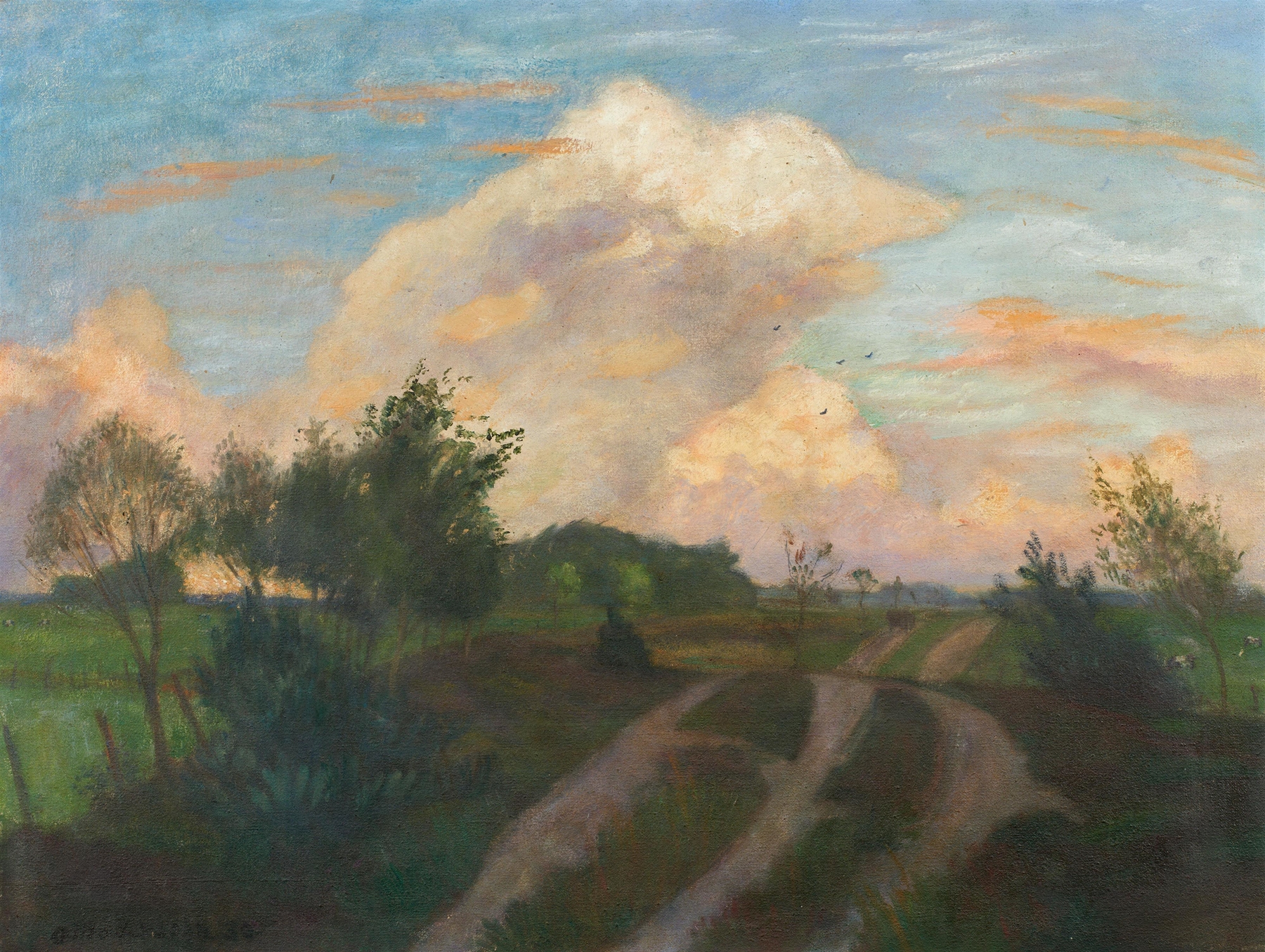
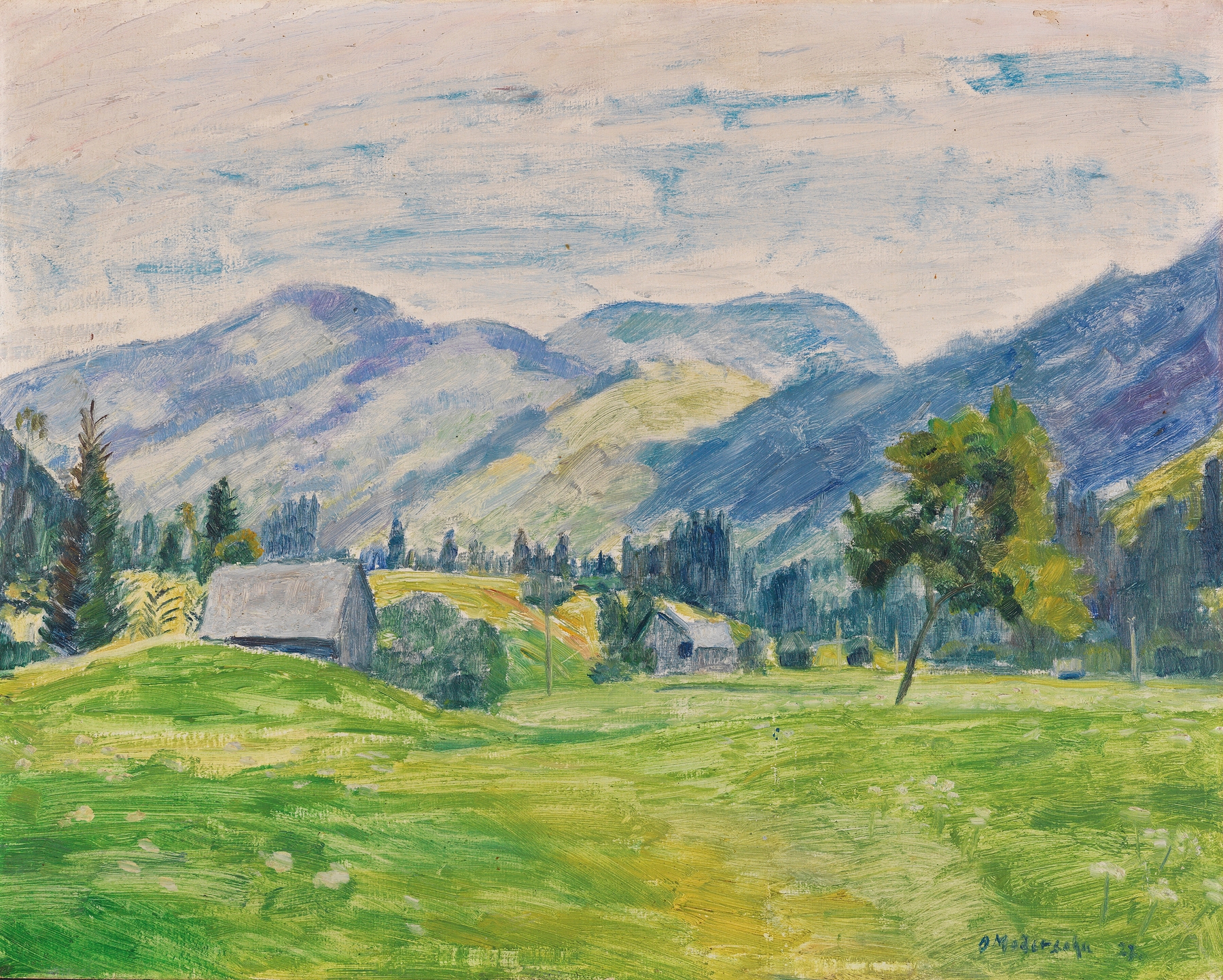
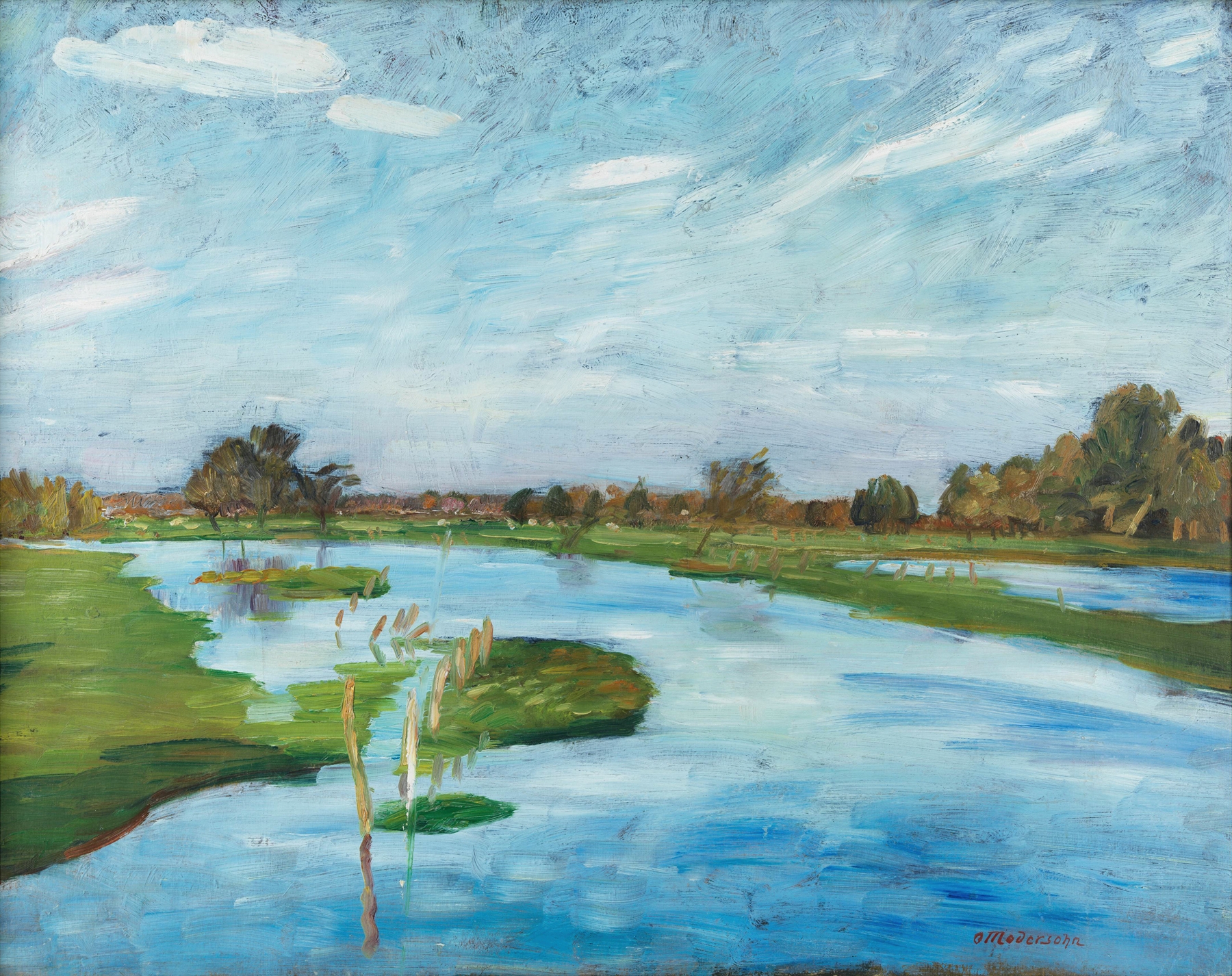
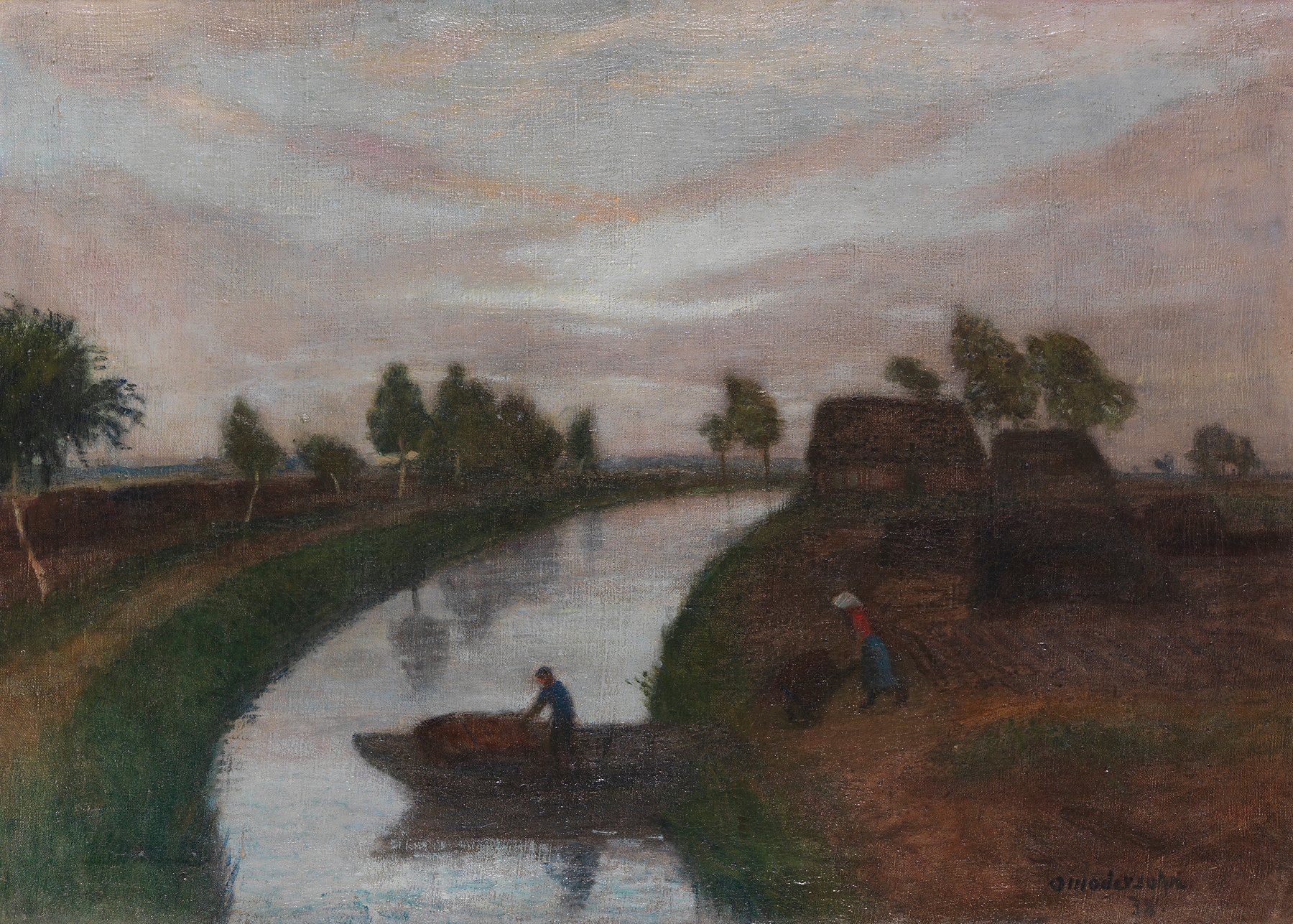
Every brushstroke is a heartbeat remembered. In Sommertag bei Worpswede, the vibrant hues of nature transcend mere observation, inviting the viewer to feel the pulse of summer itself. Look to the left at the lush greens and golden yellows, where the sun-drenched landscape swells with life. The fields radiate warmth, while soft, dappled light dances across the canvas, highlighting the tender brushwork that evokes both movement and stillness.
The gentle undulations of the land create a serene rhythm, drawing the eye to the horizon where the sky meets the earth in a seamless embrace. Beneath the surface of this idyllic scene lies a profound connection to memory and nostalgia. The contrasting deep shadows and luminous highlights not only emphasize the vibrancy of summer but also hint at the fleeting nature of such moments. The solitary figure, seemingly lost in thought, embodies a quiet contemplation, suggesting that amidst nature's exuberance, there is an introspective solitude waiting to be acknowledged.
In 1905, Otto Modersohn painted this work while living in Worpswede, a village that had become a hub for artists seeking inspiration in the rural landscape. At this time, he was immersed in the burgeoning movement of Impressionism, which sought to capture the essence of a moment. His exploration of color and light in this painting reflects both personal experiences and broader artistic dialogues, positioning him as a pivotal figure within the evolving narrative of modern art.