
Sophonisba drinkt vergif — History & Facts
This poignant truth echoes through the depths of the vivid imagery, where elegance and despair entwine in a tragic embrace. A timeless moment captured on canvas invites us to ponder the duality of existence, the fragile line between allure and agony. Focus your gaze first on the delicately poised figure of Sophonisba, her presence commanding the viewer’s attention. The stark contrast of the rich, deep colors against her pale skin enhances the gravity of her plight.
Notice how the light dramatically highlights the ornate goblet, its shimmering surface hinting at both beauty and impending doom. The intricate details of her attire speak volumes—each fold and embellishment meticulously rendered—serving as a reminder of the societal expectations that weigh heavily on her. Delve deeper and you’ll see the blend of elegance and desperation in her expression, a silent cry woven into the fabric of this moment. The juxtaposition of the serene composition with the act of self-destruction captures the emotional turmoil of a woman driven by love and betrayal.
Surroundings fade into the periphery, yet the shadows cast on her face whisper of the internal conflict, enhancing the narrative of tragic choice and defiance. Painted between 1537 and 1541, the work emerged from the hand of Georg Pencz during a period of dramatic shifts in Renaissance art. Operating in Nuremberg, he was influenced by the emerging Mannerist style, which sought to convey heightened emotions and complex narratives. This piece reflects not only Pencz's technical prowess but also a broader cultural dialogue concerning the role of women in society, love, and sacrifice, encapsulating the essence of a tumultuous era.
More Artworks by Georg Pencz
Browse all →
Parabel van de zaaier
Georg Pencz

Parabel van de arbeiders in de wijngaard
Georg Pencz
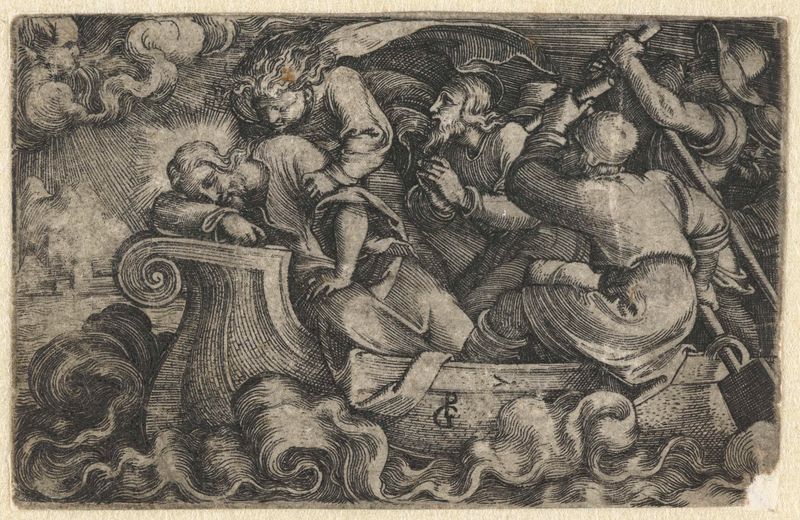
Discipelen wekken slapende Christus tijdens storm op Meer van Galilea
Georg Pencz

Afgunst (Invidia)
Georg Pencz
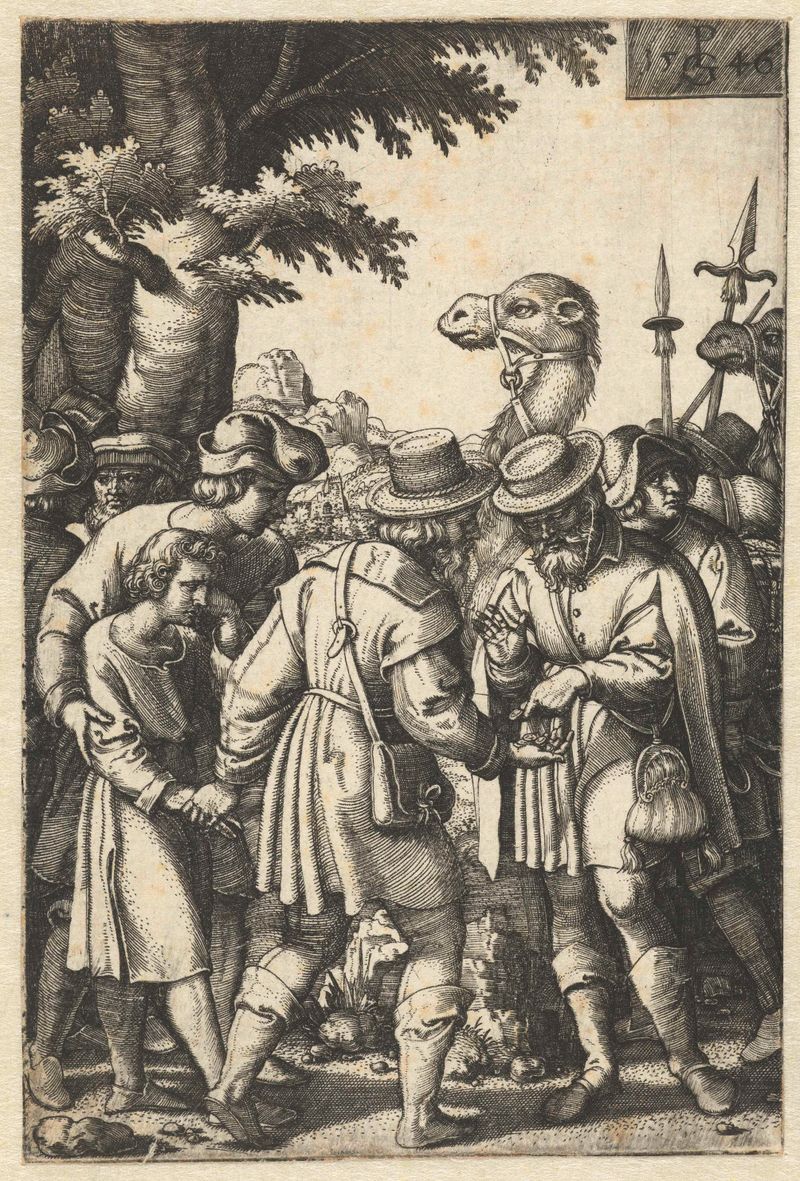
Jozef wordt verkocht aan kooplieden op weg naar Egypte
Georg Pencz

Aanbidding der koningen
Georg Pencz
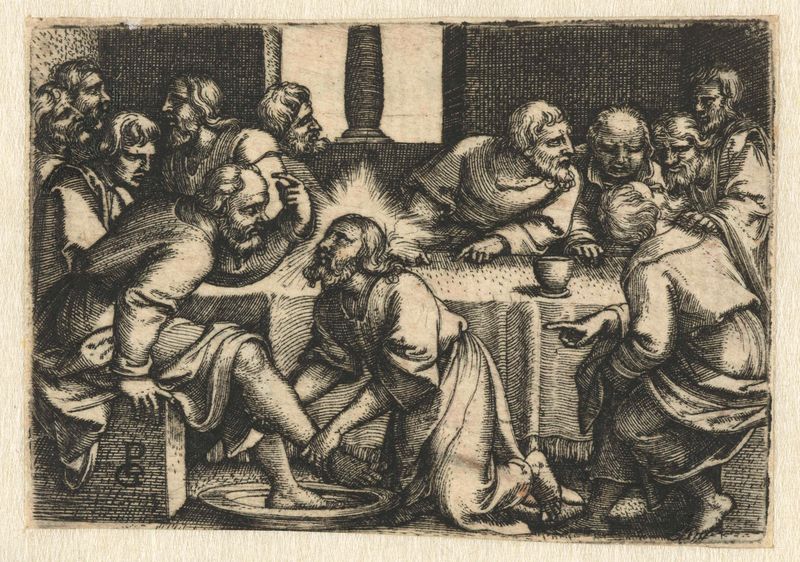
Petrus protesteert als Christus zijn voeten wast
Georg Pencz
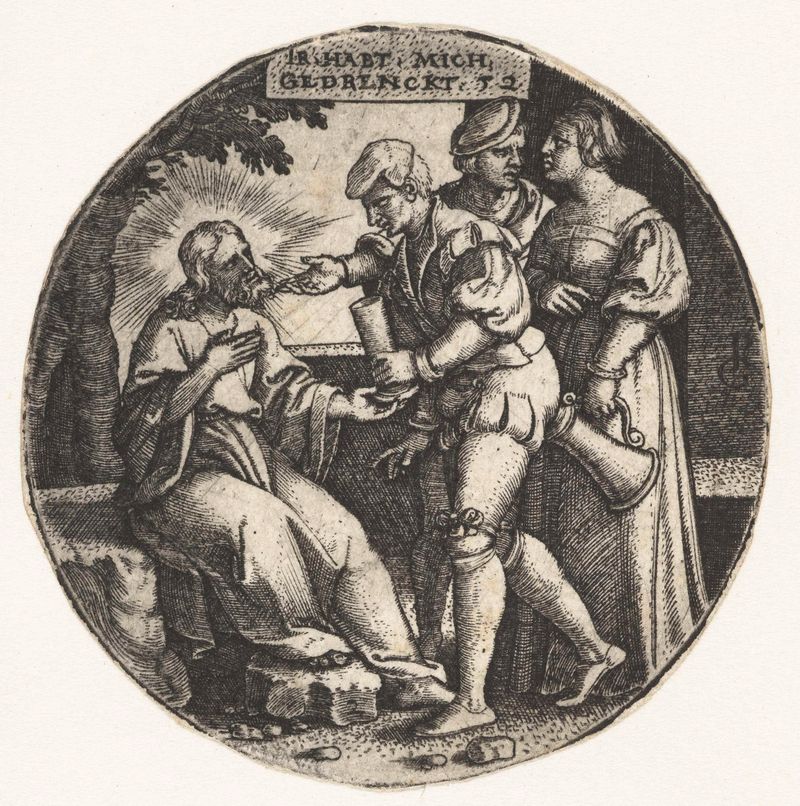
Christus heeft dorst en krijgt drinken aangeboden
Georg Pencz
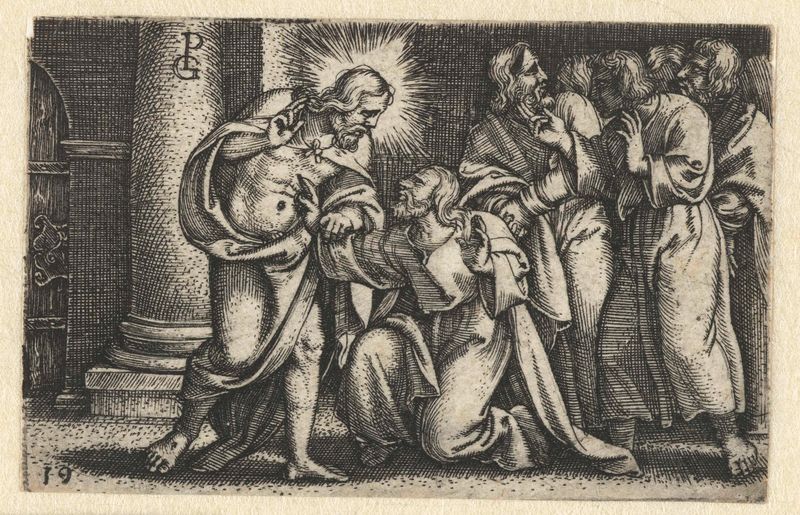
Ongelovige Thomas raakt wonden Christus aan
Georg Pencz

Offer van Abraham van Isaak
Georg Pencz
More Historical Art
Browse all →
The Night Watch Militia Company of District II under the Command of Captain Frans Banninck Cocq
Rembrandt van Rijn

Lincoln Memorial
Henry Bacon

The Third of May 1808
Francisco de Goya

Isaac and Rebecca, Known as ‘The Jewish Bride’
Rembrandt van Rijn

The Charge of the Mamelukes (1814)
Francisco de Goya

De vier ruiters van de apocalyps
Albrecht Dürer