
Sous bois — History & Facts
Could a single brushstroke hold eternity? In Sous bois, a world unfolds beneath the canopy of leafy greens, inviting the viewer to experience both the beauty and the void present in nature. Look to the left at the delicate interplay of light filtering through the trees, casting dappled shadows upon the forest floor. The artist employs a lush palette of greens, browns, and hints of sunlight to create an almost tangible atmosphere. Notice how the soft edges of the foliage contrast with the sharp, intricate details of the underbrush, guiding your eye deeper into the scene.
Each stroke serves to evoke a sense of tranquility, while also hinting at the persistent presence of nature’s wild spirit. As you immerse yourself in the painting, consider the emotional tensions at play — the serenity of the scene juxtaposed against the inevitable passage of time. The rich, dark colors of the forest suggest a sense of mystery, evoking feelings of solitude and introspection. Yet, within the vibrant greenery lies an emotional tension, a reminder of the void that exists in nature’s beauty — a fleeting moment captured in a space where life is both thriving and subdued. Harpignies created this piece in the latter half of the 19th century, during a time when painters were increasingly exploring the interplay between light and environment, moving away from rigid academic conventions.
Working primarily in France, he was part of the Barbizon School, which emphasized landscape painting and sought to capture the essence of nature. This era of artistic exploration reflected a broader cultural shift towards realism and emotional depth in the art world.
More Artworks by Henri-Joseph Harpignies
Browse all →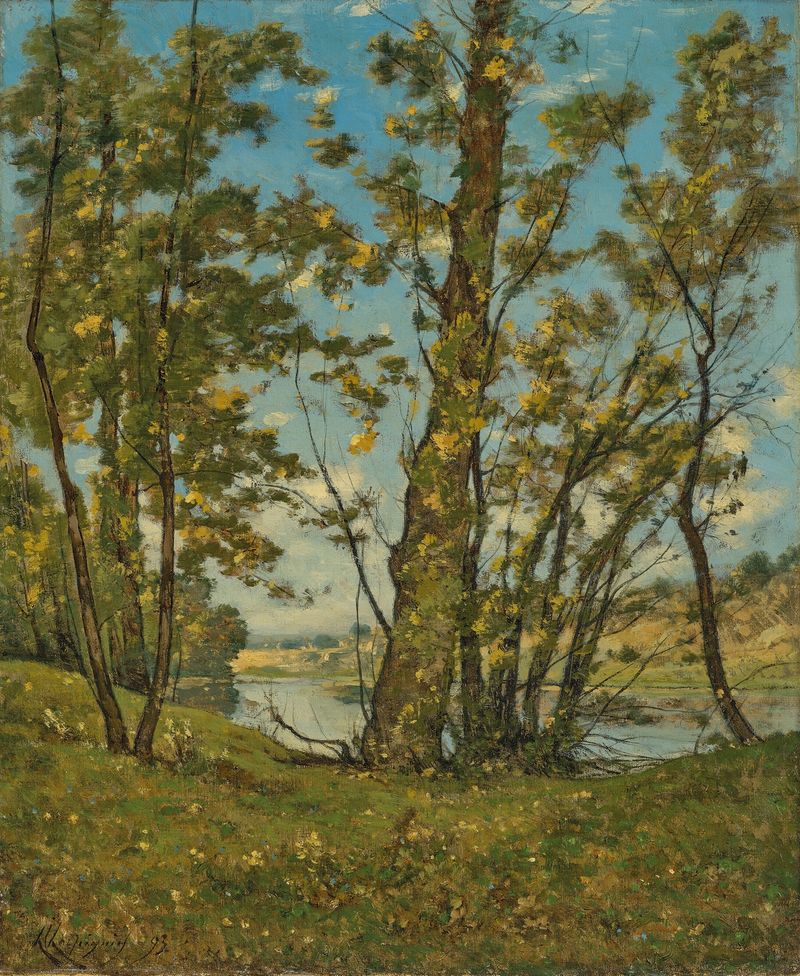
La Loire à Bonny
Henri-Joseph Harpignies
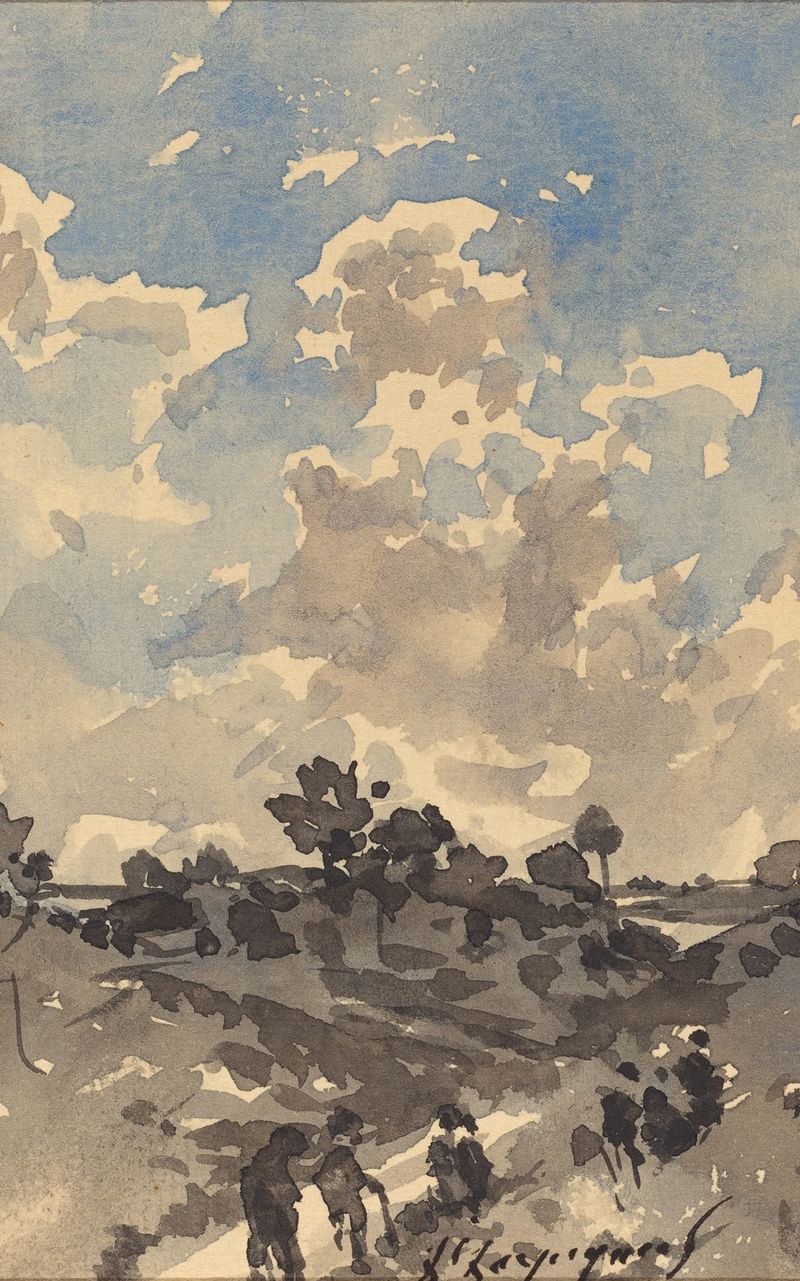
A Landscape with Figures Walking along a Path
Henri-Joseph Harpignies
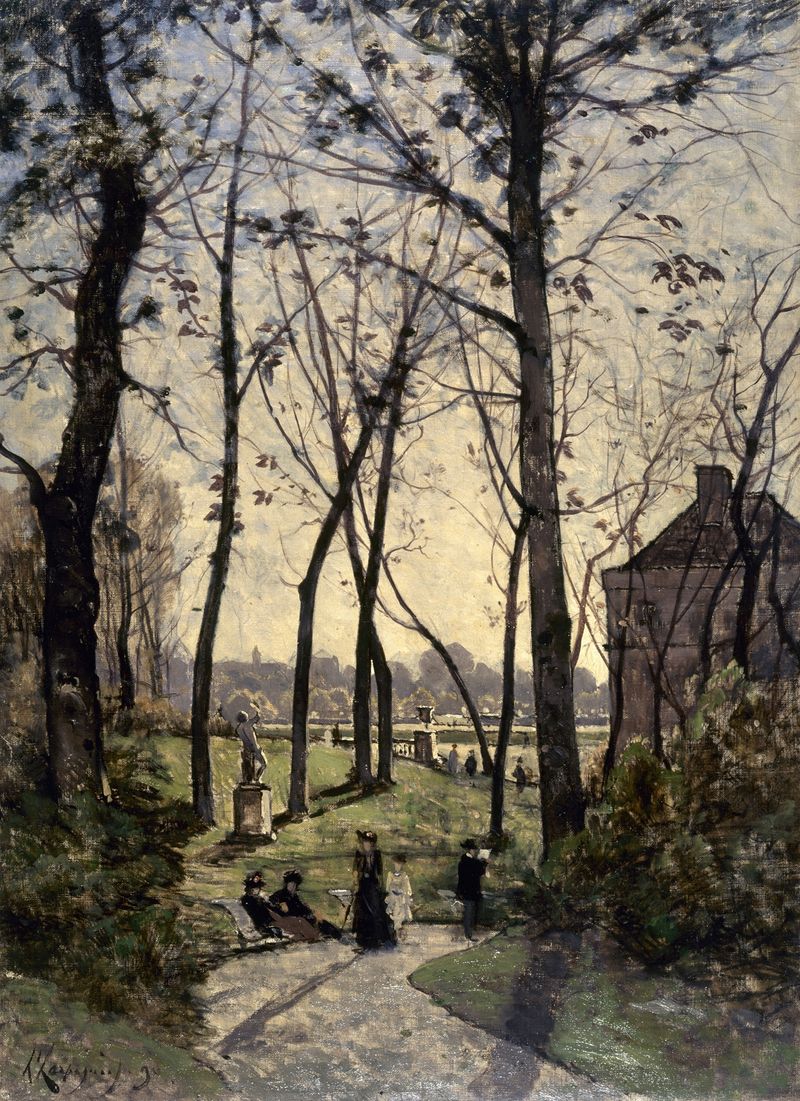
Le jardin du Luxembourg
Henri-Joseph Harpignies
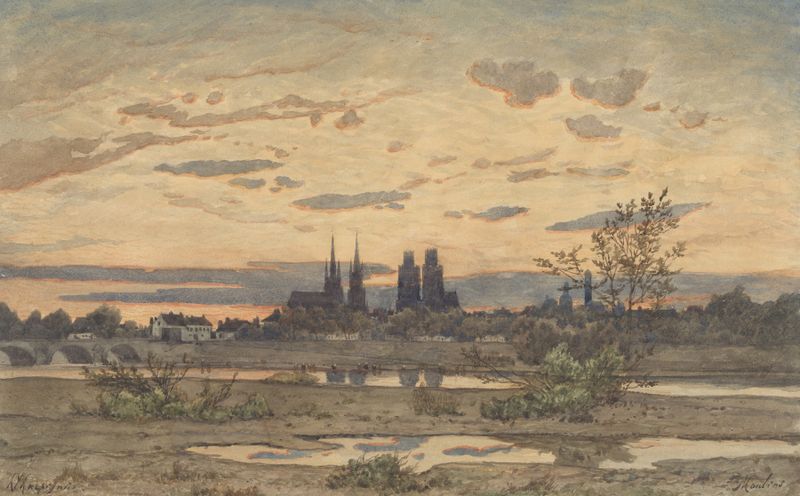
A View of Moulins
Henri-Joseph Harpignies
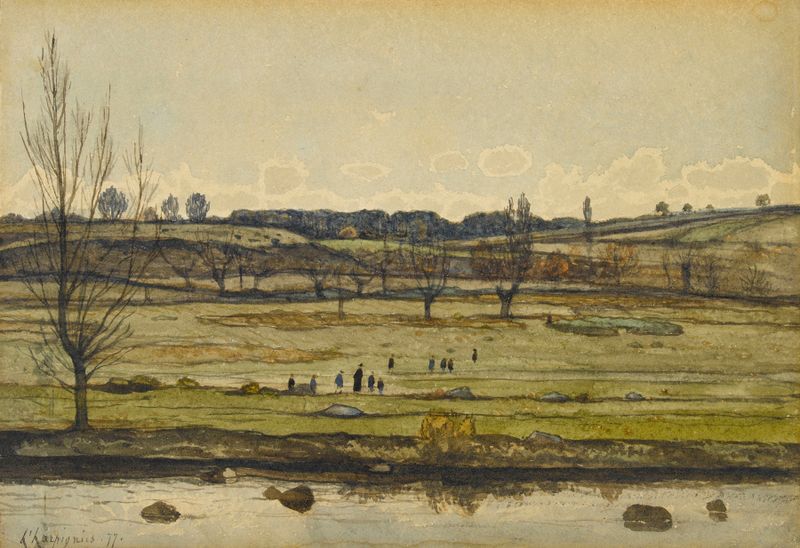
Paysage
Henri-Joseph Harpignies
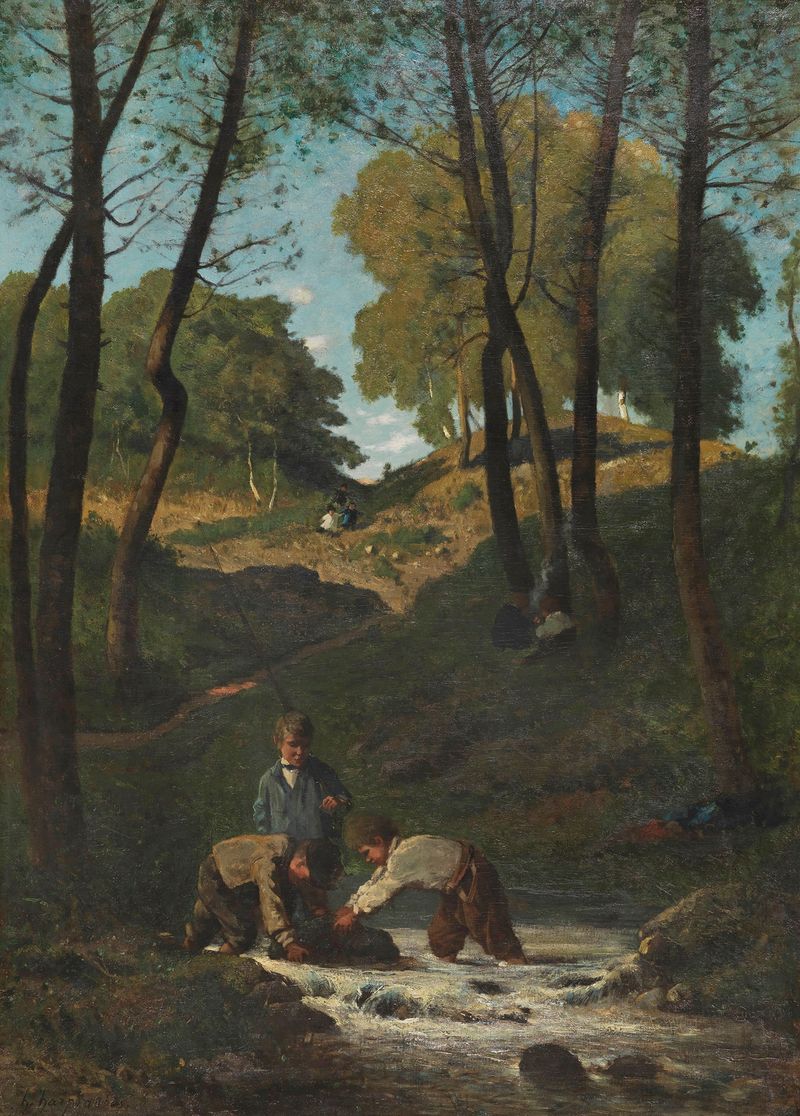
Chercheurs d’écrevisses
Henri-Joseph Harpignies
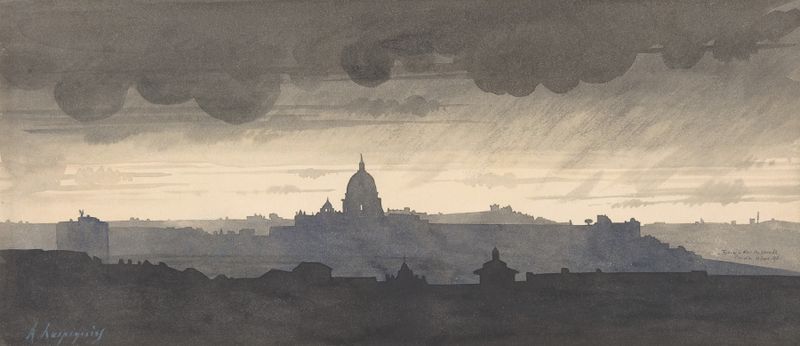
Saint Peter’s Seen From the Pincio, Rome
Henri-Joseph Harpignies
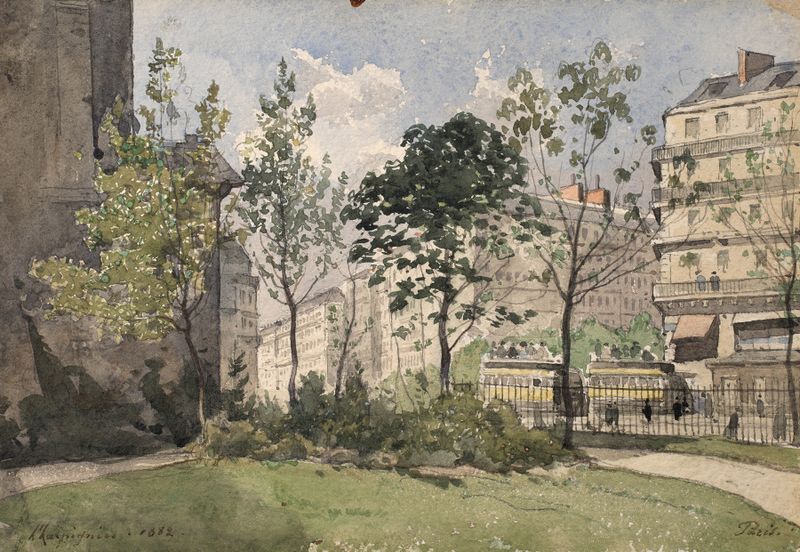
View of the forecourt of the Saint-Germain-des-Prés church
Henri-Joseph Harpignies
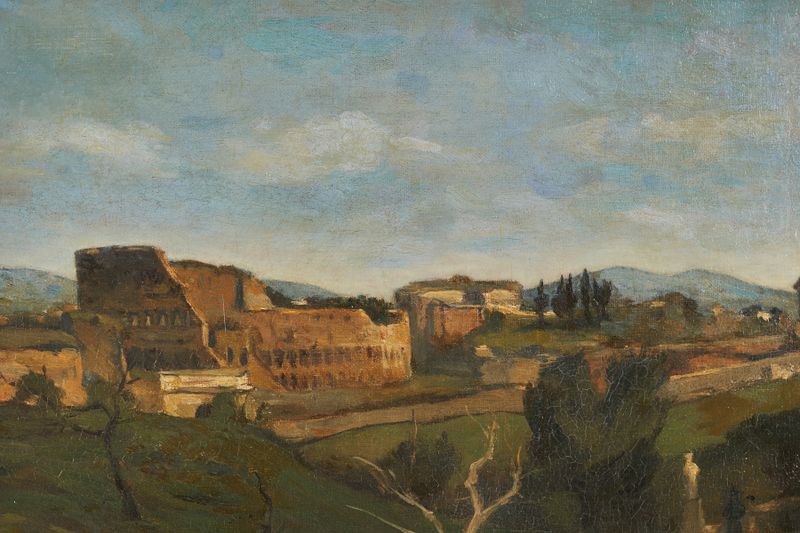
Le Colisée à Rome
Henri-Joseph Harpignies

Villefranche
Henri-Joseph Harpignies





