
Sous bois — History & Facts
In the depths of a tranquil forest, nature stands as the true architect of awe. Light filters through the verdant canopy, hinting at the magic hidden within the intertwining tendrils of trees and foliage. The silence envelops the viewer, whispering secrets of growth and decay, of life in all its rich complexities. Look to the center of the canvas where a gentle cascade of greens draws your eye to the interplay of light and shadow.
Notice how Diaz de La Peña masterfully captures the dappled sunlight, illuminating patches of underbrush while leaving other areas cloaked in mystery. The delicate brushwork creates a sense of movement, as if the leaves themselves are dancing to a soft melody. Each stroke is intentional, crafting an intimate glimpse into the forest's heart. As you explore the edges of the work, hidden meanings begin to emerge.
The contrast between the vibrant greens and the deeper shadows evokes a tension between vitality and solitude. Small details, like a solitary blossom or a fallen leaf, symbolize the cycle of life—beauty interwoven with decay. This duality invites reflection on our own existence, urging us to find beauty even in fleeting moments. In the 19th century, amid the burgeoning Romantic movement in France, the artist found inspiration in the landscapes surrounding him.
Working during a time of deep personal contemplation and shifting artistic ideals, he embraced nature's majesty as a poignant escape. His connection to the forest not only shaped his work but also resonated with a generation seeking solace in the natural world.
More Artworks by Narcisse-Virgile Diaz de La Peña
Browse all →
Forest Scene
Narcisse-Virgile Diaz de La Peña
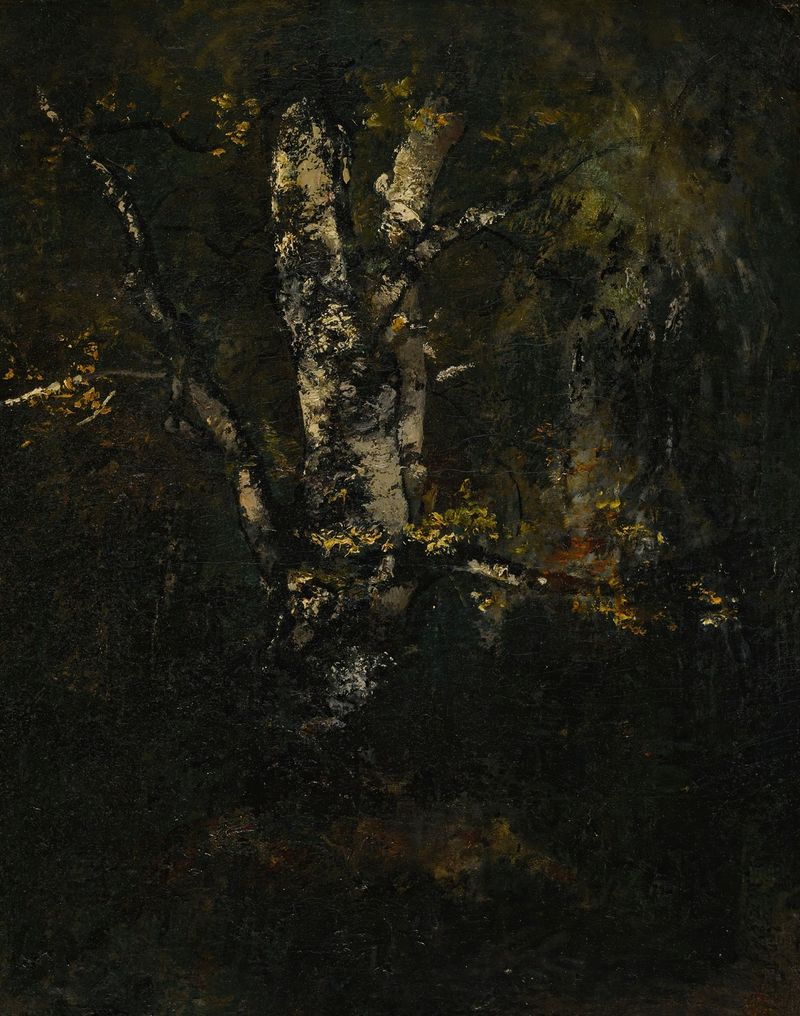
Vieux Troncs De Hêtres
Narcisse-Virgile Diaz de La Peña
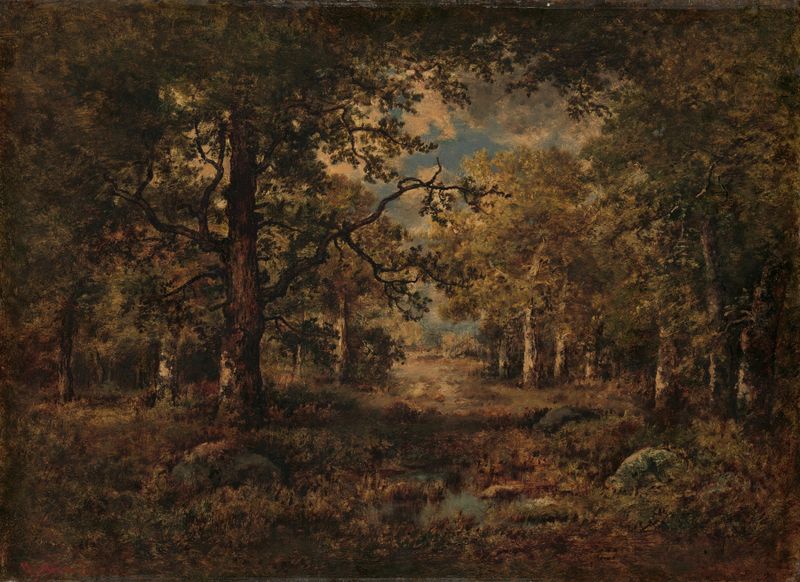
A Vista through Trees; Fontainebleau
Narcisse-Virgile Diaz de La Peña
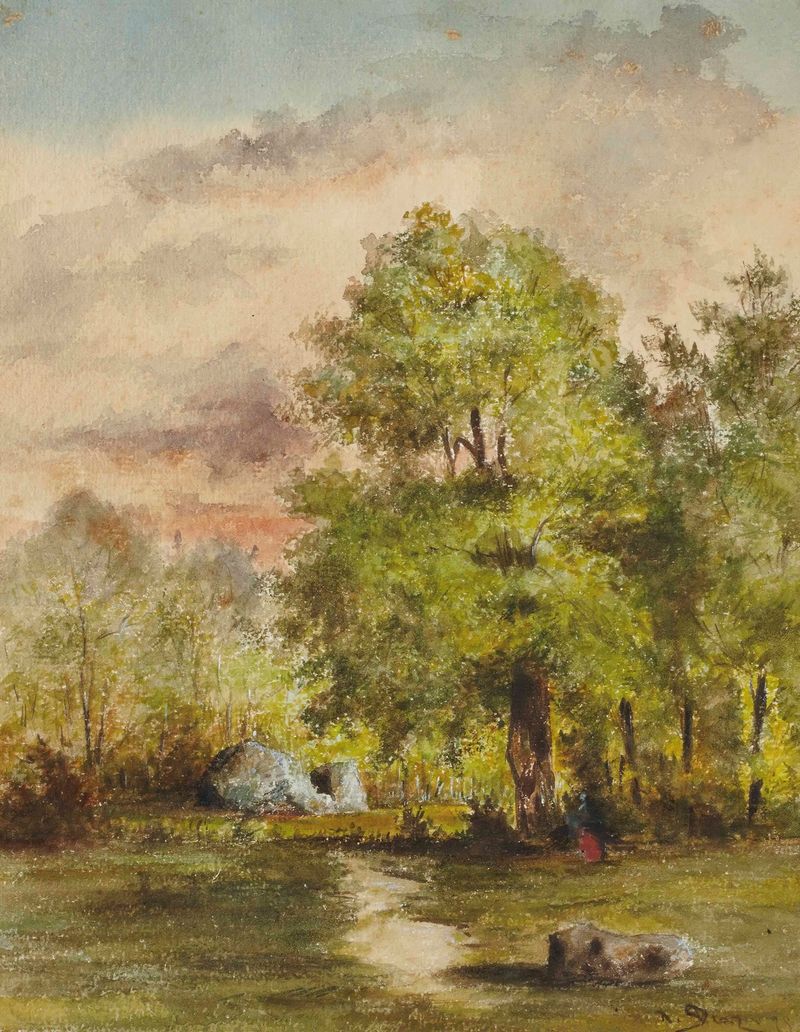
Vue d’une clairière
Narcisse-Virgile Diaz de La Peña

Pond in the Woods
Narcisse-Virgile Diaz de La Peña
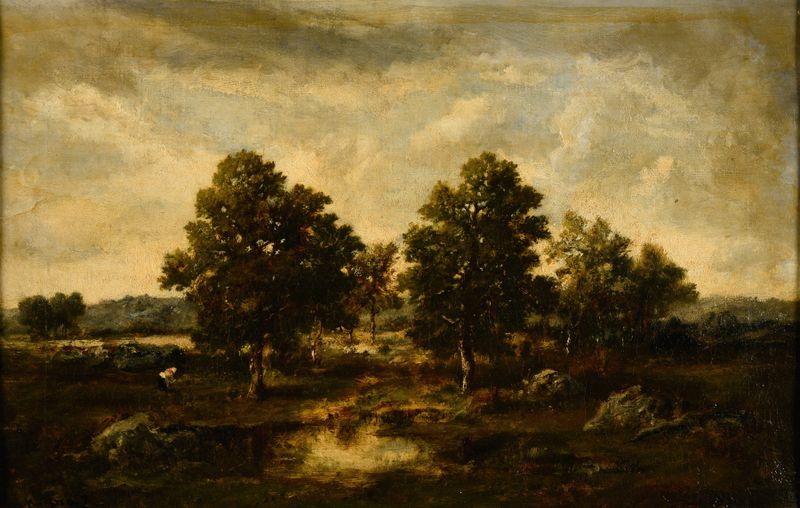
Mare dans une lande
Narcisse-Virgile Diaz de La Peña
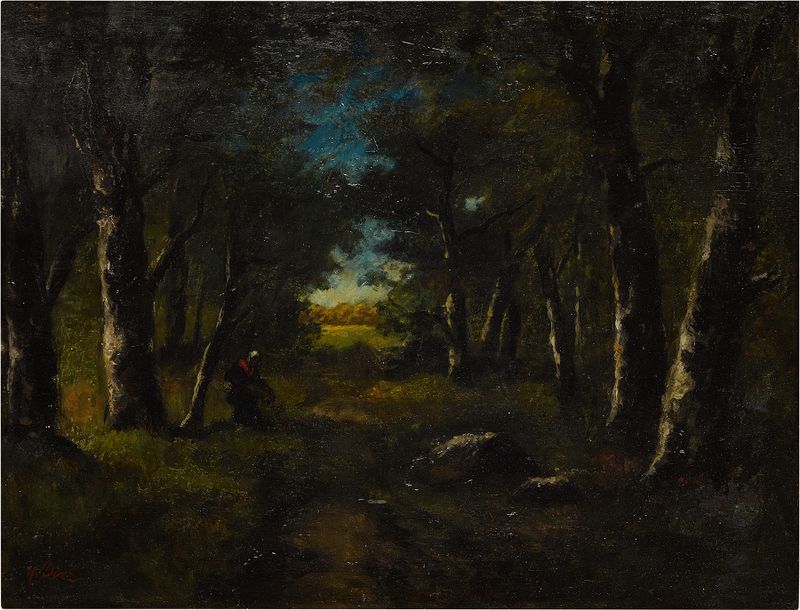
Foraging in the Forest
Narcisse-Virgile Diaz de La Peña
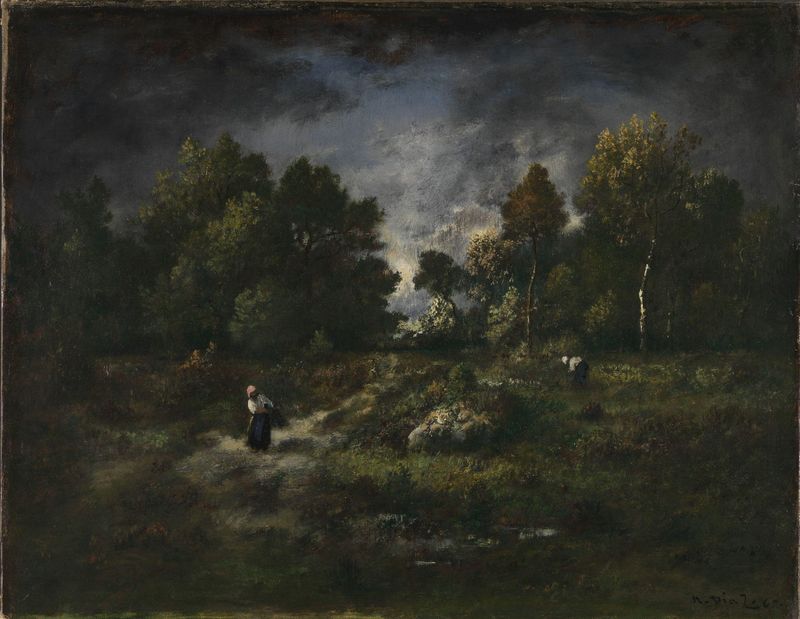
Faggot Gatherers in a Wooden Landscape
Narcisse-Virgile Diaz de La Peña
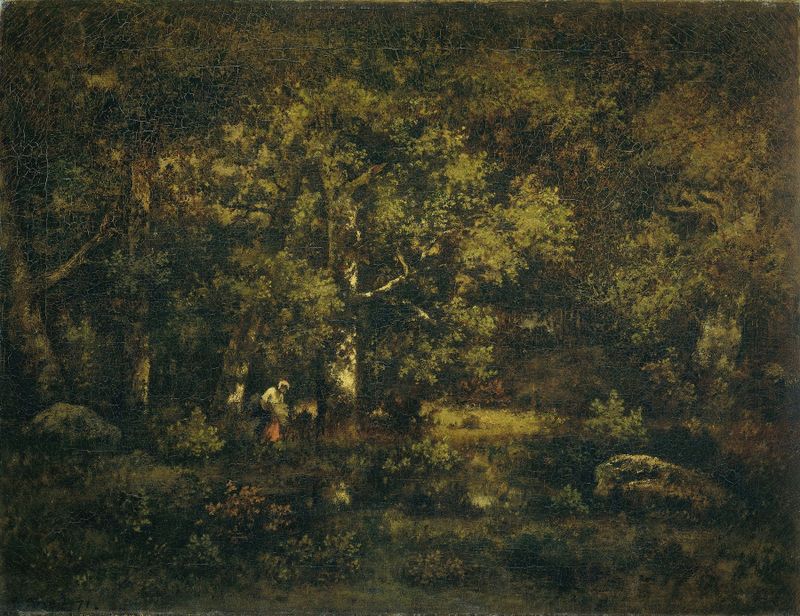
The Forest of Fontainebleau
Narcisse-Virgile Diaz de La Peña

Sous-bois
Narcisse-Virgile Diaz de La Peña





