
Sous-bois — History & Facts
In the quiet embrace of a forest glade, fleeting moments linger, yet they slip away, like whispers carried by a gentle breeze. Each brushstroke captures the essence of nature's timeless beauty, inviting viewers to reflect on their own transient experiences. Look to the lower left where a cascade of dappled light filters through the green canopy, illuminating the soft ground below. The play of light and shadow creates a harmonious balance, guiding your gaze along the textured path lined with foliage.
Notice how the artist employs a rich palette of earthy tones and vibrant greens, invoking the serenity and complexity of a woodland retreat. Beneath the surface lies a tension between stillness and the inevitability of change. The juxtaposition of lush, thriving flora against the subtle decay of the underbrush hints at nature's cycle of life and death. In this tranquil setting, one can sense both an invitation to pause and a reminder of time’s relentless march, as moments of peace are both cherished and fleeting. Created in 1895, this piece emerged during a period when Harpignies was deeply immersed in the Pre-Impressionist movement in France.
Living near the Forest of Fontainebleau, he drew inspiration from his surroundings, capturing the essence of the natural world. The late 19th century was a time of burgeoning artistic exploration, as artists began to break away from traditional forms, seeking to convey emotion and atmosphere — principles that resonate powerfully in this work.
More Artworks by Henri-Joseph Harpignies
Browse all →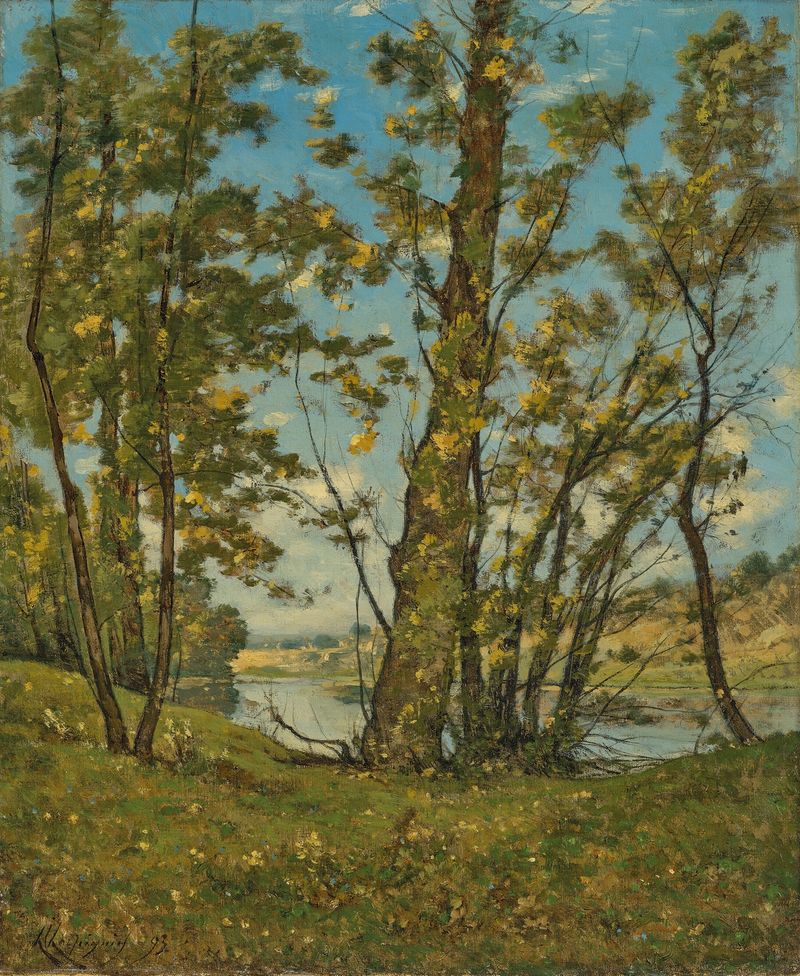
La Loire à Bonny
Henri-Joseph Harpignies
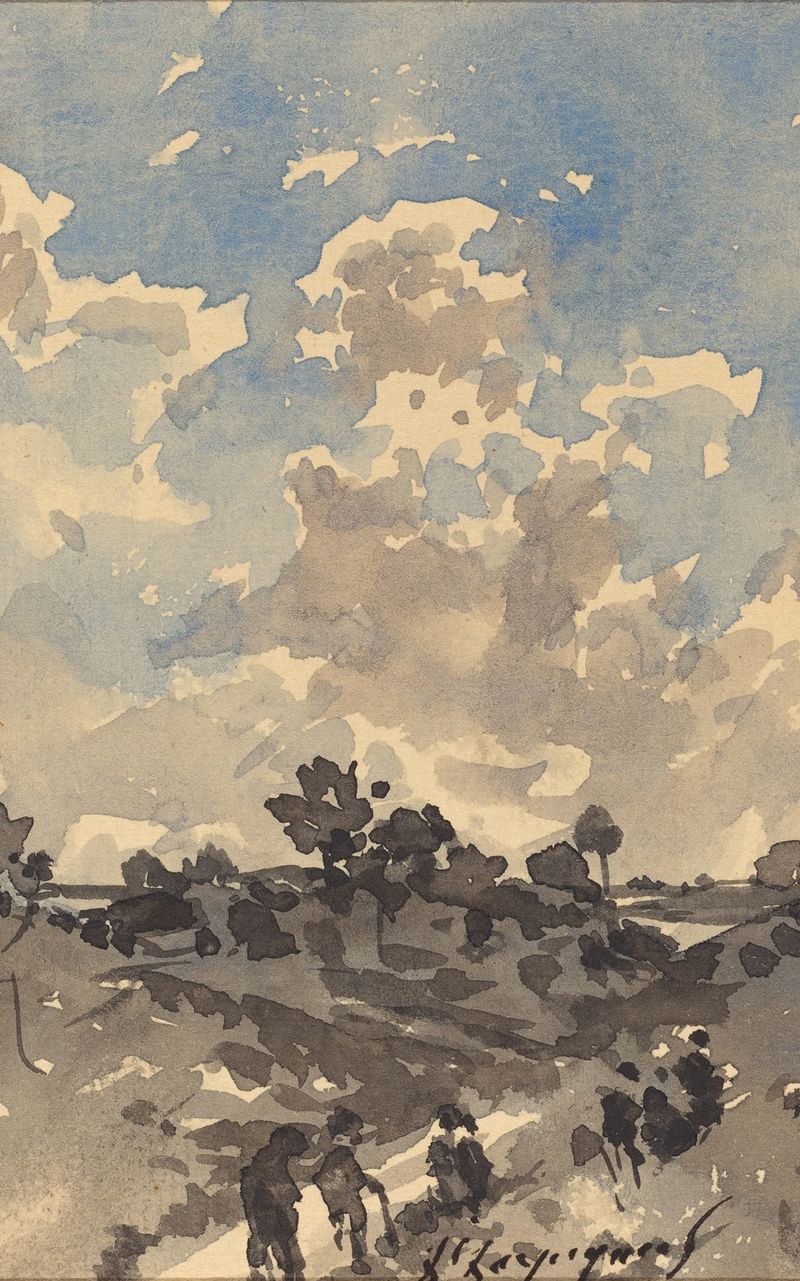
A Landscape with Figures Walking along a Path
Henri-Joseph Harpignies
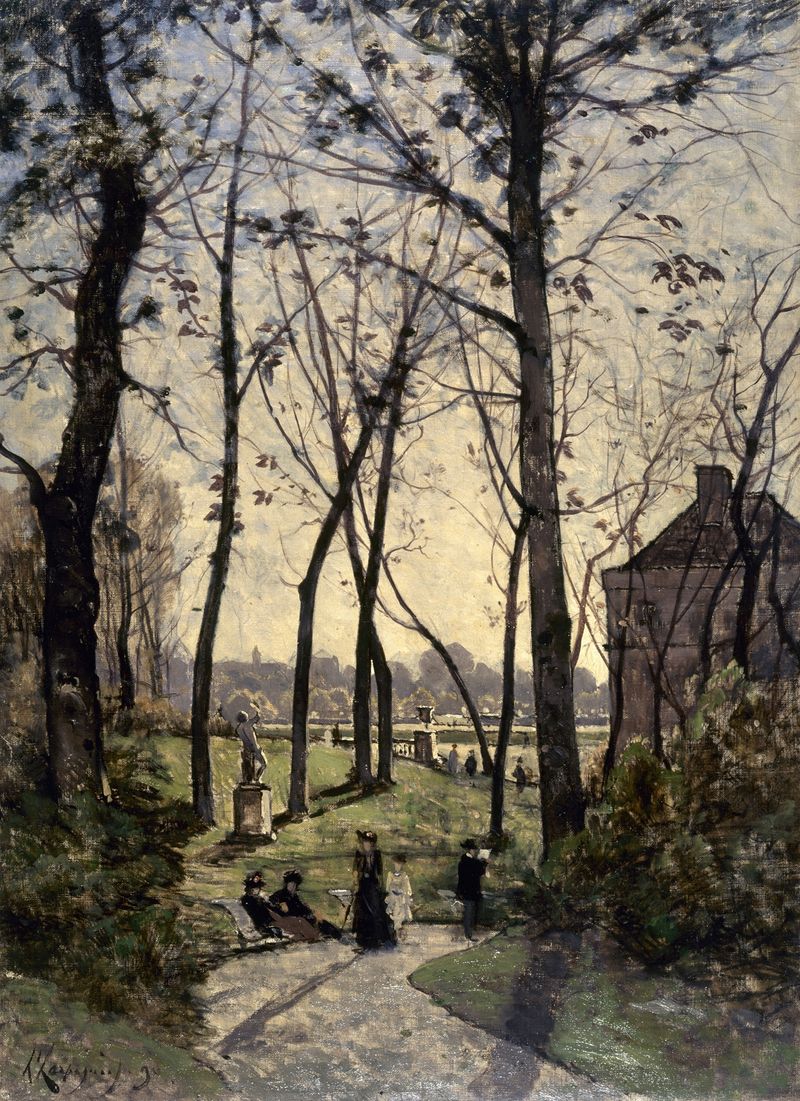
Le jardin du Luxembourg
Henri-Joseph Harpignies
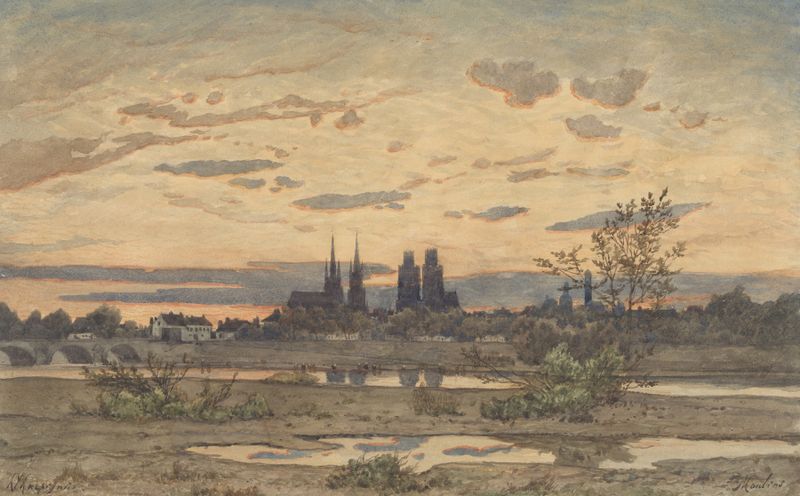
A View of Moulins
Henri-Joseph Harpignies
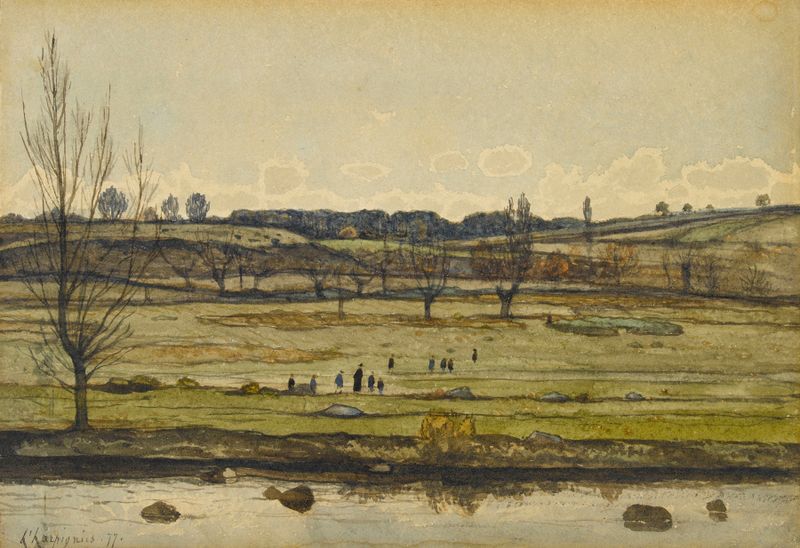
Paysage
Henri-Joseph Harpignies
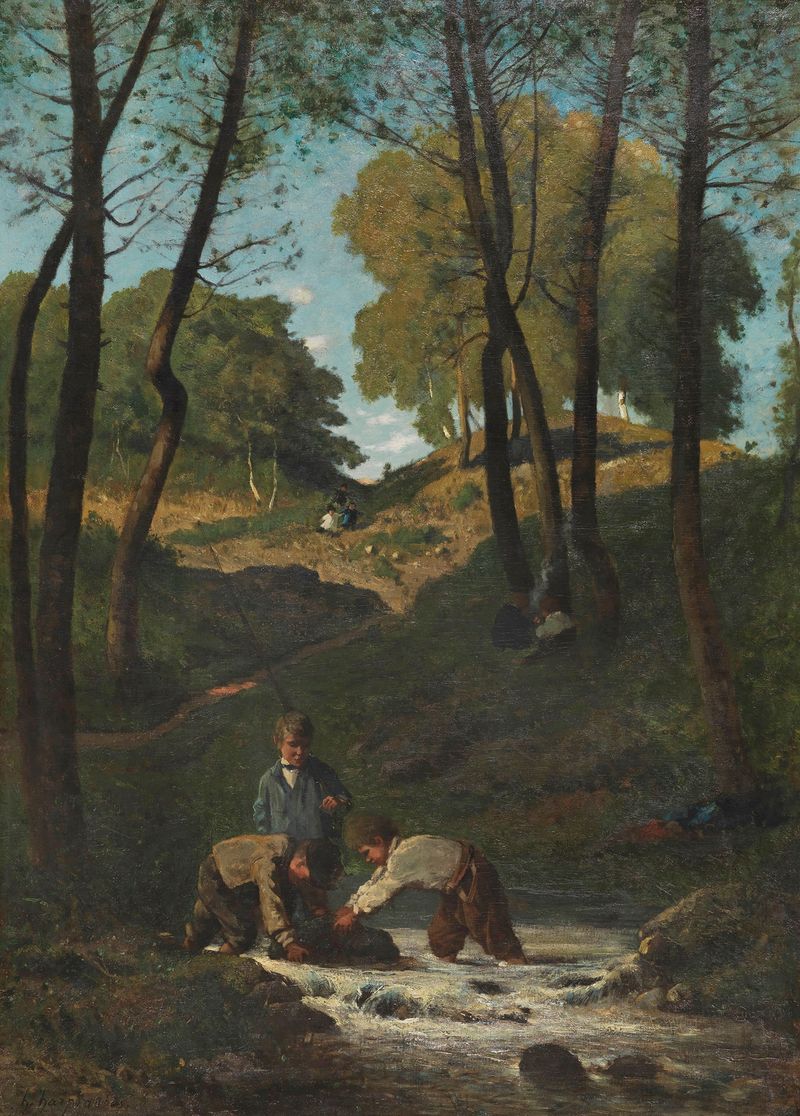
Chercheurs d’écrevisses
Henri-Joseph Harpignies
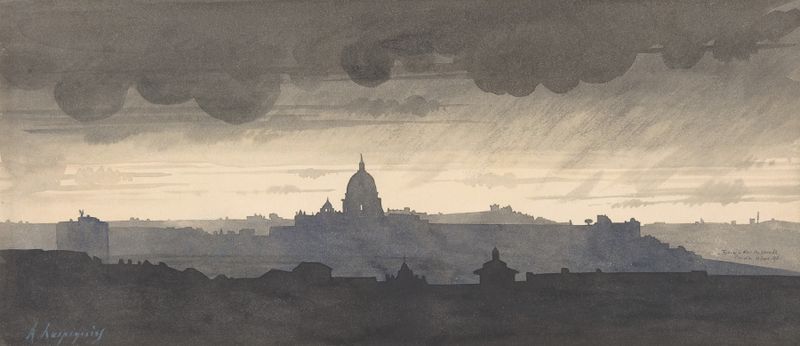
Saint Peter’s Seen From the Pincio, Rome
Henri-Joseph Harpignies
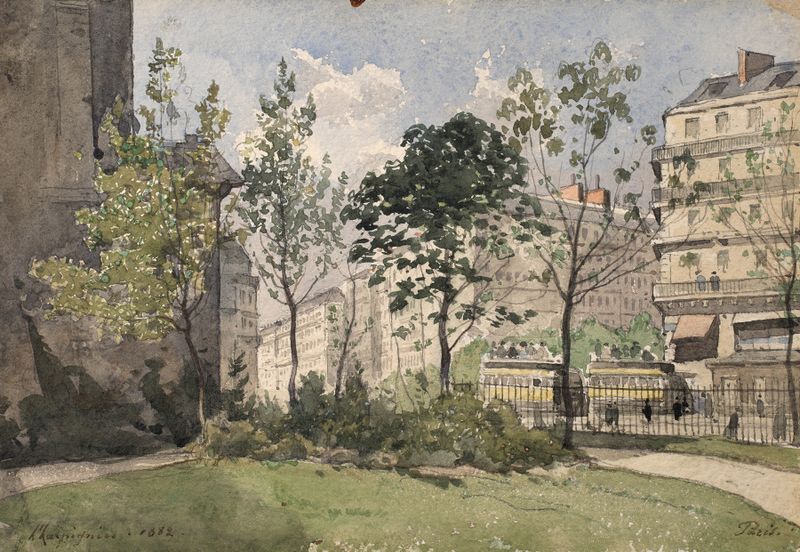
View of the forecourt of the Saint-Germain-des-Prés church
Henri-Joseph Harpignies
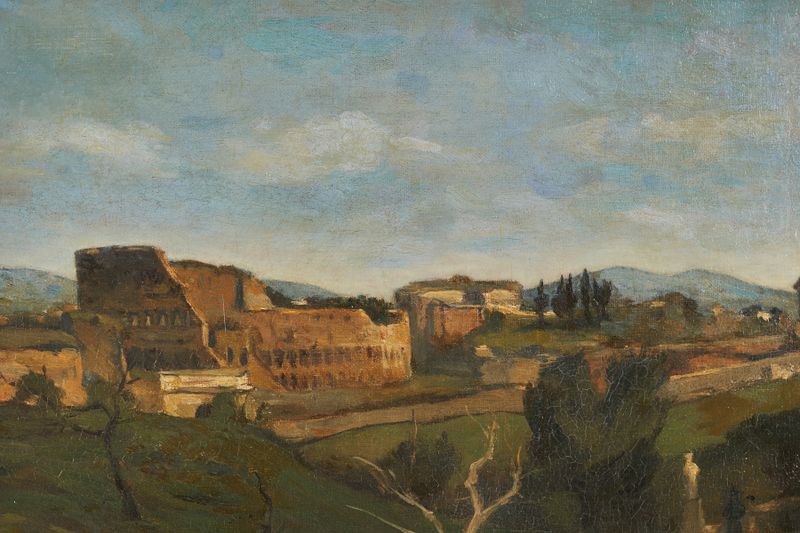
Le Colisée à Rome
Henri-Joseph Harpignies

Villefranche
Henri-Joseph Harpignies





