
Sphinx Caterpillar, study for book Concealing Coloration in the Animal Kingdom — History & Facts
What first catches the eye in Sphinx Caterpillar, study for book Concealing Coloration in the Animal Kingdom is how easily the caterpillar nearly vanishes into its leafy world. The artist draws us into a quiet contest of perception: only the sharpest observer will notice the delicate creature, its body echoing the green of the leaves and the subtle red of the stem. Each leaf is rendered with a patient, almost scientific care, but the true subject—nature’s hidden actor—remains half-concealed, a living riddle in plain sight.
The caterpillar’s faint yellow stripes and red dots seem at first like mere leaf veins or blemishes, until the eye adjusts and the animal’s form emerges. This work belongs to a period when naturalists and artists alike were fascinated by the mysteries of camouflage and adaptation. Between 1849 and 1921, scientific illustration was both a tool for discovery and a quiet celebration of nature’s ingenuity. Abbott Handerson Thayer, known for his studies of animal coloration, brings to this study a sense of wonder at the ways creatures evade detection.
It is now part of the collection at the Smithsonian American Art Museum, a testament to the era’s blend of art and science. Look again: the longer you linger, the more the caterpillar’s secret becomes your own.
More Artworks by Abbott Handerson Thayer
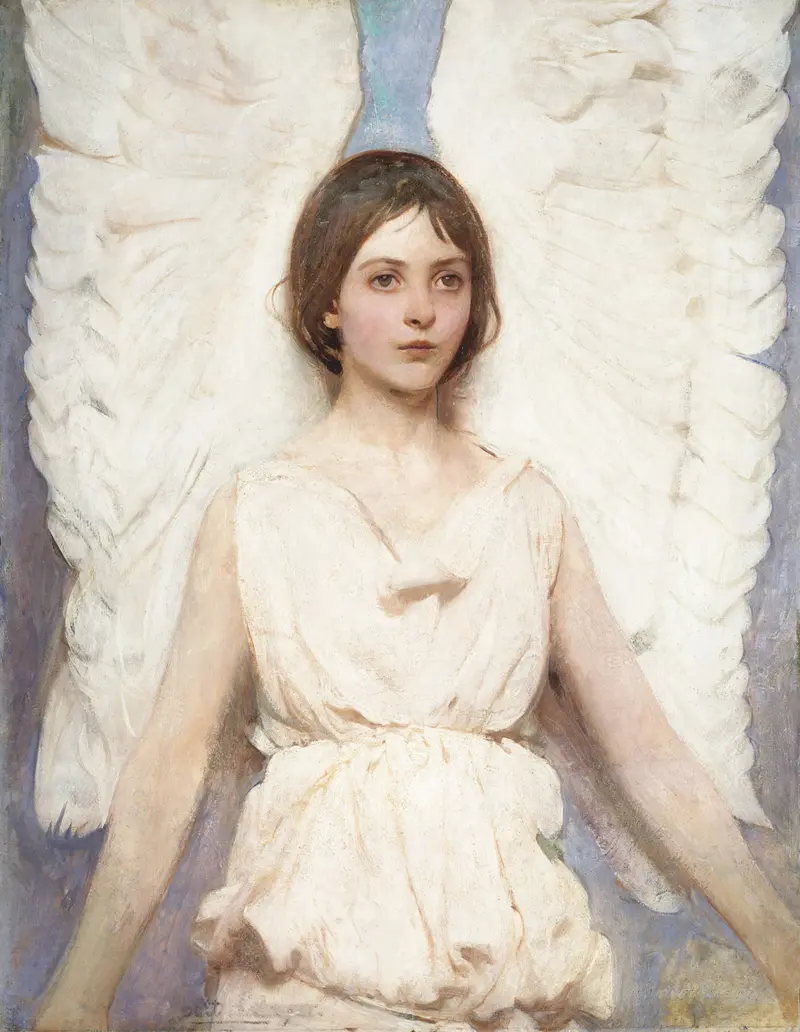
Angel
Abbott Handerson Thayer

Mount Monadnock
Abbott Handerson Thayer
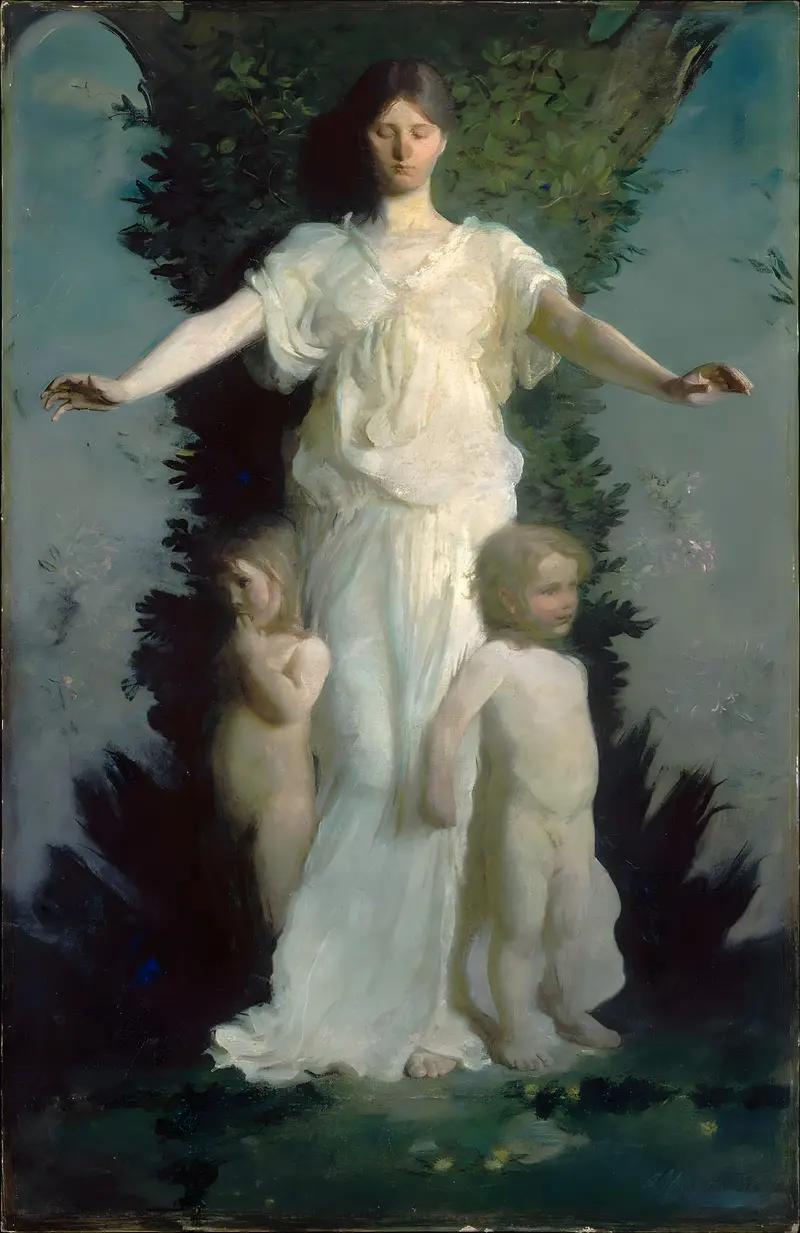
Caritas
Abbott Handerson Thayer

Winter, Monadnock
Abbott Handerson Thayer
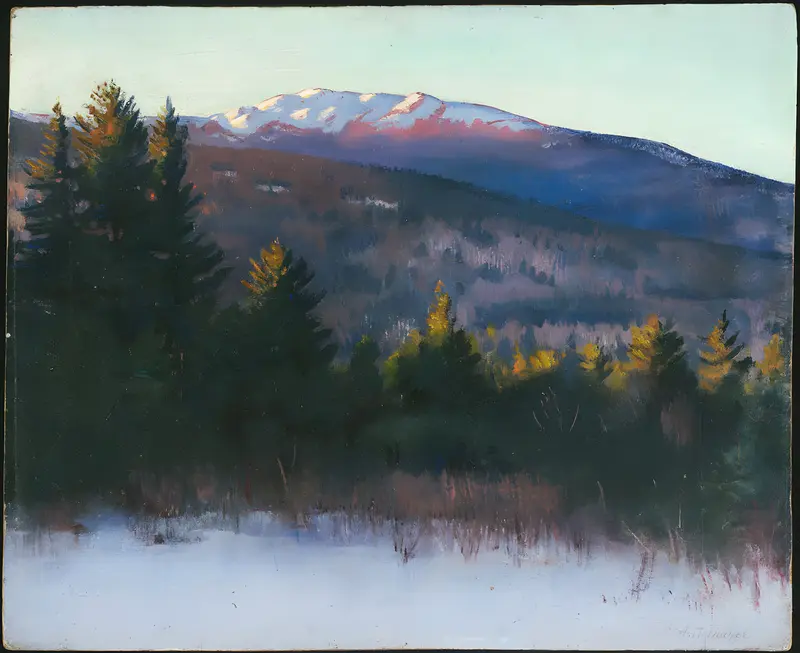
Mount Monadnock
Abbott Handerson Thayer
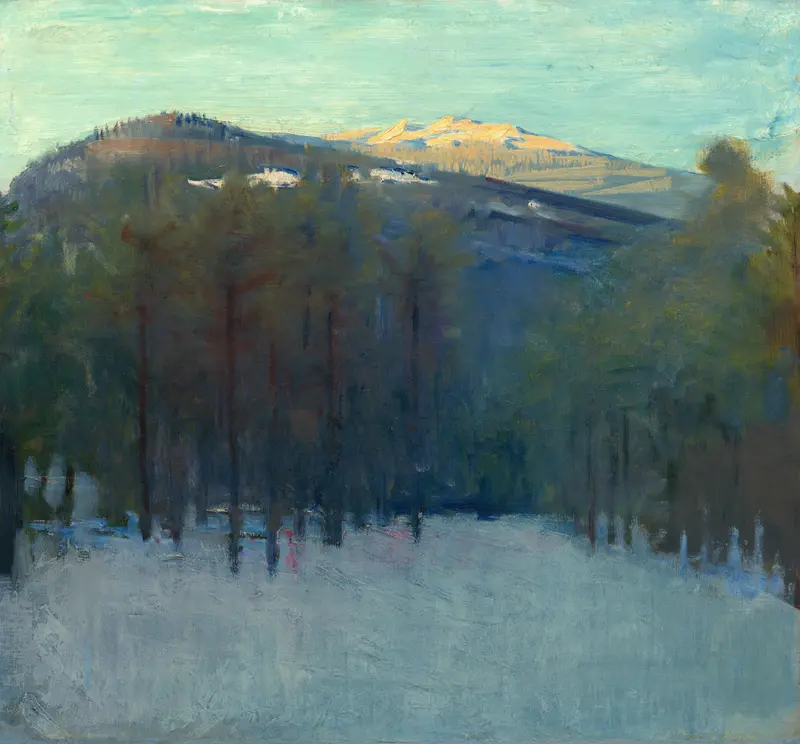
Mount Monadnock
Abbott Handerson Thayer
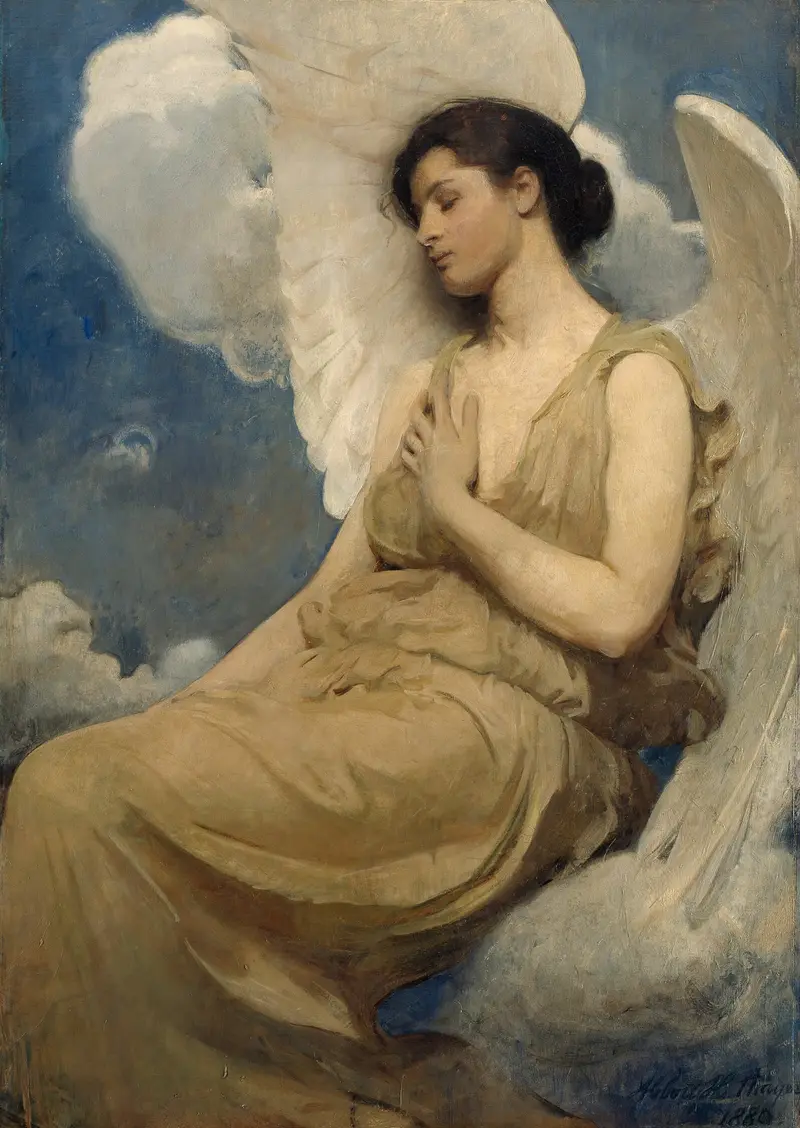
Winged Figure
Abbott Handerson Thayer
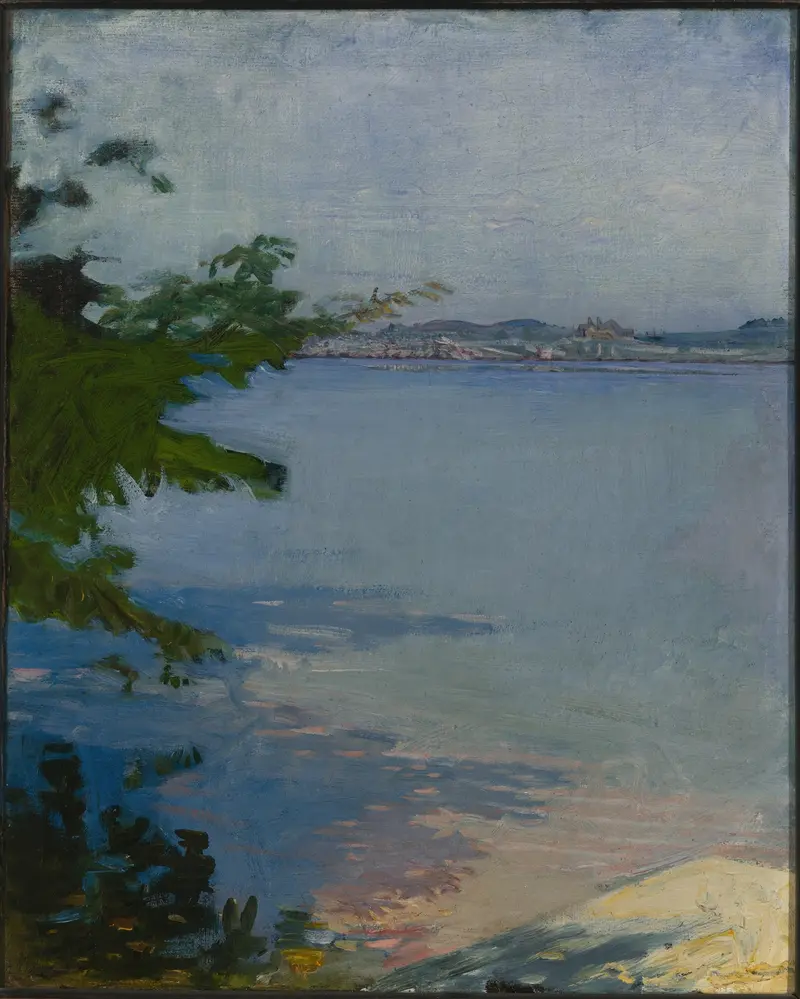
Dublin Pond, New Hampshire
Abbott Handerson Thayer
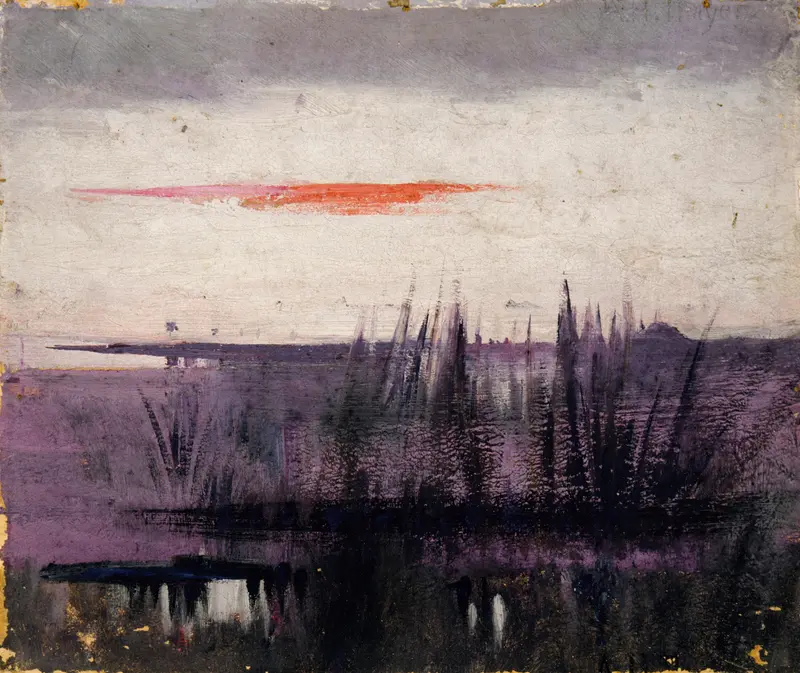
The Sky Simulated By White Flamingoes Study For Book, Concealing Coloration In The Animal Kingdom
Abbott Handerson Thayer
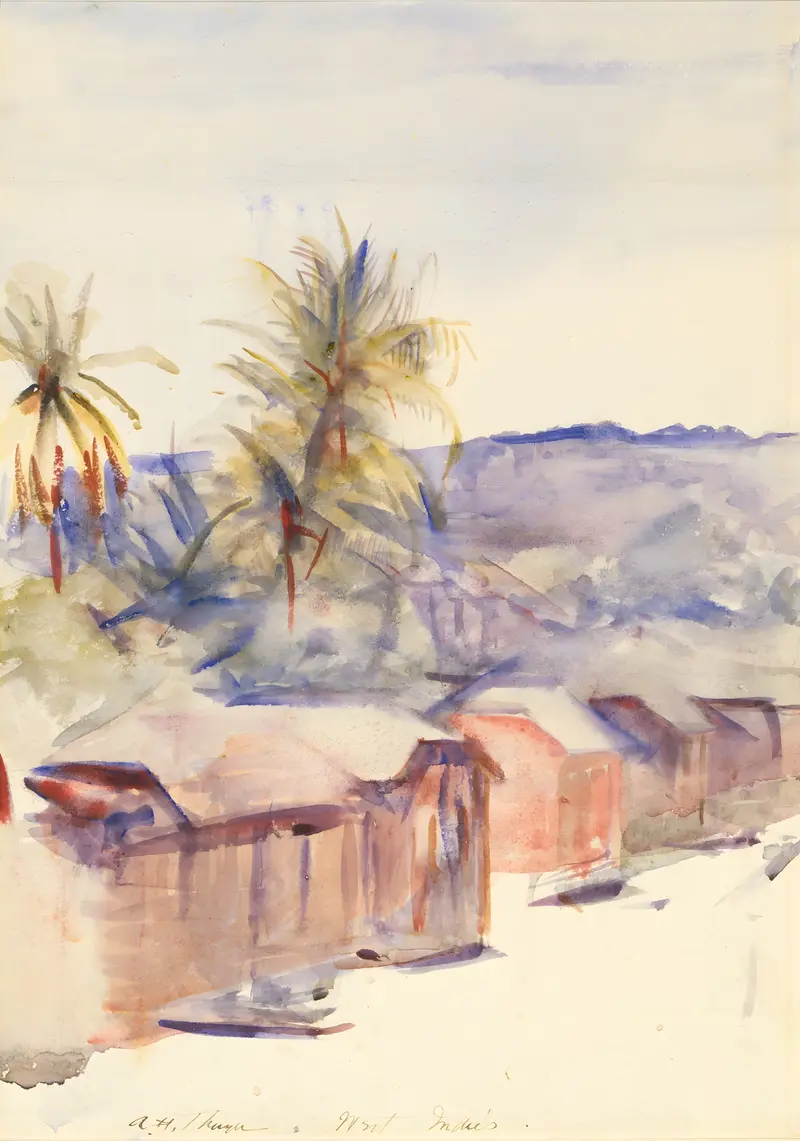
Village Street, Dominica
Abbott Handerson Thayer





