
Spirit of Autumn — History & Facts
When Spirit of Autumn first appeared in 1875, it marked one of the earliest public glimpses of Albert Pinkham Ryder’s unique vision—a vision that would later make him a cult figure among American painters. The work’s debut was met with curiosity, as Ryder’s style, already distinct from his contemporaries, seemed to float between dream and reality. Unlike many of his later, heavily reworked canvases, this early painting is shrouded in mystery regarding its medium and technique, fueling ongoing debate among scholars about how Ryder achieved its haunting surface.
The painting’s whereabouts for much of the twentieth century remain uncertain, adding to its enigmatic reputation. At the heart of Spirit of Autumn is a solitary female figure, draped in flowing garments, moving through a woodland landscape ablaze with the warm, fading light of the season. The moment Ryder chose is neither the height of summer nor the chill of winter, but the delicate threshold when leaves turn and the air thickens with change. The figure’s gesture—arms slightly raised, head bowed—suggests both a farewell and a quiet celebration, embodying autumn itself as a spirit in passage.
The golden and russet tones swirl around her, blurring the boundary between figure and forest, a device reminiscent of George Inness’s landscapes, though Ryder’s treatment is more inward and symbolic. The painting’s mood invites the viewer to linger, to sense the melancholy beauty of transition. As an object, Spirit of Autumn stands at the beginning of Ryder’s lifelong obsession with mythic and allegorical subjects. Its early date places it before his later, famously thick and experimental paint surfaces, making it a rare glimpse into his formative years.
The painting’s provenance is incomplete—no records of a specific patron or exhibition survive from its first years, and its medium remains undocumented, though it is likely oil on canvas. Today, Spirit of Autumn is recognized as a key work in tracing the development of Albert Pinkham Ryder’s style, bridging the gap between the realism of the Hudson River School and the moody symbolism that would define his mature career. Its current location is not widely publicized, adding another layer to its elusive legacy.
More Artworks by Albert Pinkham Ryder

The Toilers of the Sea
Albert Pinkham Ryder
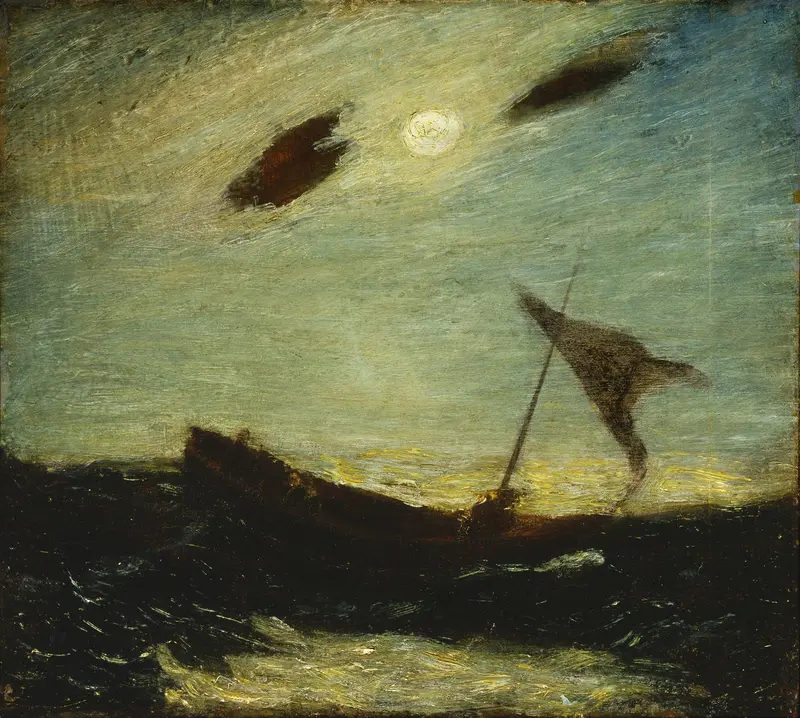
Moonlight
Albert Pinkham Ryder
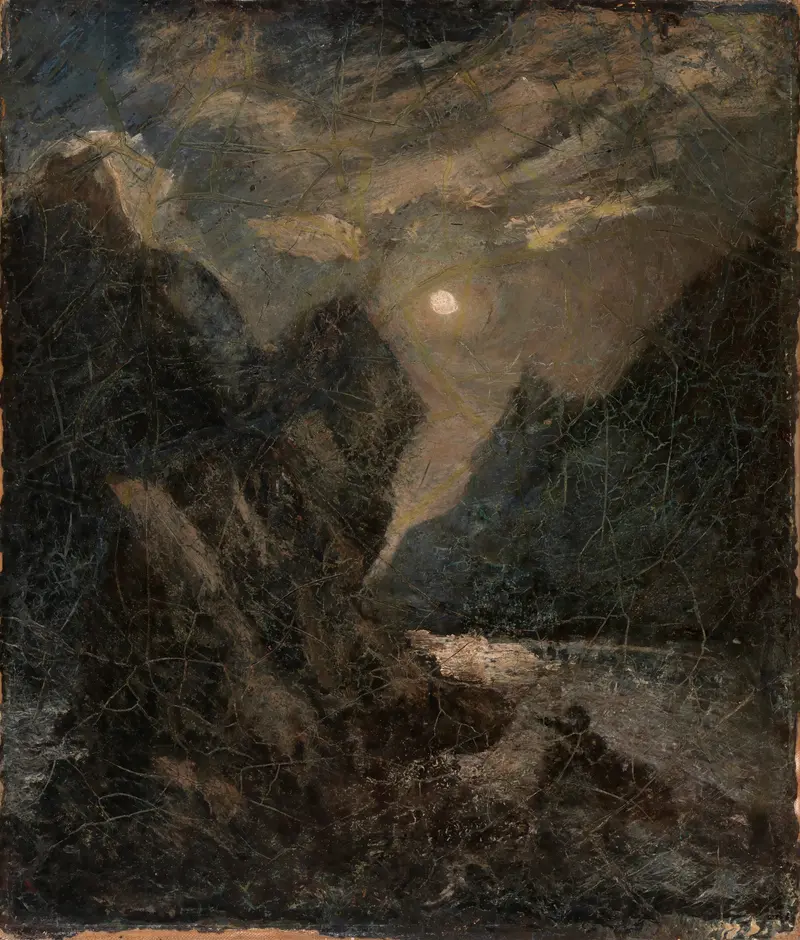
The Lorelei
Albert Pinkham Ryder
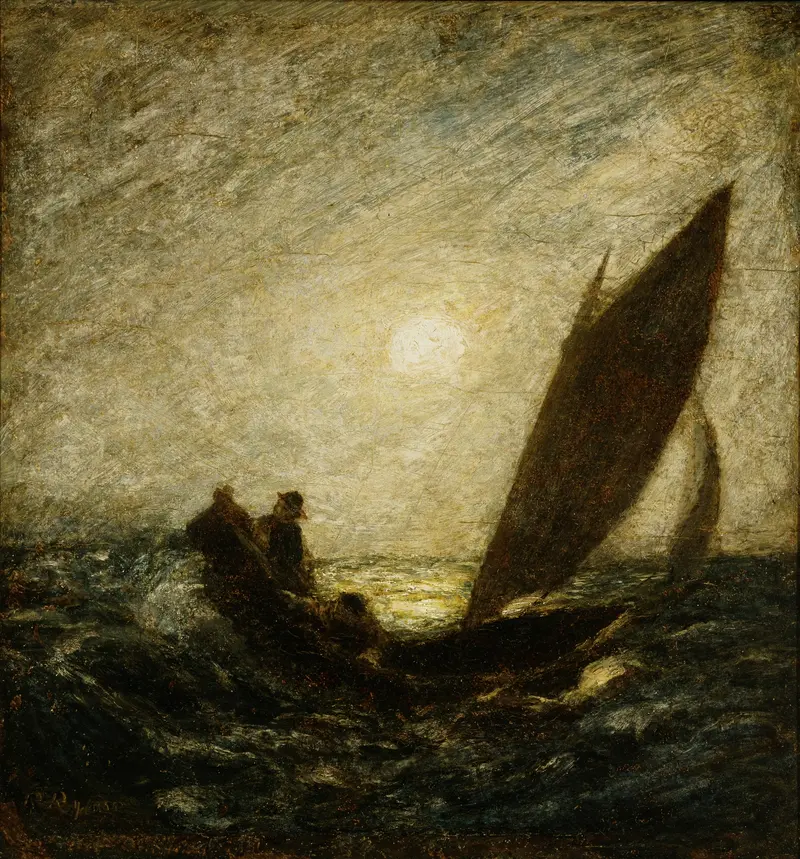
With Sloping Mast And Dipping Prow
Albert Pinkham Ryder
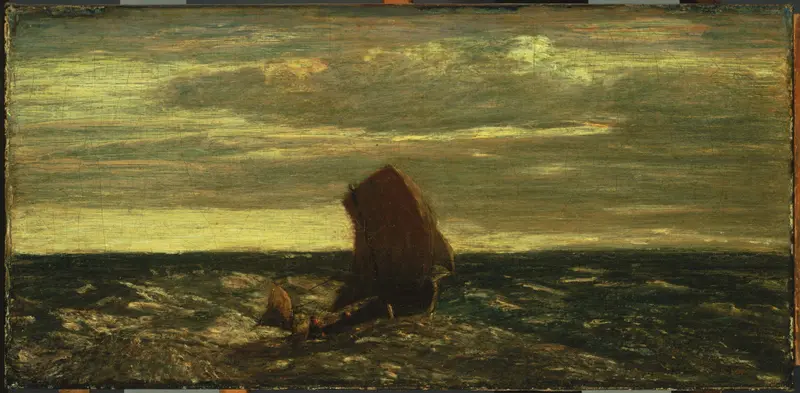
Homeward Bound
Albert Pinkham Ryder
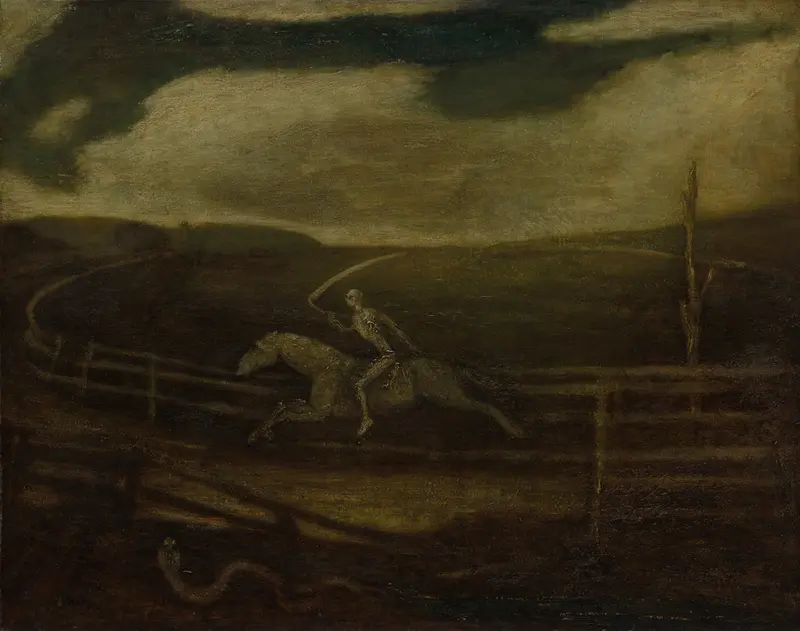
The Race Track (Death on a Pale Horse)
Albert Pinkham Ryder
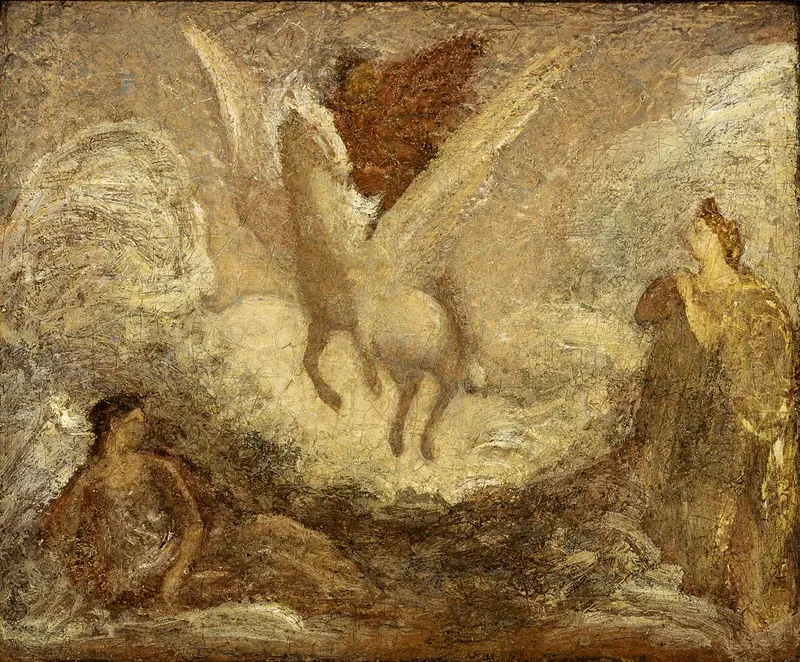
Pegasus Departing
Albert Pinkham Ryder
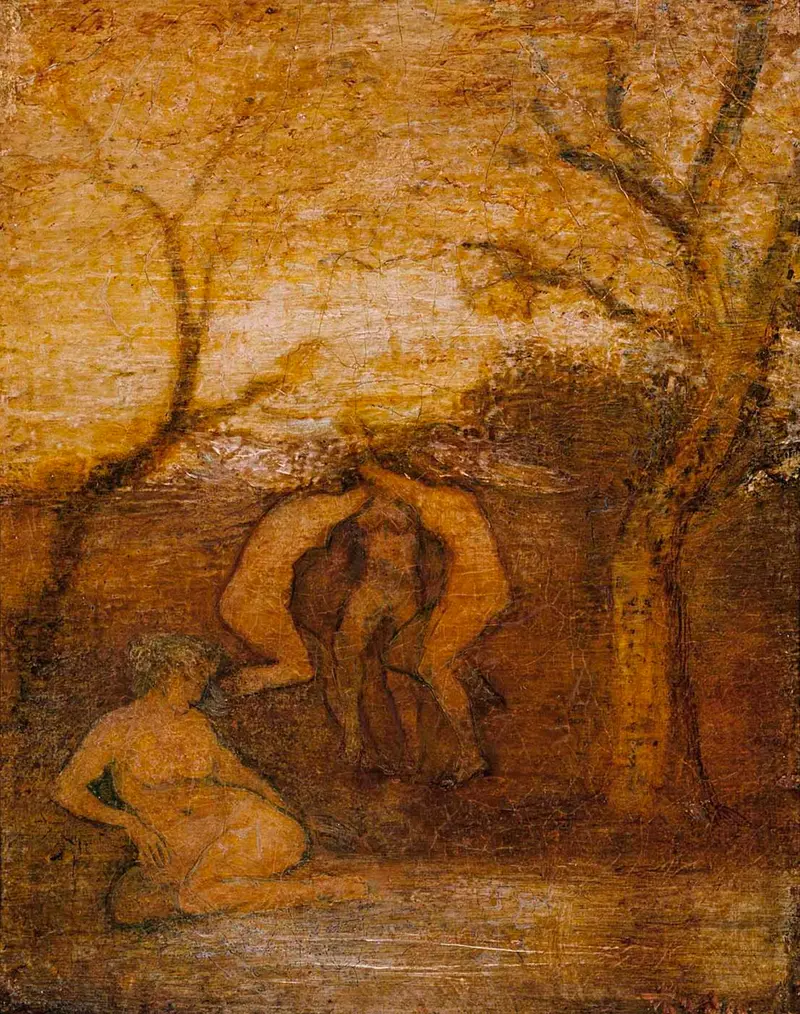
Dancing Dryads
Albert Pinkham Ryder
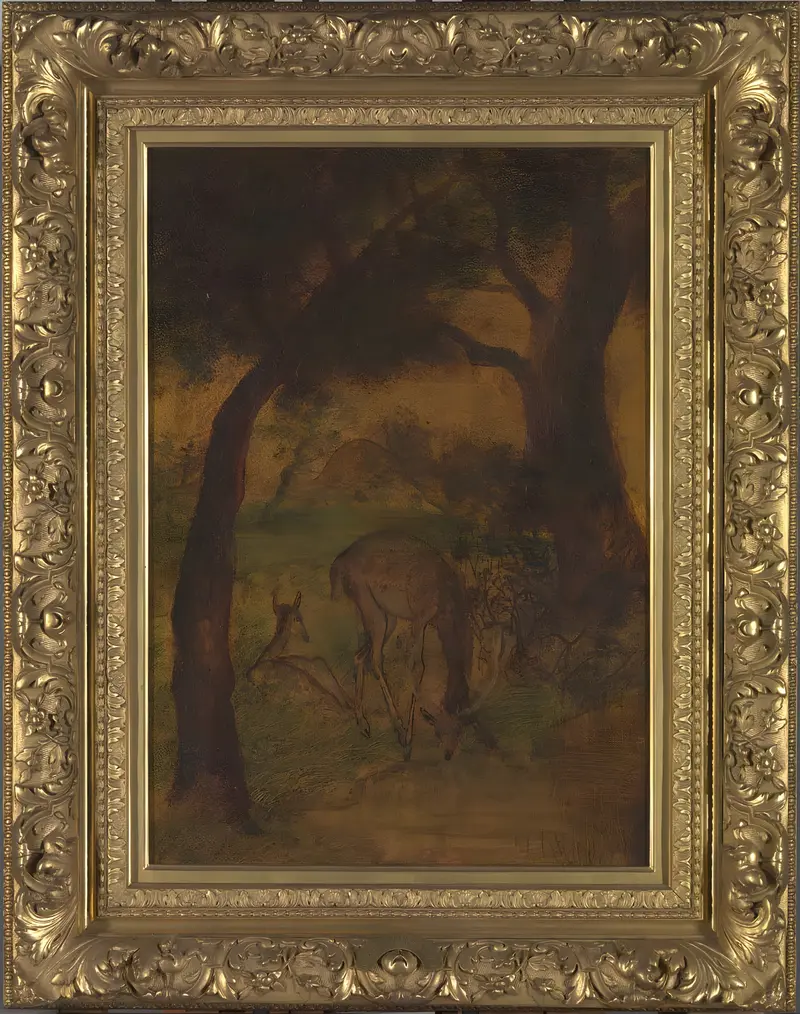
A Stag Drinking
Albert Pinkham Ryder
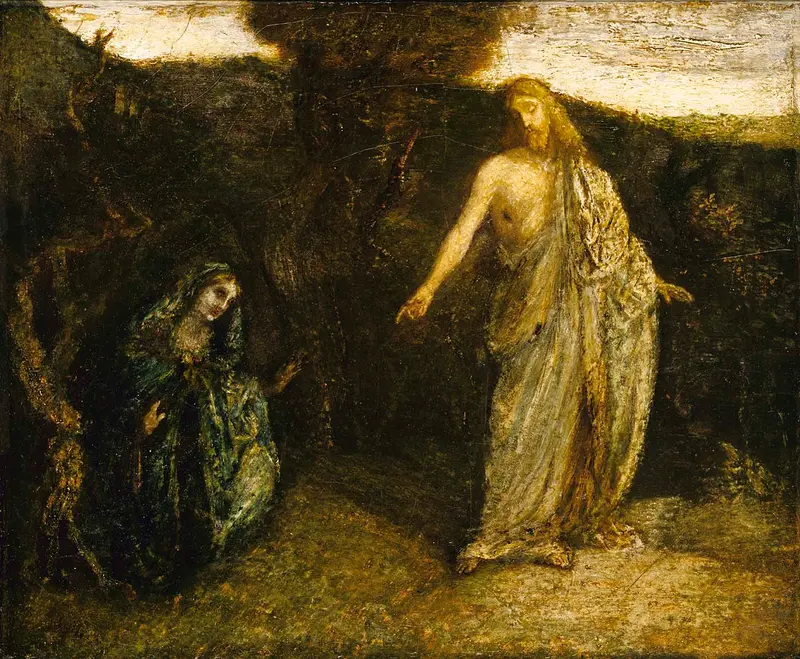
Christ Appearing to Mary
Albert Pinkham Ryder



