
Spišský hrad — History & Facts
What if beauty was never meant to be finished? In the haunting stillness of Spišský hrad, the remnants of a grand fortress rise defiantly against a turbulent sky, suggesting a beauty marred by the scars of history and violence. Look to the left, where the jagged silhouette of the castle looms, its stark edges contrasting sharply with the soft hues of the dawn. The artist masterfully plays with light, allowing the fading sunlight to kiss the stone walls, illuminating their weathered textures while casting deep shadows that hint at darker narratives. Focus on the foreground, where tangled vegetation intertwines with the ruins, emphasizing nature’s relentless reclamation and the passage of time. Within this composition, emotional tension simmers beneath the surface.
The castle, once a symbol of power, now stands as a testament to destruction and abandonment; it embodies the duality of beauty and decay. The vibrant colors of the sky clash with the somber stone, reflecting the violence that has etched itself into the very fabric of the structure. Each brushstroke evokes a silent echo of battles fought, a reminder that beauty often emerges from chaos. In 1923, Ľudovít Čordák painted this work during a period when the world was grappling with the aftermath of World War I.
Living in Slovakia, he sought to capture the essence of his homeland's landscapes, where historical scars run deep. As the art world shifted towards modernism, he remained rooted in a realism that conveyed emotional depth, making Spišský hrad a poignant reflection of both personal and collective histories.
More Artworks by Ľudovít Čordák
Browse all →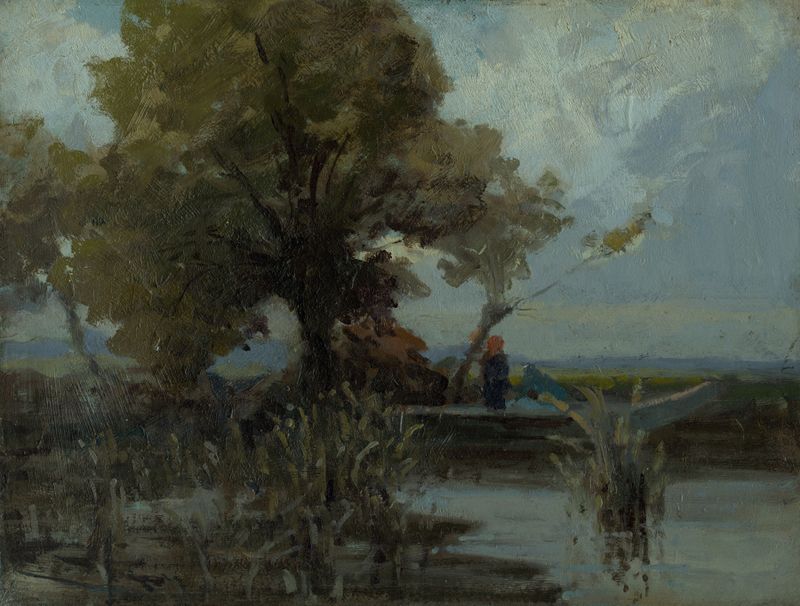
Košatý strom pri jazere
Ľudovít Čordák
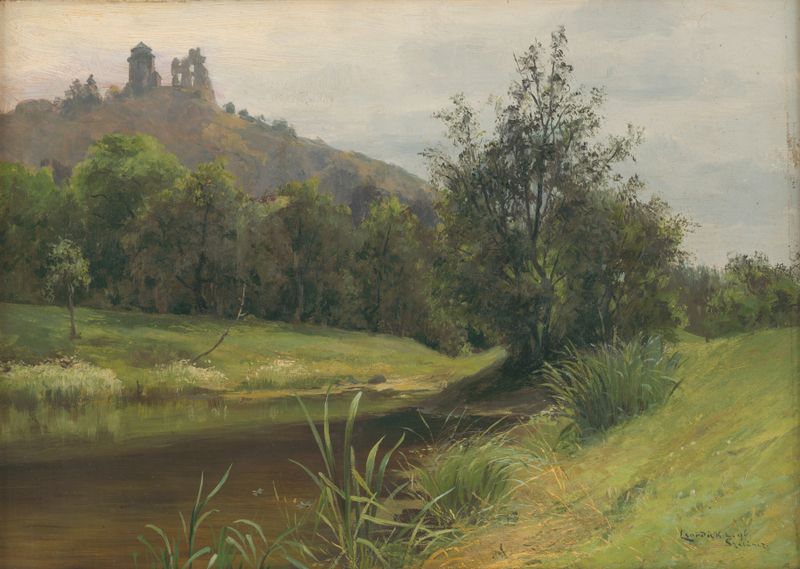
Močarina pod Slaneckým hradom
Ľudovít Čordák
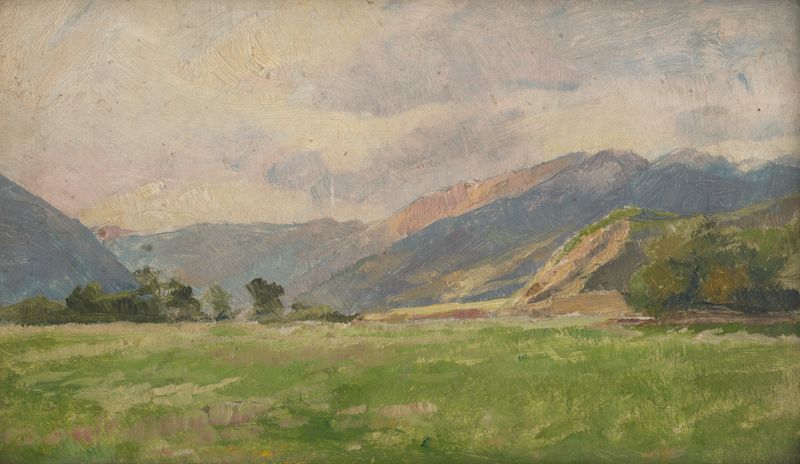
Mountain Meadow
Ľudovít Čordák
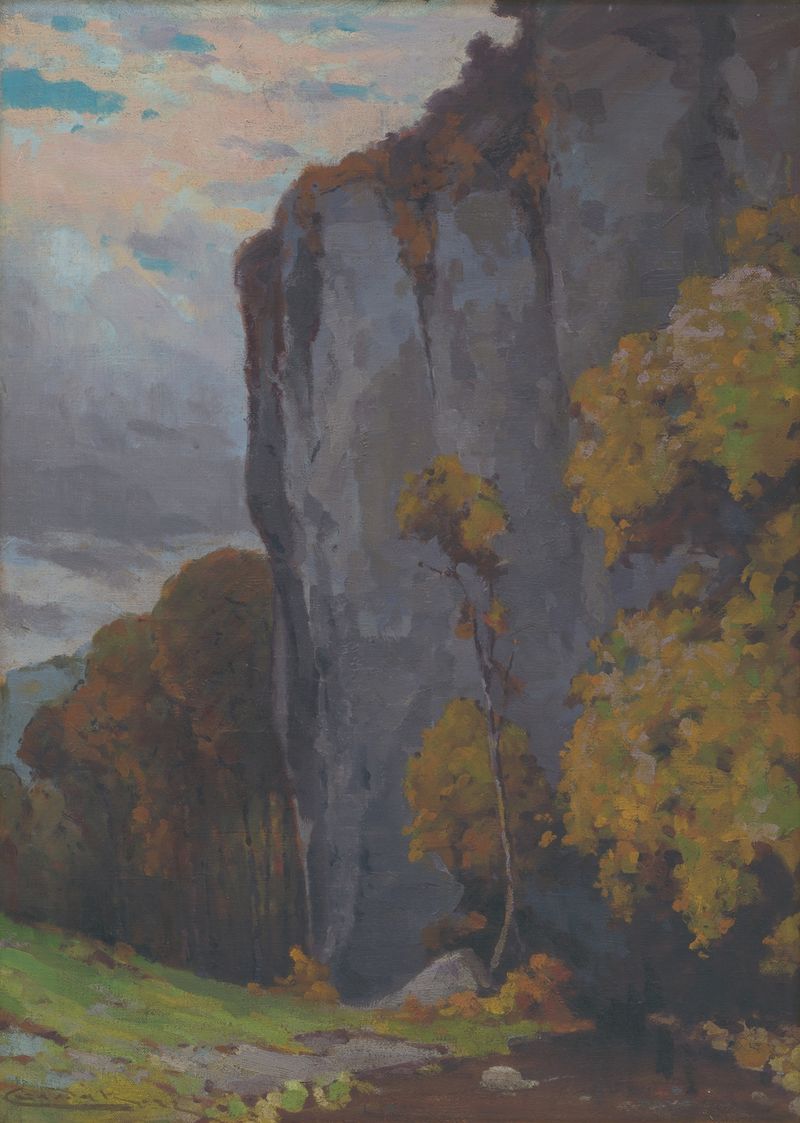
Zádiel
Ľudovít Čordák
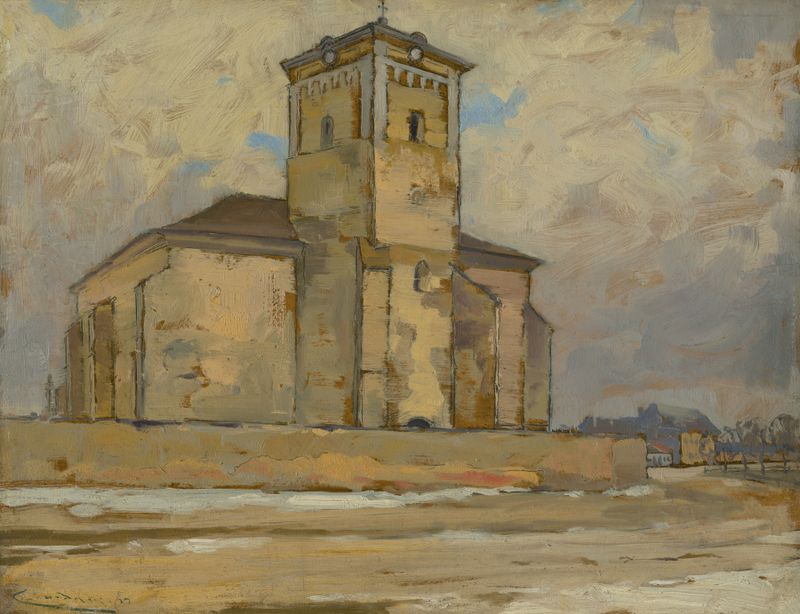
Church in Moldova
Ľudovít Čordák
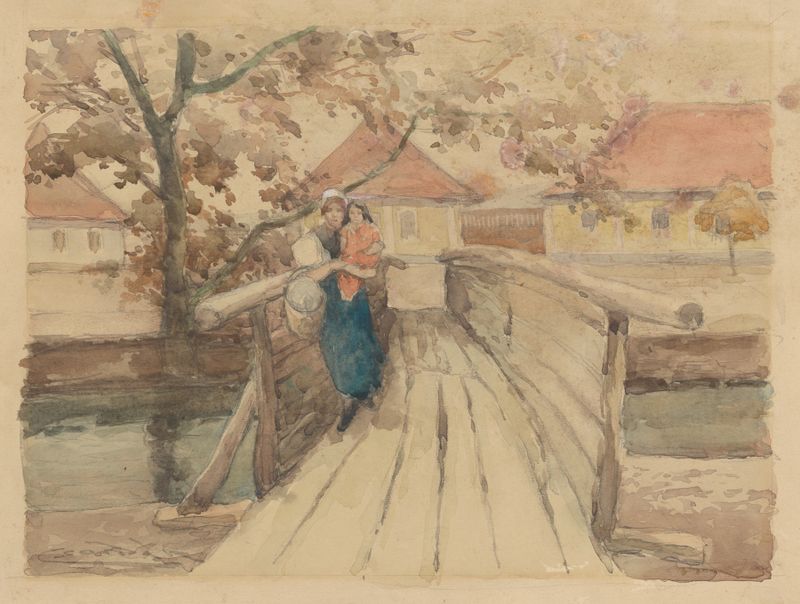
Wooden bridge
Ľudovít Čordák
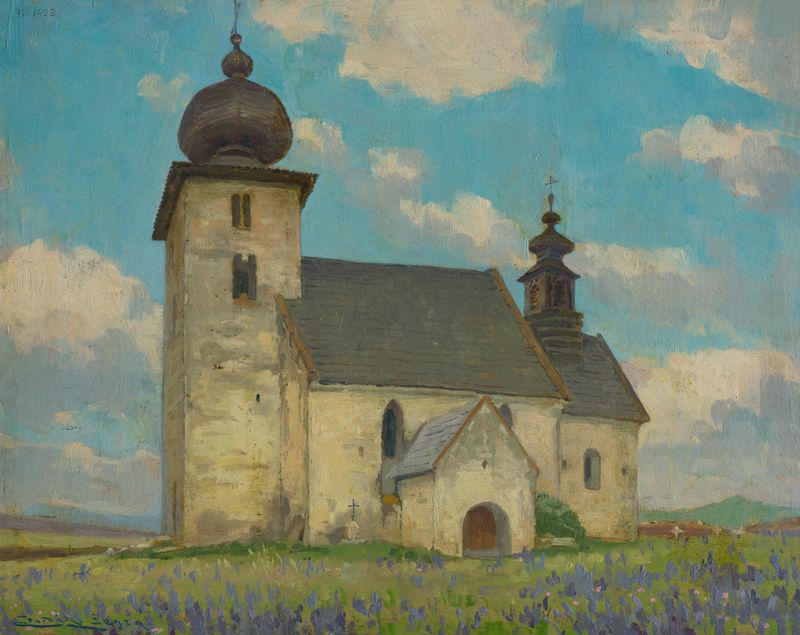
Gothic church in Žehra
Ľudovít Čordák
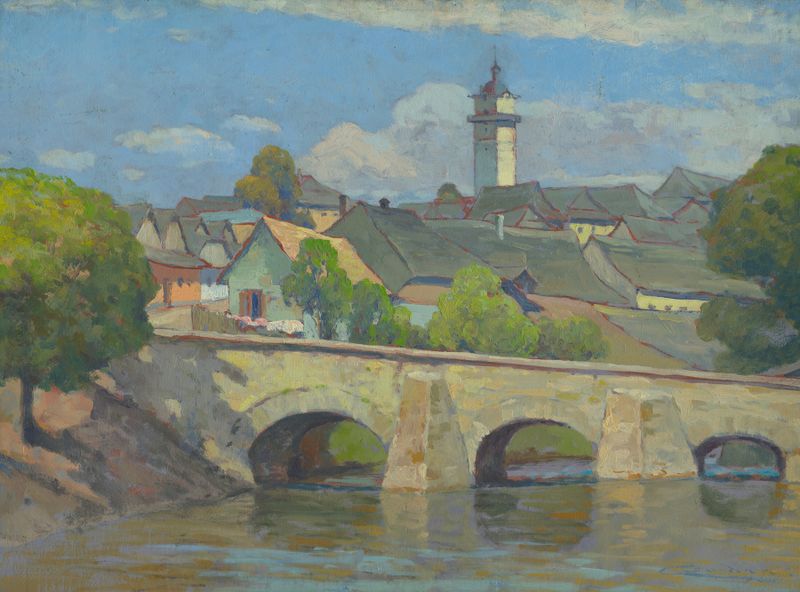
A small town in Spiš
Ľudovít Čordák
At Sunset
Ľudovít Čordák
Forest
Ľudovít Čordák





