
Spišská Kapitula — History & Facts
When did color learn to lie? Perhaps in this moment, time folds upon itself, revealing the past and present in the layered strokes of a canvas. The hues evoke nostalgia, yet they whisper secrets of the awaited future, inviting the viewer into a dialogue that transcends the ordinary. Look to the top left at the grand expanse of sky, the deep blues contrasting with the soft, muted tones of the architecture that anchors the scene. The artist expertly employs a rich palette, where ochres and greens intermingle, illustrating the intricate textures of the historic structures and the surrounding landscape.
As your gaze travels down, the interplay of light and shadow enhances the scene's dimensionality, suggesting both reverence and decay in the passage of time. Delve deeper, and one can sense the emotional tension between permanence and transience. The sharp lines of the church's spires reach for a timeless spirituality while the earth tones hint at the gradual erosion of memory. Each brushstroke carries a weight, capturing not just the physical presence of the architecture but also a profound yearning for remembrance and the fleeting nature of existence itself. In 1912, the artist created this work during a period of significant change in Central Europe, where national identities and art movements were in flux.
Living in the region of Slovakia, Čordák was influenced by both the burgeoning modernist trends and the historical narratives that shaped his homeland. The painting reflects his desire to reconcile the past with the aspirations of the future, a theme resonant in the art world of his time.
More Artworks by Ľudovít Čordák
Browse all →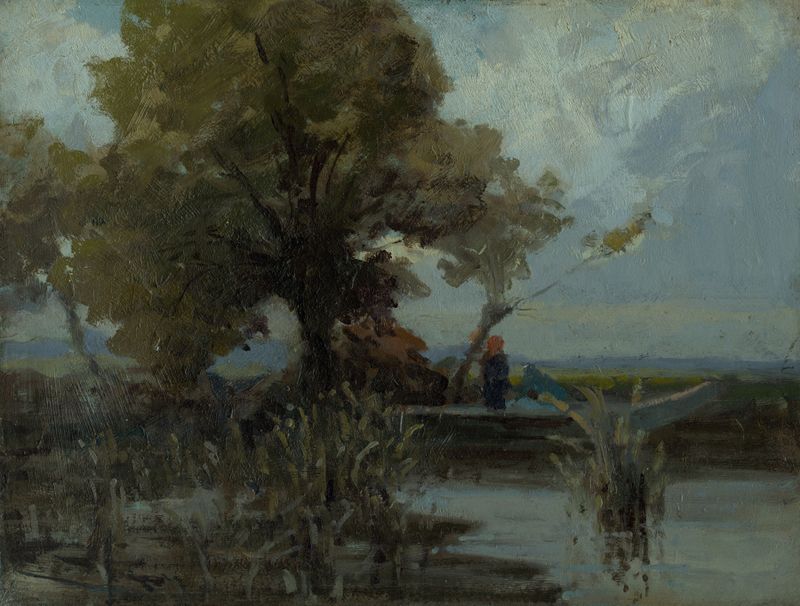
Košatý strom pri jazere
Ľudovít Čordák
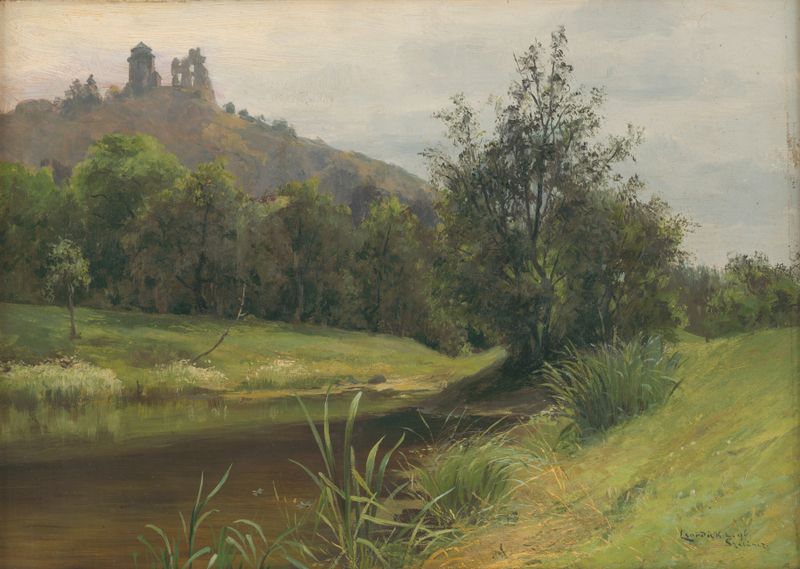
Močarina pod Slaneckým hradom
Ľudovít Čordák
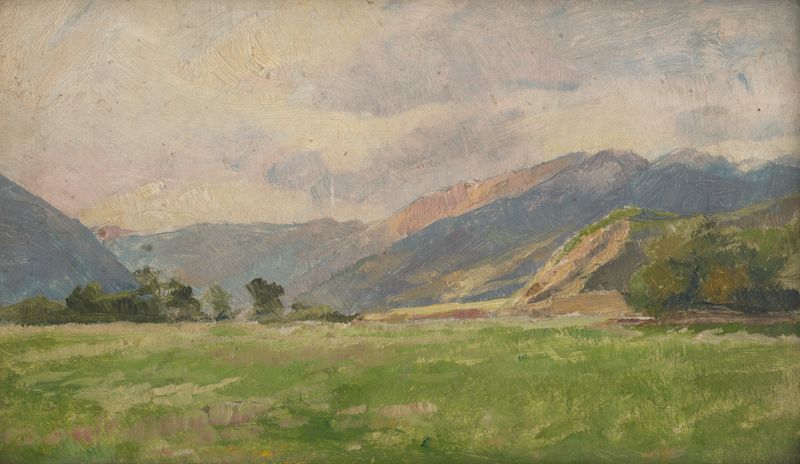
Mountain Meadow
Ľudovít Čordák
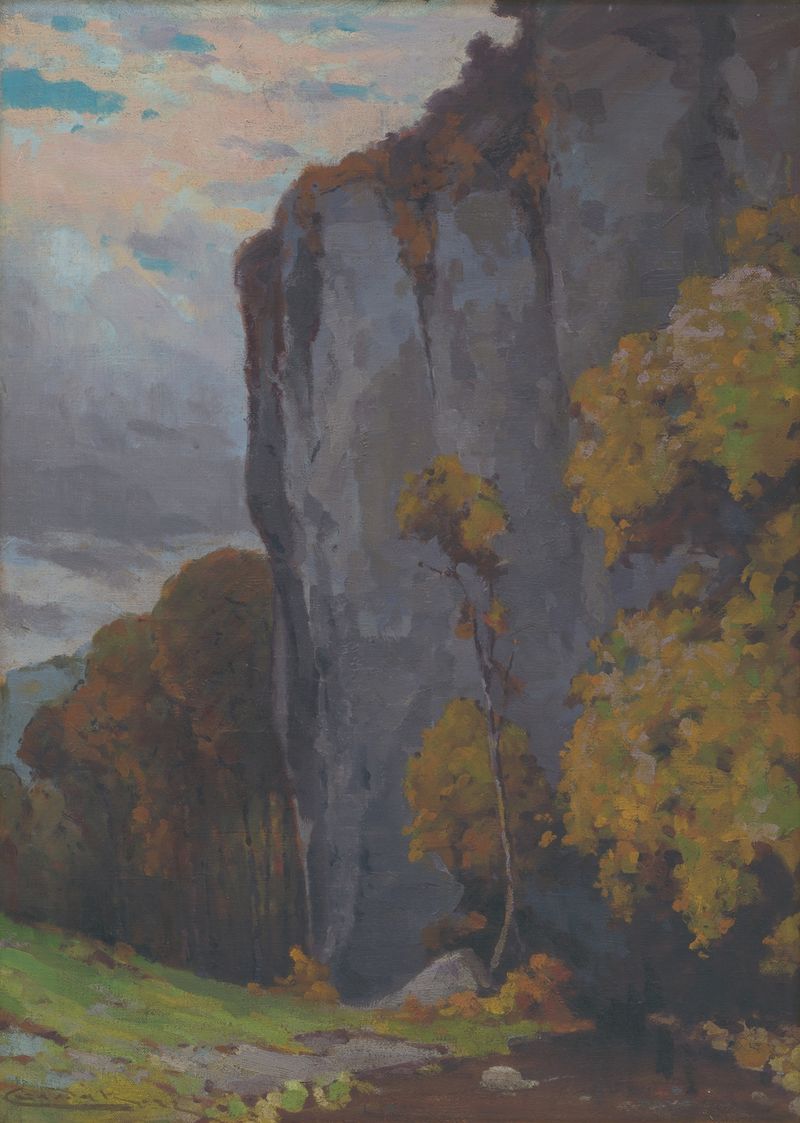
Zádiel
Ľudovít Čordák
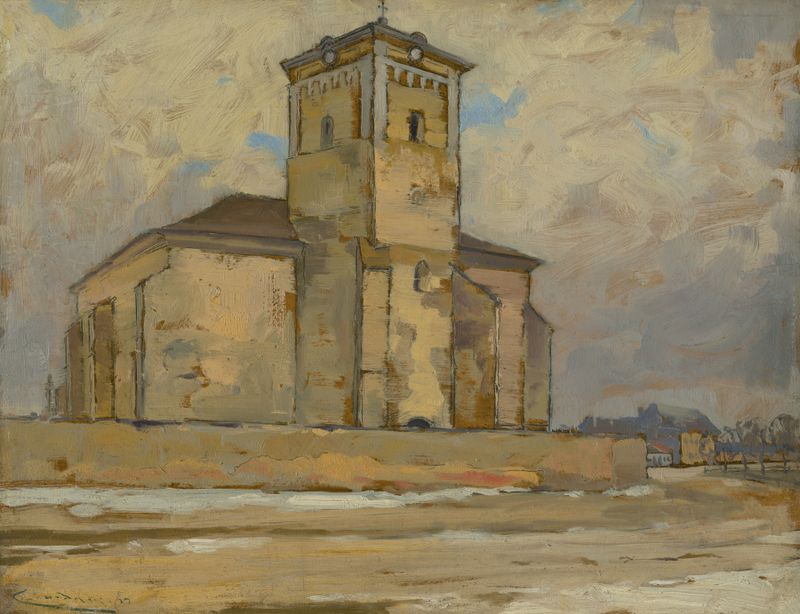
Church in Moldova
Ľudovít Čordák
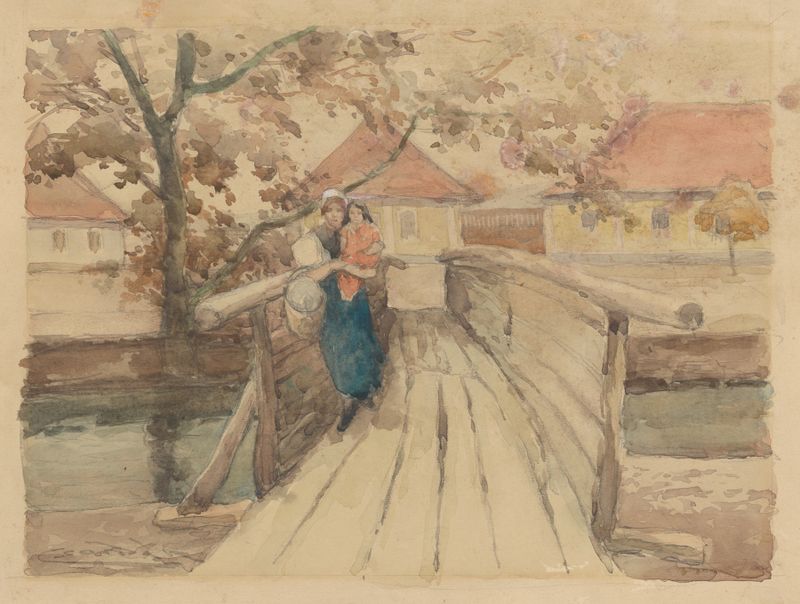
Wooden bridge
Ľudovít Čordák
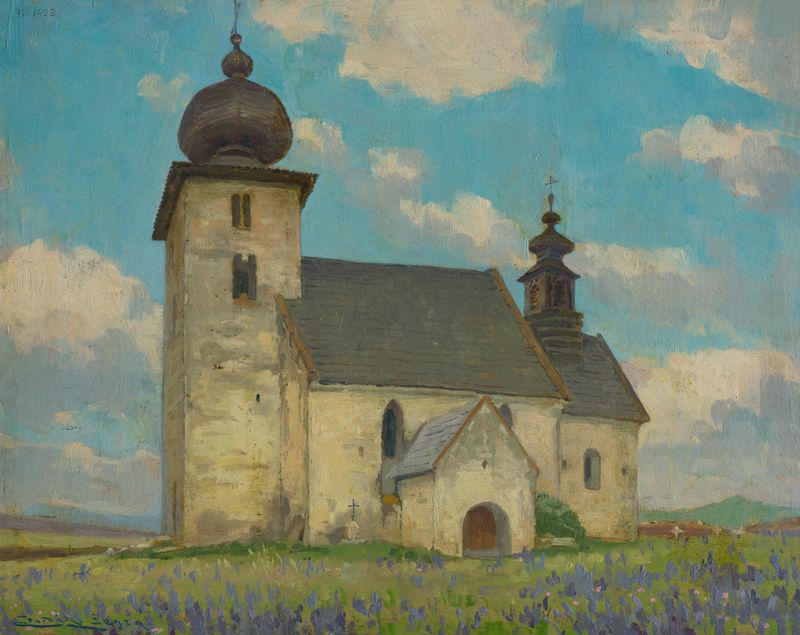
Gothic church in Žehra
Ľudovít Čordák
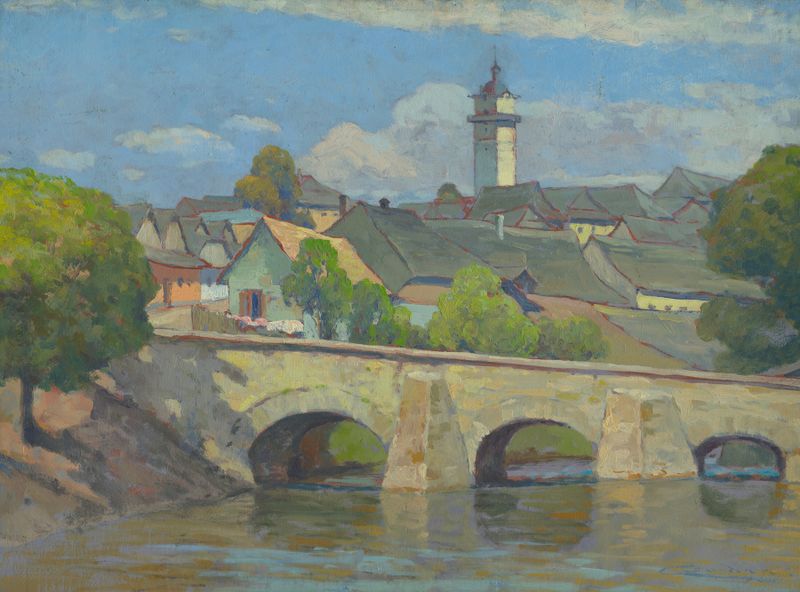
A small town in Spiš
Ľudovít Čordák
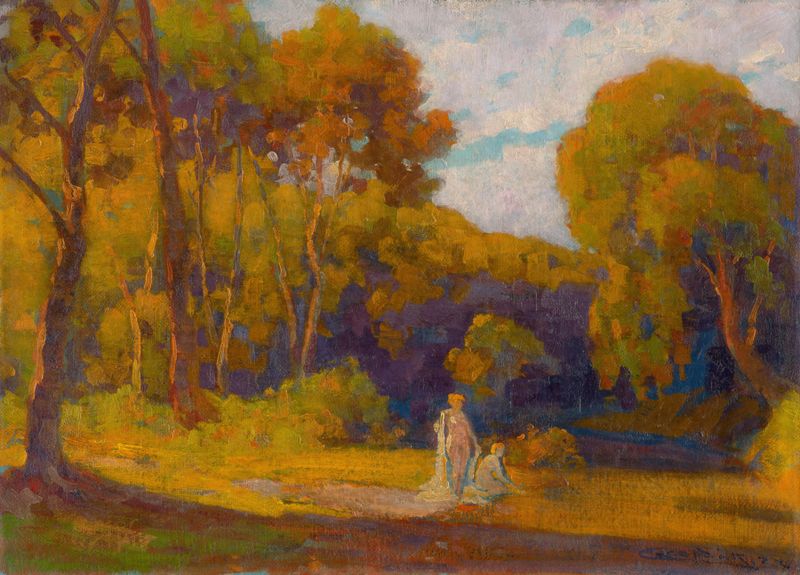
At Sunset
Ľudovít Čordák
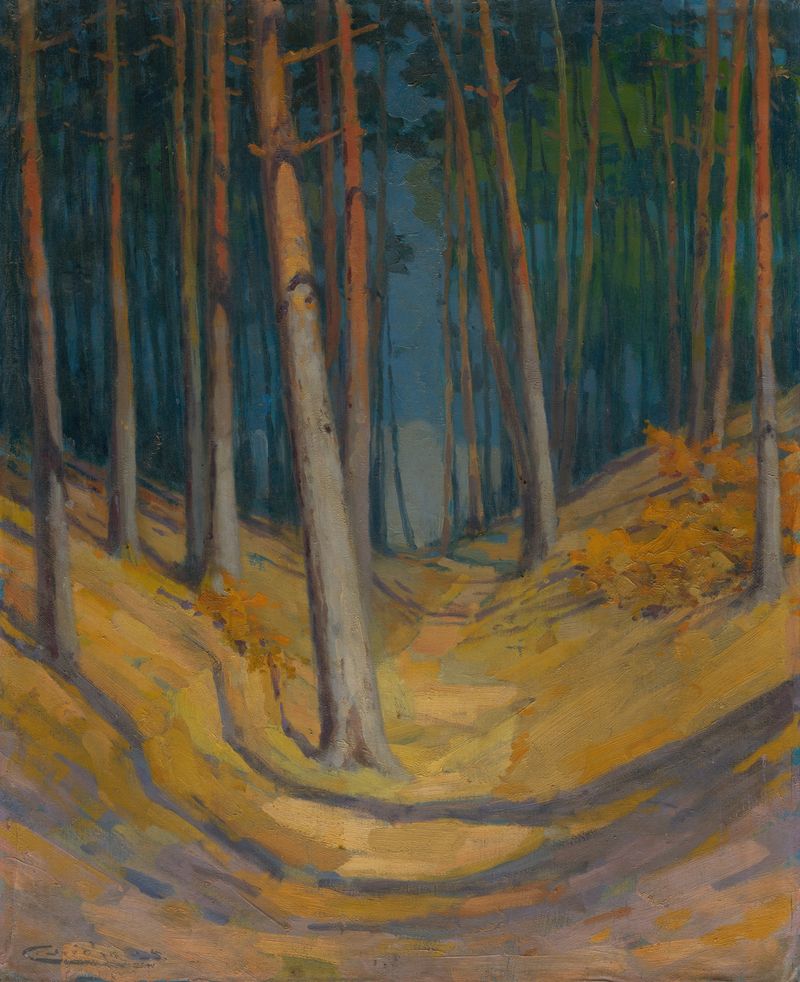
Forest
Ľudovít Čordák





