
Spotprent op de Actionisten van 1720 — History & Facts
Can beauty exist without sorrow? The striking juxtaposition of violence and artistry invites contemplation in Spotprent op de Actionisten van 1720. Look closely at the central tableau where figures writhe in dramatic postures, their faces contorted with pain and outrage. The artist employs a muted palette, dominated by sepia and grey, which heightens the sense of foreboding. Notice how the shadows deepen around the figures, casting an oppressive atmosphere that resonates with the violence implied in their expressions.
The sharp lines and exaggerated limbs draw the viewer’s gaze to the chaos, demanding an emotional response. Embedded within this scene are profound tensions—between the grotesque and the beautiful, the past and the present. The physical disarray of these figures contrasts sharply with the meticulous detail of their surroundings, suggesting a world where aesthetics coexist with brutality. The artist subtly asks us to ponder the role of violence in shaping human experience, inviting us to reflect on its omnipresence throughout history. Cornelis Anthonisz.
painted this work in 1720 during a period of political upheaval in the Netherlands. The early 18th century was characterized by tensions between various factions, and the violence portrayed here may reflect the societal unrest of his time. Anthonisz., known for his incisive satirical drawings, used this piece to comment on the fervor and conflict that surrounded him, positioning himself as not just an observer but a participant in the dialogue of his era.
More Artworks by Cornelis Anthonisz.
Browse all →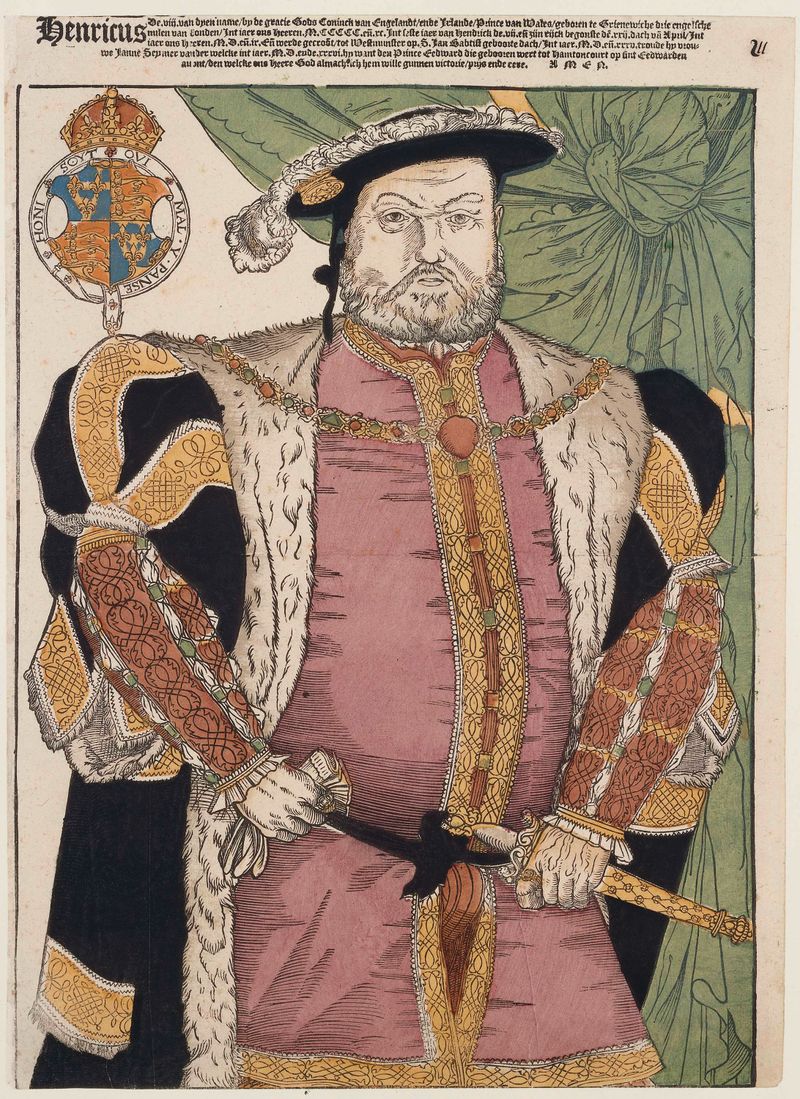
Portret van Hendrik VIII van Engeland
Cornelis Anthonisz.

Portret van Hendrik VIII van Engeland
Cornelis Anthonisz.

Portret van Maarten van Rossum te paard
Cornelis Anthonisz.
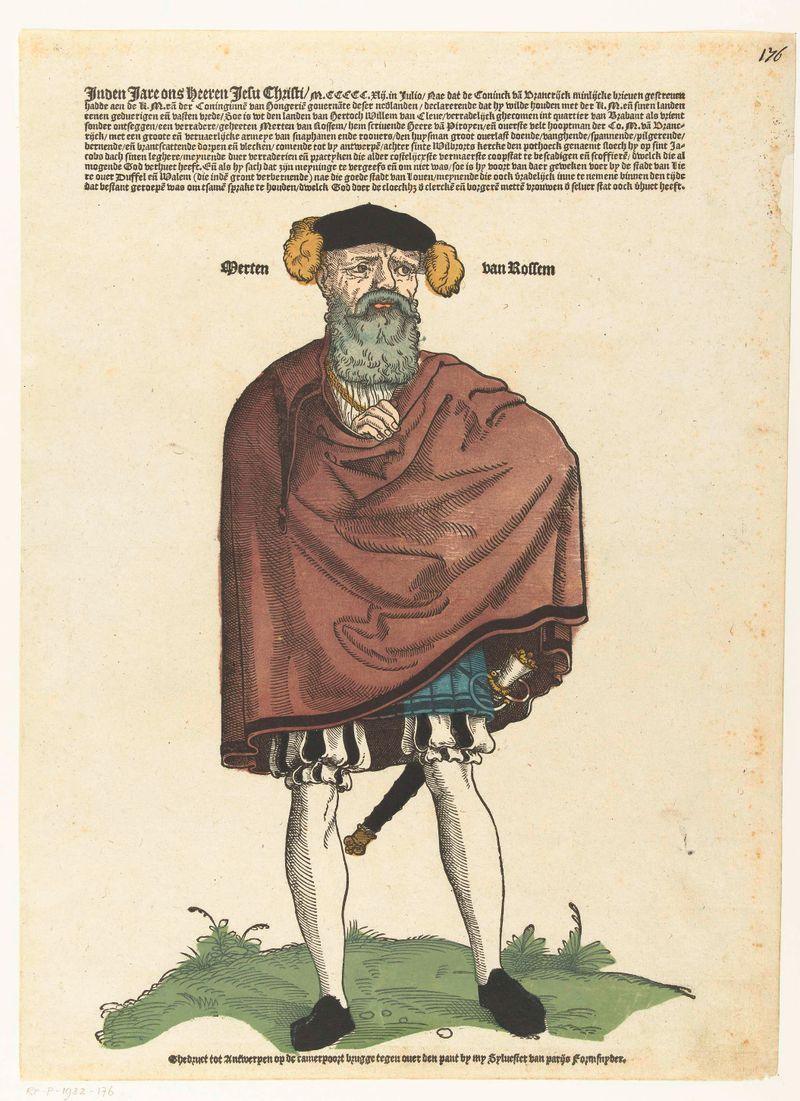
Portret van Maarten van Rossum
Cornelis Anthonisz.

De verloren zoon eet uit de varkenstrog
Cornelis Anthonisz.
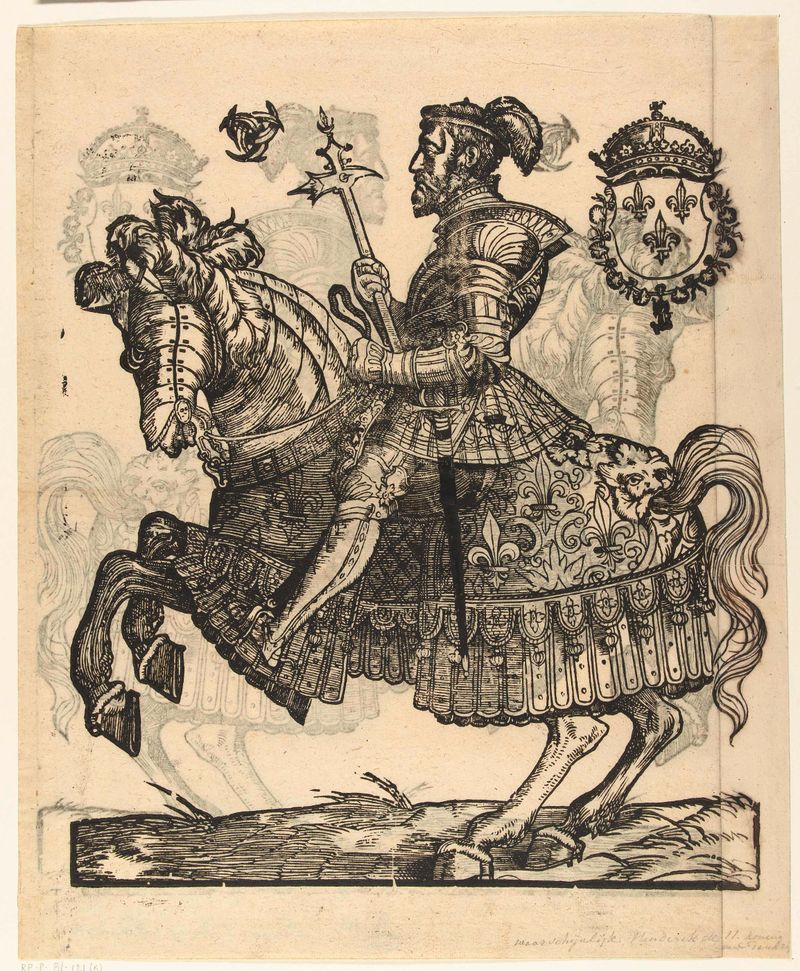
Portret van Hendrik II van Frankrijk te paard
Cornelis Anthonisz.

Portret van hertog Willem van Kleef, Gulik en Berg, graaf van Mark, heer van Ravenstein te paard
Cornelis Anthonisz.

Portret van Karel V te paard
Cornelis Anthonisz.

Portret van Maria van Hongarije te paard
Cornelis Anthonisz.
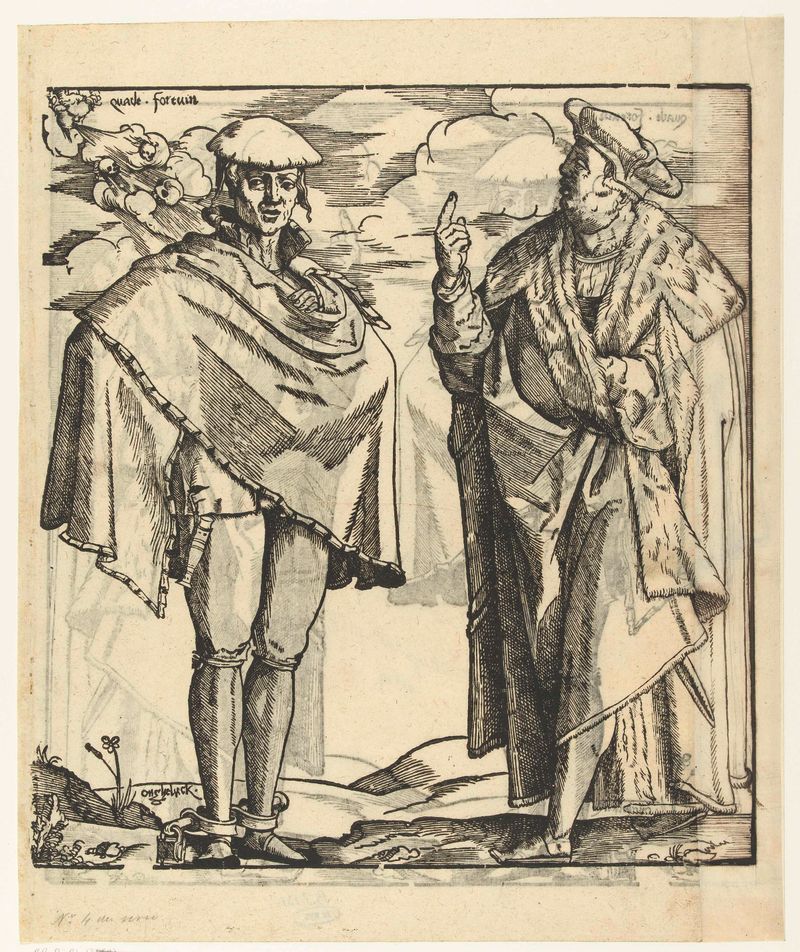
De lichtzinnige jeugd
Cornelis Anthonisz.
More Historical Art
Browse all →
The Night Watch Militia Company of District II under the Command of Captain Frans Banninck Cocq
Rembrandt van Rijn

Lincoln Memorial
Henry Bacon

The Third of May 1808
Francisco de Goya

Isaac and Rebecca, Known as ‘The Jewish Bride’
Rembrandt van Rijn

The Charge of the Mamelukes (1814)
Francisco de Goya

De vier ruiters van de apocalyps
Albrecht Dürer