
Spring — History & Facts
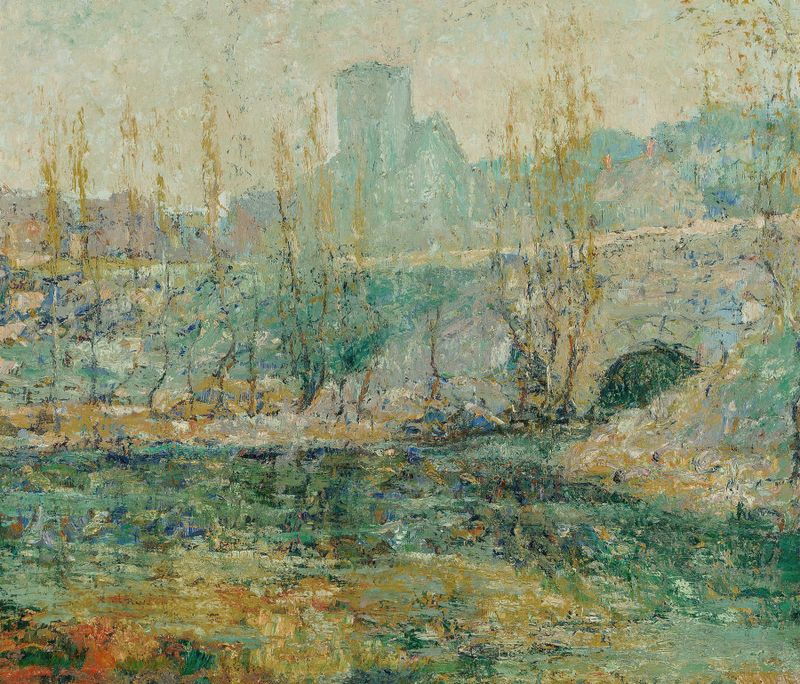
Could beauty survive in a century of chaos? In a time when turmoil often overshadows tranquility, the essence of nature emerges as a resilient reminder of life’s enduring brilliance. Begin by directing your gaze to the vibrant hues of green that dominate the foreground. Notice how the brushstrokes ripple with energy, capturing the essence of a spring landscape teeming with life. The interplay of light and shadow invites you to explore the textured foliage, while hints of lavender and gold beckon in the background, suggesting a glorious awakening from the starkness of winter. Delve deeper into the scene and observe the contrasts at play: the gentle chaos of blooming wildflowers against the calm backdrop of a bright sky.
Each petal dances with the wind, symbolizing the fragile yet persistent nature of hope. The harmonious composition reflects not only the beauty of the season but also hints at the underlying tension between serenity and the chaos of life itself, a juxtaposition that resonates with the viewer on multiple levels. In the context of his life, the artist painted this piece during a period marked by rapid change, likely in the early 20th century. Lawson, a prominent member of the American Impressionist movement, sought solace in the natural world, often drawing inspiration from the suburban landscapes surrounding his New York home.
As art transitioned away from rigid forms to embrace the vibrancy of impressionism, he forged a path that would enable viewers to find beauty even amidst the uncertainties of their times.
More Artworks by Ernest Lawson
Browse all →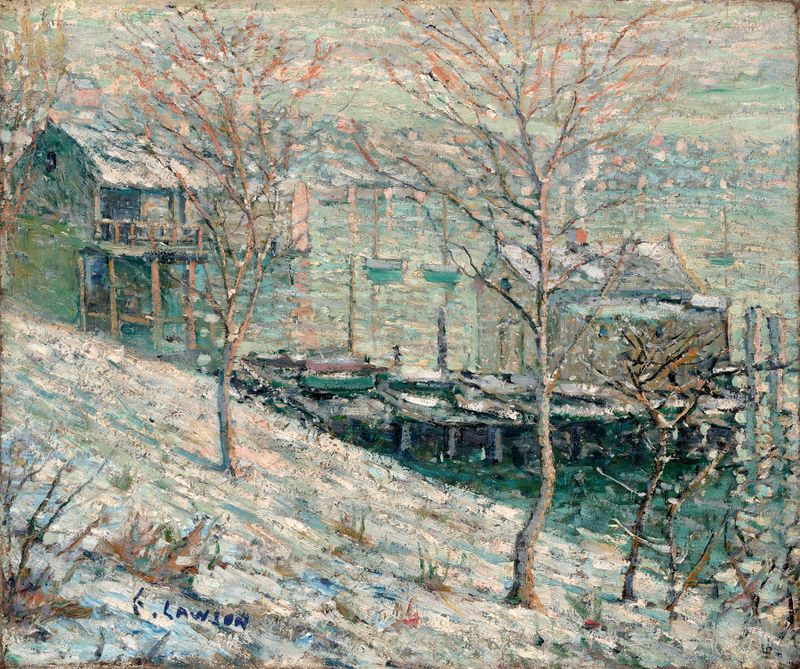
Harlem River Winter Scene
Ernest Lawson

Spring Night, Harlem River
Ernest Lawson

Upper Harlem River—Winter
Ernest Lawson
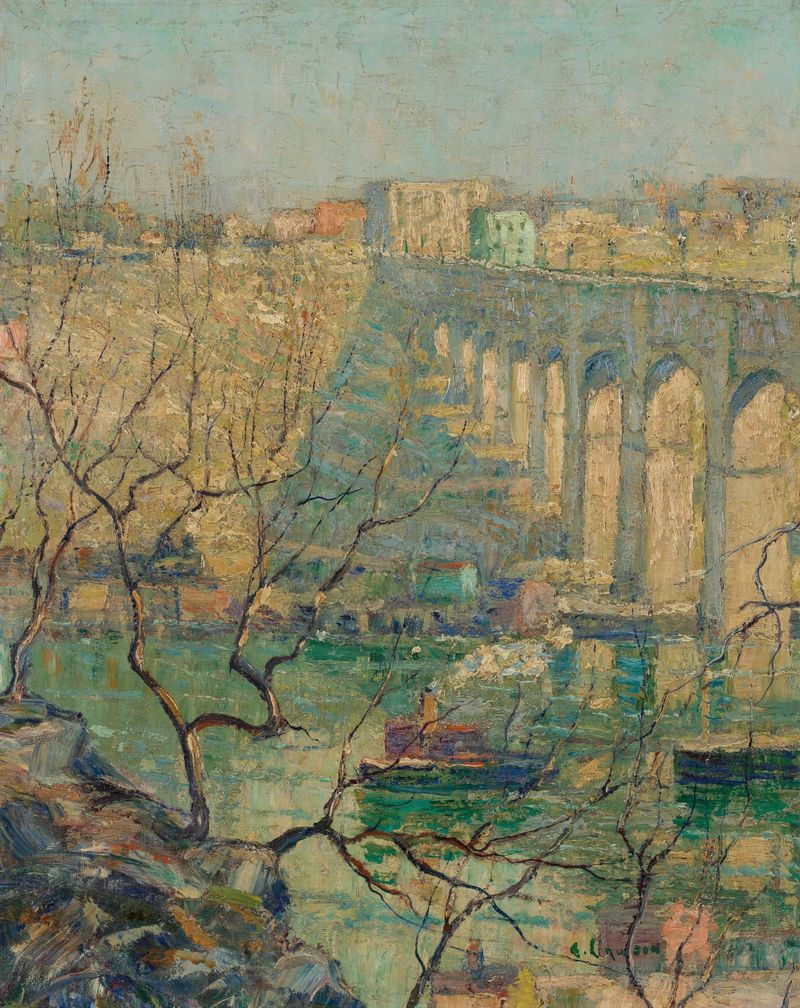
View of the Bridge
Ernest Lawson

A Bright Day, Spain (Segovia)
Ernest Lawson
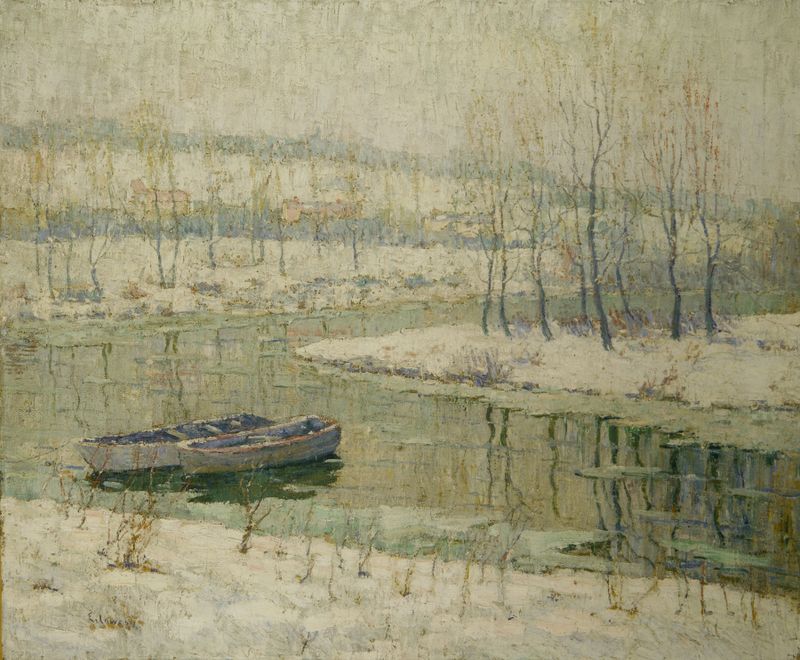
Spring thaw
Ernest Lawson

Road Down the Palisades
Ernest Lawson
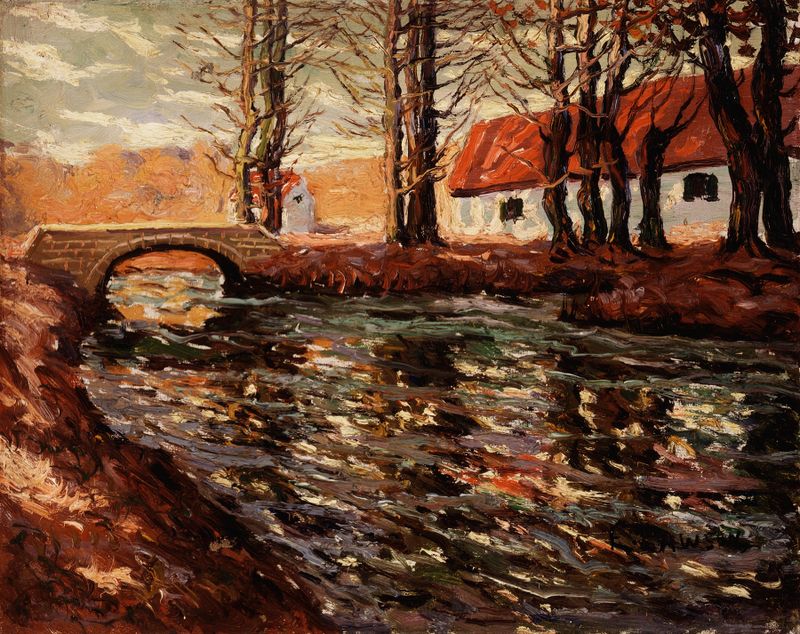
River Landscape
Ernest Lawson

The Mill
Ernest Lawson
The Pond and Gapstow Bridge, New York City
Ernest Lawson





