
Spring Landscape — History & Facts
Can paint confess what words never could? In Spring Landscape, the delicate interplay of light and color serves as a silent testament to nature's renewal, speaking volumes where language falters. Focus on the vibrant greens that dance across the canvas, drawing your eye to the rolling hills bathed in sunlight. Notice how the brush strokes shift from broad sweeps of emerald to fine, intricate details of blooming flowers. The sky, a soft palette of blues and whites, invites an ethereal quality, while the gentle curvature of the horizon stabilizes the composition, creating a sense of peace and warmth. Hidden within the lush landscape are deeper emotional resonances — the duality of life and death, the promise of regeneration after winter’s grip.
The juxtaposition of soft hues with bursts of color reflects the tension between tranquility and the vibrant pulse of nature awakening. Each element, from the darkened shadows to the sunlit patches, reveals the artist’s deep understanding of light’s transformative power. In 1862, Daubigny was painting amidst the burgeoning Impressionist movement in France, yet he remained rooted in a more traditional style. This period marked a transition in his life, as he shifted from academic painting to capturing the essence of nature.
With a keen awareness of the world around him, he embraced the changing dynamics of artistic expression, forging a path that would influence generations to come.
More Artworks by Charles François Daubigny
Browse all →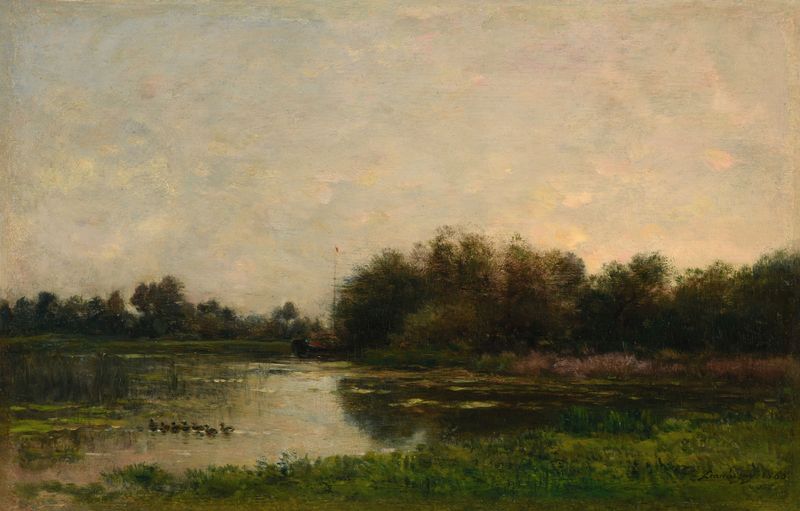
Bords de l’Oise
Charles François Daubigny
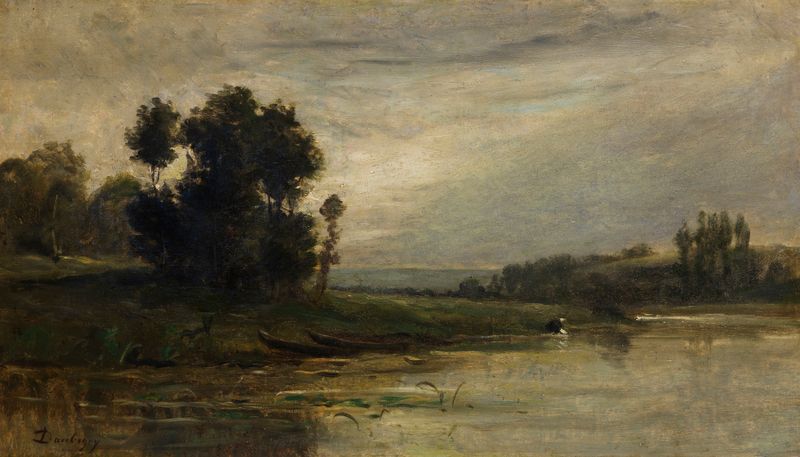
Bords de l’Oise
Charles François Daubigny
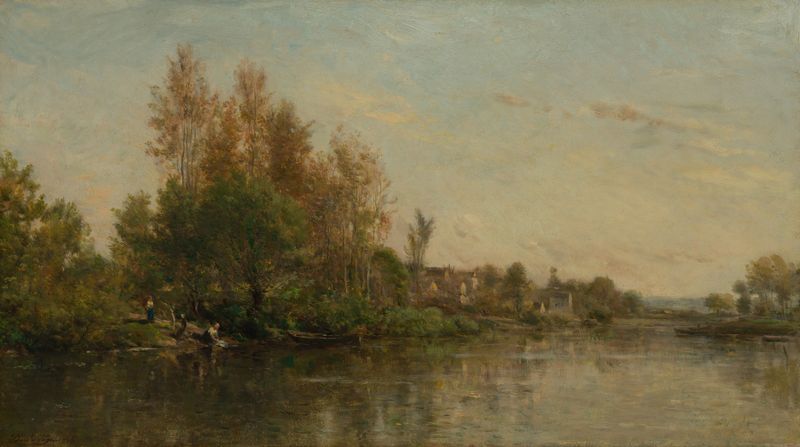
The Banks of the Oise
Charles François Daubigny
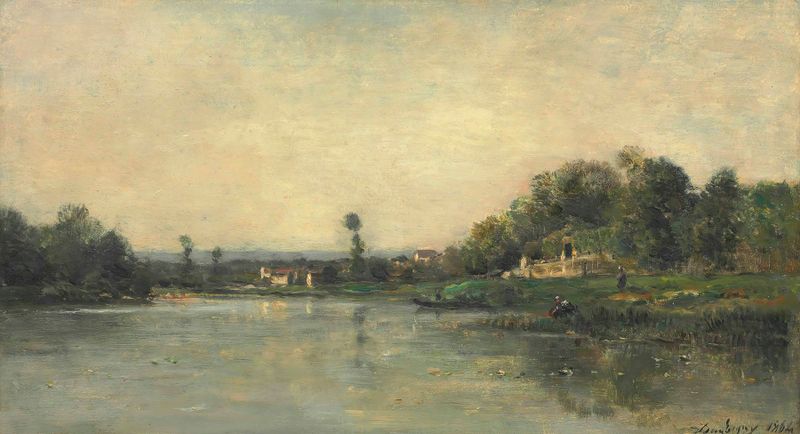
Les Bords De L’oise
Charles François Daubigny
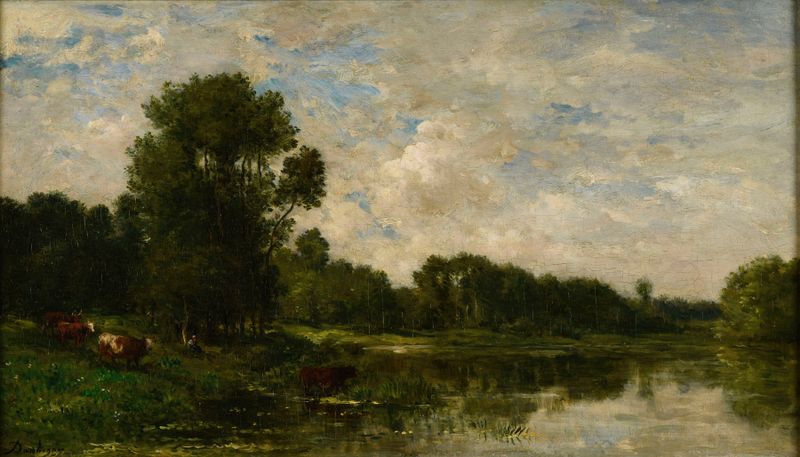
Bords de l’Oise
Charles François Daubigny
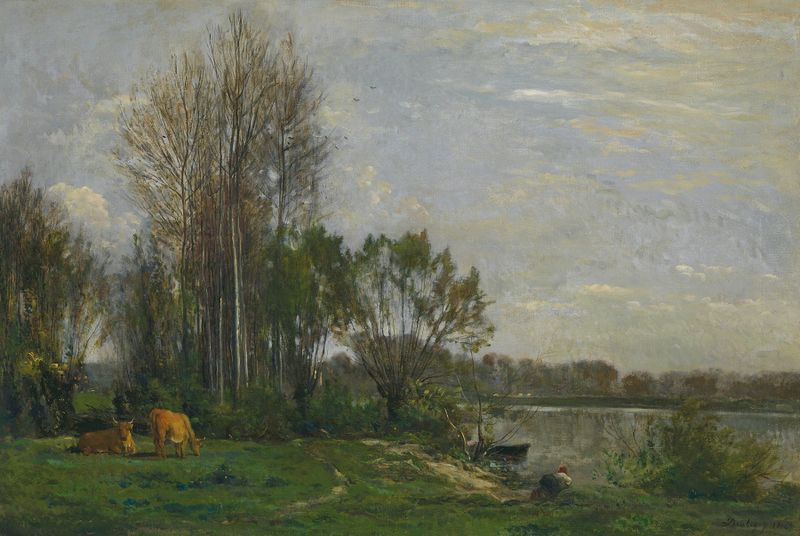
Les Bord De L’oise
Charles François Daubigny
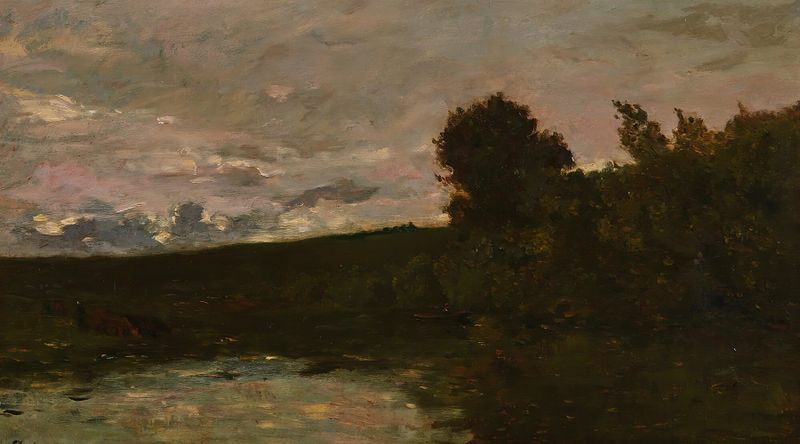
Bord De Riviére
Charles François Daubigny
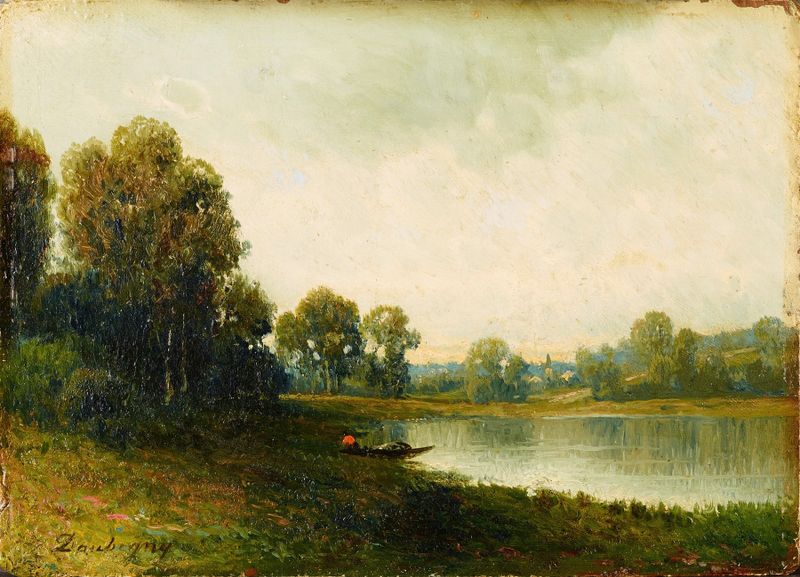
Landscape
Charles François Daubigny
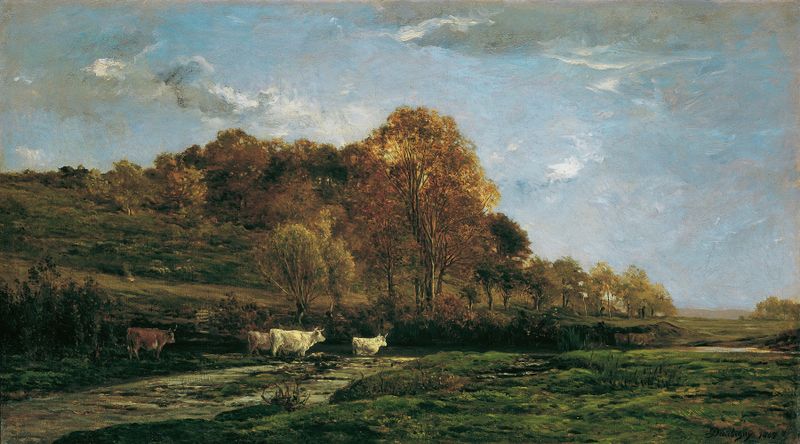
Herbstliche Aulandschaft Abendstimmung
Charles François Daubigny
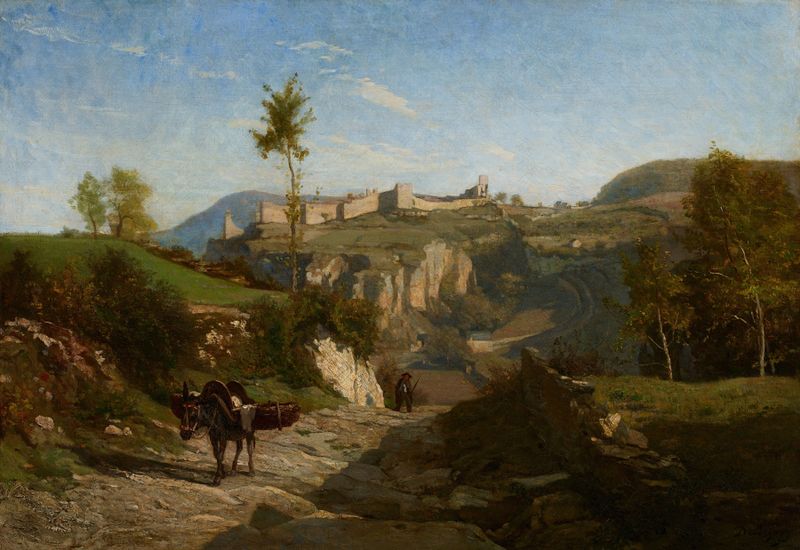
Landscape near Crémieu
Charles François Daubigny





