
Springtime at Kurenivka — History & Facts
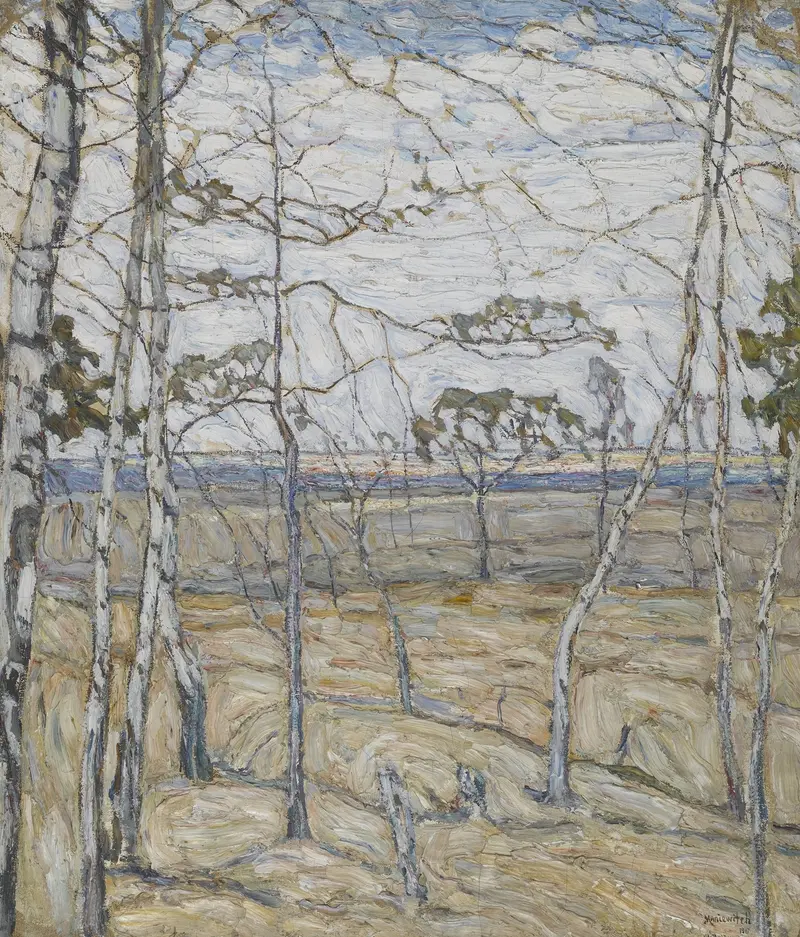
The eye is caught first by the restless, almost musical rhythm of the trees, their trunks twisting upward like dancers greeting the first warmth of spring. In Springtime at Kurenivka, Abraham Manievich draws the viewer into a landscape that seems to pulse with energy: the earth is alive with undulating strokes of blue, ochre, and green, while the sky and distant houses shimmer behind a veil of branches. The lines are never quite straight, the colors never quite settled; everything in this scene is in motion, as if the world itself is waking from a long winter.
The trees, leafless but expectant, act as both barrier and invitation, guiding the gaze deeper into the patchwork of fields and clustered roofs beyond. Painted between 1914 and 1915, this work belongs to a moment of profound change in Eastern Europe, when artists like Manievich sought new ways to capture the spirit of their homeland. The almost mosaic-like brushwork and bold outlines recall the influence of Post-Impressionism and early Expressionism, movements that were sweeping across Europe and encouraging painters to see the landscape not as a static backdrop, but as a living force. Little is recorded about the specific journey of this painting, now found in an online collection, but its style speaks to a world in flux—where tradition met innovation, and where the old rhythms of rural life were being transformed by modern vision.
The restless energy of the scene invites you to linger, searching for the pulse of spring beneath the surface.
More Artworks by Abraham Manievich
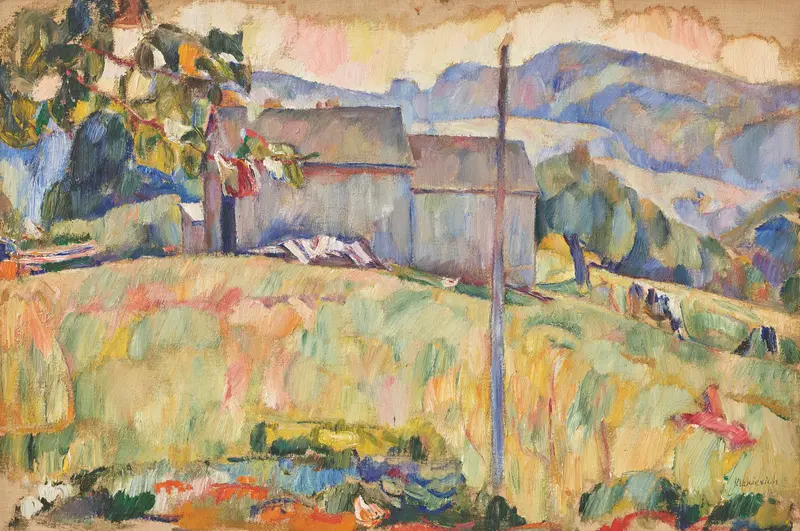
Summer landscape
Abraham Manievich

Early Spring
Abraham Manievich
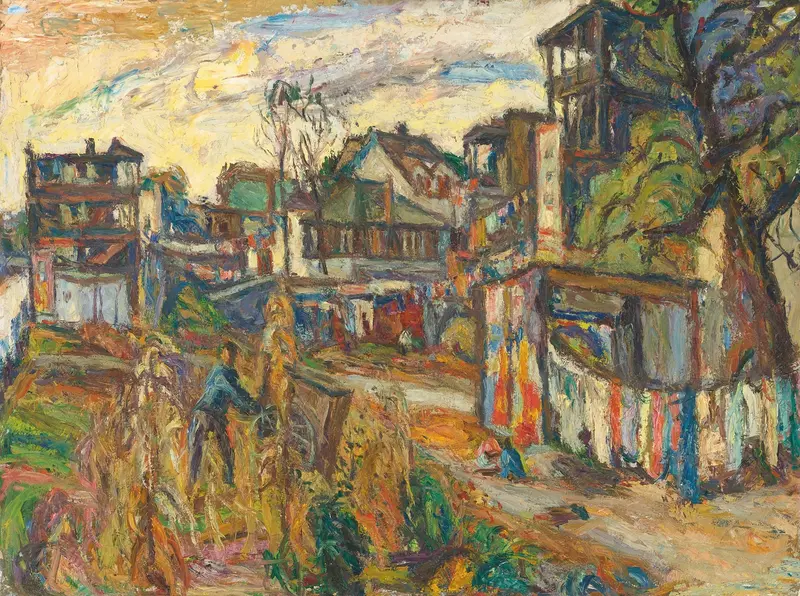
City Scene
Abraham Manievich
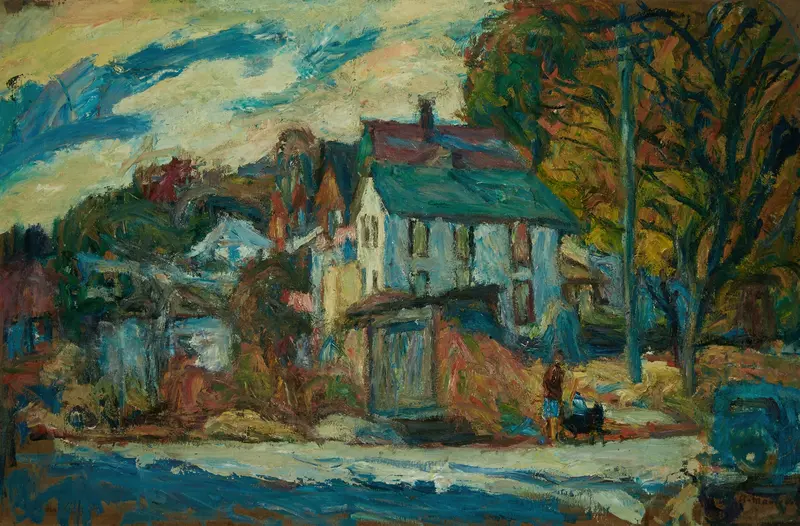
Autumn. White Plains
Abraham Manievich
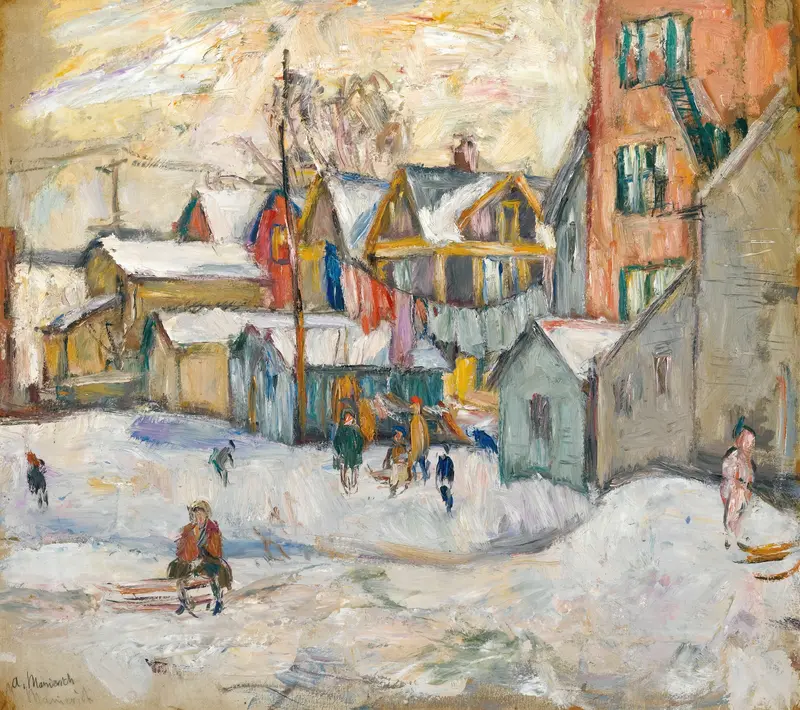
The Bronx
Abraham Manievich
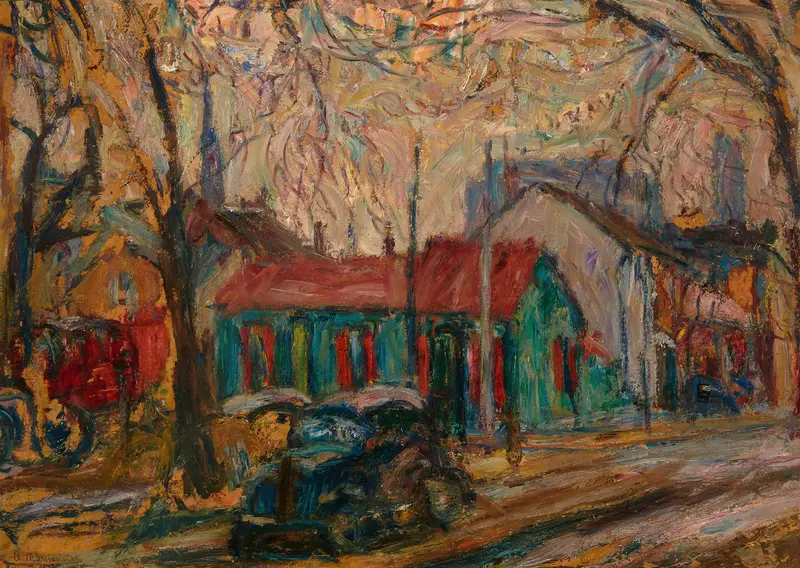
Quiet street
Abraham Manievich
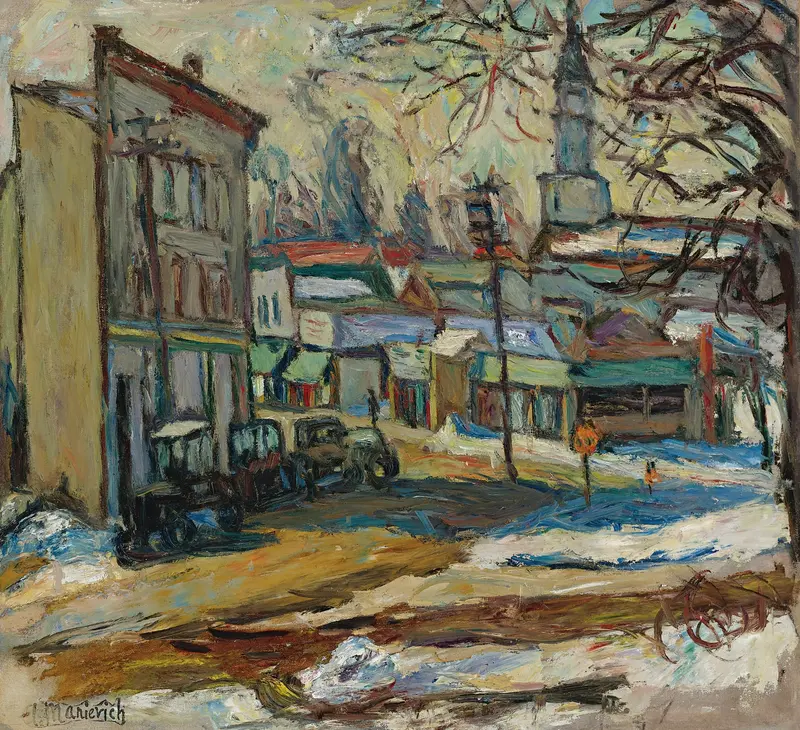
Bridgeport
Abraham Manievich
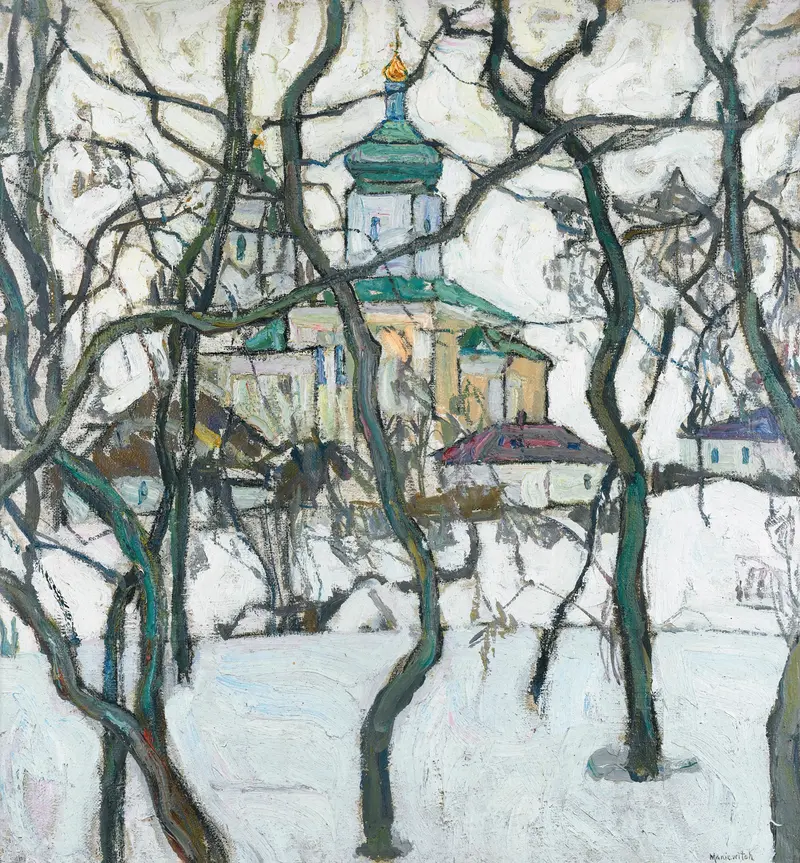
Winter Scene With Church
Abraham Manievich
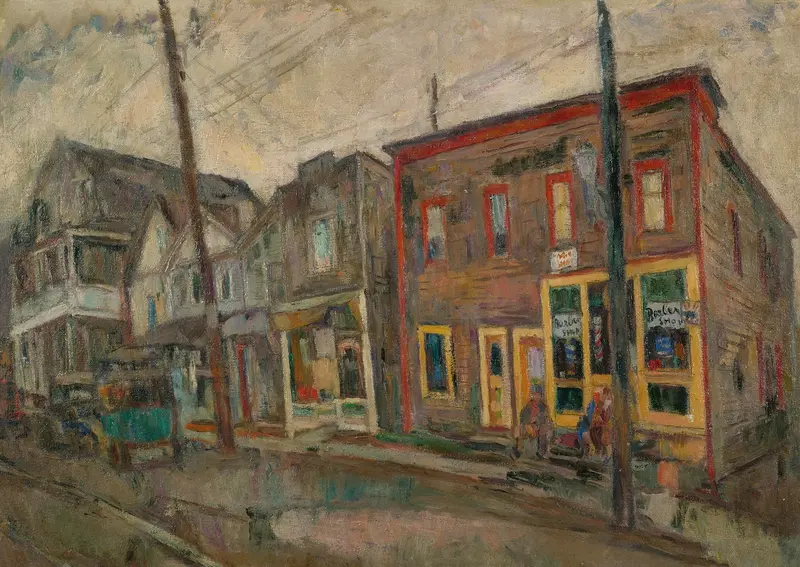
Street in the Bronx
Abraham Manievich
Birch Trees
Abraham Manievich
More Landscape Art

The Starry Night
Vincent van Gogh

View of Delft
Johannes Vermeer

Water Lilies
Claude Monet

The Grand Canal, Venice, looking north-west from the Ca' Corner to the Ca' Contarini degli Scrigni, with the campanile of Santa Maria della Carità
Canaletto

Windsor Castle
Canaletto

The Grand Canal looking North-East from the Palazzo Dolfin-Manin to the Rialto Bridge
Canaletto