
Square of Santo Domingo — History & Facts
In the heart of a bustling square, the allure of life can mask the weight of betrayal that lingers beneath. Here, within the vibrant composition, the contrast of joy and sorrow is palpable. Look to the left at the intricately detailed buildings, their warm ochre tones catching the sunlight, creating a golden embrace around the figures below. Notice the bustling crowd – a tapestry of emotions woven from hurried gestures and fleeting expressions, each person absorbed in their own world.
The artist’s deft brushwork enlivens the scene, while the play of light and shadow subtly highlights the underlying tension, inviting viewers to witness both celebration and concealed grief. Amidst the vibrancy, the faces tell stories of longing and loss. The passerby’s gaze seems to linger in one direction, hinting at unseen connections and unspoken betrayals. The delicate balance between the lively atmosphere and the somber undertones suggests that behind every joyous moment lies a story of complexity and emotional turmoil, echoing the fragility of trust. C.
Castro created Square of Santo Domingo in 1869 during a time when artistic exploration was deepening in Spain. The country was grappling with social changes and political unrest, reflecting a broader European context of upheaval. At this juncture, the artist sought to capture the pulse of everyday life, infusing his work with personal and societal intricacies, a mirror to the complexities of human relationships.
More Artworks by C. Castro
Browse all →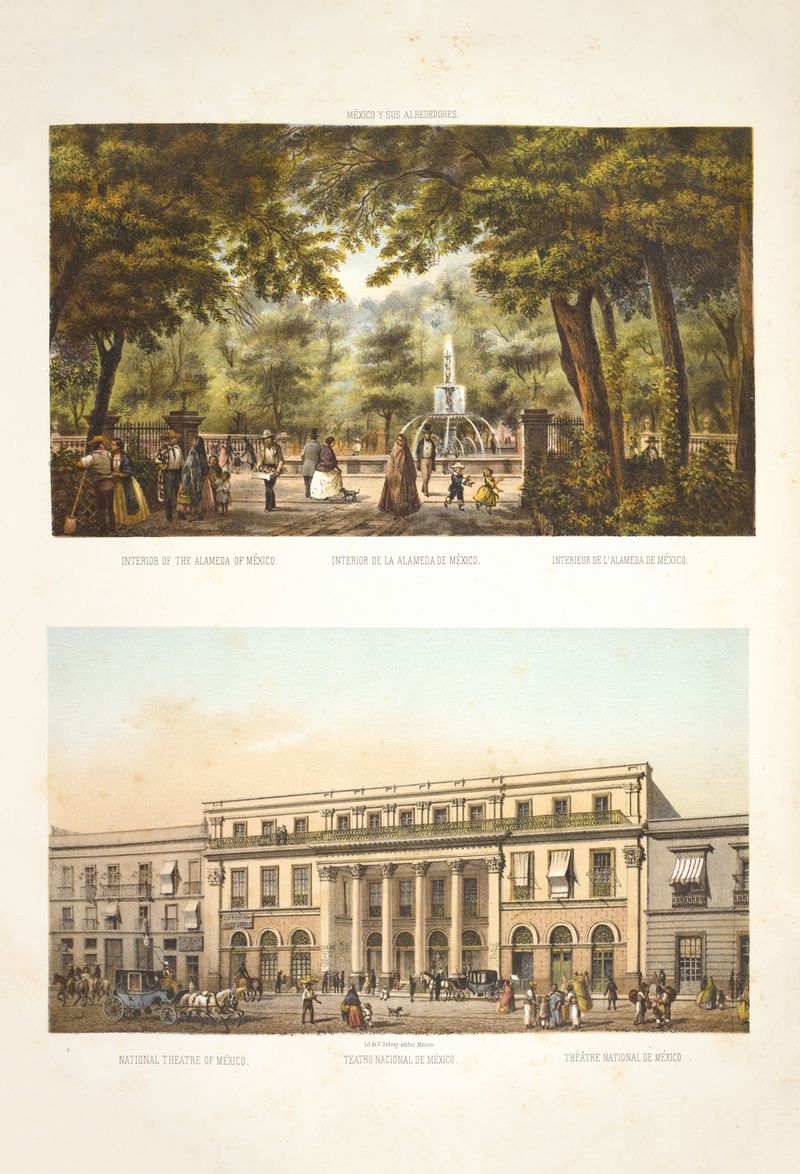
Interior of the Alameda of Mexico ; National Theatre of Mexico.
C. Castro
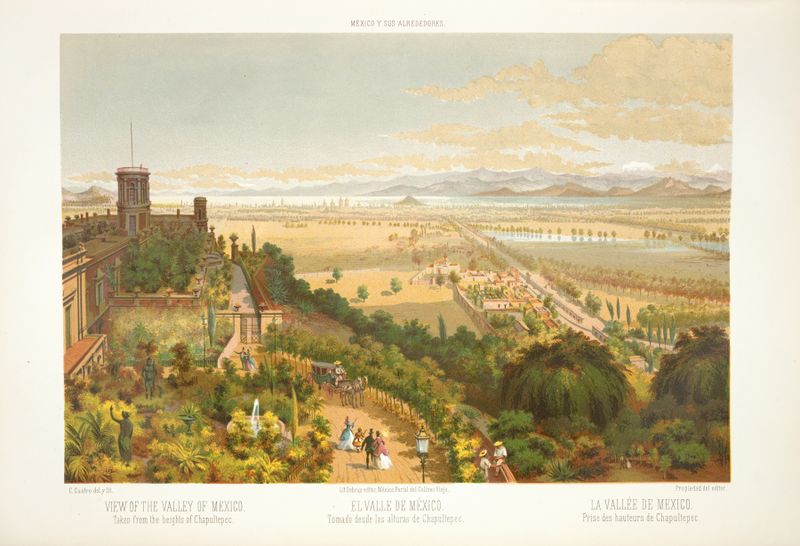
View of the Valley of Mexico, taken from the heights of Chapultepec.
C. Castro
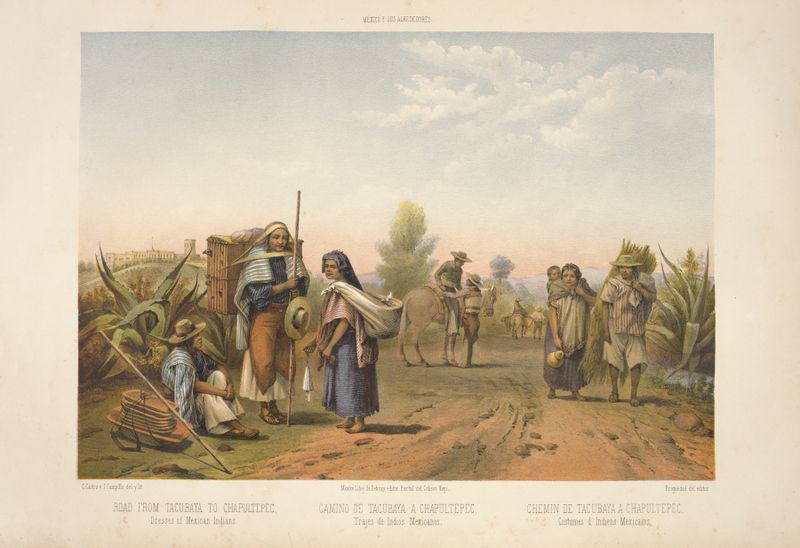
Road from Tacubaya to Chapultepec, dresses of Mexican Indians.
C. Castro
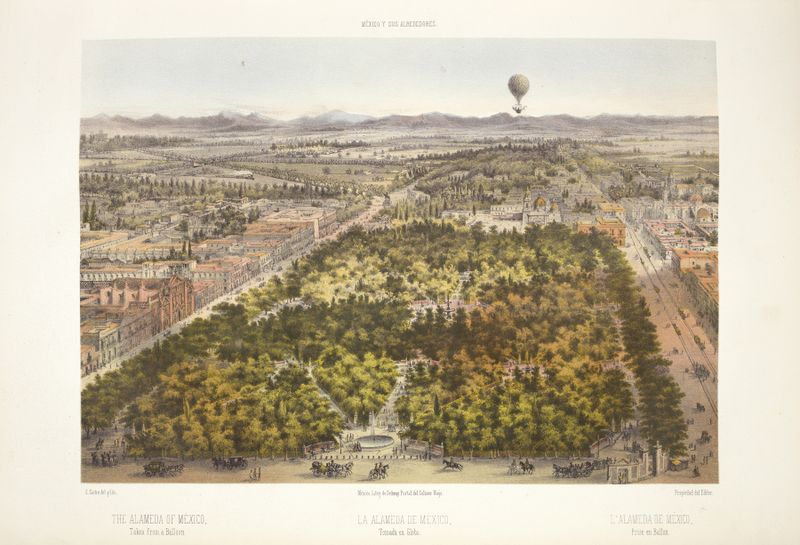
The Alameda of Mexico, taken from a balloon.
C. Castro
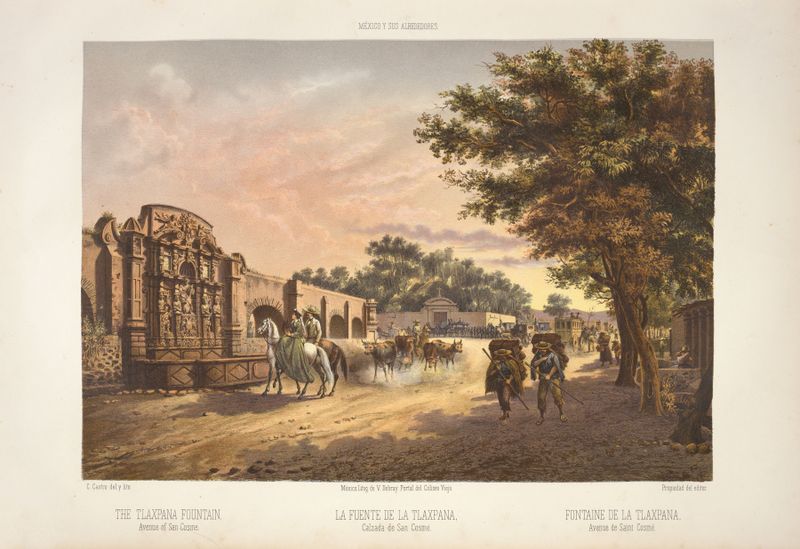
The Tlaxpana fountain, Avenue of San Cosme.
C. Castro
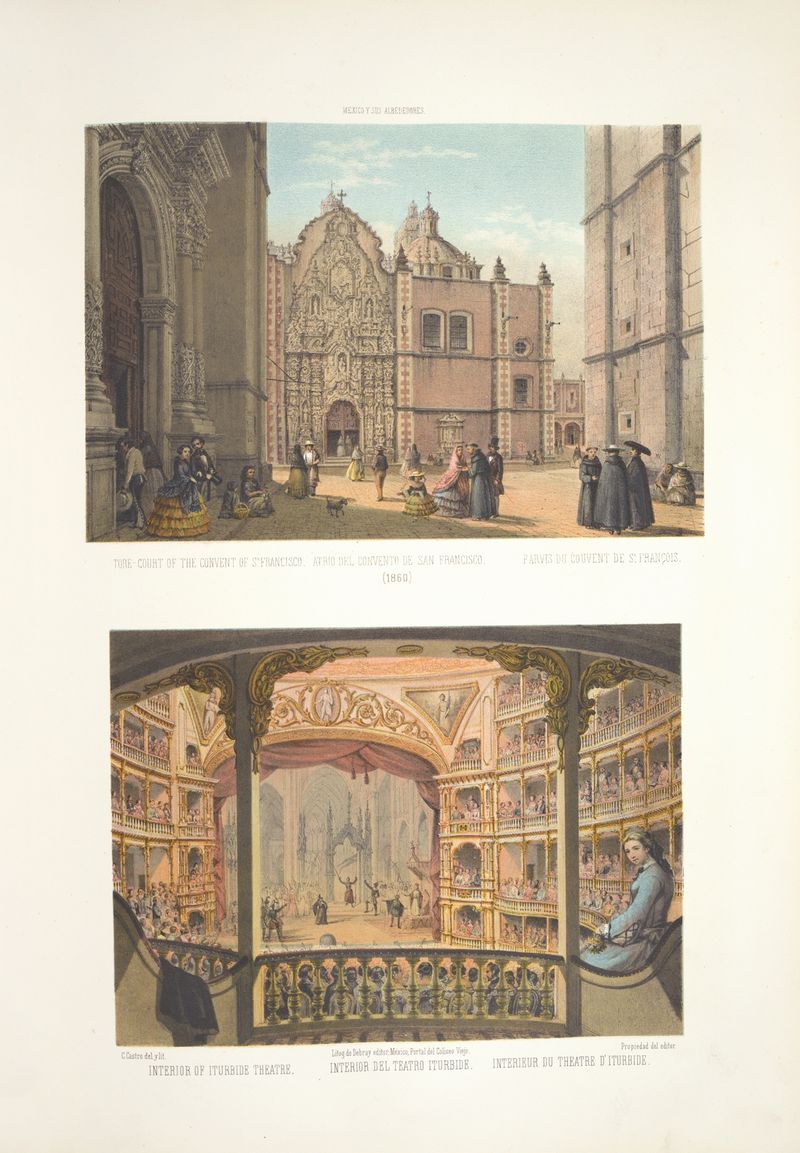
Tore-court of the convent of St. Francisco ; Interior del Teatro Iturbide
C. Castro
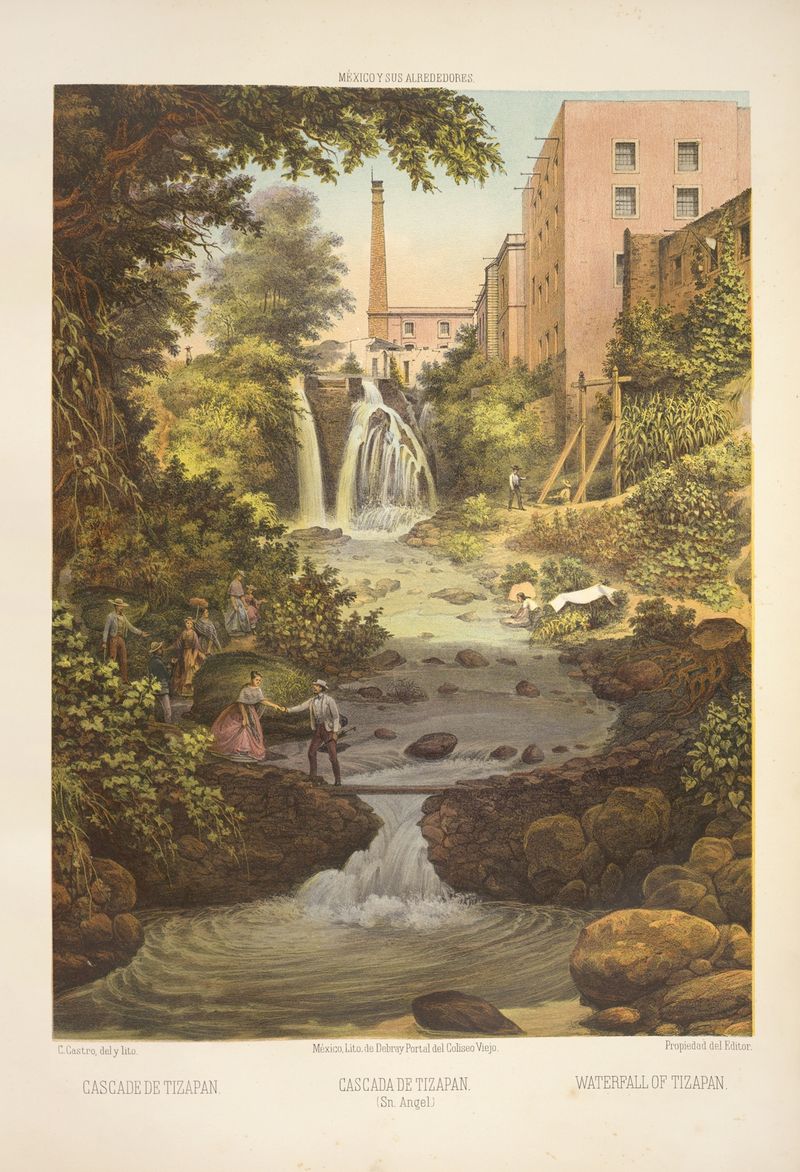
Waterfall of Tizapan
C. Castro
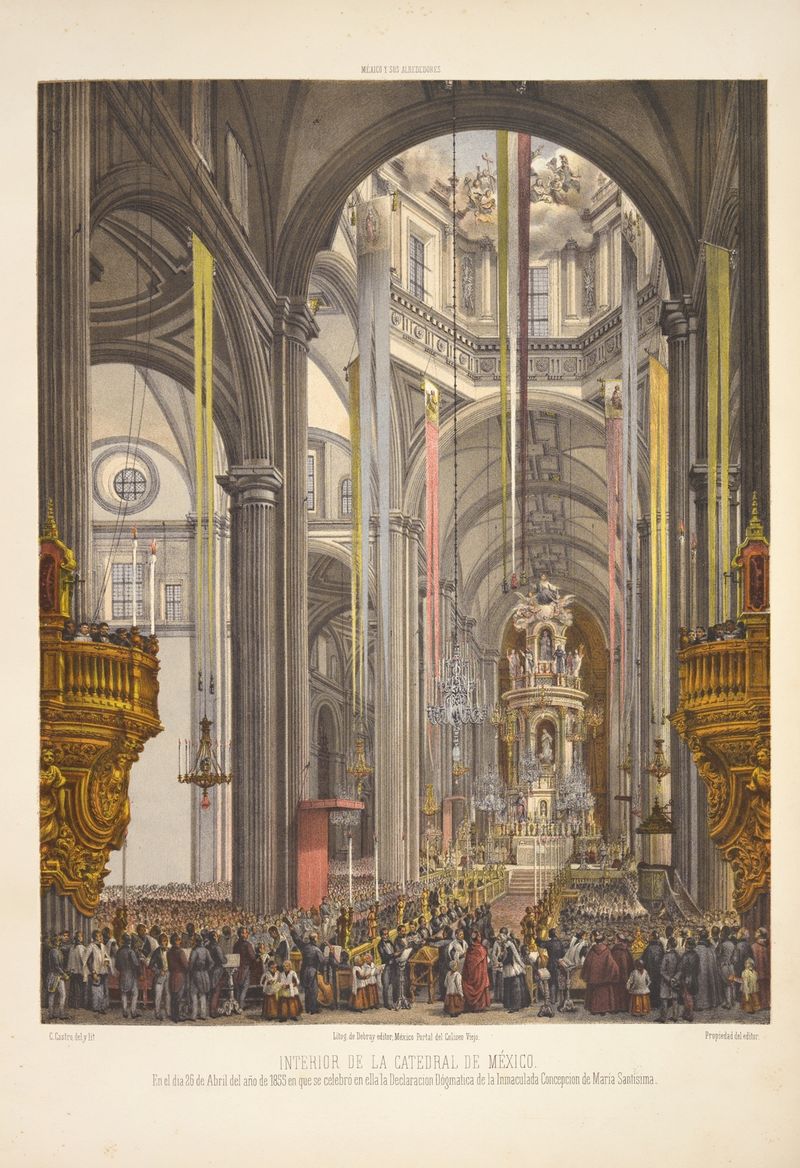
Interior de la Catedral de México. En el dia 26 de Abril del año de 1855 en que se celebró en ella la Declaracion Dógmatica de la Inmaculada Concepcion de María Santisima.
C. Castro
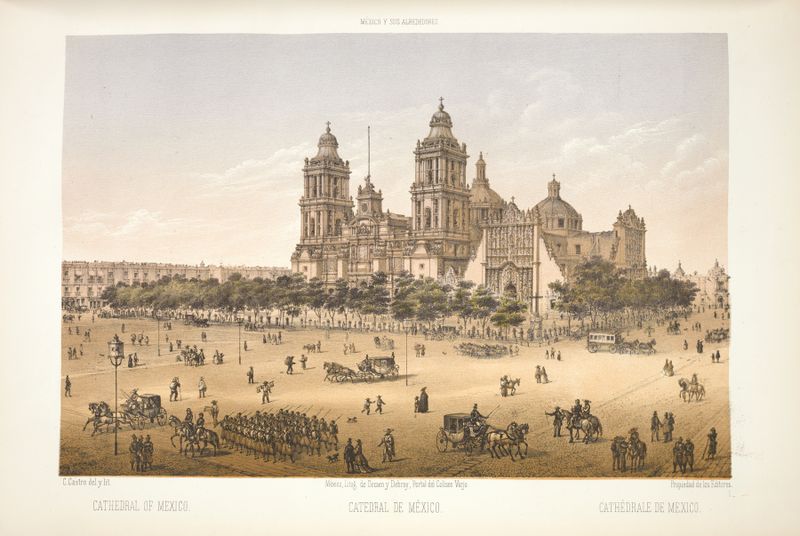
Cathedral of Mexico.
C. Castro
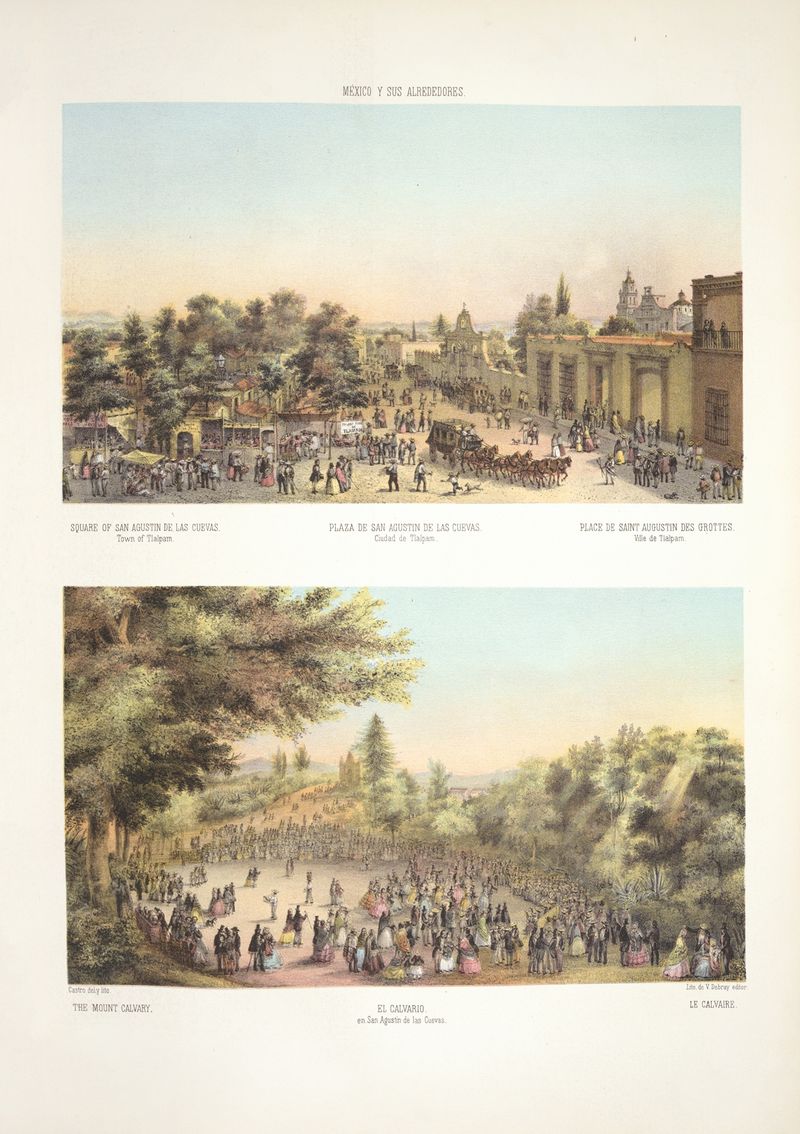
Square of San Agustin de las Cuevas, town of Tlalpam ; The Mount Calvary.
C. Castro





