
St Antony Gates in Amsterdam — History & Facts
The first thing that draws the eye in St Antony Gates in Amsterdam by Adriaen van de Velde is the way the city seems to pause at this threshold, caught between the bustle within and the open space without. The gate stands luminous and solid, its pale stone almost glowing against the deeper greens and browns of the city’s edge. Figures drift across the foreground: a man with a dog, a group gathered in conversation, a rider in the distance—each absorbed in their own moment, yet all woven into the gentle order of the scene.
The low horizon pulls your gaze up into the sky, where clouds drift in a calm procession, lending the city a sense of quiet anticipation. The careful play of shadow and light is not just atmospheric; it guides you through the architecture and along the bridge, suggesting the city’s rhythms and routines. This painting belongs to a world where city gates were both practical and symbolic—points of entry, defense, and civic pride. In the Dutch Golden Age, scenes like this were prized for their ability to capture the character of a place and the daily life of its people.
Artists such as van de Velde responded to a growing urban middle class eager for images that reflected their surroundings and achievements. Painted between 1652 and 1672, and now preserved in the Hermitage Museum’s collection, this work stands as a quiet witness to Amsterdam’s prosperity and self-assurance during a period of extraordinary growth. Its calm, detailed observation invites you to linger, to imagine the footsteps echoing on the bridge, and to see the city as its citizens once did—full of promise, order, and possibility.
More Artworks by Adriaen van de Velde

Staande stier
Adriaen van de Velde
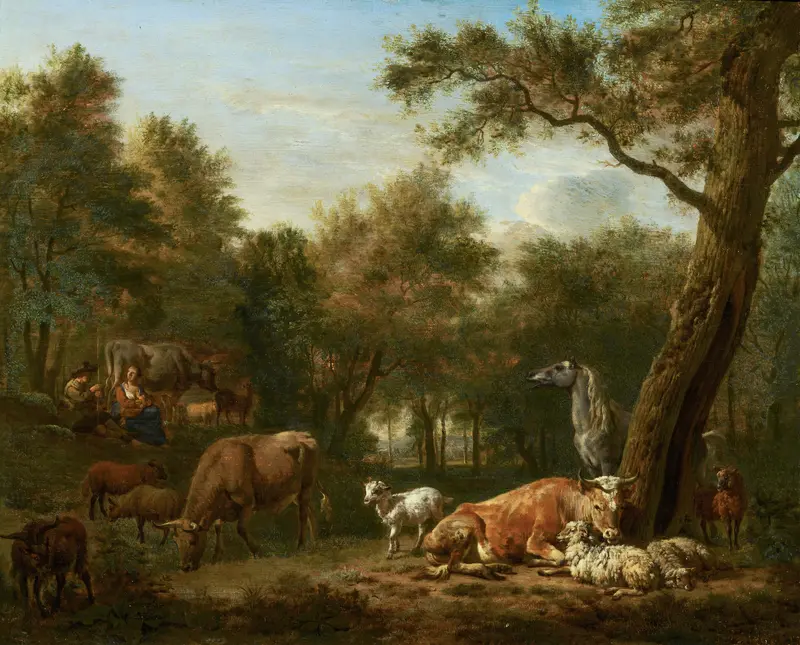
Wooded Landscape with Cattle
Adriaen van de Velde
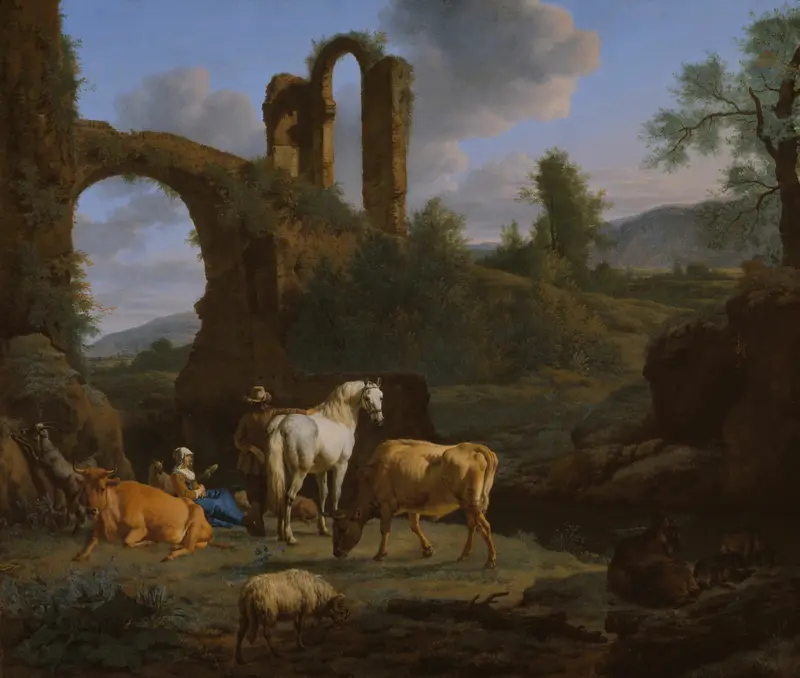
Pastoral Landscape with Ruins
Adriaen van de Velde
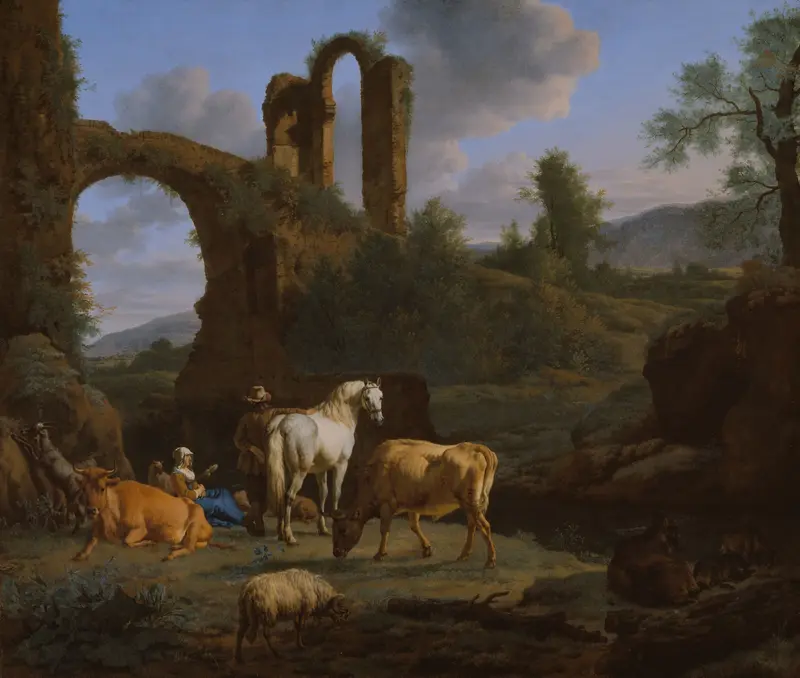
Pastoral Landscape with Ruins
Adriaen van de Velde
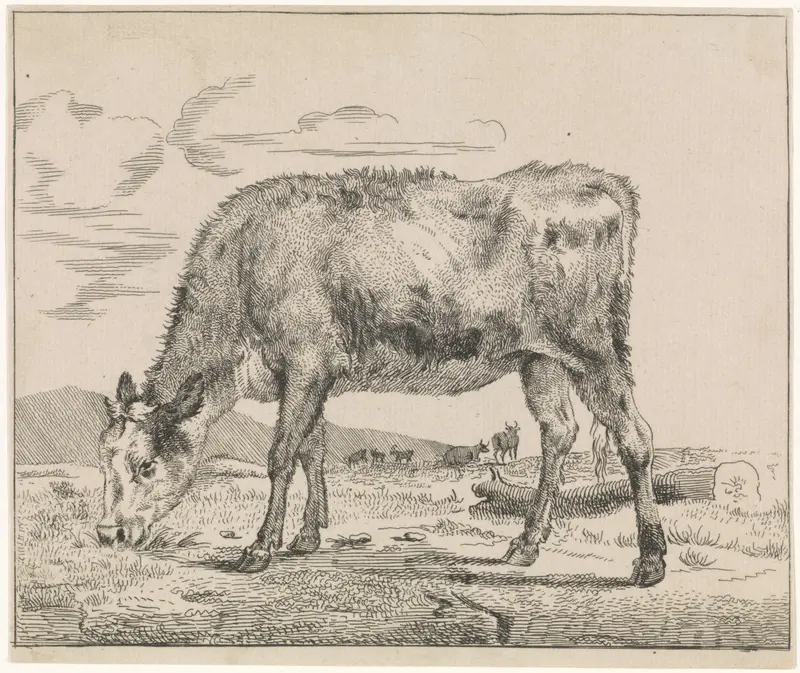
Grazend kalf
Adriaen van de Velde
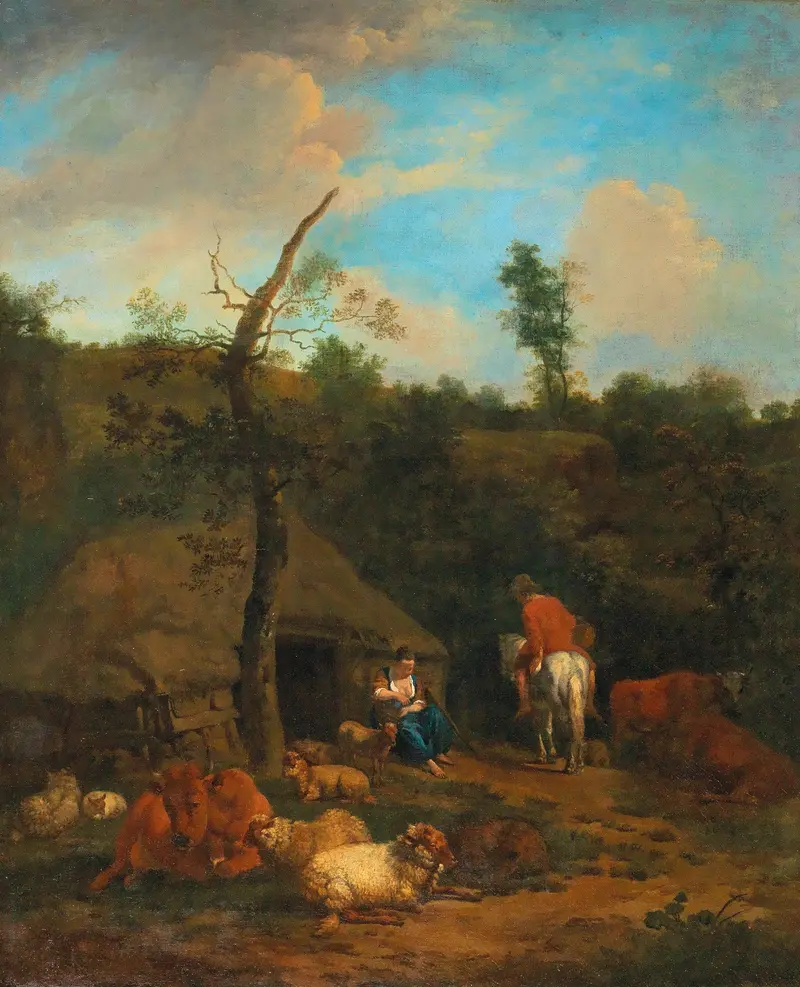
A herdsman and a shepherdess in front of a wooden farmhouse
Adriaen van de Velde
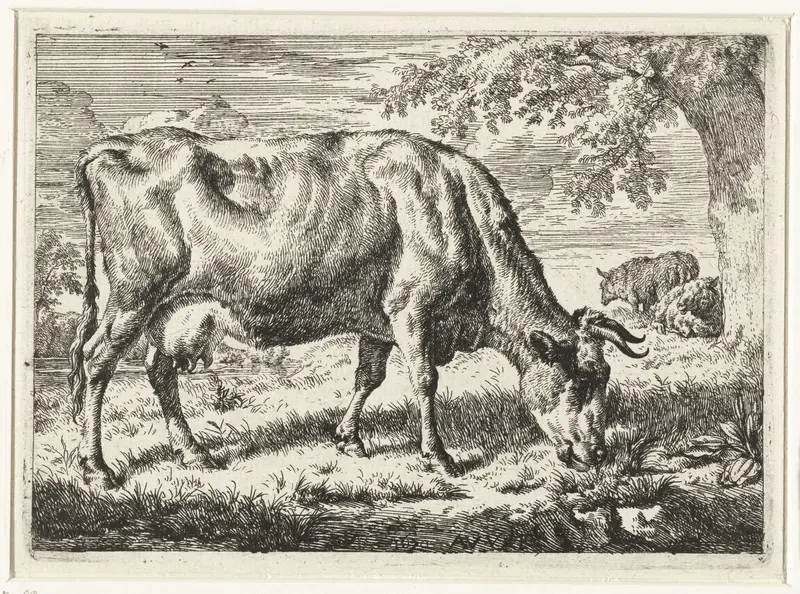
Grazende koe en twee schapen
Adriaen van de Velde
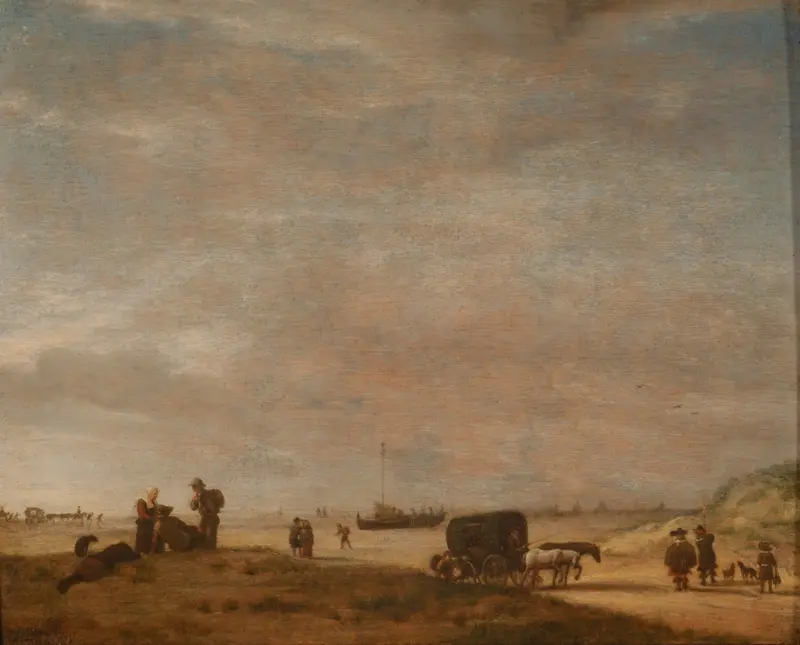
Scheveningen Beach
Adriaen van de Velde
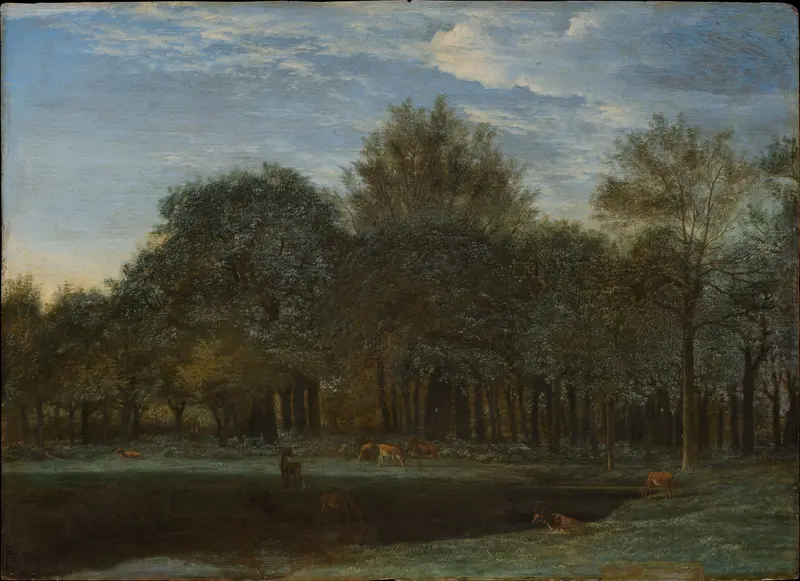
Forest Clearing with Grazing Deer
Adriaen van de Velde
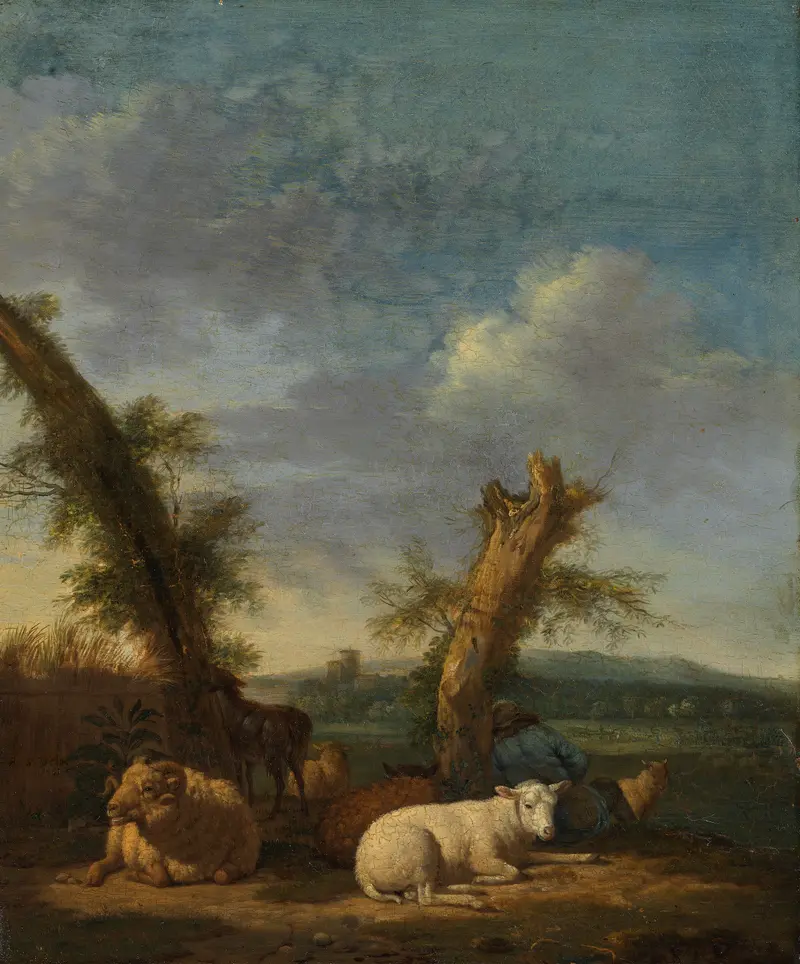
Landscape with Sheep and a Sleeping Shepherd
Adriaen van de Velde
More Landscape Art

The Starry Night
Vincent van Gogh

View of Delft
Johannes Vermeer

Water Lilies
Claude Monet

The Grand Canal, Venice, looking north-west from the Ca' Corner to the Ca' Contarini degli Scrigni, with the campanile of Santa Maria della Carità
Canaletto

Windsor Castle
Canaletto

The Grand Canal looking North-East from the Palazzo Dolfin-Manin to the Rialto Bridge
Canaletto