
St Briavils Castle — History & Facts
What if silence could speak through light? In the stillness of twilight, shadows stretch and whisper around St Briavils Castle, evoking an unspeakable fear that lingers in the air. The structure looms, a sentinel against the encroaching darkness, as if harboring secrets long buried in its ancient stones. Each brick tells a story, yet the silence is deafening—a palpable tension that evokes both awe and apprehension. Look to the left, where the fading sunlight casts an ethereal glow upon the castle's weathered facade, emphasizing the intricate details of its medieval architecture.
Notice how the artist employs a muted palette; grays and deep greens intertwine seamlessly, reflecting the somber mood of the scene. The stark contrast between light and shadow highlights the fortress's formidable presence, drawing the viewer’s gaze toward the high towers that pierce the evening sky, while the surrounding landscape fades into obscurity. Beneath the surface, the painting captures a juxtaposition of strength and vulnerability. The sturdy walls of the castle stand resolutely against the twilight, yet they are shrouded in an atmosphere of unease, evoking fear of what might lurk just beyond the light's reach.
The interplay of light and shadow serves as a metaphor for the duality of safety and danger, suggesting that even the most secure places can harbor hidden fears. This tension intertwines with the natural environment, hinting at the broader existential concerns of the time. In 1825, Fielding painted this work amidst a growing interest in landscape and historical themes, a reflection of the Romantic era’s fascination with nature and the sublime. Living in England, he was influenced by the picturesque movement, which sought to capture beauty in ruins and the enchanting narratives they evoke.
This period saw a shift toward valuing the emotional experience of art, a trend that Fielding embraced in his exploration of both architecture and atmosphere.
More Artworks by Theodore Henry Adolphus Fielding
Browse all →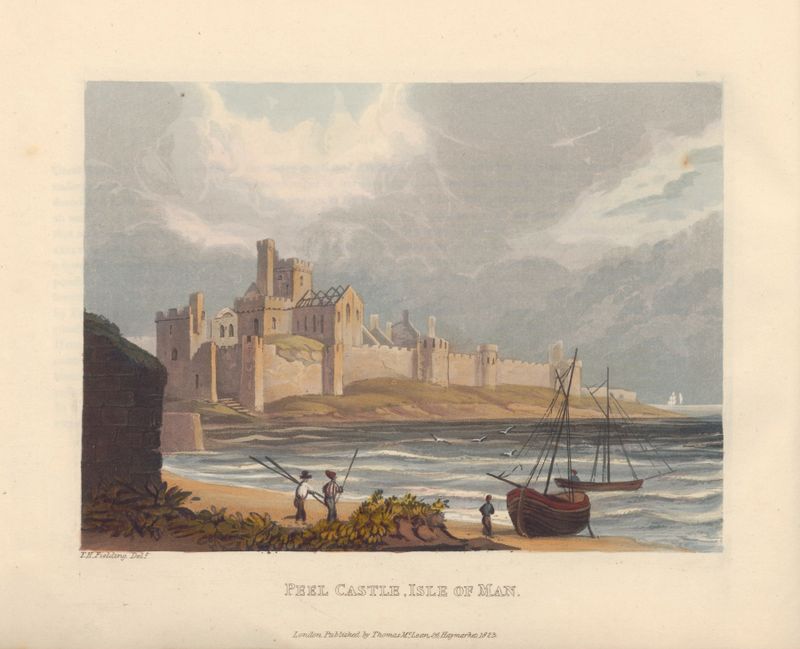
Peel Castle, Isle of Man
Theodore Henry Adolphus Fielding
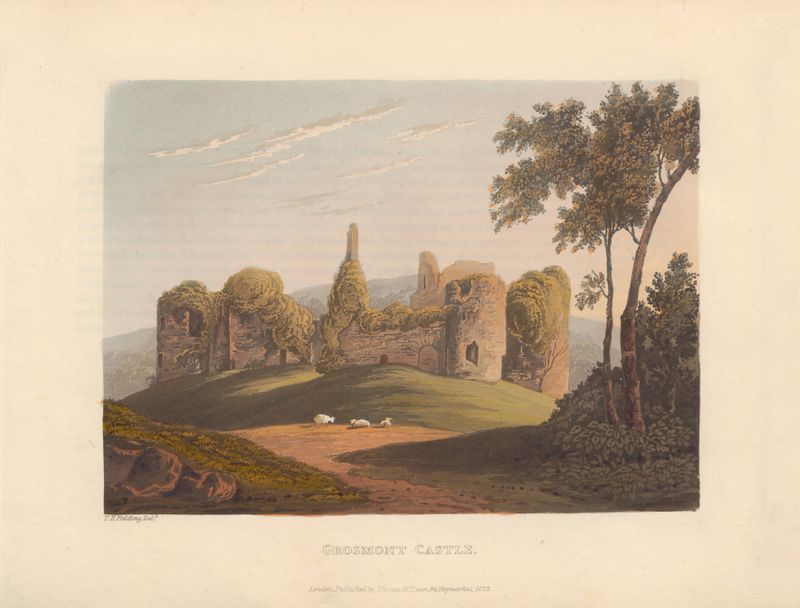
Grosmont Castle
Theodore Henry Adolphus Fielding
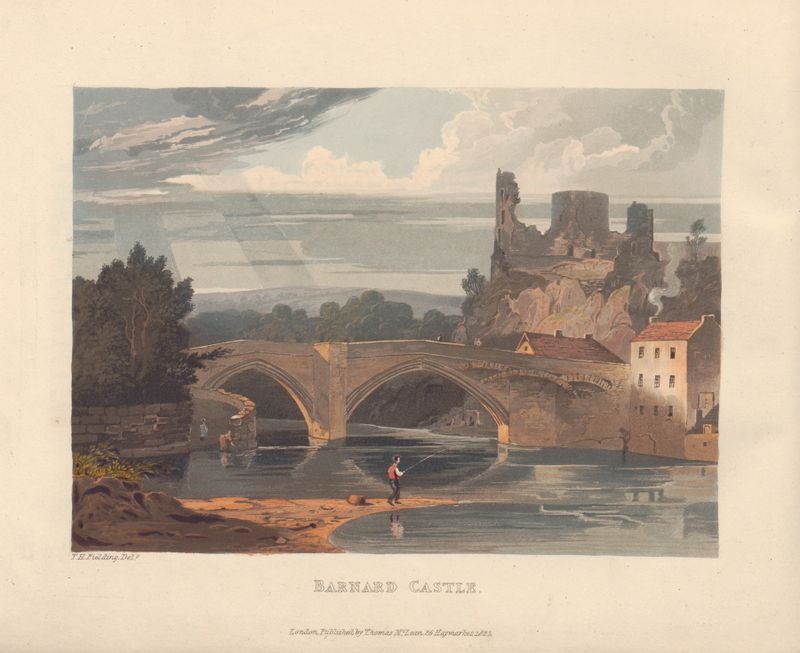
Barnard Castle
Theodore Henry Adolphus Fielding
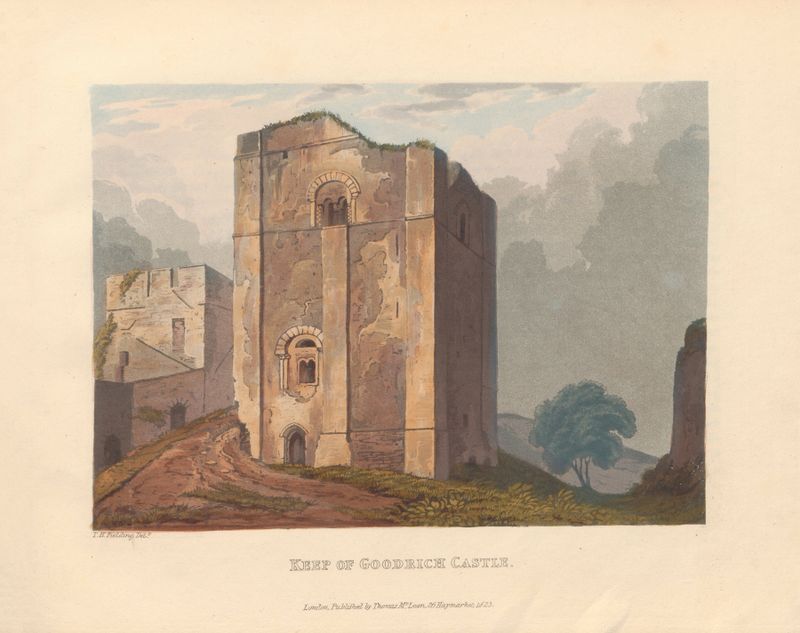
Keep of Goodrich Castle
Theodore Henry Adolphus Fielding
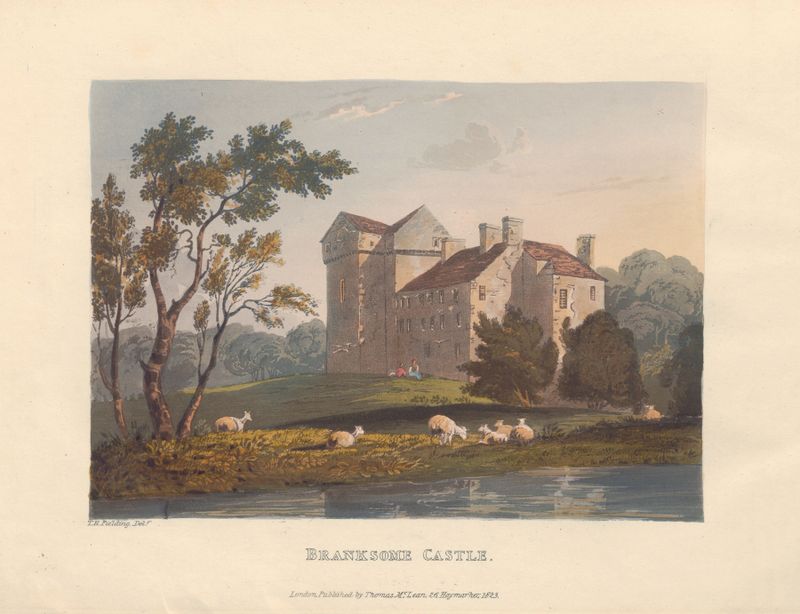
Branksome Castle
Theodore Henry Adolphus Fielding
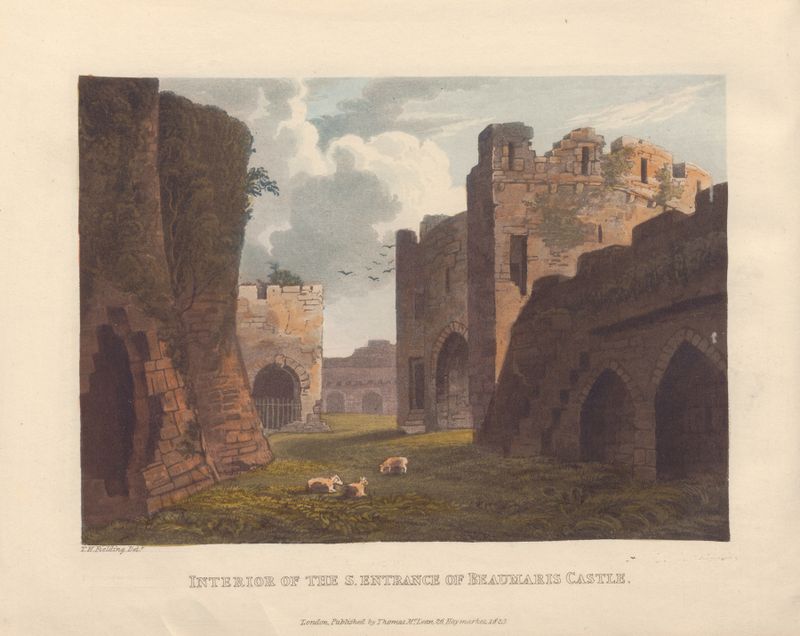
Interior of the south entrancce of Beaumaris Castle
Theodore Henry Adolphus Fielding
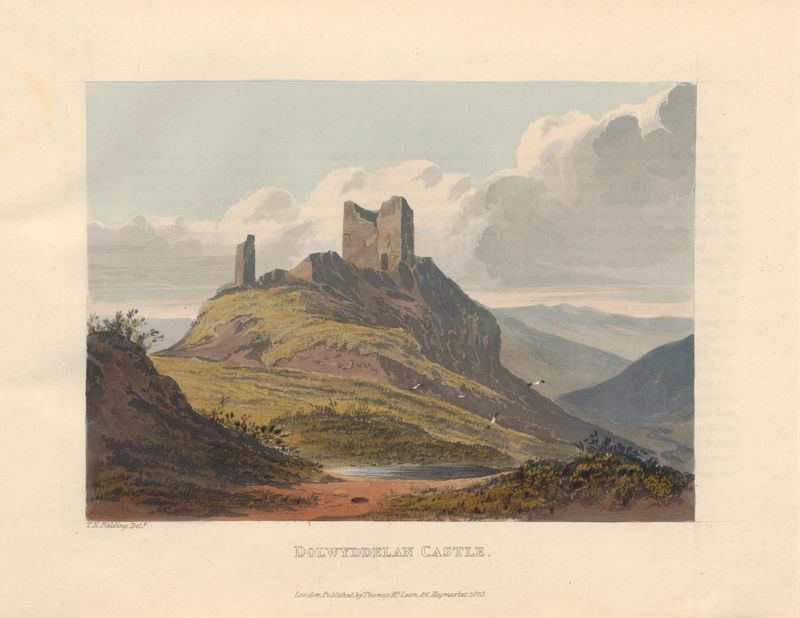
Dolwyddelan Castle
Theodore Henry Adolphus Fielding
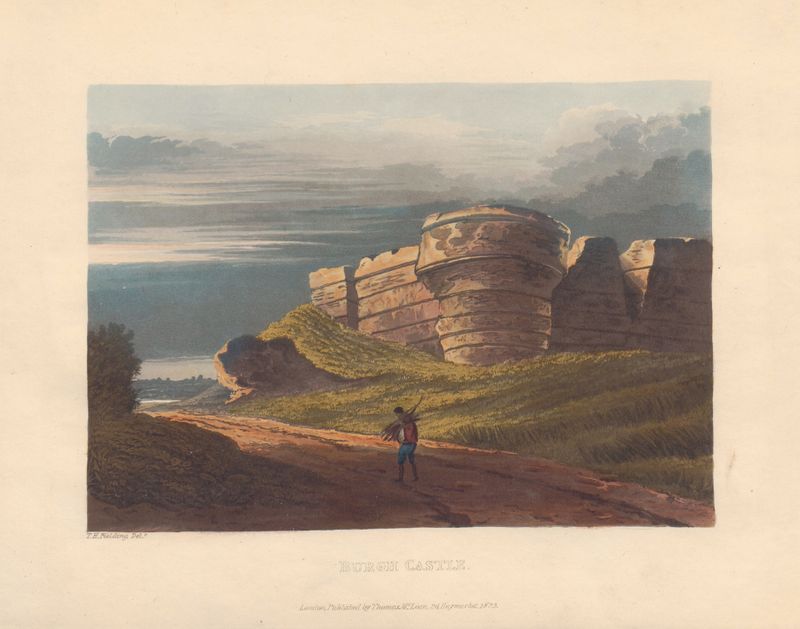
Burgh Castle
Theodore Henry Adolphus Fielding
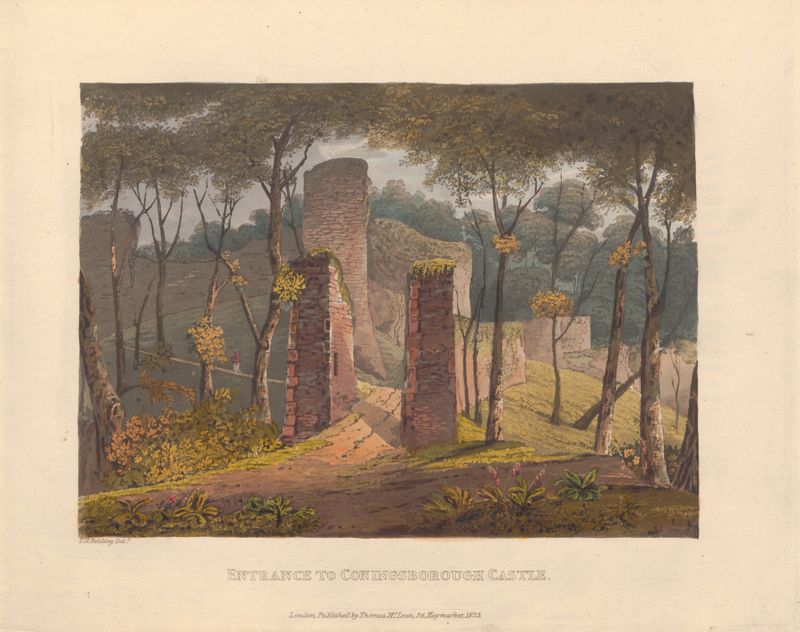
Entrance to Coningsborough Castle
Theodore Henry Adolphus Fielding
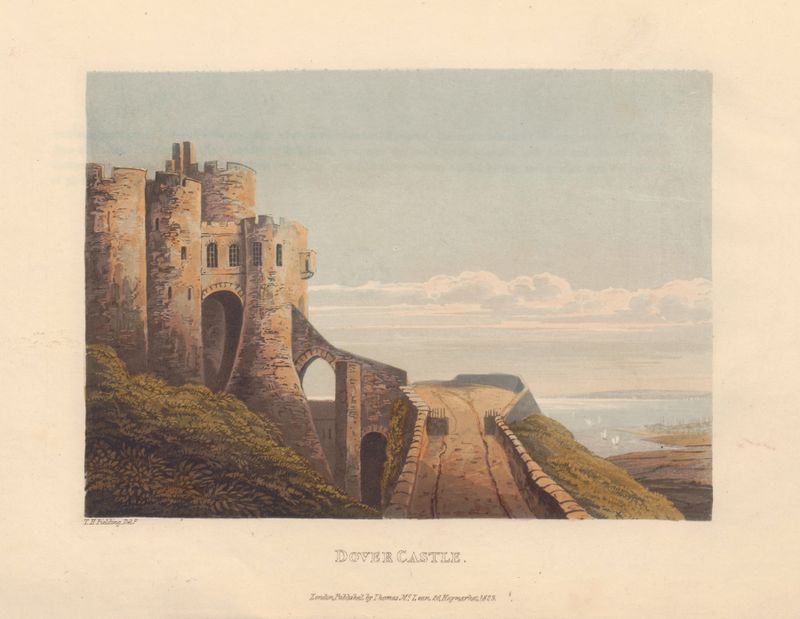
Dover Castle
Theodore Henry Adolphus Fielding
More Architecture Art
Browse all →
The statue of Liberty
Frédéric Auguste Bartholdi

View of Houses in Delft, Known as ‘The Little Street’
Johannes Vermeer

View of Houses in Delft, Known as ‘The Little Street’
Johannes Vermeer

The Cathedral in Rouen. The portal, Grey Weather
Claude Monet

The yellow house
Vincent van Gogh

The Church in Auvers-sur-Oise, View from the Chevet
Vincent van Gogh