
St Jan Kanty before Our Lady — History & Facts
What draws the eye first in St Jan Kanty before Our Lady is the hush of encounter—one figure kneeling, arms outstretched, before a vision that glows with otherworldly softness. The kneeling man, his face upturned in longing or devotion, is caught in a moment of supplication. Across from him, the Madonna and Child emerge from a haze of warm, earthy tones, their forms rendered with a gentle, almost blurred touch that suggests the boundary between the earthly and the divine is thin here.
The Madonna’s hand steadies the Child, who meets the gaze of the kneeling figure, while the light that halos their heads draws the viewer’s attention to this silent exchange. The palette is subdued but rich, the brushwork loose, creating an atmosphere of intimacy and reverence rather than spectacle. Painted in 1870 by Aleksander Kotsis, this work belongs to a period when religious imagery was both a personal and national statement, especially in Poland, where faith and identity were deeply entwined. Such paintings were often commissioned for private devotion or small chapels, serving as a quiet anchor for prayer in turbulent times.
The National Museum in Kraków, where this piece now resides, preserves it as part of a wider effort to safeguard the visual memory of Poland’s spiritual and artistic heritage. History has kept few traces of this painting’s early journey, but the image itself invites us to linger in its stillness, searching for the line where vision becomes faith.
More Artworks by Aleksander Kotsis

Trip in the Tatra Mountains
Aleksander Kotsis

Fair in Nowy Targ
Aleksander Kotsis
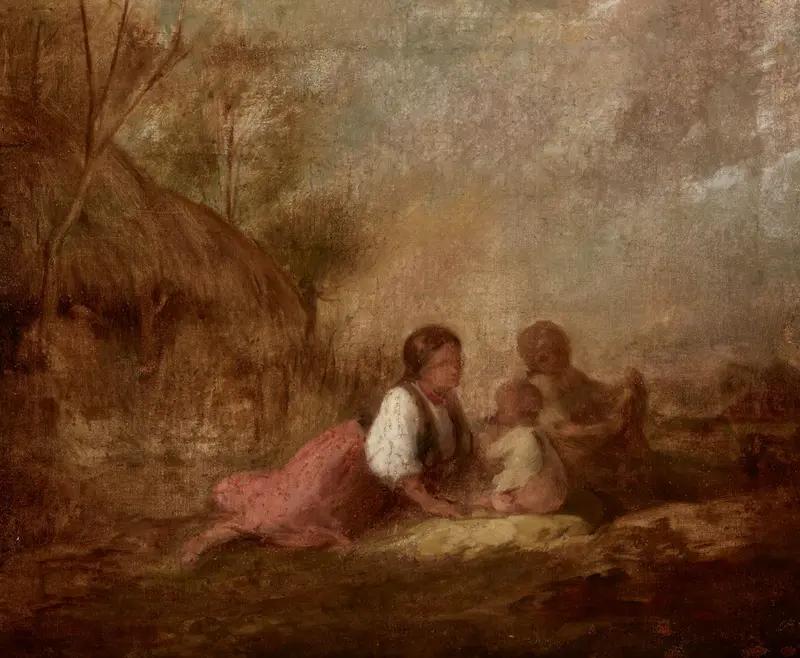
Pastoral Scene
Aleksander Kotsis
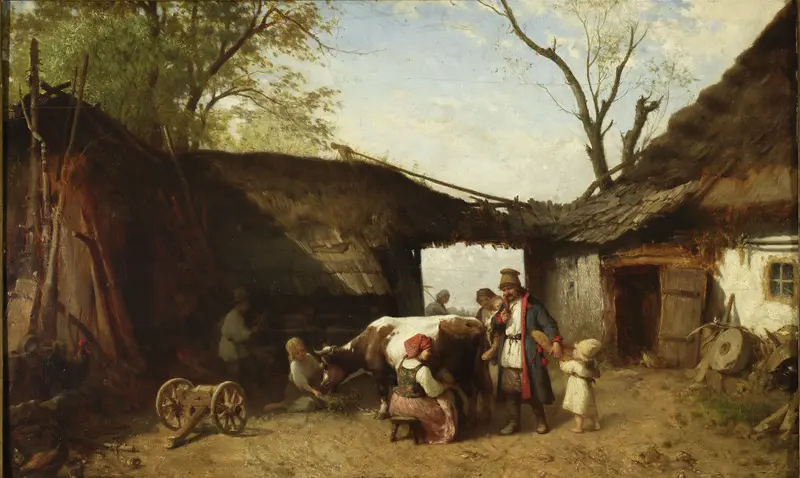
In the farmyard
Aleksander Kotsis
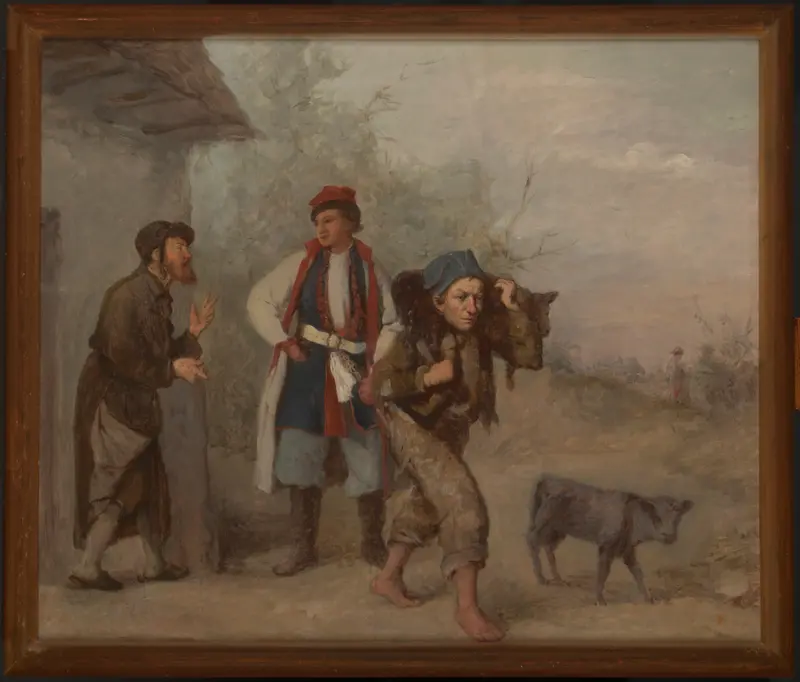
Haggling over a Calf
Aleksander Kotsis
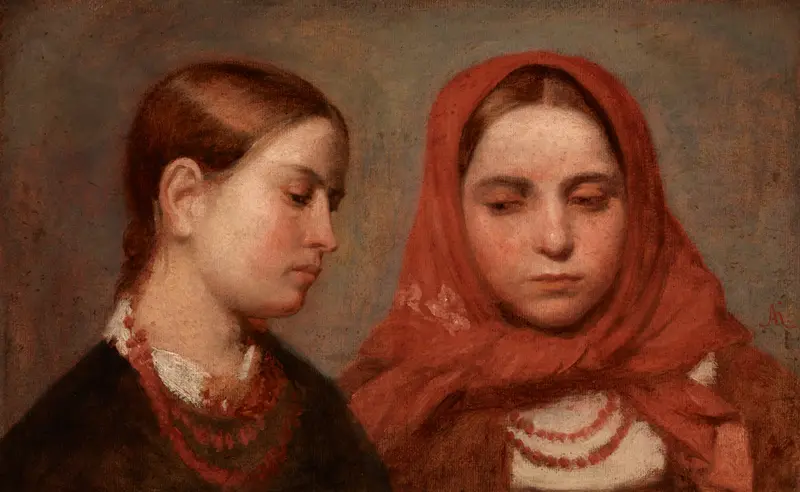
Heads of Two Young Girls
Aleksander Kotsis
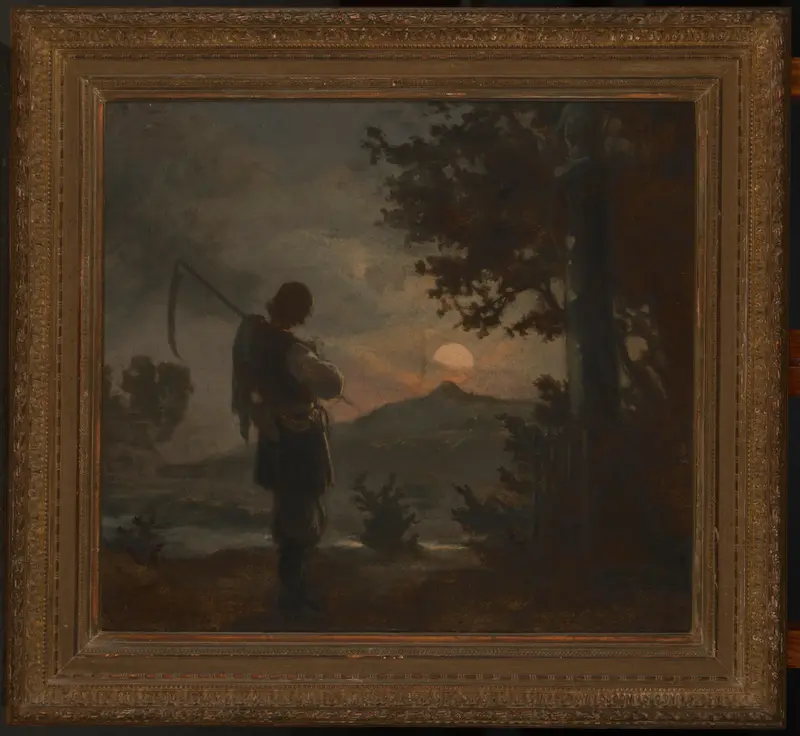
Haymaker
Aleksander Kotsis
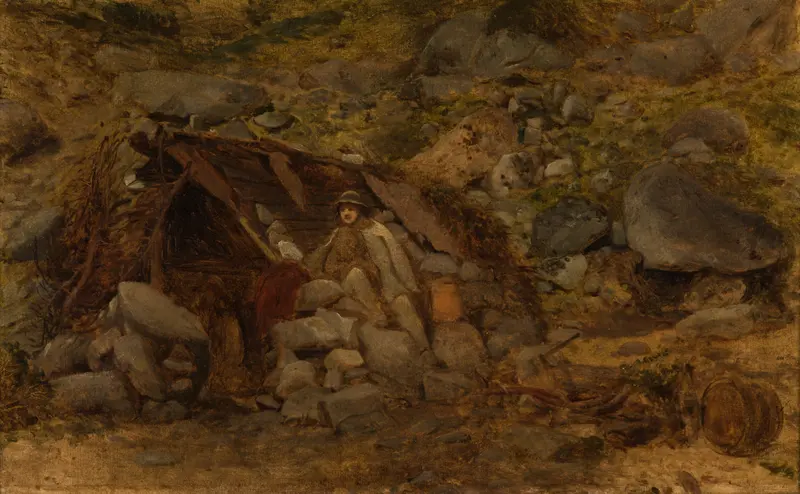
Highlander in Front of a Hut
Aleksander Kotsis
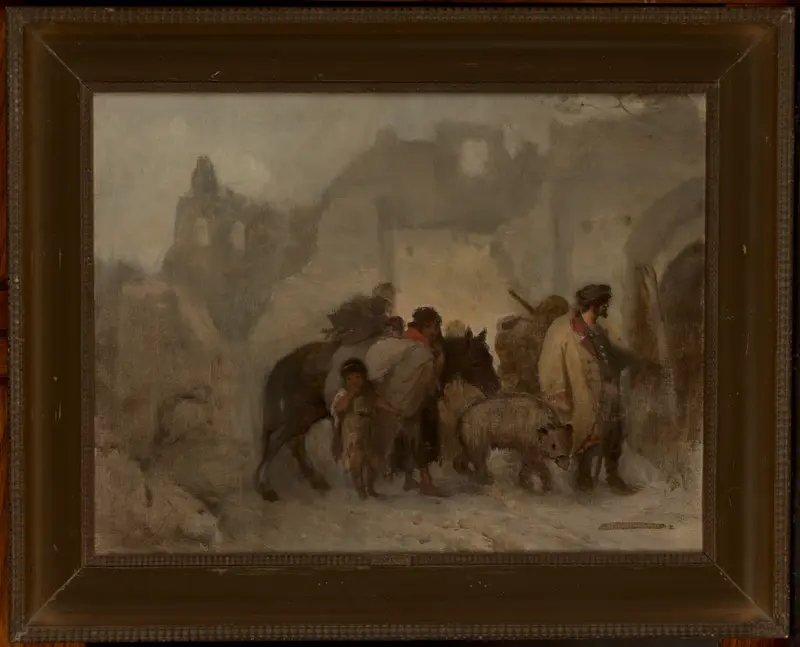
Gypsies
Aleksander Kotsis
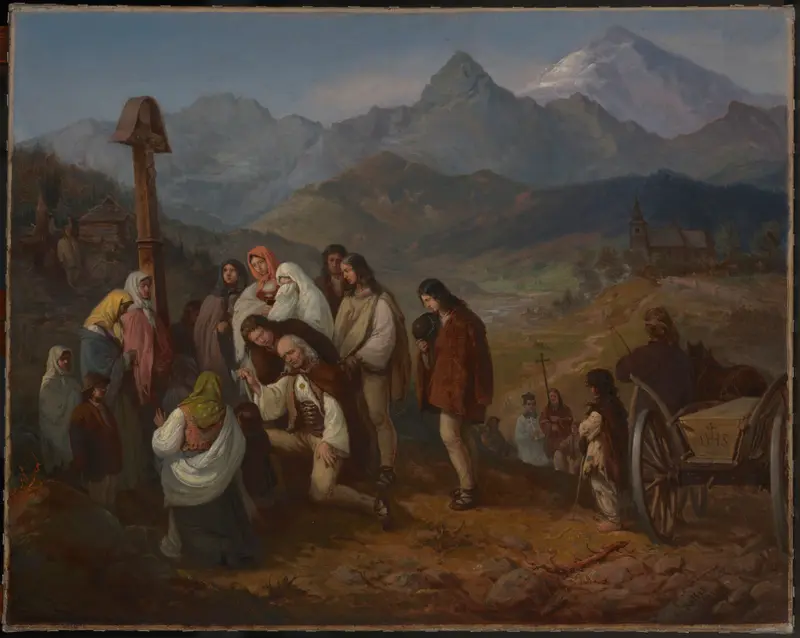
A Highlander's Funeral
Aleksander Kotsis





