
St. John the Evangelist — History & Facts
When Piero della Francesca painted St. John the Evangelist in 1454, he was working on commission for the church of Sant’Agostino in Sansepolcro—a project that would become a landmark in his career. This panel was originally part of a polyptych, a grand multi-paneled altarpiece, now scattered across museums.
While the whereabouts of some companion panels are known, others have vanished, making the reconstruction of the original ensemble a puzzle for art historians. The painting's journey from sacred centerpiece to solitary museum treasure mirrors the fate of many Renaissance altarpieces, disassembled and dispersed over centuries. The moment Piero chose is one of quiet revelation. St.
John the Evangelist stands, book in hand, his gaze steady and contemplative, as if pausing mid-vision. The saint’s red robe and blue mantle are rendered with the geometric clarity and subtle light that define Piero’s style, lending him an almost sculptural presence. The closed book may allude to the mysteries of the Gospel, while the saint’s calm, frontal pose invites the viewer into a direct, meditative encounter.
Compared to the more dramatic depictions by artists like El Greco, who often showed John in the throes of visionary ecstasy, Piero offers a figure of serene intellect and spiritual gravity. Little is known about the painting’s early history beyond its original home in Sansepolcro. After the altarpiece was dismantled—likely during the Napoleonic suppressions or later 19th-century church reforms—St. John the Evangelist entered the art market and eventually found its way into a museum collection, where it is admired today as a prime example of Piero della Francesca’s early maturity.
The medium remains uncertain, though it is likely tempera on panel, typical of the period. This work stands as a testament to Piero’s reputation, already noted by Vasari for his “rare and excellent works,” and continues to intrigue both scholars and visitors with its clarity and quiet power.
More Artworks by Piero Della Francesca

Portrait of the Duchess of Urbino, Battista Sforza
Piero Della Francesca

Portrait of Federico da Montefeltro
Piero Della Francesca

Federico da Montefeltro, Duke of Urbino
Piero Della Francesca
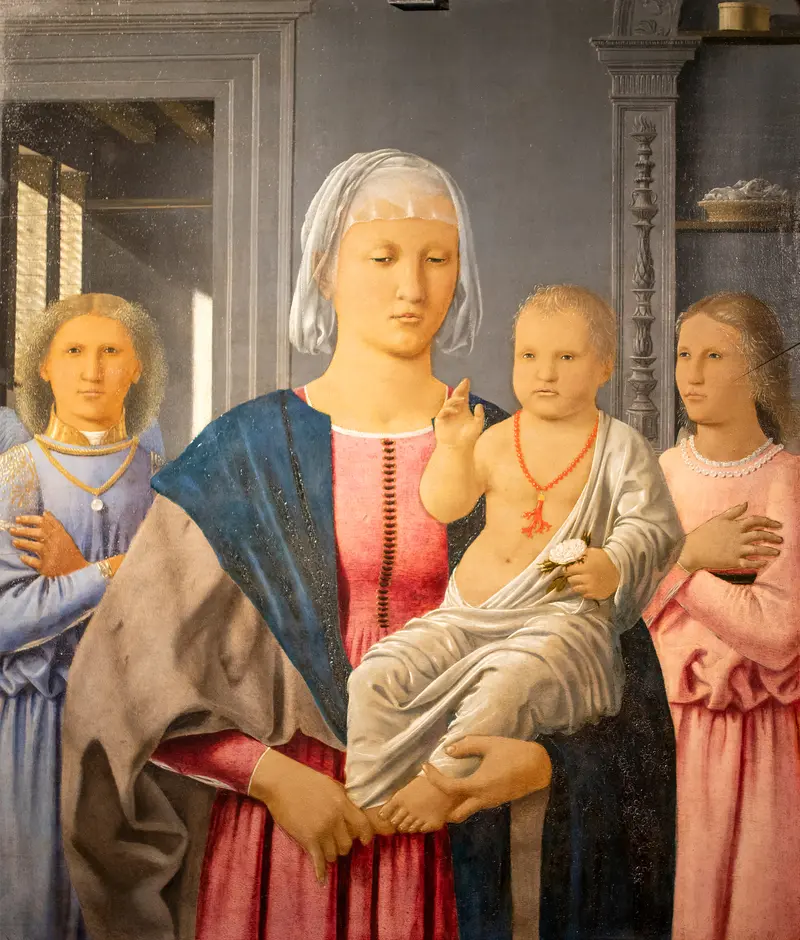
Madonna di Senigallia
Piero Della Francesca
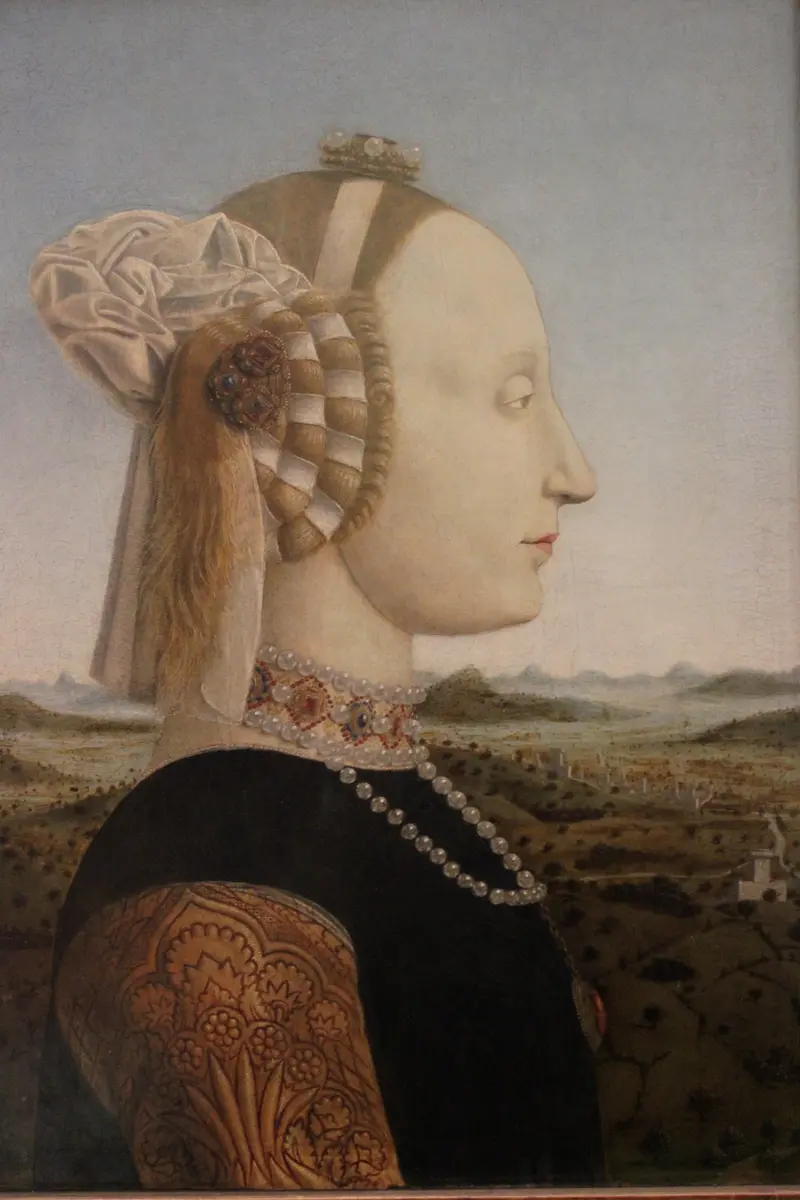
Portrait of Battista Sforza
Piero Della Francesca
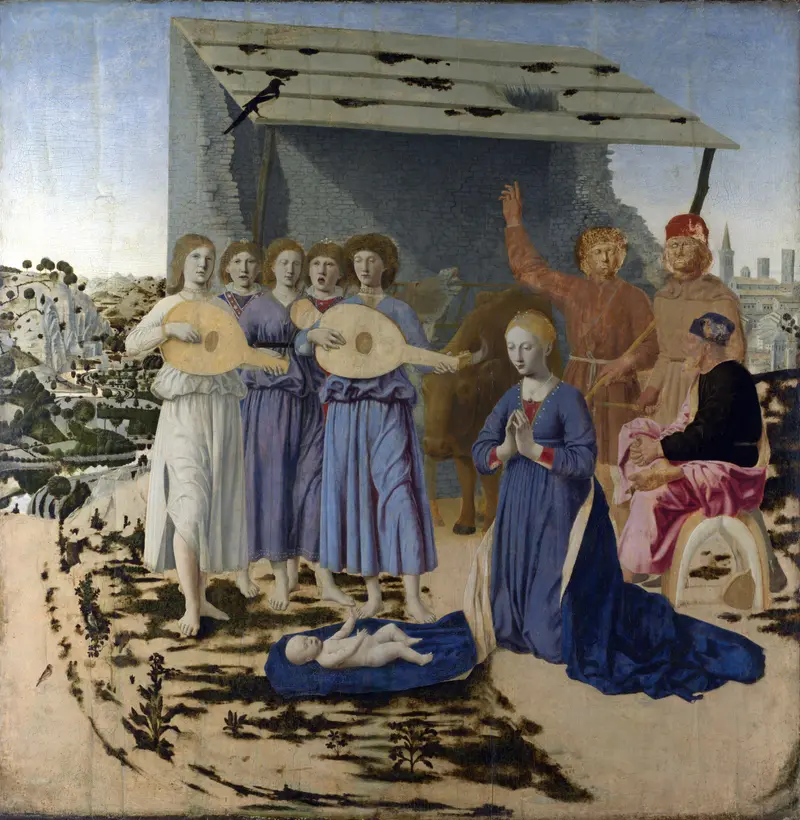
The Nativity
Piero Della Francesca
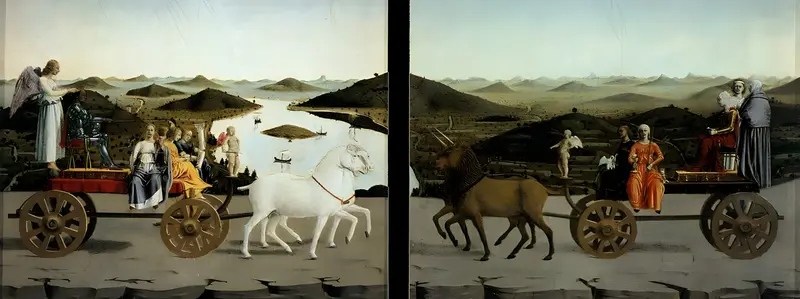
Diptych of Federico da Montefeltro and Battista Sforza
Piero Della Francesca
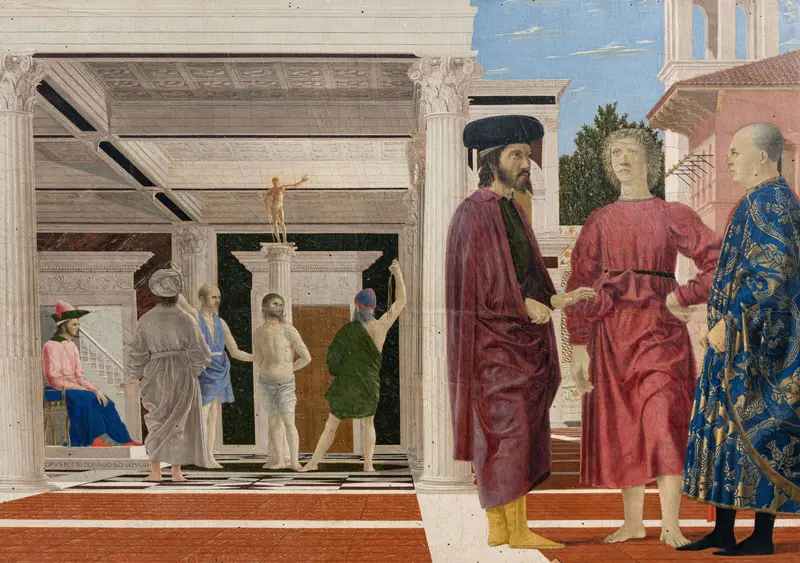
Flagellation of Christ
Piero Della Francesca
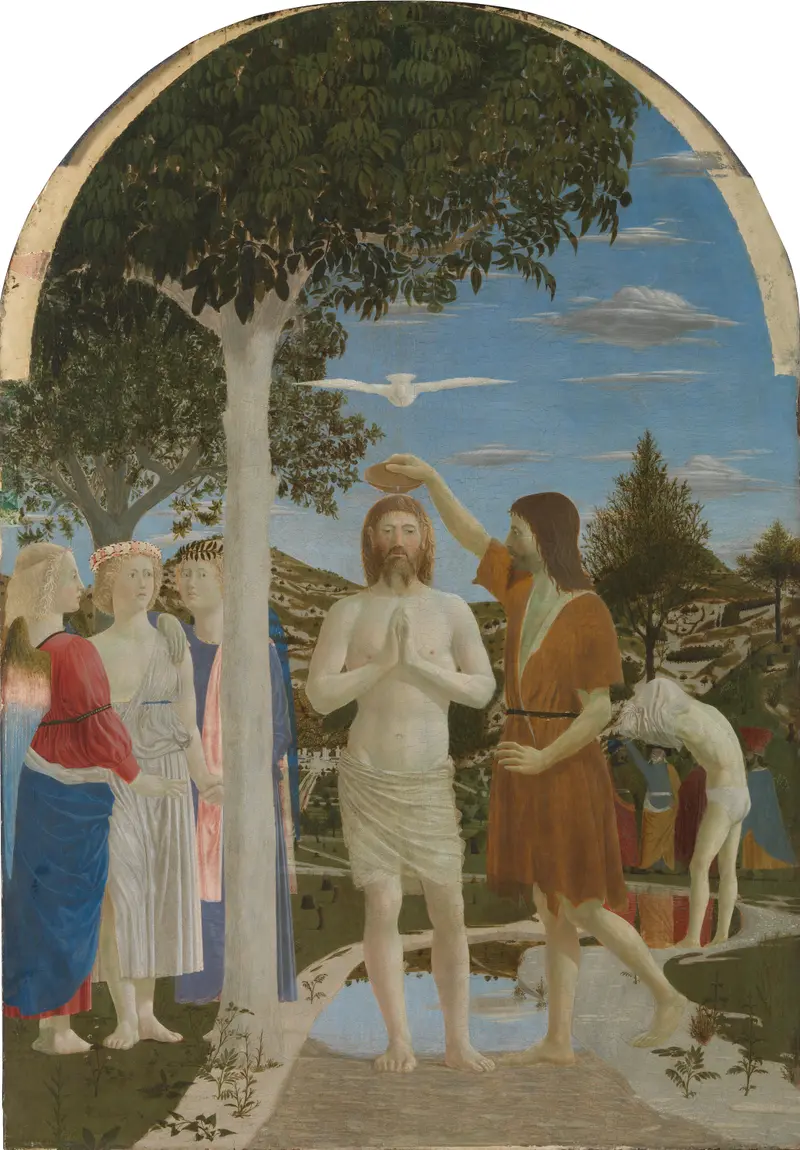
The Baptism of Christ
Piero Della Francesca
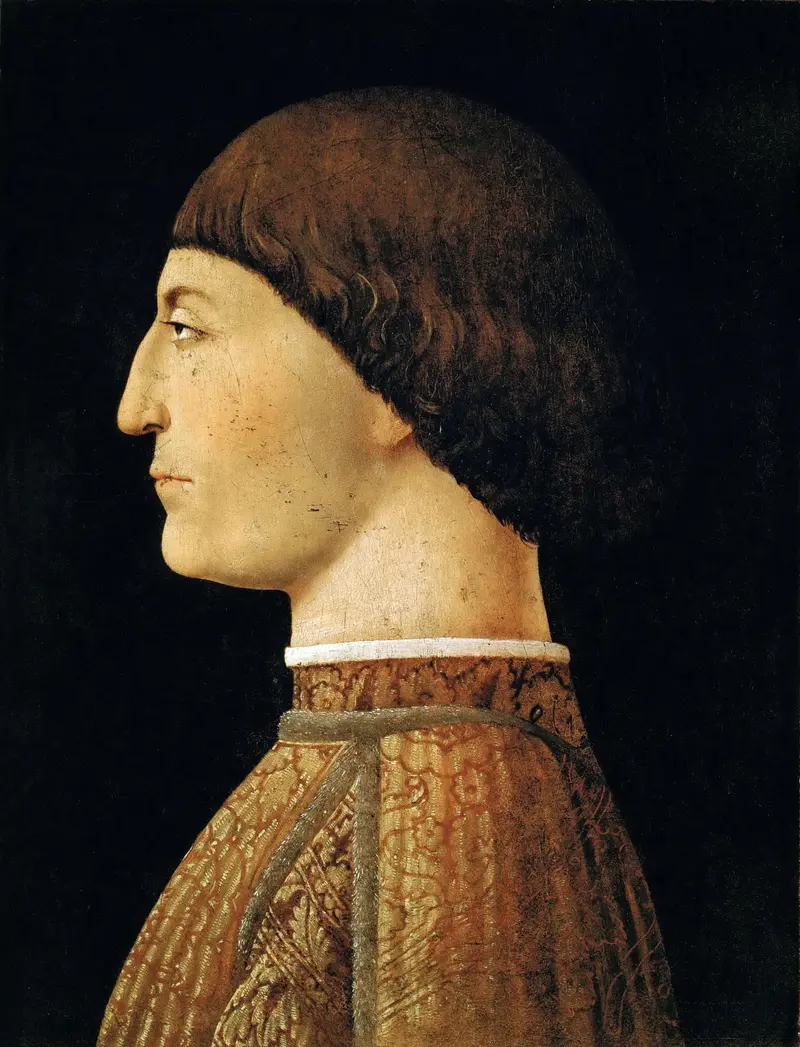
Portrait of Sigismondo Pandolfo Malatesta
Piero Della Francesca





