
St. Moritz — History & Facts
What secret hides in the quiet of the canvas? In St. Moritz, fragility weaves itself into the very fabric of the landscape, beckoning viewers to pause and reflect. Focus first on the delicate interplay of light across the snow-capped mountains, where soft sunlight bathes the peaks in a warm glow. Notice how the artist captures the serene tranquility of the lake, its surface mirroring the sky, creating an illusion of endless space.
The palette, a harmonious blend of muted blues and whites with hints of earthy tones, evokes a sense of calm, encouraging the eye to linger upon the details—the gentle ripples at the water's edge and the distant figures, seemingly small against the grandeur of nature. Delve deeper into the emotional undercurrents as the painting juxtaposes the majestic strength of the mountains with the fragile existence of the humans depicted. The figures, though small, are significant; they evoke a sense of solitude and introspection amidst nature's vastness. This contrast highlights the fleeting nature of life, emphasizing humanity's delicate relationship with the natural world—a reminder of our transient place within its beauty and power. Created between 1840 and 1844, Wagner painted *St.
Moritz* during a period marked by a growing fascination with the sublime in nature. At this time, artists were increasingly exploring the emotional depth of landscapes as reflections of human experience. Situated in a rapidly modernizing Europe, Wagner's work captures a moment of stillness in the midst of change, inviting viewers to reconnect with the quiet fragility that lies within us all.
More Artworks by Johann Friedrich Wagner
Browse all →
Chillon
Johann Friedrich Wagner

Valangin
Johann Friedrich Wagner
Greifenstein
Johann Friedrich Wagner

Vorburg
Johann Friedrich Wagner
Delémont
Johann Friedrich Wagner

Pleujouse
Johann Friedrich Wagner

Challay
Johann Friedrich Wagner
Mont Salvant
Johann Friedrich Wagner
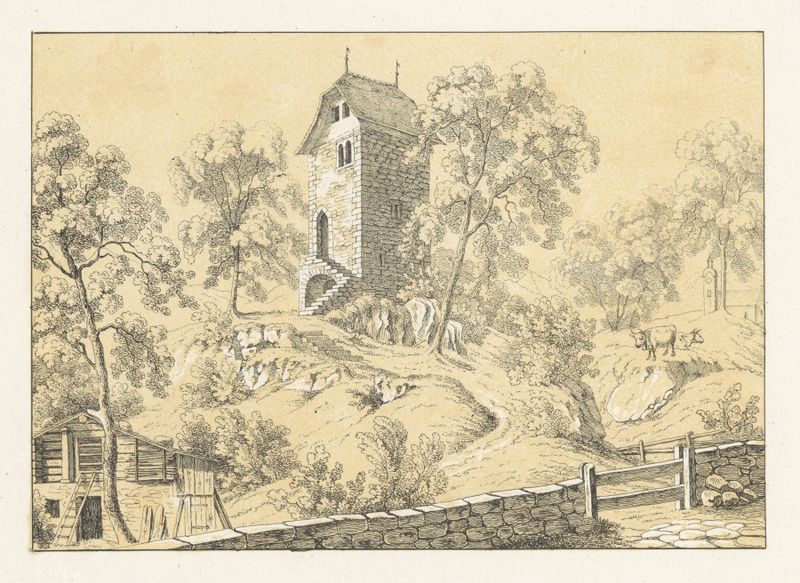
Aha. Od. Untere Burg von Sarnen
Johann Friedrich Wagner
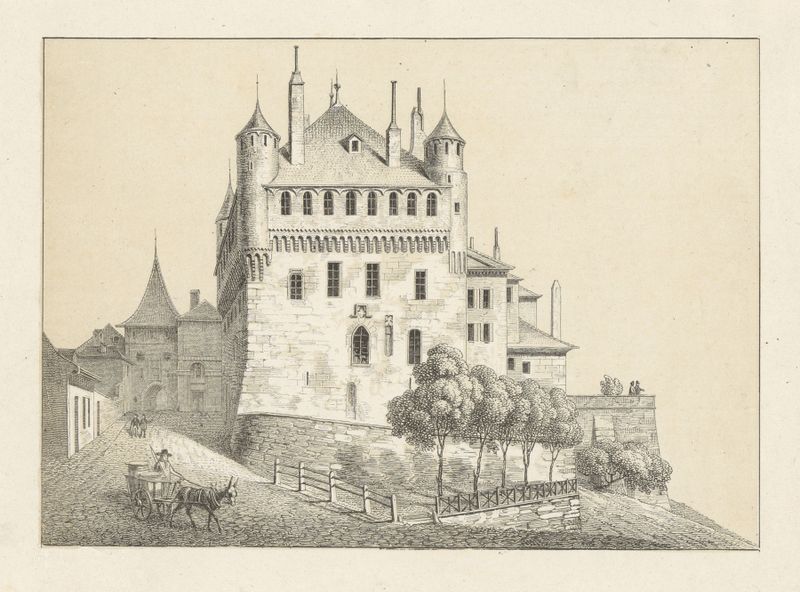
Lausanne
Johann Friedrich Wagner





