
St Sebastian Cured by St Irene — History & Facts
A single, raw arm reaches upward, pulling the eye into a hush of shadow where two figures bend over the wounded body. The drama of St Sebastian Cured by St Irene is not in the violence, but in the rescue: the moment after agony, when care and human touch return. Ribera’s brushwork draws the viewer into the flicker of hope—St Irene’s face intent, her gesture gentle but urgent, while her companion brings a vessel, perhaps oil or balm, to tend the martyr’s wounds.
The light falls almost exclusively on Sebastian’s exposed torso, transforming his suffering into a scene of fragile survival, while the rest dissolves into darkness. This is not a tableau of triumph, but of quiet, necessary mercy. Painted around 1628, this work belongs to a world where the Catholic Church commissioned powerful images to inspire faith and compassion, especially in the wake of the Counter-Reformation. Artists like Jusepe de Ribera—a Spaniard working in Naples—were celebrated for their ability to conjure flesh and suffering with unflinching realism, drawing on the dramatic lighting of Caravaggio but giving it a Spanish gravity.
The painting now resides in the Hermitage Museum, a testament to the enduring appeal of such scenes in both public devotion and private reflection. History has kept few traces of this particular canvas’s journey, but its shadows and light still speak urgently across centuries—inviting us to look closer at the moment when care interrupts despair.
More Artworks by Jusepe de Ribera

Saint Francis of Paola
Jusepe de Ribera

Penitent Saint Peter
Jusepe de Ribera
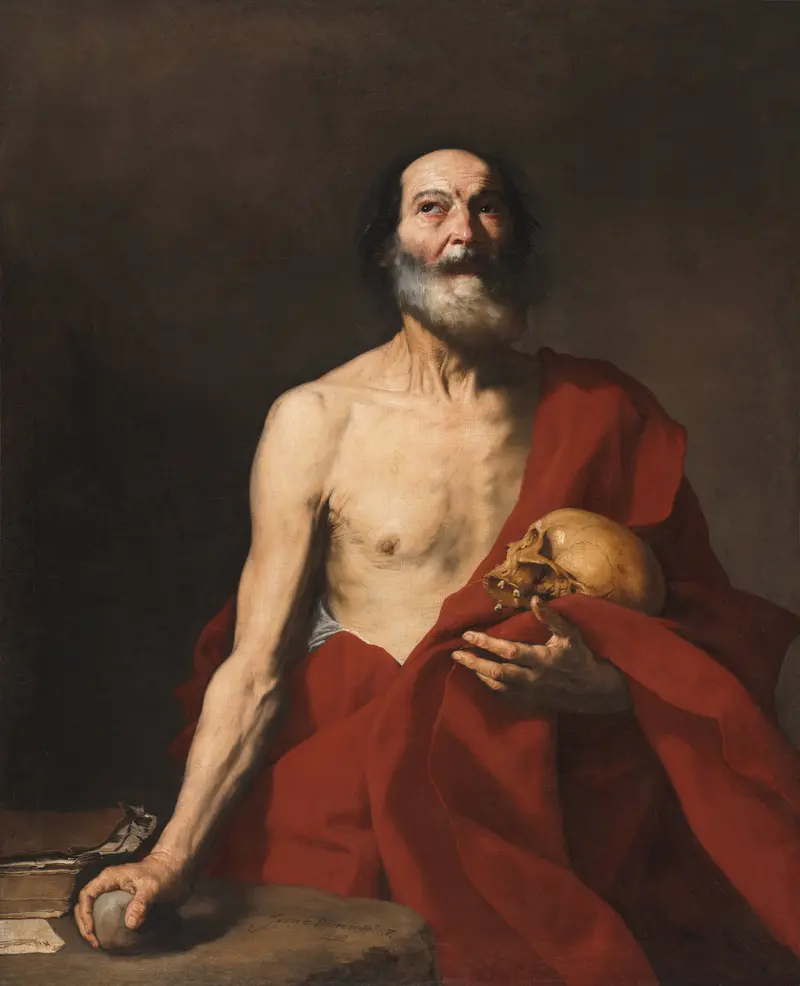
Saint Jerome
Jusepe de Ribera
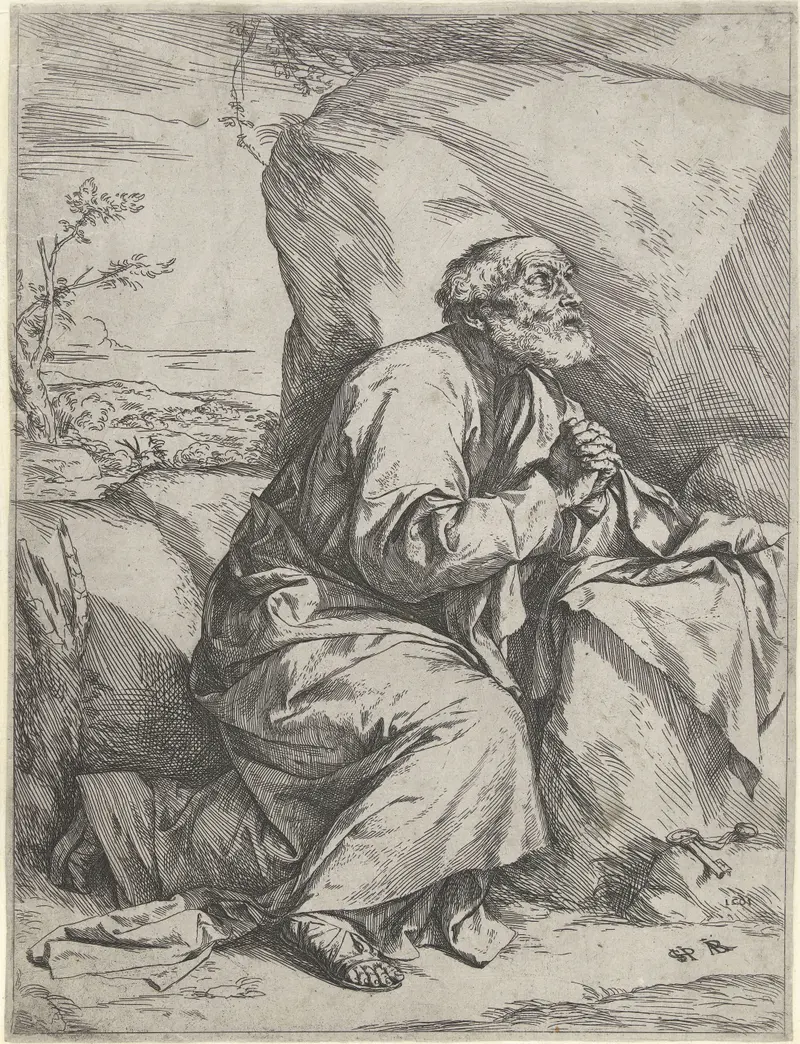
Boetvaardige Petrus
Jusepe de Ribera
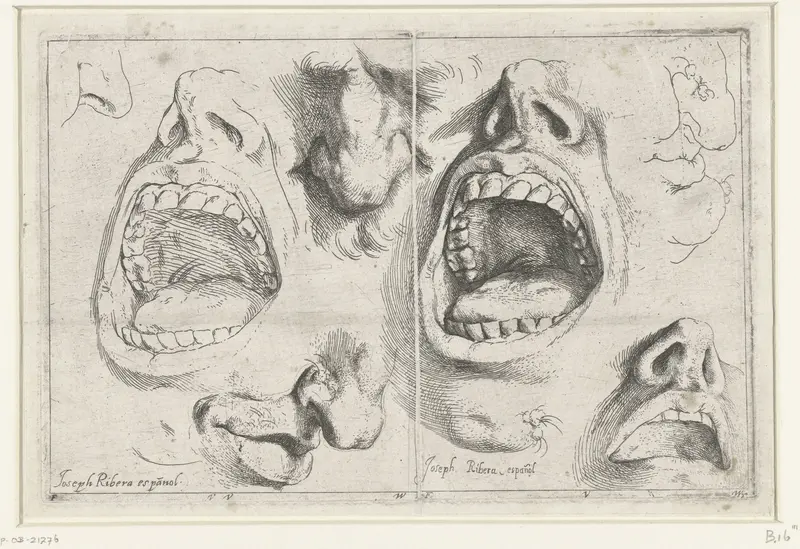
Studies van neus en mond
Jusepe de Ribera
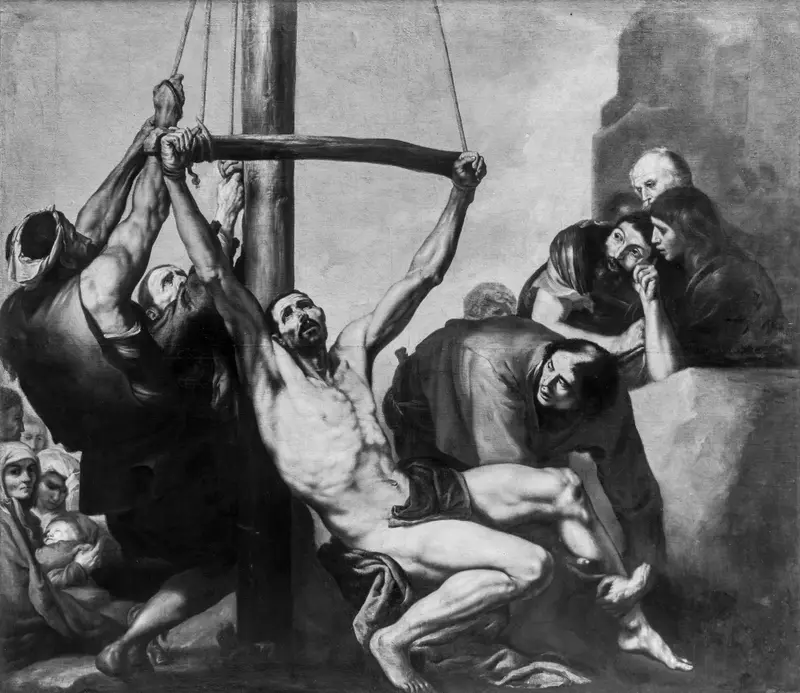
The Martyrdom of Saint Bartholomew
Jusepe de Ribera
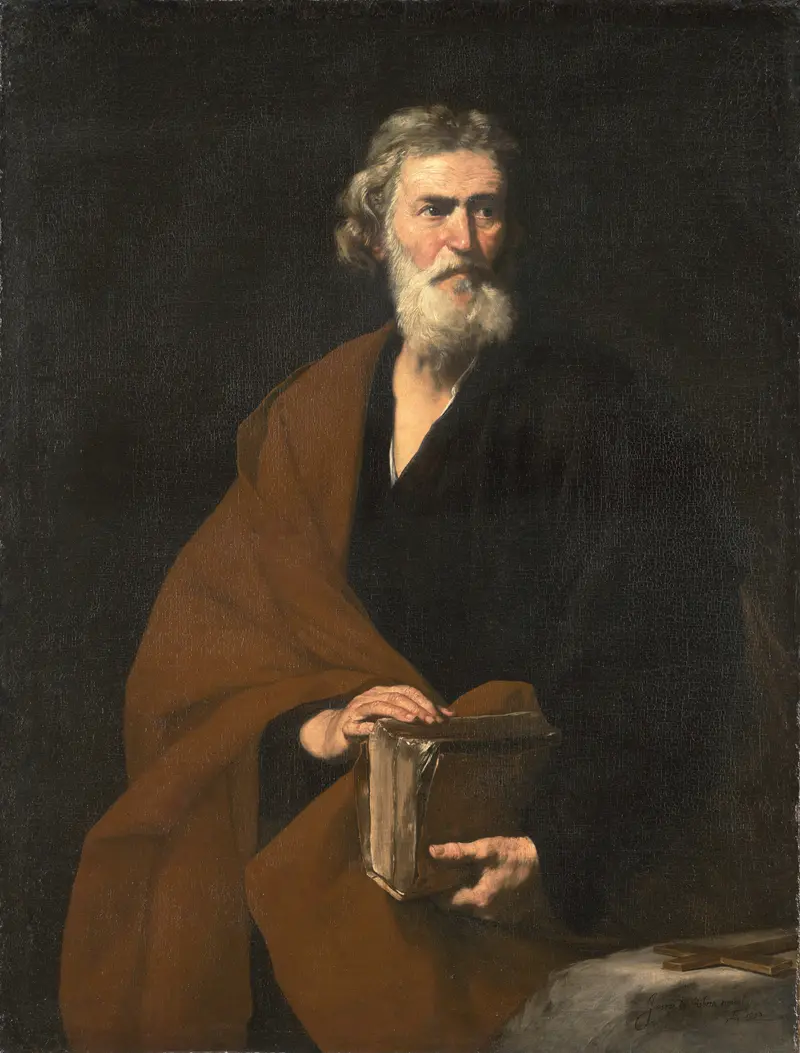
Saint Matthew
Jusepe de Ribera
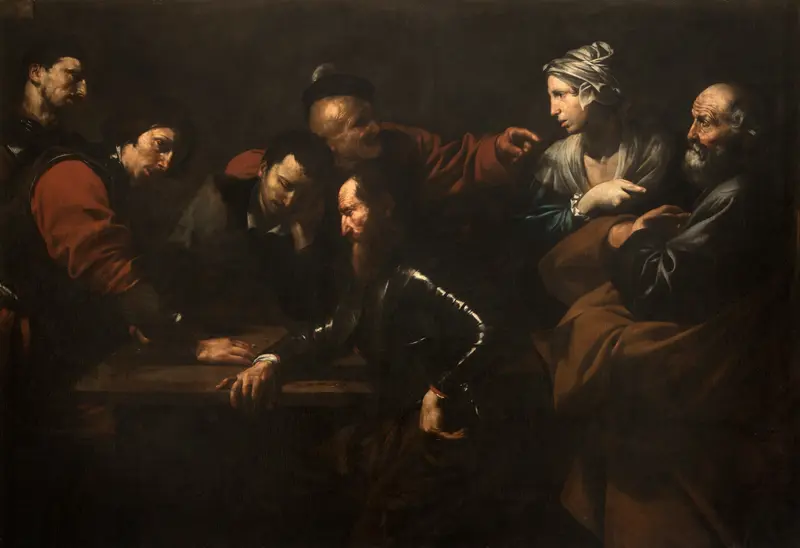
The Denial of Saint Peter
Jusepe de Ribera
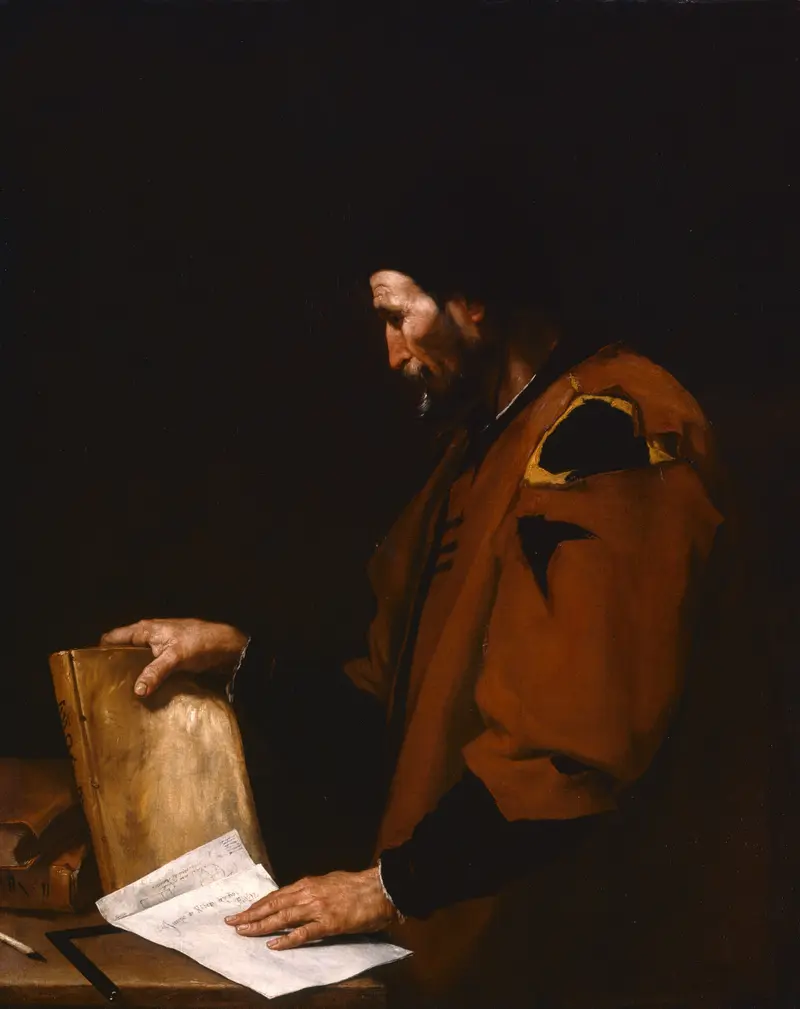
Aristotle
Jusepe de Ribera
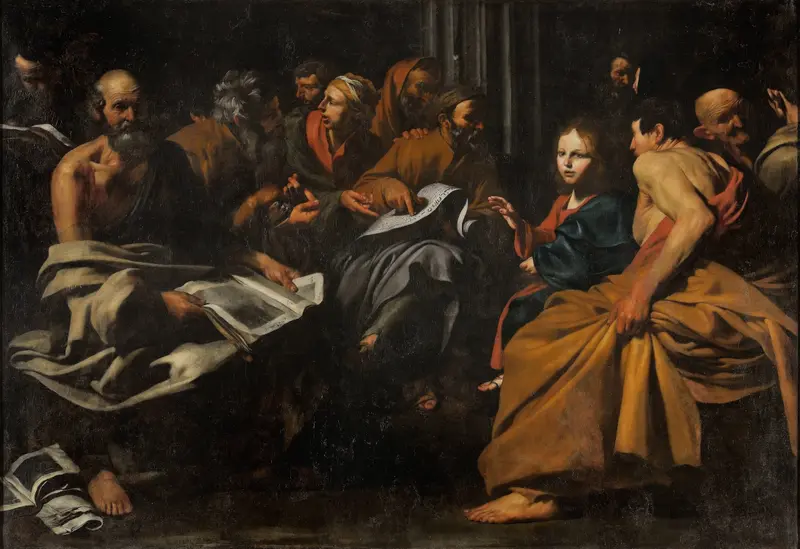
Christ among the doctors
Jusepe de Ribera





