
St. Ursanne — History & Facts
In the stillness of a moment captured, tranquility reigns supreme, offering a refuge from the chaotic tide of life. Look to the left at the soft contours of the hills, rolling gently into a calm embrace, while the delicate strokes evoke a sense of harmony. Focus on the quaint village below, where tiny houses are nestled with care, their warm hues glowing against the cool blues and greens of nature. Notice the gentle play of light reflecting off the river, a silver ribbon weaving through the landscape, drawing the eye and heart towards the horizon, hinting at the promise of a new day. This serene tableau carries hidden meanings—an invitation to pause amidst the rush of existence.
The intricate details of the village reveal a deeper connection between humanity and nature, suggesting that solace can be found in simplicity. The contrast of the bustling life within the homes against the vast, tranquil backdrop highlights a universal longing for serenity, urging viewers to seek their own peace amidst life’s noise. Created between 1840 and 1844, the artist’s work emerged during a period marked by Romanticism’s embrace of nature and introspection. This era saw a growing fascination with the idyllic, as artists sought to evoke emotions through landscapes.
Wagner, working in this milieu, painted St. Ursanne in Switzerland, inspired by the pastoral beauty surrounding him, reflecting the era's ideals of harmony and connection with the natural world.
More Artworks by Johann Friedrich Wagner
Browse all →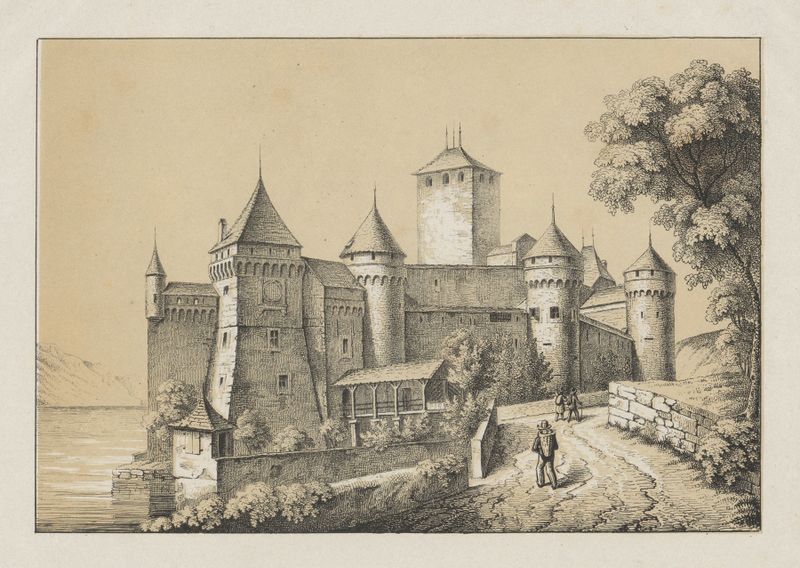
Chillon
Johann Friedrich Wagner

Valangin
Johann Friedrich Wagner
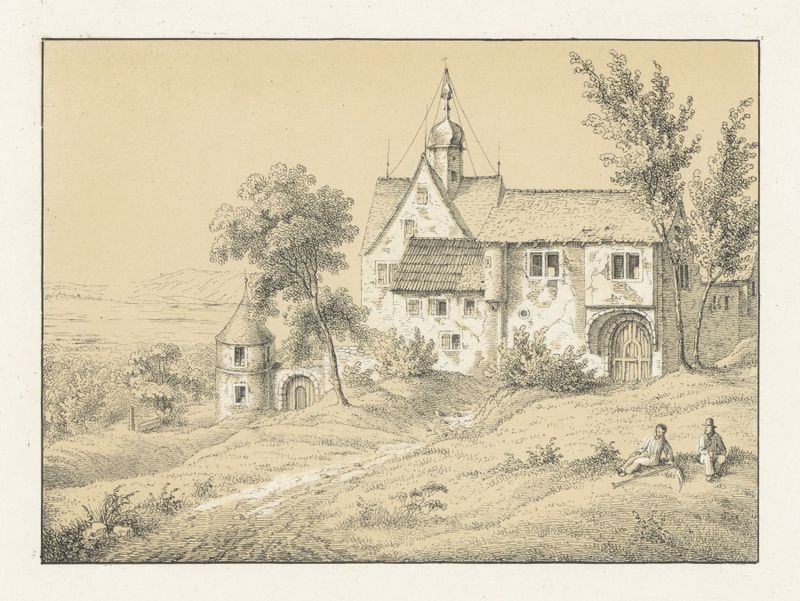
Greifenstein
Johann Friedrich Wagner

Vorburg
Johann Friedrich Wagner
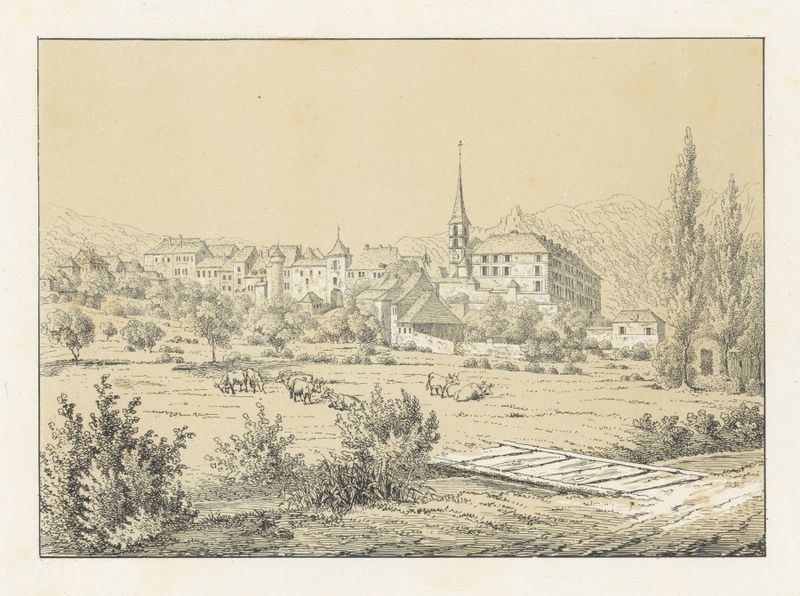
Delémont
Johann Friedrich Wagner

Pleujouse
Johann Friedrich Wagner

Challay
Johann Friedrich Wagner
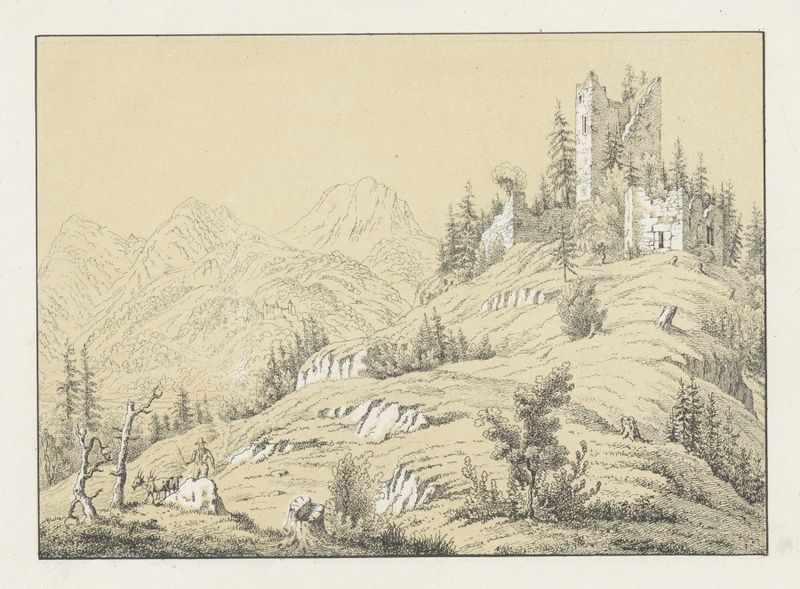
Mont Salvant
Johann Friedrich Wagner
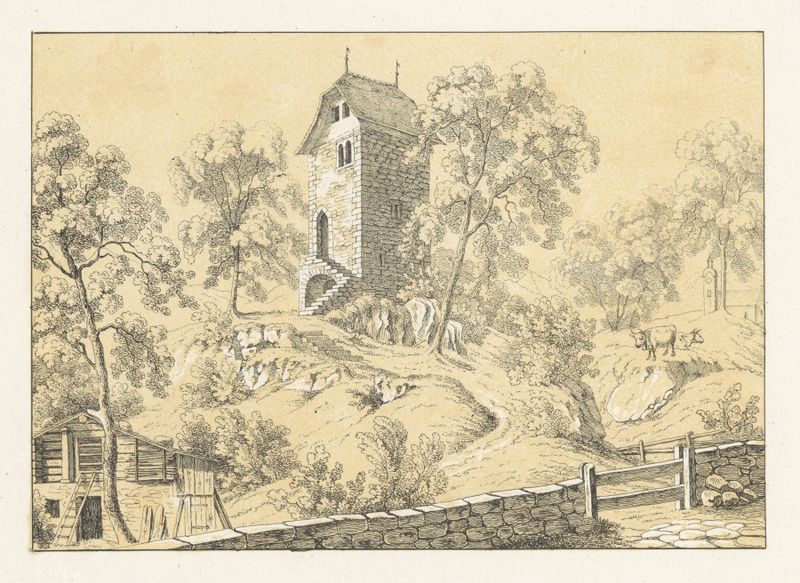
Aha. Od. Untere Burg von Sarnen
Johann Friedrich Wagner
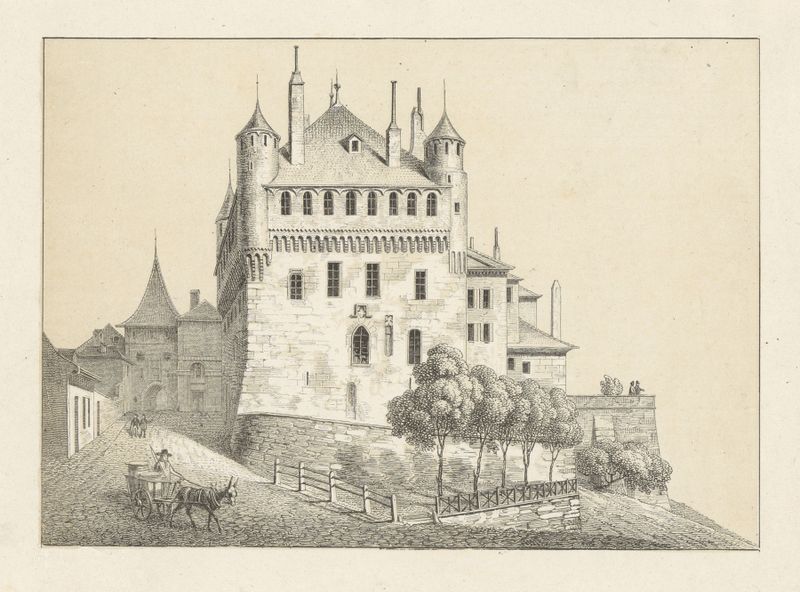
Lausanne
Johann Friedrich Wagner





