Staande leeuw — History & Facts
What if beauty was never meant to be finished? The graceful form of a lion stands eternal in this intricate engraving, a testament to nature's raw power and vulnerability interwoven with longing. Look to the center, where the lion’s imposing stance commands attention. Its muscular body, adorned with a flowing mane, seems to breathe life into the stillness of the paper. Notice how the cross-hatching technique creates a delicate interplay of light and shadow, enhancing the lion's majesty yet evoking a sense of melancholy.
The details in its fur, exquisitely rendered, invite the viewer to appreciate not just the creature's strength, but also its solitude. The emotional tension lies in the juxtaposition of the lion's fierce expression and the soft curves of its body. The underlying sense of longing becomes palpable as one contemplates the lion's solitary stance, perhaps yearning for freedom in a world that confines it to the page. Each line and shadow seems to whisper of a wilderness lost, where beauty exists but is forever out of reach, echoing a deeper truth about existence itself. In 1649, Wenceslaus Hollar created Staande leeuw while residing in London, having fled his native Prague due to the Thirty Years' War.
This period marked a time of profound transformation in the art world, where engravings became a vital means of artistic expression. Hollar, influenced by both the natural world and the Baroque aesthetic, sought to capture the essence of nature's creatures, a reflection of his own displacement and the longing for a home he could no longer claim.
More Artworks by Wenceslaus Hollar
Browse all →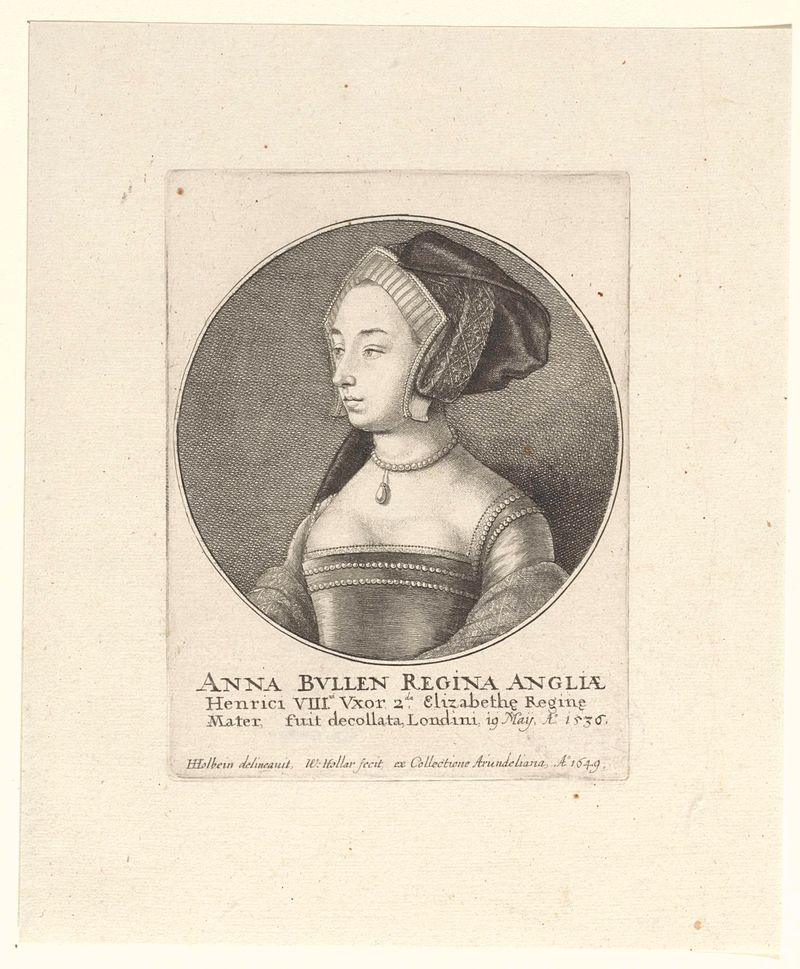
Portret van Anna Boleyn, koningin van Engeland
Wenceslaus Hollar
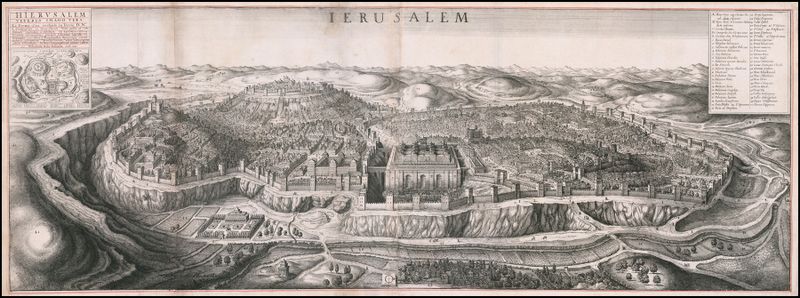
Bird’s eye view of Jerusalem
Wenceslaus Hollar
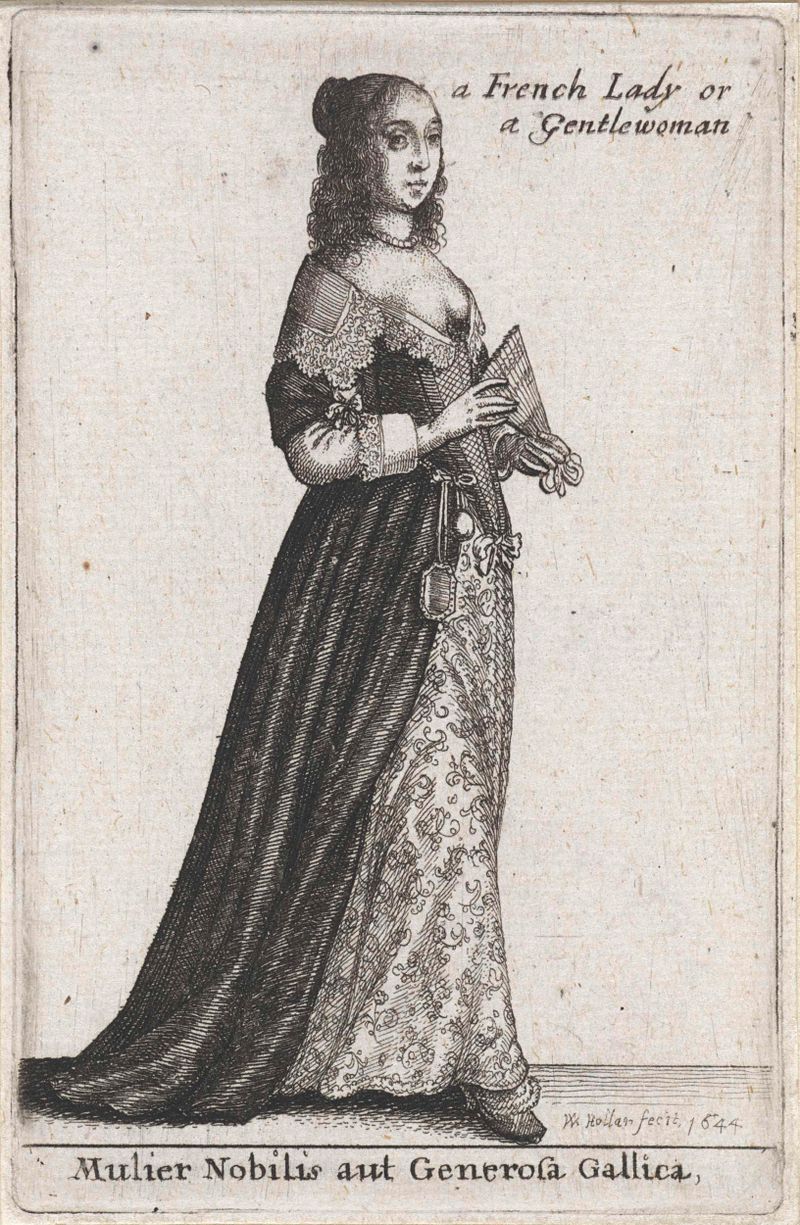
Mulier Nobilis aut Generosa Gallica / a French Lady or Gentlewoman
Wenceslaus Hollar
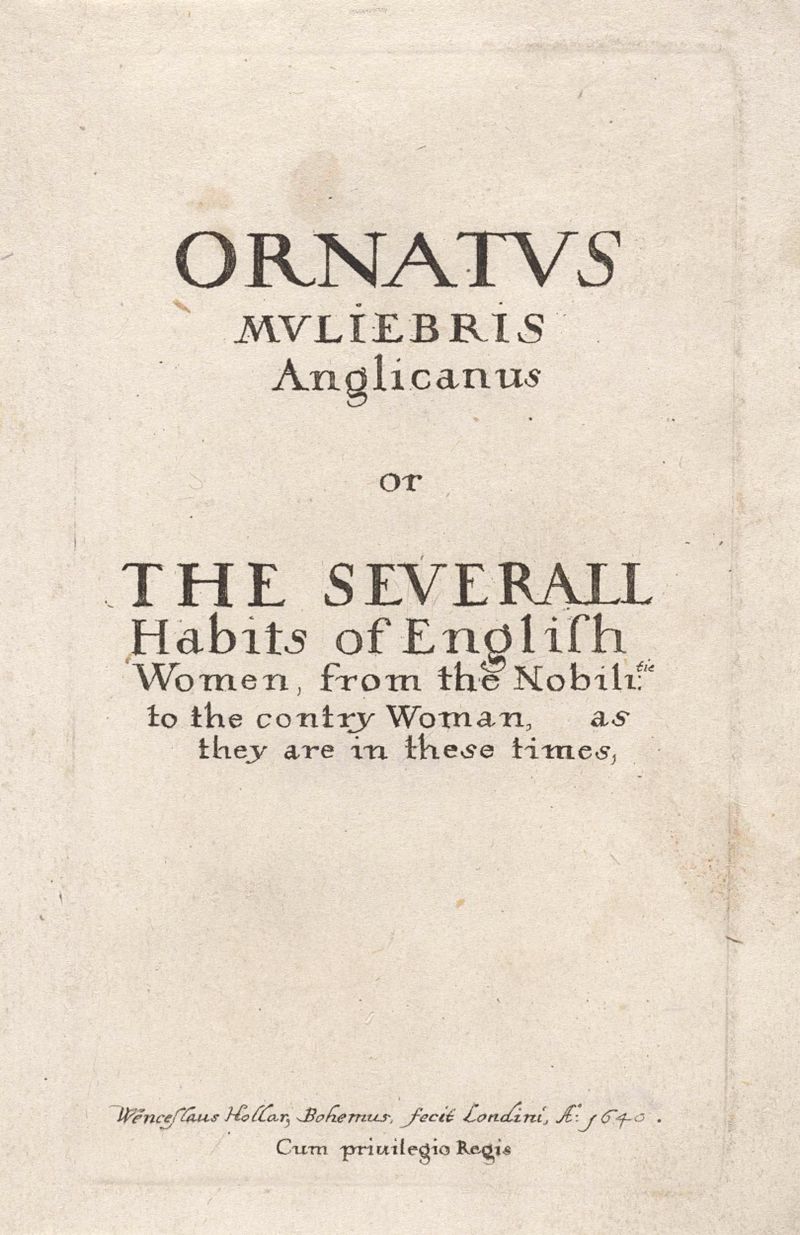
Titelprent voor: Ornatus Muliebris Anglicanus
Wenceslaus Hollar
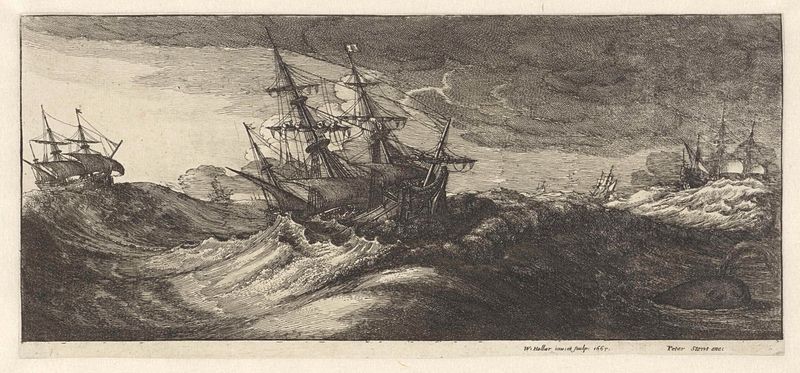
Oorlogsschepen en een walvis in een zeestorm
Wenceslaus Hollar
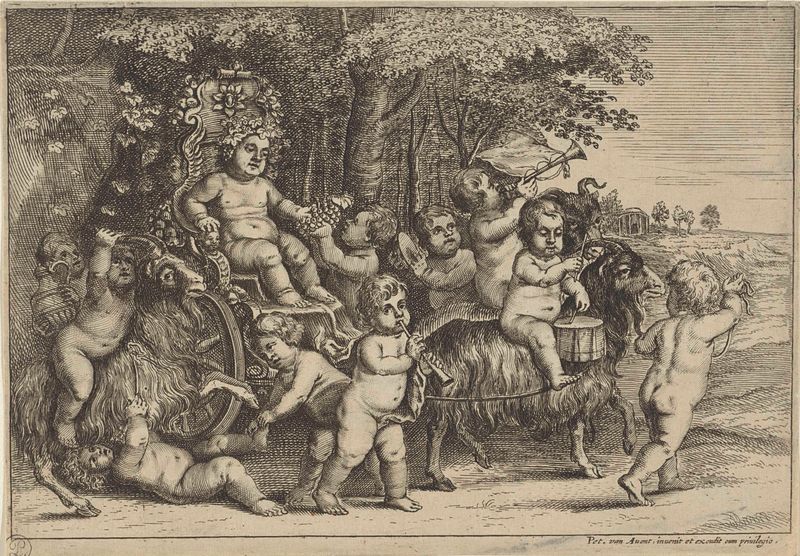
Optocht van bacchant en jongetjes op geiten
Wenceslaus Hollar
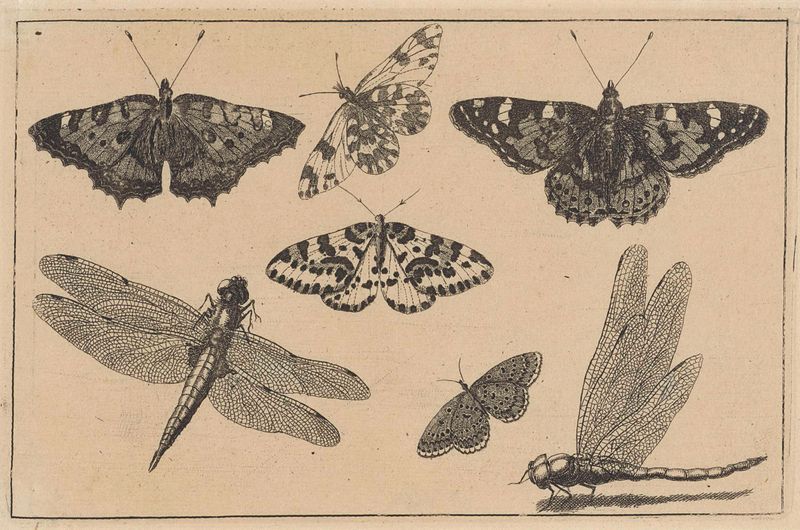
Twee libellen en vijf vlinders
Wenceslaus Hollar
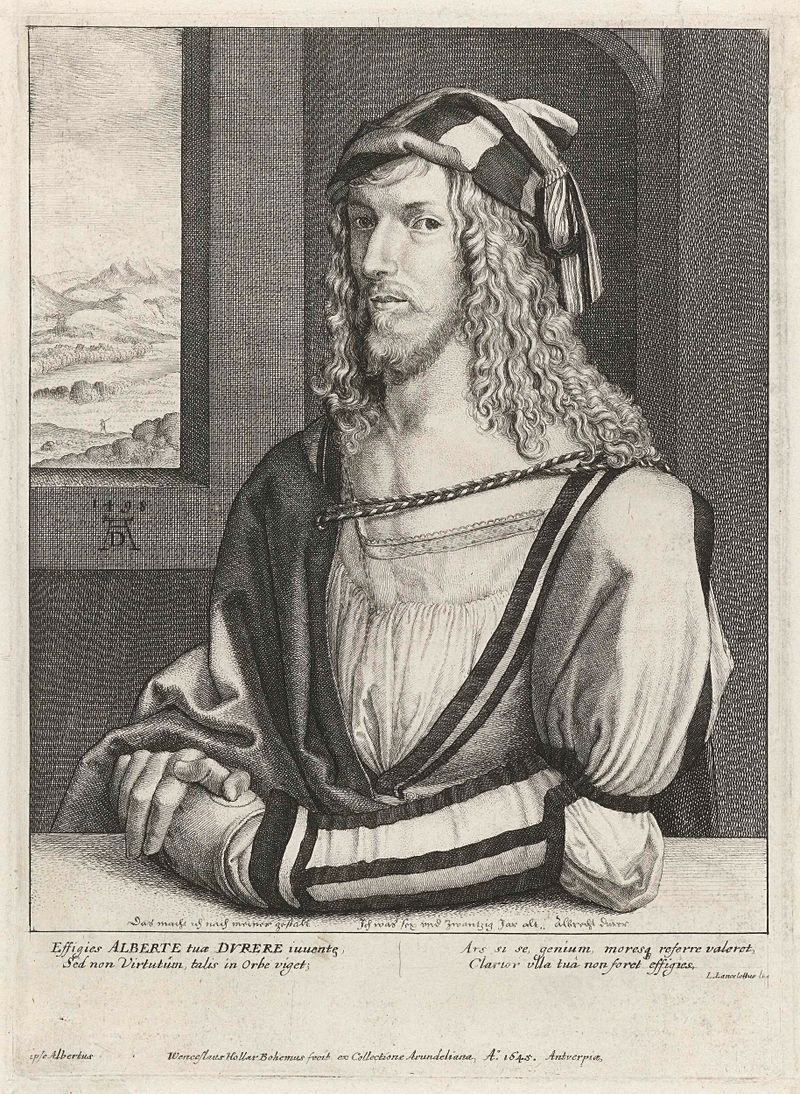
Portret van Albrecht Dürer
Wenceslaus Hollar
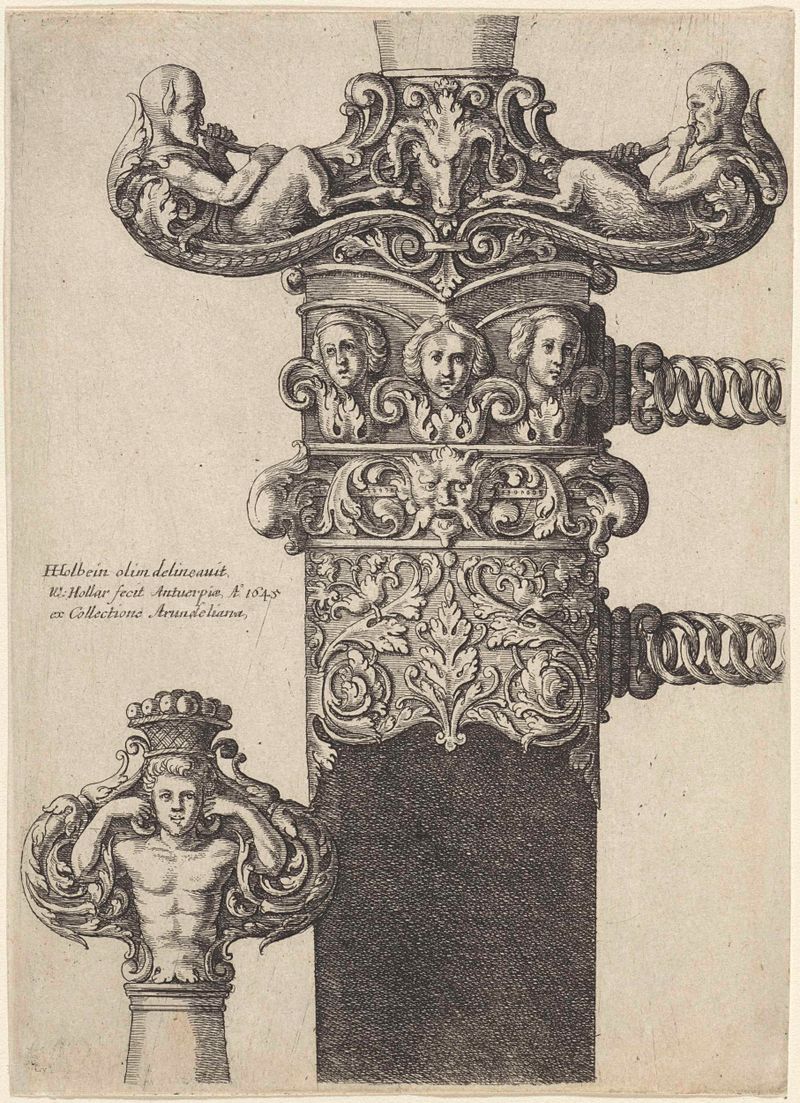
Ornamenteel ontwerp voor een dolk
Wenceslaus Hollar
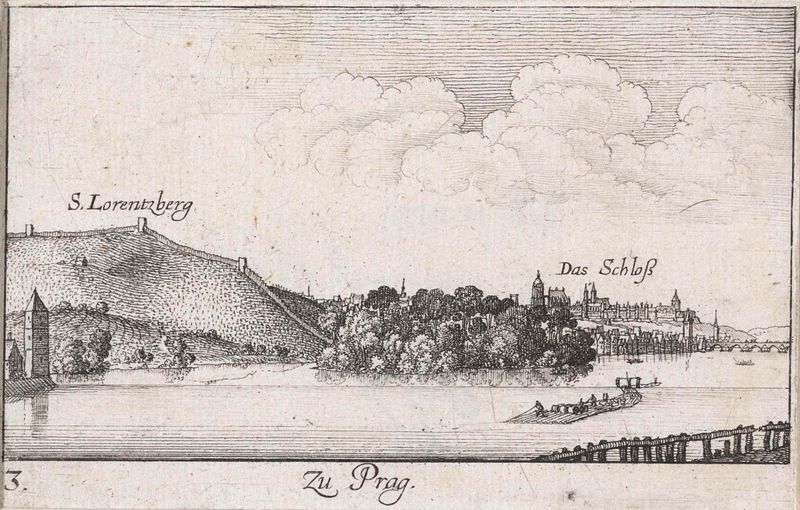
Gezicht op Praag vanaf de Moldau
Wenceslaus Hollar