
Stadswapen van Brussel — History & Facts
Did the painter know this moment would outlive them? In Stadswapen van Brussel, Wenceslaus Hollar encapsulates a vision of resilience and identity, forever etched in time through the delicate strokes of his etching. Look closely at the central coat of arms, adorned with the lion standing resolute. The intricate details draw your eye immediately; the lion’s fierce expression and the rich textures of its mane seem to leap from the surface. Surrounding this emblem, the carefully rendered decorations entwine elements of Brussels’ history, each line and shadow meticulously crafted in shades of black and white, creating a striking contrast that elevates the significance of the imagery. Within the simple elegance lies a profound narrative.
The lion, a symbol of courage and strength, speaks not only to the city’s spirit but also to the sense of unity amidst adversity. Notice the wreath encircling the coat of arms, representing hope and renewal, suggesting that even in tumultuous times, the heartbeat of a city remains vibrant. The precision of Hollar’s technique reveals his deep understanding of the symbolic weight of every element, drawing the viewer into a contemplative reflection on legacy. In 1646, while living in Antwerp, Hollar created this work during a period marked by political instability in Europe.
The artist, originally from Prague, sought refuge in the vibrant artistic community of the Low Countries. His work, celebrated for its detailed engravings, speaks to the artistic revolution of the time, as artists began to explore themes of identity and national pride amidst shifting tides.
More Artworks by Wenceslaus Hollar
Browse all →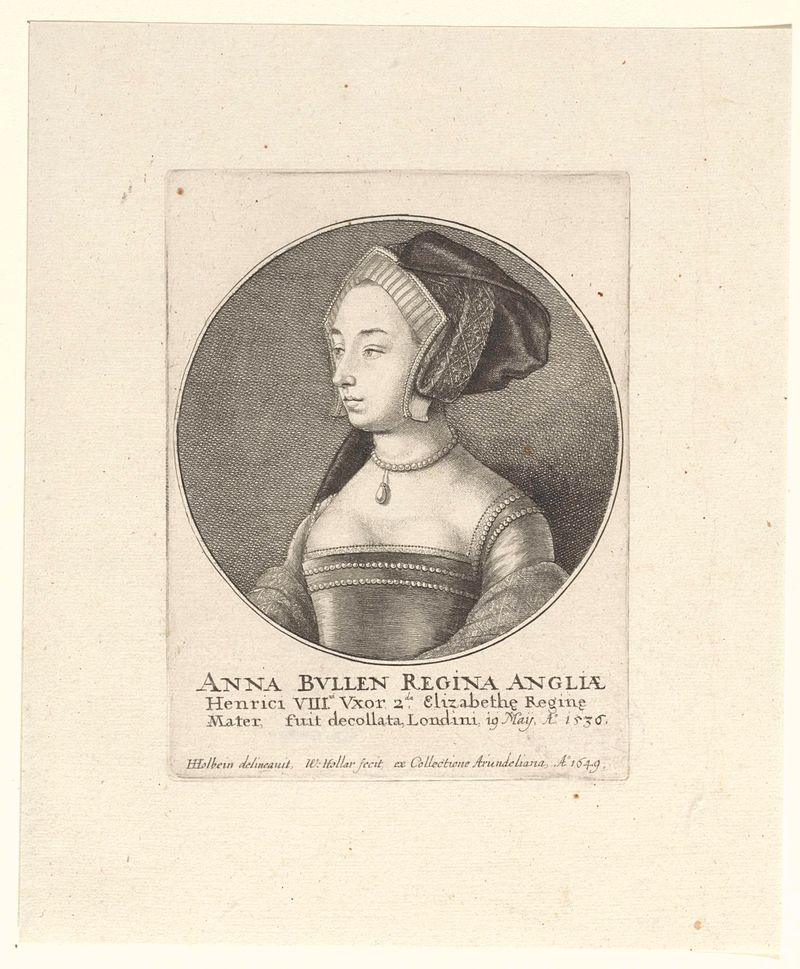
Portret van Anna Boleyn, koningin van Engeland
Wenceslaus Hollar
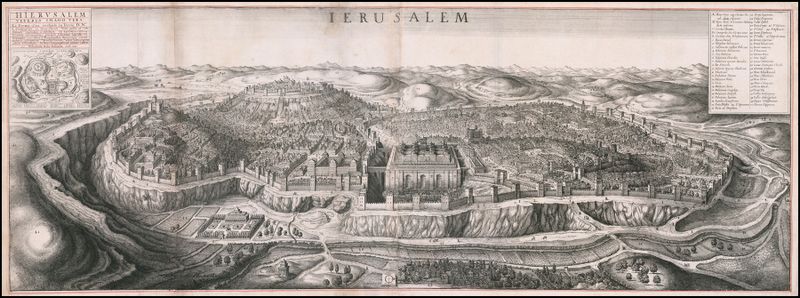
Bird’s eye view of Jerusalem
Wenceslaus Hollar
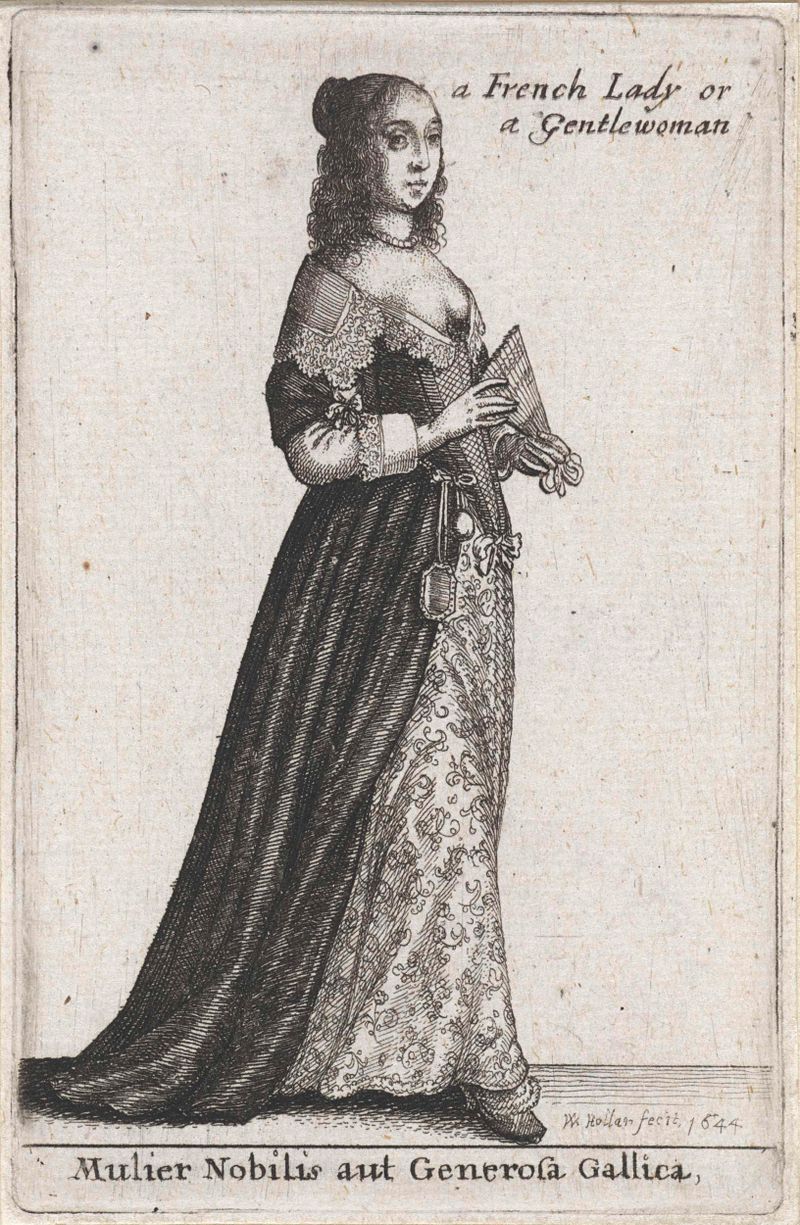
Mulier Nobilis aut Generosa Gallica / a French Lady or Gentlewoman
Wenceslaus Hollar
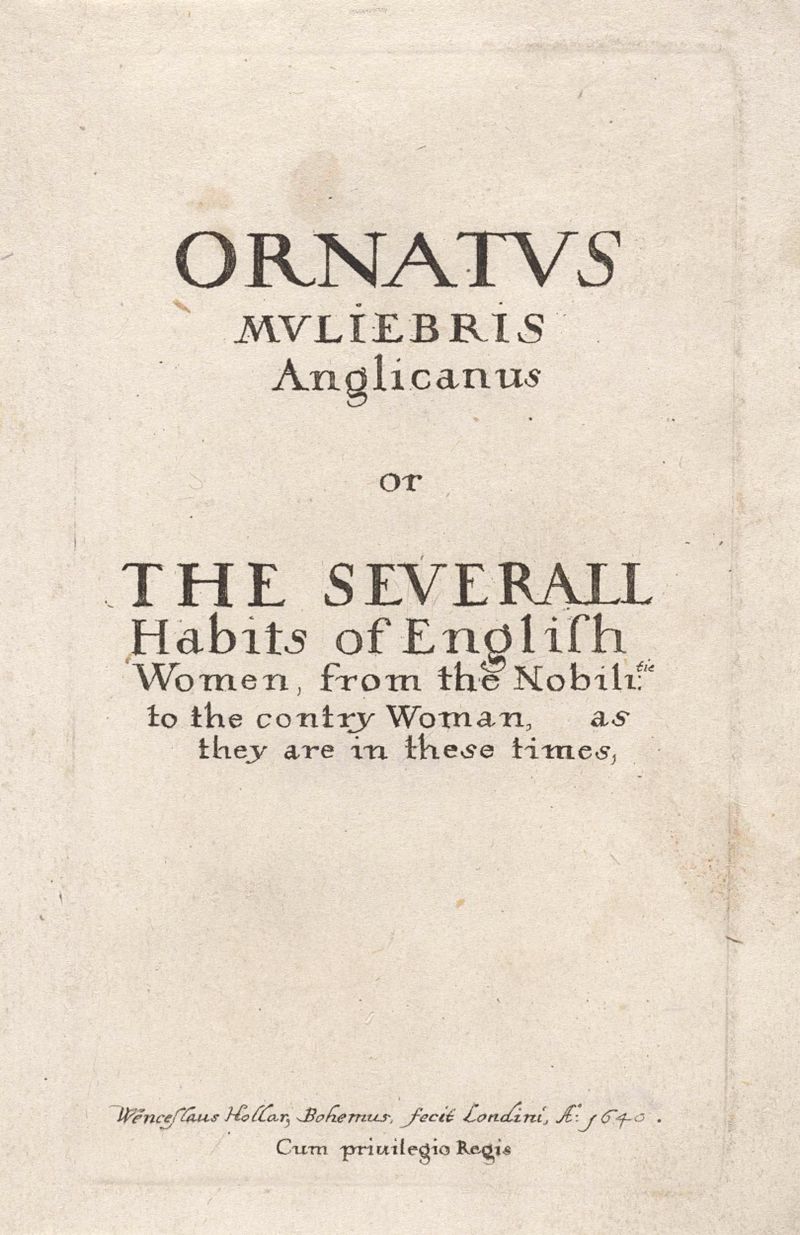
Titelprent voor: Ornatus Muliebris Anglicanus
Wenceslaus Hollar
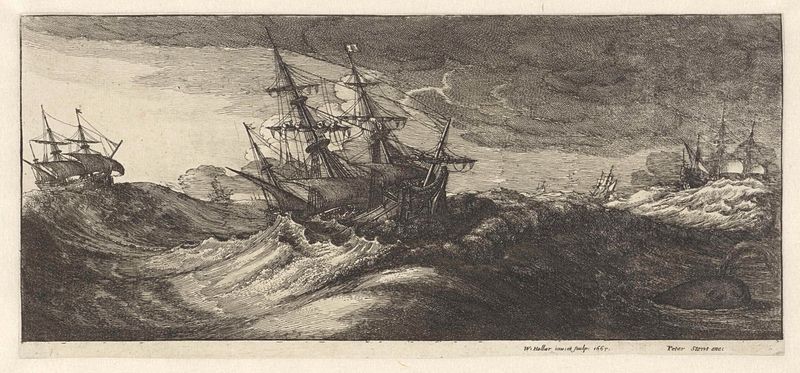
Oorlogsschepen en een walvis in een zeestorm
Wenceslaus Hollar
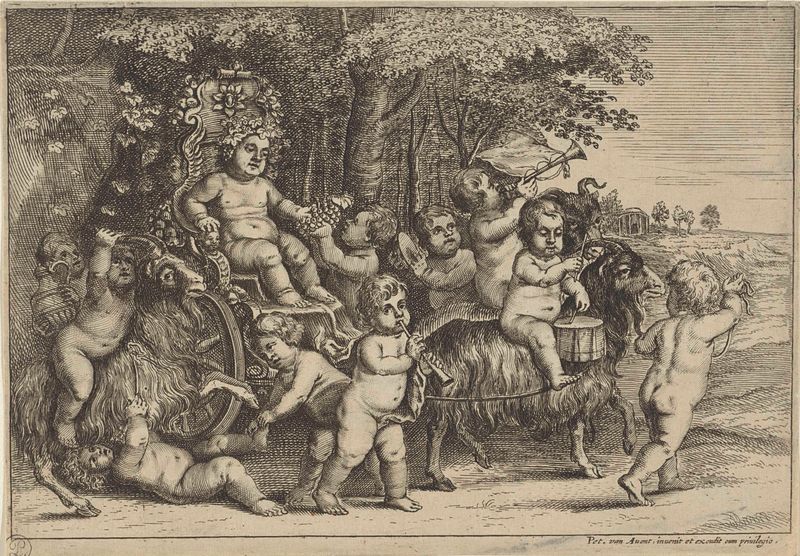
Optocht van bacchant en jongetjes op geiten
Wenceslaus Hollar
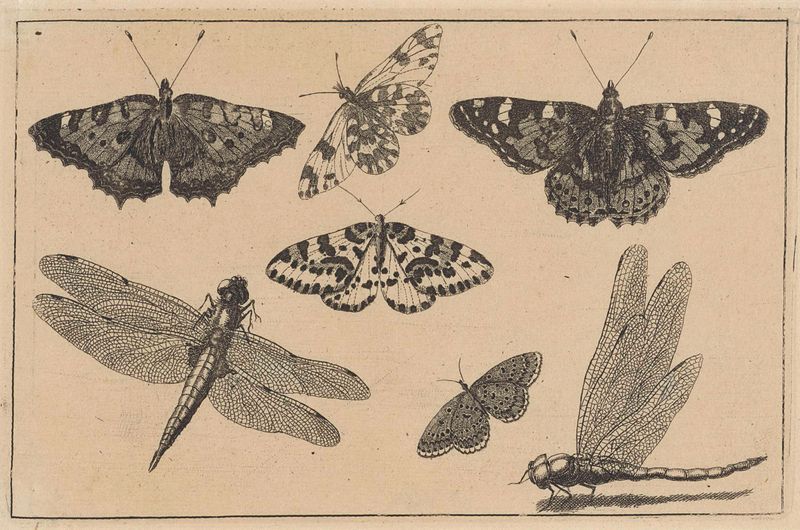
Twee libellen en vijf vlinders
Wenceslaus Hollar
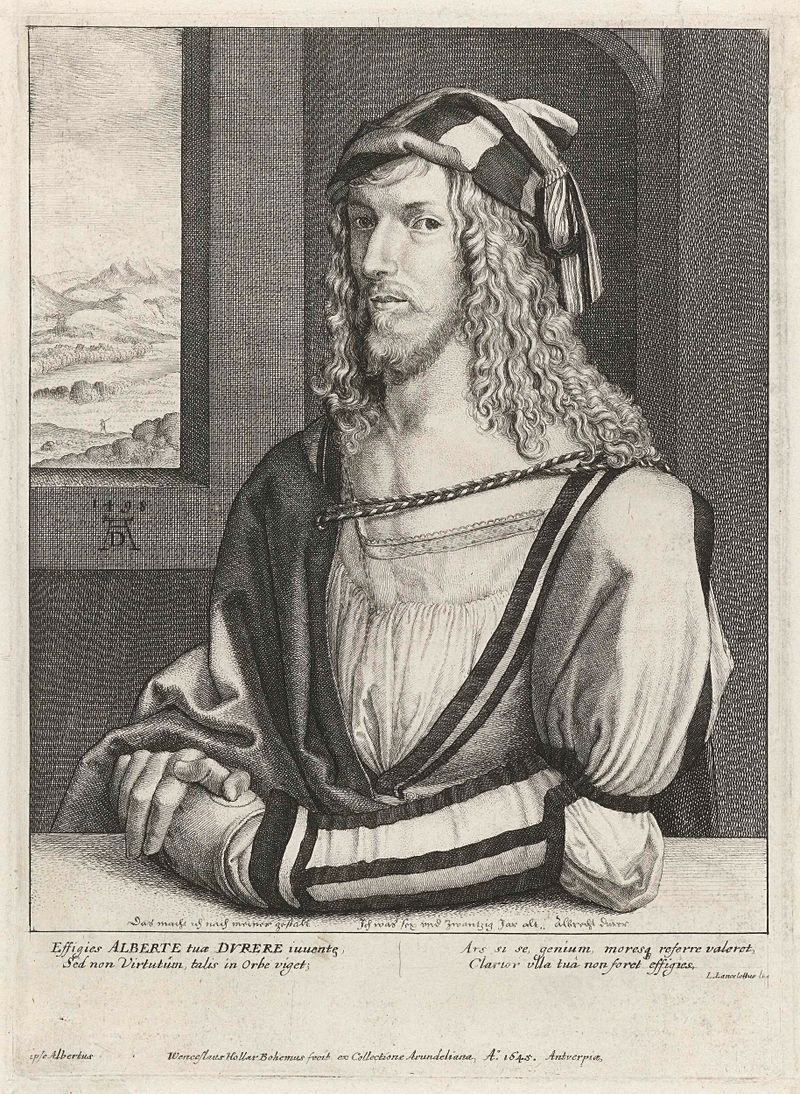
Portret van Albrecht Dürer
Wenceslaus Hollar
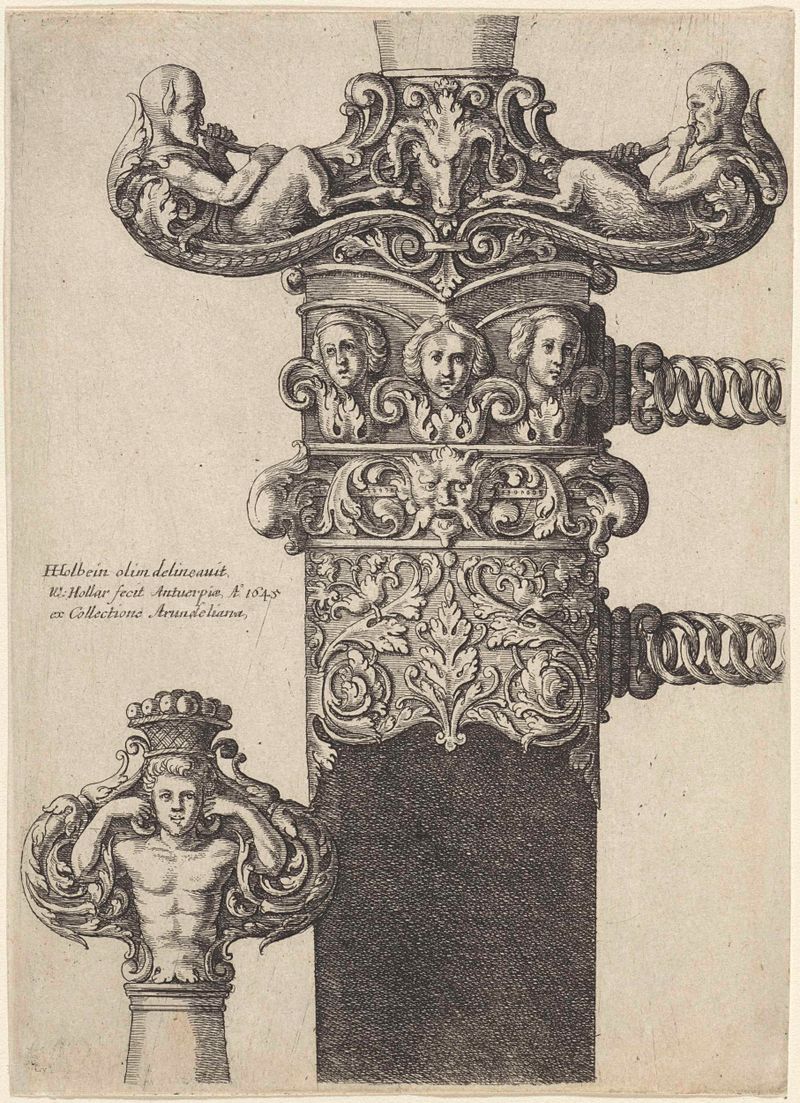
Ornamenteel ontwerp voor een dolk
Wenceslaus Hollar
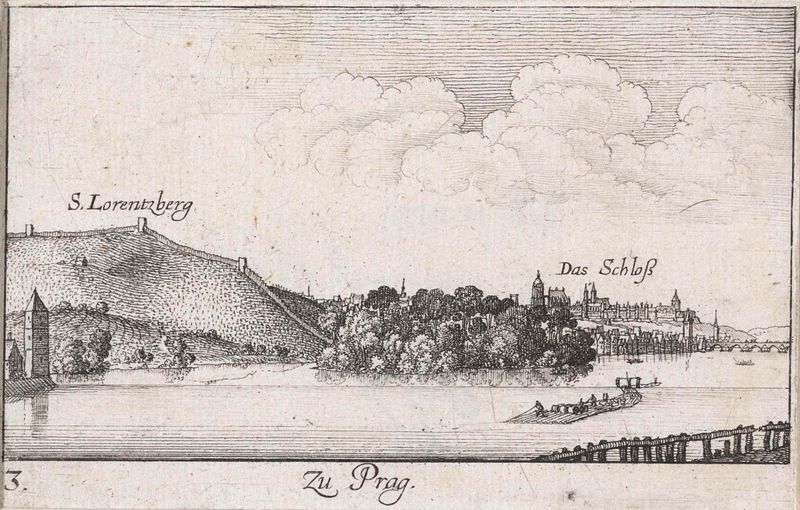
Gezicht op Praag vanaf de Moldau
Wenceslaus Hollar
More Historical Art
Browse all →
The Night Watch Militia Company of District II under the Command of Captain Frans Banninck Cocq
Rembrandt van Rijn

Lincoln Memorial
Henry Bacon

The Third of May 1808
Francisco de Goya

Isaac and Rebecca, Known as ‘The Jewish Bride’
Rembrandt van Rijn

The Charge of the Mamelukes (1814)
Francisco de Goya

De vier ruiters van de apocalyps
Albrecht Dürer