
Stammer mill with summer house — History & Facts
A windmill rises bluntly from the flat Dutch landscape, its heavy sails cutting across a sky scraped pale and thin. The brushwork is quick, restless, almost impatient—each stroke seems to weigh the structure’s age and purpose, while the water below mirrors the scene in muddier, broken lines. The summer house crouches low to the left, its roof a smear of brick red, as if sheltering from the wind’s constant push.
There is a sense of pause here, a moment held between the work of the mill and the stillness of the day, with just enough detail to suggest the damp air and the quiet industry of rural life. Painted in 1905, this early work by Piet Mondrian belongs to a world on the cusp of change. Dutch artists at the turn of the century often looked to their own countryside for subjects, drawn by the interplay of land, water, and sky that shaped their national identity. These scenes were not just records—they were meditations on light and form, often commissioned for private homes or local exhibitions.
Today, Stammer mill with summer house is held by the RKD – Nederlands Instituut voor Kunstgeschiedenis, a reminder that even the most radical innovators, like Mondrian, began by wrestling with the familiar textures of their own soil. Look again at the rough, honest marks: they are the seeds of a new vision, just beginning to break the surface.
More Artworks by Piet Mondrian

Composition II in Red, Blue, and Yellow
Piet Mondrian

Composition with Yellow, Blue, Black and Light Blue
Piet Mondrian

Composition with Large Blue Plane, Red, Black, Yellow, and Gray
Piet Mondrian
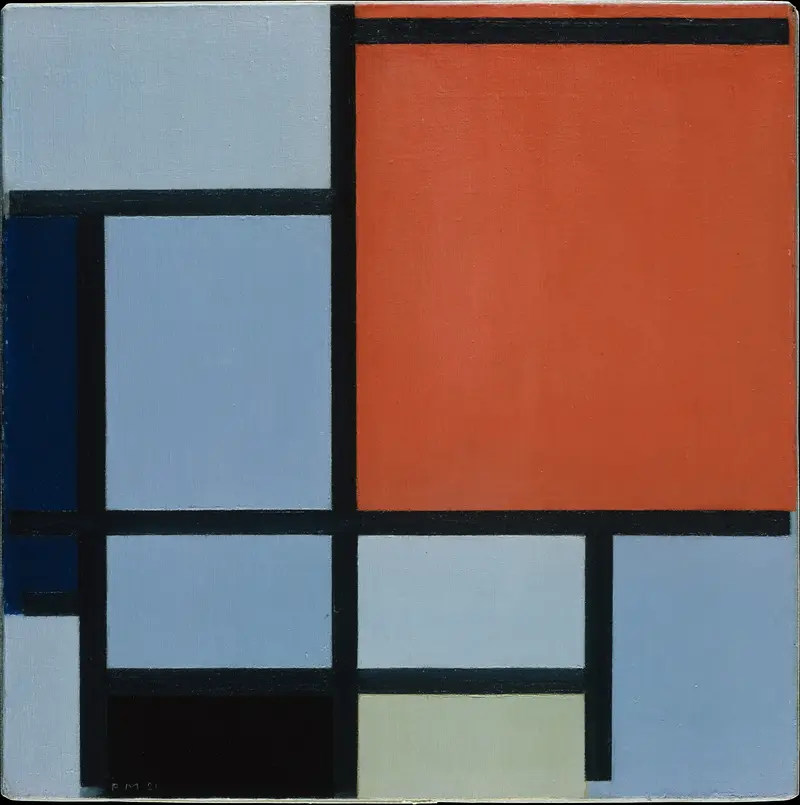
Composition
Piet Mondrian
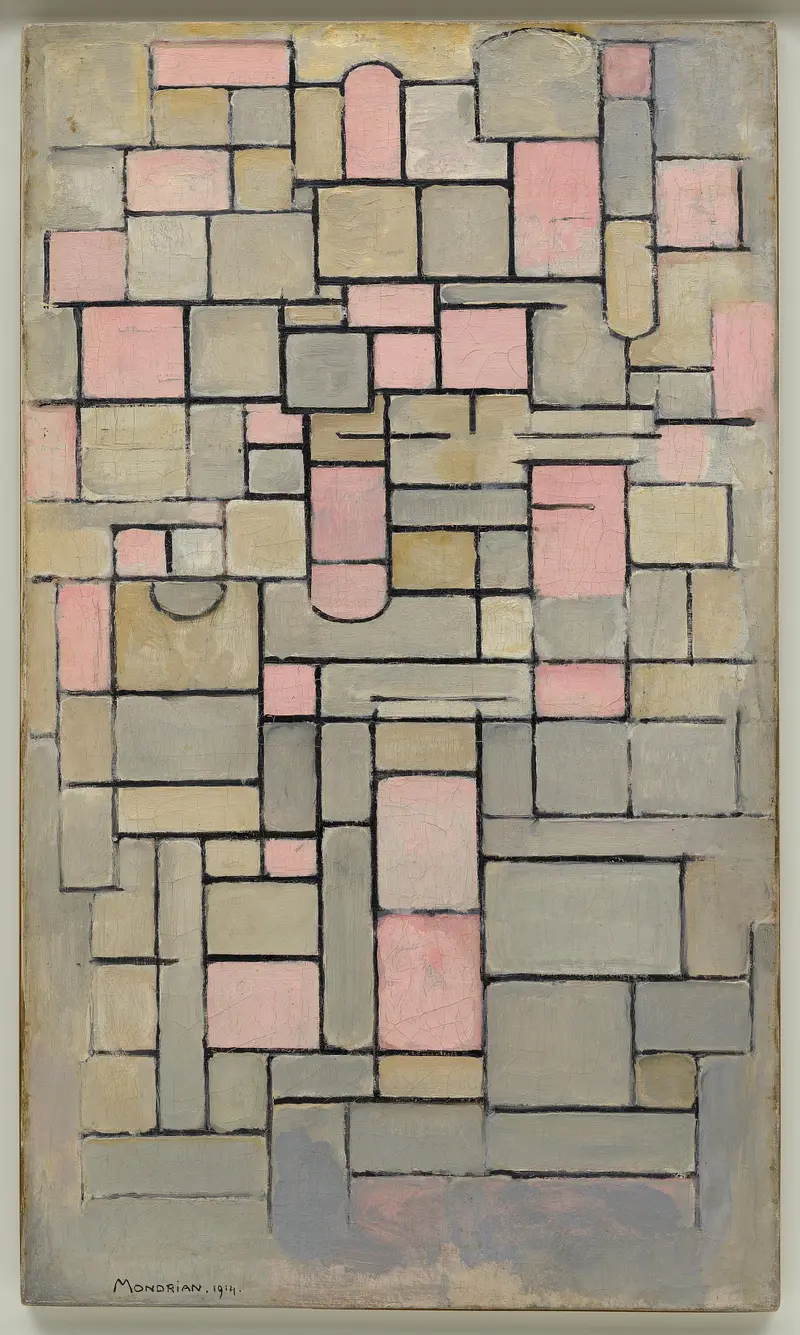
Composition 8
Piet Mondrian

Composition with Large Red Plane, Bluish Gray, Yellow, Black and Blue
Piet Mondrian
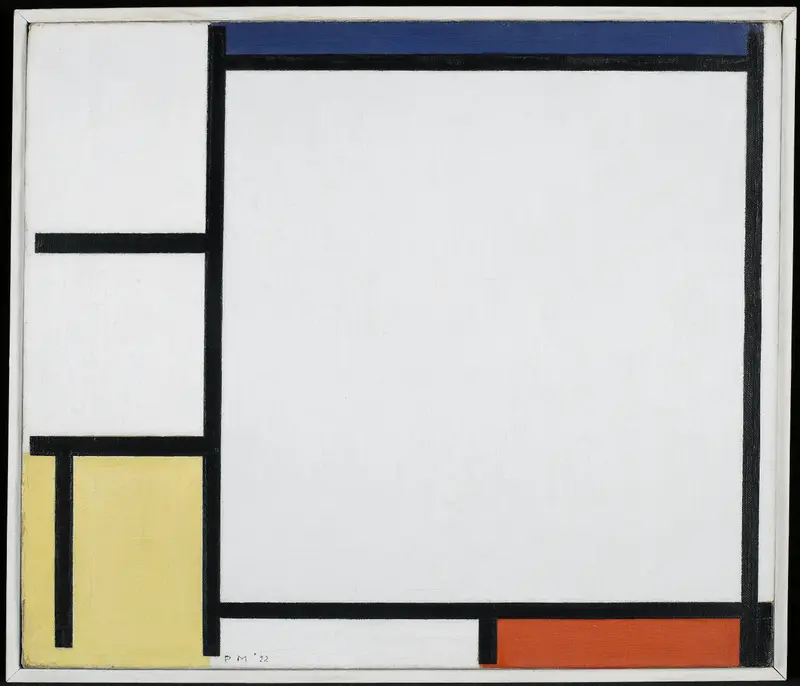
Composition with Blue, Red, Yellow, and Black
Piet Mondrian
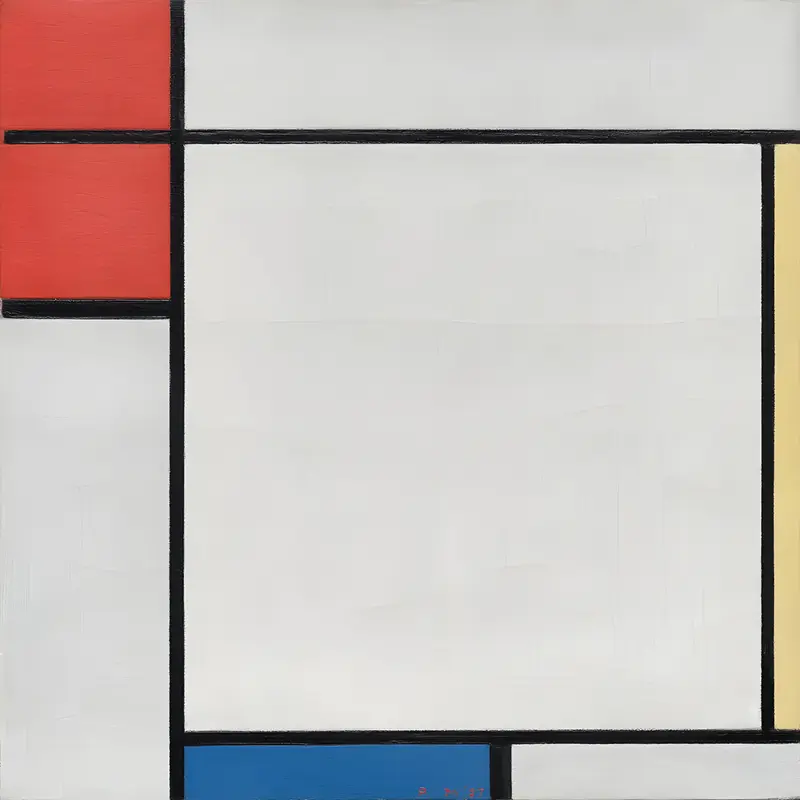
Composition with Red, Yellow, and Blue
Piet Mondrian
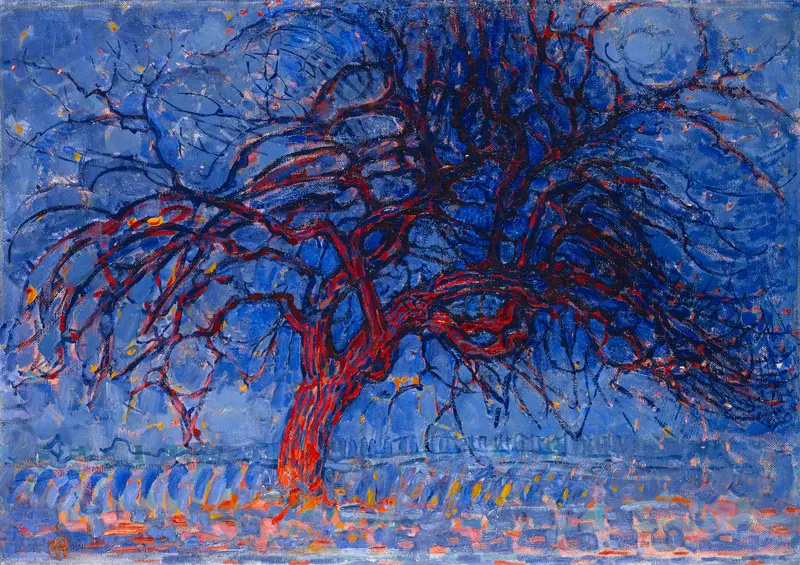
The Red Tree (Evening)
Piet Mondrian

Composition A
Piet Mondrian
More Landscape Art

The Starry Night
Vincent van Gogh

View of Delft
Johannes Vermeer

Water Lilies
Claude Monet

The Grand Canal, Venice, looking north-west from the Ca' Corner to the Ca' Contarini degli Scrigni, with the campanile of Santa Maria della Carità
Canaletto

Windsor Castle
Canaletto

The Grand Canal looking North-East from the Palazzo Dolfin-Manin to the Rialto Bridge
Canaletto