
Stańczyk Faking a Toothache — History & Facts
Few images in Polish art have sparked as much speculation as Stańczyk Faking a Toothache, painted by a young Jan Matejko in 1856, when he was just eighteen. The painting’s subject—the legendary court jester Stańczyk—was a figure of wit and melancholy, whose sharp tongue often masked deeper truths about the fate of the Polish kingdom. Matejko’s early fascination with Stańczyk would later culminate in his iconic 1862 painting, but here, in this lesser-known work, the artist first explores the jester’s dual role as entertainer and social commentator.
The painting’s title itself invites debate: was Stańczyk truly feigning pain, or was his “toothache” a ruse to avoid courtly duties and reflect on the troubled state of the nation? At the center of the canvas, Stańczyk sits slumped on a wooden bench, one hand pressed dramatically to his cheek, his eyes half-closed in an exaggerated grimace. The court bustles in the background, indifferent to his apparent suffering. The jester’s motley costume, with its red and green patches, stands out against the muted tones of the room, drawing the viewer’s eye to his isolation.
On the table beside him lies a letter, a recurring symbol in Matejko’s later works, hinting at bad news or political intrigue. The play between comedy and tragedy recalls the tradition of Velázquez’s portraits of court jesters, yet Matejko infuses his subject with a distinctly Polish sense of historical burden. The exact provenance of Stańczyk Faking a Toothache remains uncertain, as records from Matejko’s early career are sparse. Created during his formative years at the Kraków School of Fine Arts, the painting is believed to have been part of a series of character studies that helped establish his reputation.
While the medium is not definitively known, the work’s handling of light and texture suggests oil on canvas, a favorite of the artist. Today, the painting is rarely exhibited, overshadowed by Matejko’s grand historical canvases, but it remains a significant early exploration of themes—national identity, irony, and the burden of history—that would define his mature style.
More Artworks by Jan Matejko
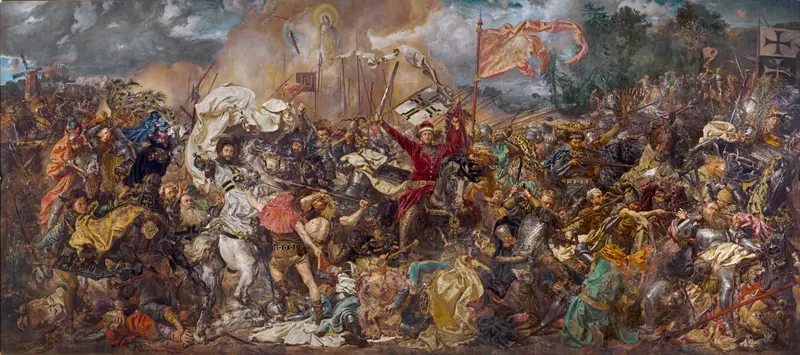
Battle of Grunwald
Jan Matejko

Stańczyk
Jan Matejko

Battle of Raclawice
Jan Matejko
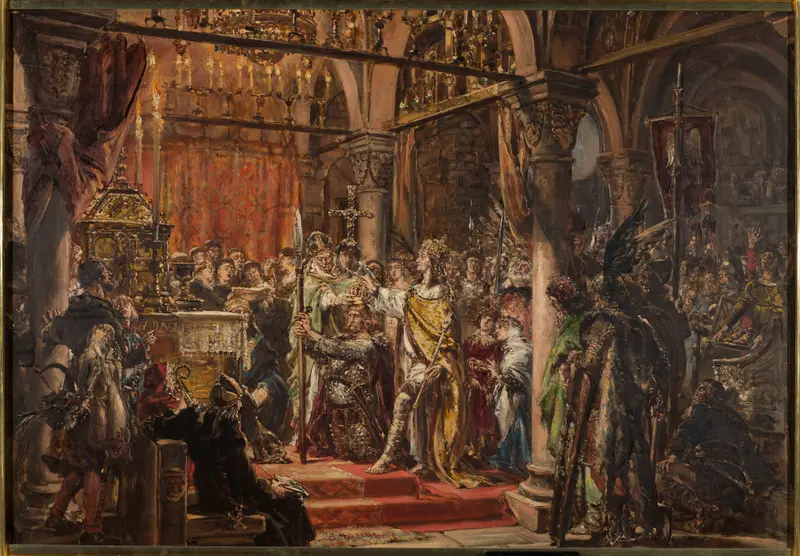
Coronation of the First King, 1001 AD, from the series “History of Civilization in Poland”
Jan Matejko
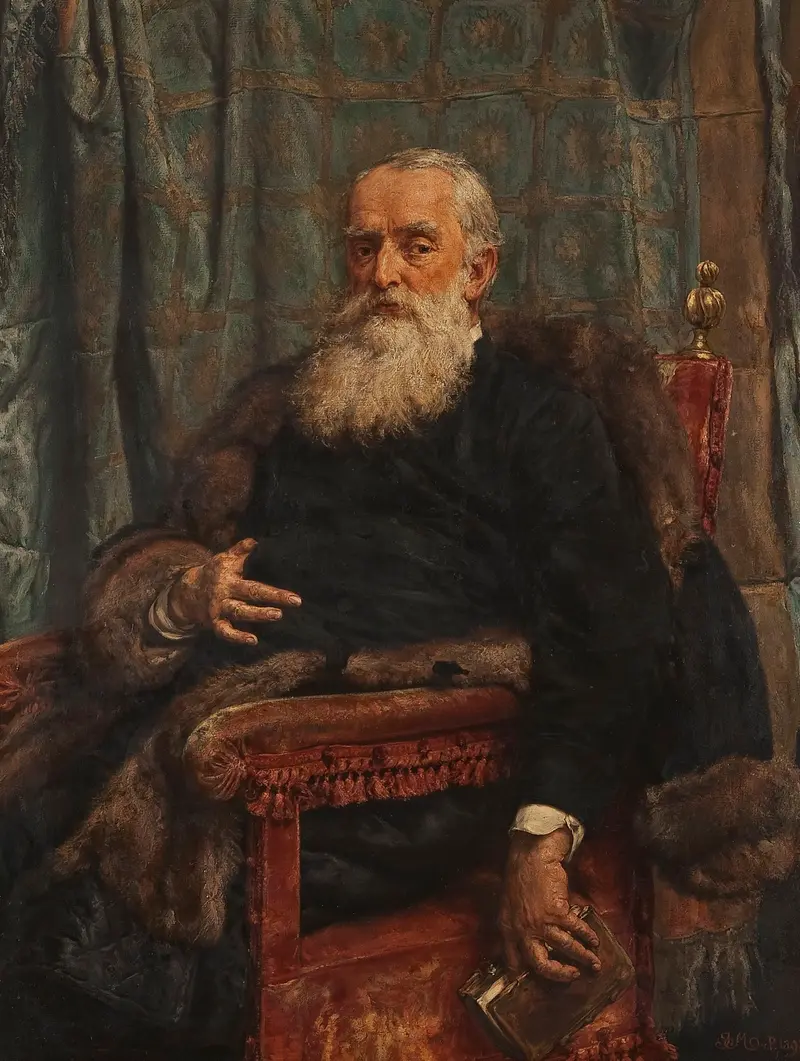
Portrait of Henryk Krajewski
Jan Matejko
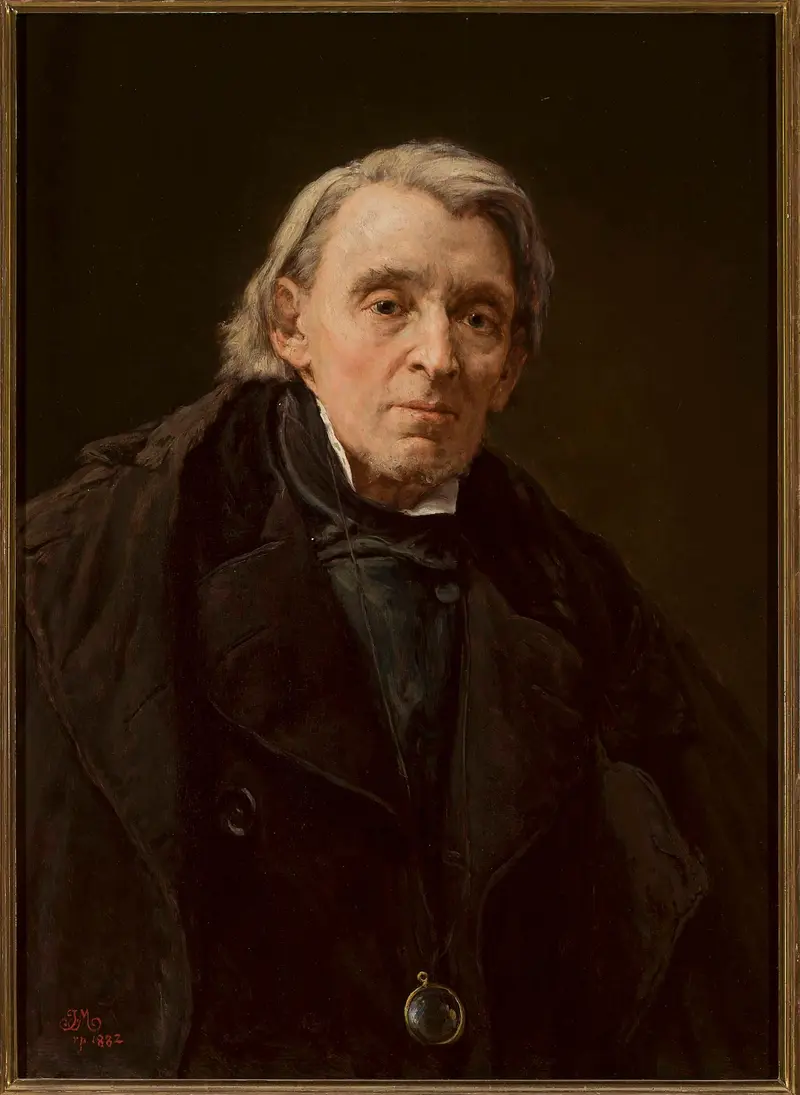
Portrait of Karol Podlewski
Jan Matejko
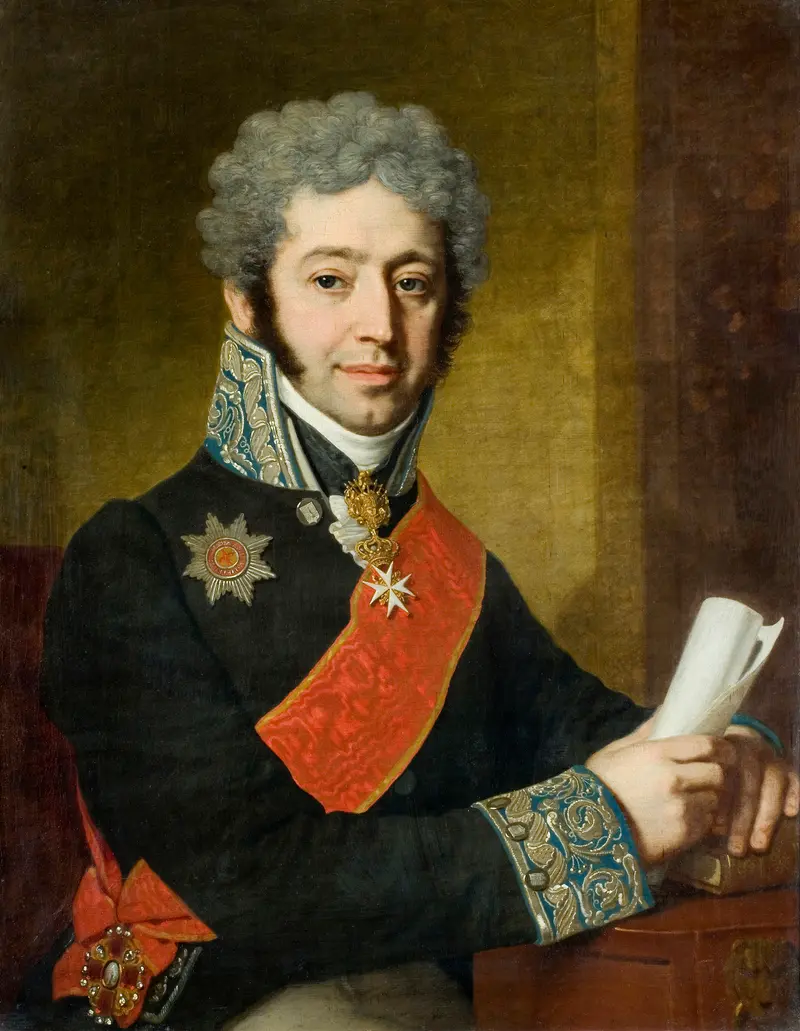
Portrait of Potocki and Poninski
Jan Matejko
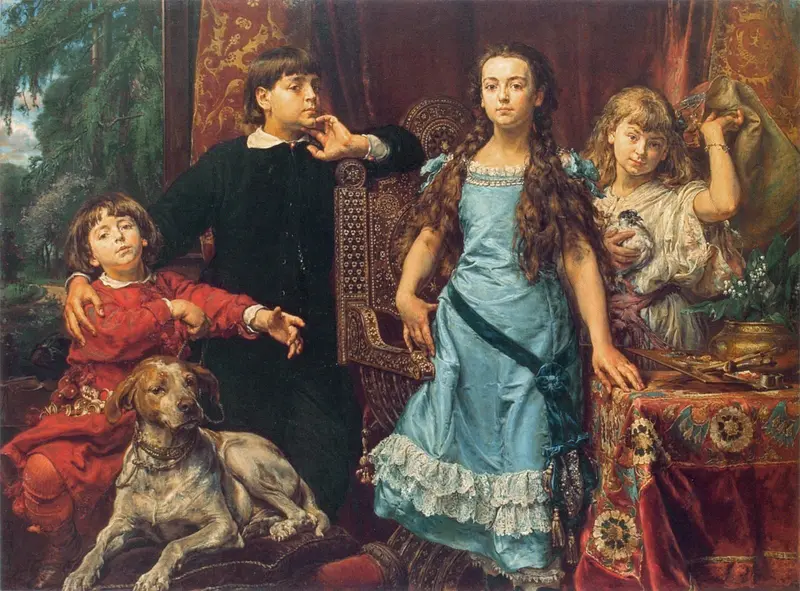
Portrait of the artist's four children
Jan Matejko
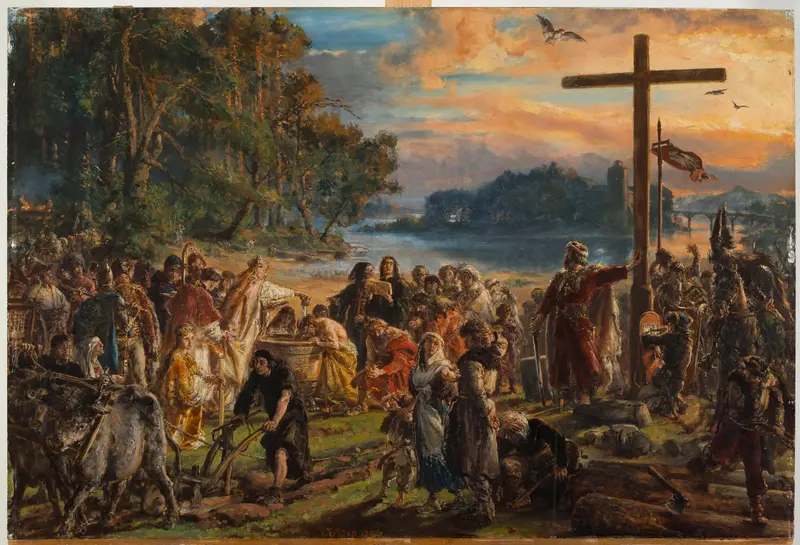
Introduction of Christianity in Poland
Jan Matejko
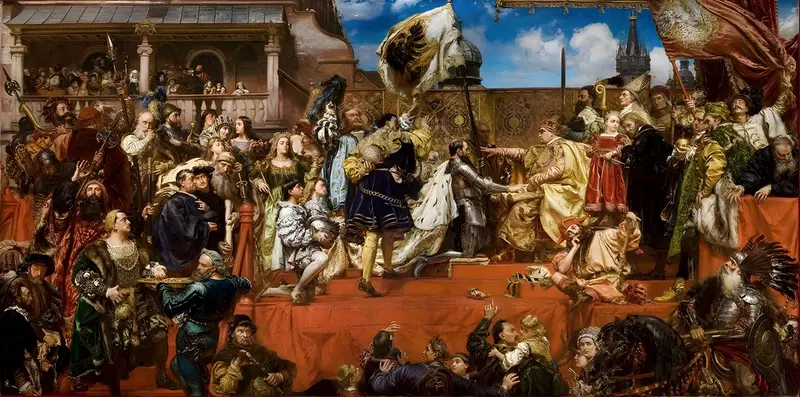
Prussian Homage
Jan Matejko
More Genre Scene Art

Banquet of the Officers of the St George Civic Guard
Frans Hals

Rembrandt and Saskia in the Scene of the Prodigal Son
Rembrandt van Rijn

Bal du moulin de la Galette
Pierre-Auguste Renoir

Quadrille at the Moulin Rouge
Henri de Toulouse-Lautrec

A Burial at Ornans
Gustave Courbet

When Will You Marry?
Paul Gauguin