
Stanzstad — History & Facts
In the world of art, yearning often dances on the edges of form and color, seeking to transcend the ordinary. Look to the center of Stanzstad, where intricate architectural forms emerge, each stroke weaving a tapestry of structure and emotion. The artist employs a muted yet rich palette, with deep ochres and soft blues that create a harmonious balance. Notice how the light plays across the surfaces, illuminating details that might otherwise be overshadowed — an arch here, a spire there — inviting you to explore the depth of the scene.
The composition is masterfully orchestrated, leading the eye to each carefully rendered element as if guiding you through a gentle, nostalgic journey. Delve deeper, and the contrasts begin to unfold. The rigid lines of the buildings juxtapose the fluidity of the atmospheric sky, illustrating the longing for connection between man and nature. A sense of melancholy permeates the air, reflecting the artist's emotional landscape.
Each brushstroke seems to echo a silent story, hinting at the lives that once thrived within these walls, now whispering through the winds of time. During the years 1840 to 1844, Wagner was entrenched in the burgeoning art movements of Germany, forging a path that combined Romanticism with a keen eye for detail. This period marked a significant transition in his artistic practice, as he sought to capture not only the physical essence of landscapes but also their emotional weight. As societal changes swept through Europe, Wagner’s work became a reflection of a collective yearning for beauty and solace amid the chaos of a rapidly evolving world.
More Artworks by Johann Friedrich Wagner
Browse all →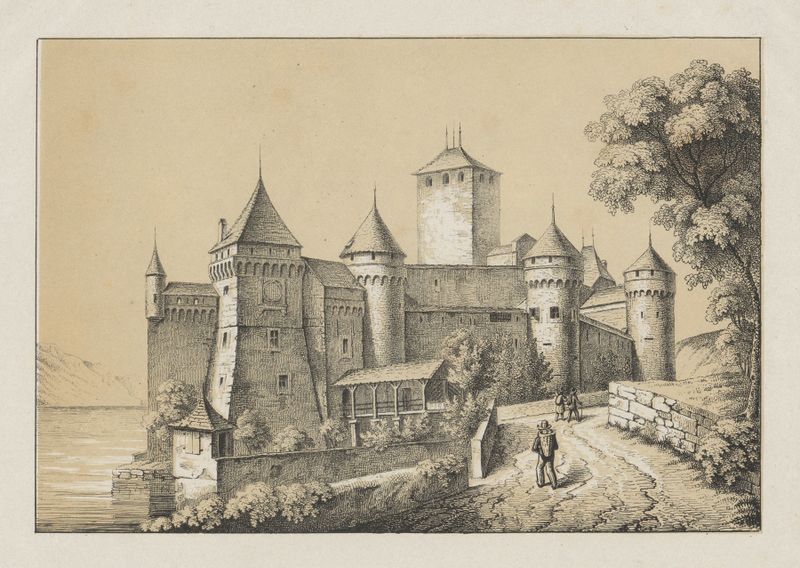
Chillon
Johann Friedrich Wagner

Valangin
Johann Friedrich Wagner
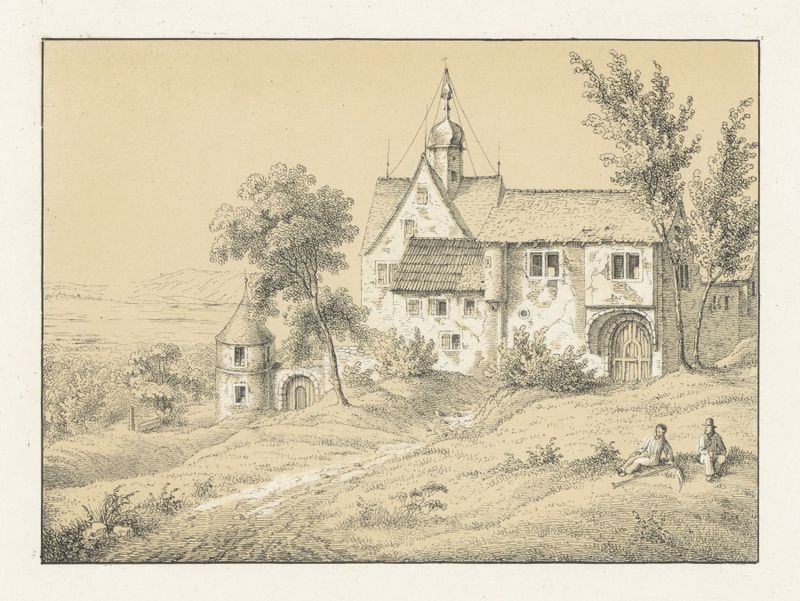
Greifenstein
Johann Friedrich Wagner

Vorburg
Johann Friedrich Wagner
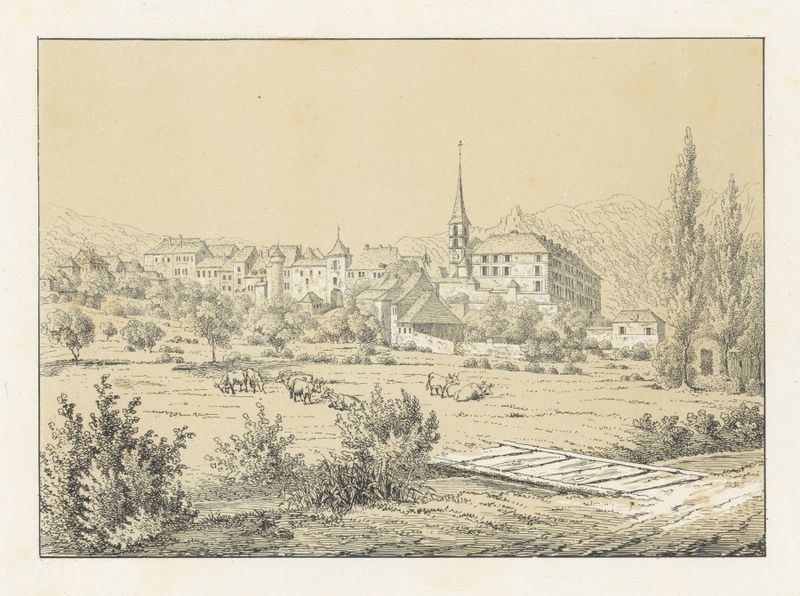
Delémont
Johann Friedrich Wagner

Pleujouse
Johann Friedrich Wagner

Challay
Johann Friedrich Wagner
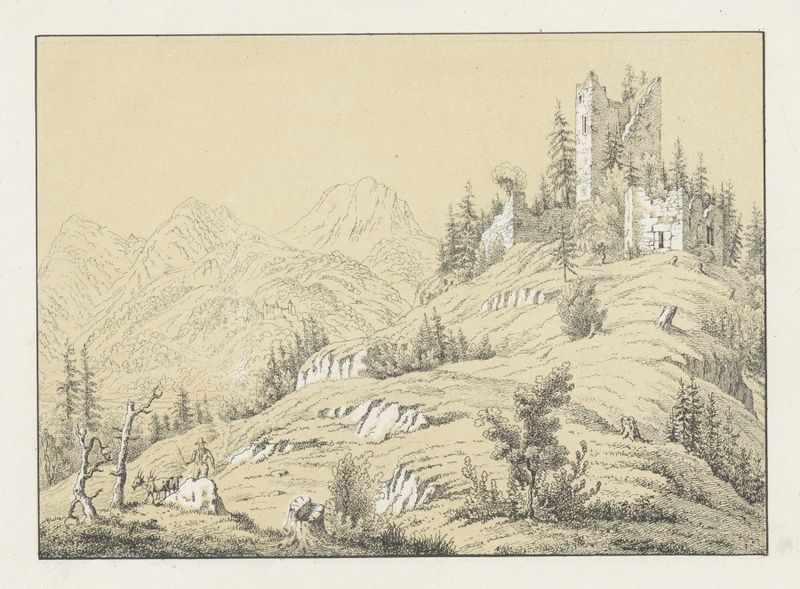
Mont Salvant
Johann Friedrich Wagner
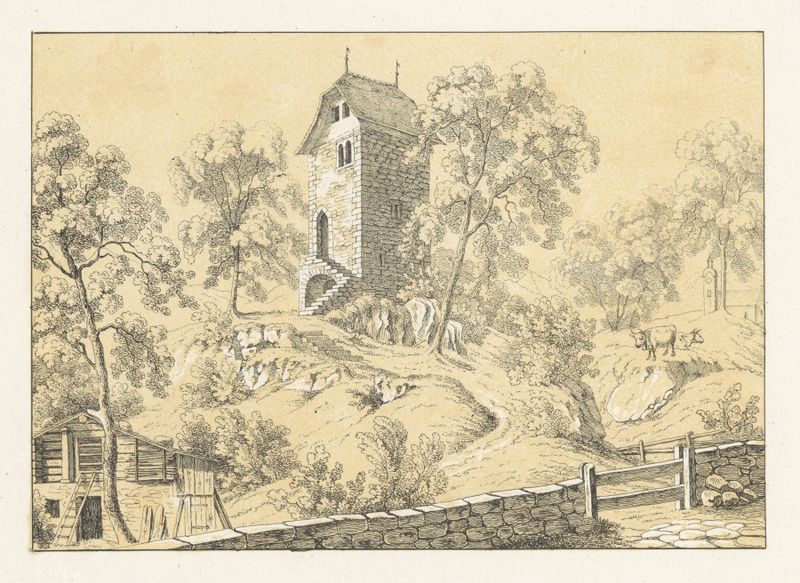
Aha. Od. Untere Burg von Sarnen
Johann Friedrich Wagner
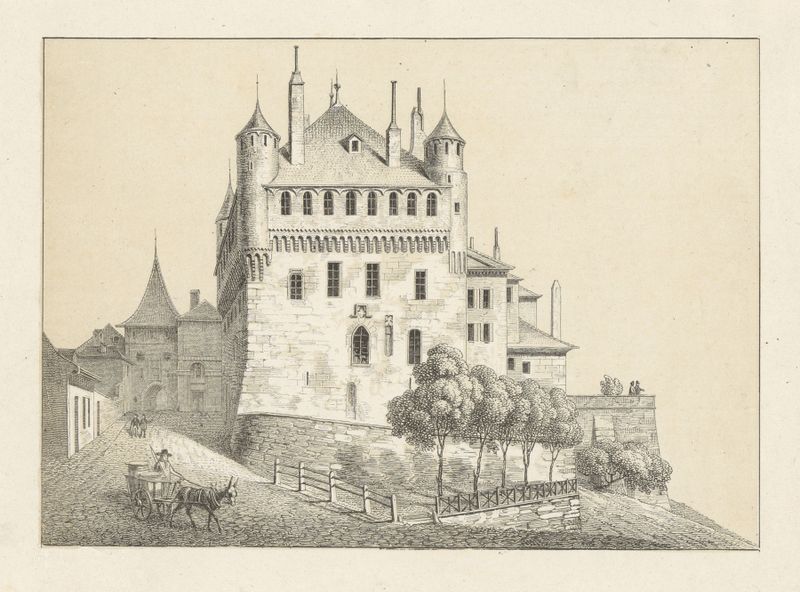
Lausanne
Johann Friedrich Wagner
More Architecture Art
Browse all →
The statue of Liberty
Frédéric Auguste Bartholdi

View of Houses in Delft, Known as ‘The Little Street’
Johannes Vermeer

View of Houses in Delft, Known as ‘The Little Street’
Johannes Vermeer

The Cathedral in Rouen. The portal, Grey Weather
Claude Monet

The yellow house
Vincent van Gogh

The Church in Auvers-sur-Oise, View from the Chevet
Vincent van Gogh