
Staple Inn — History & Facts
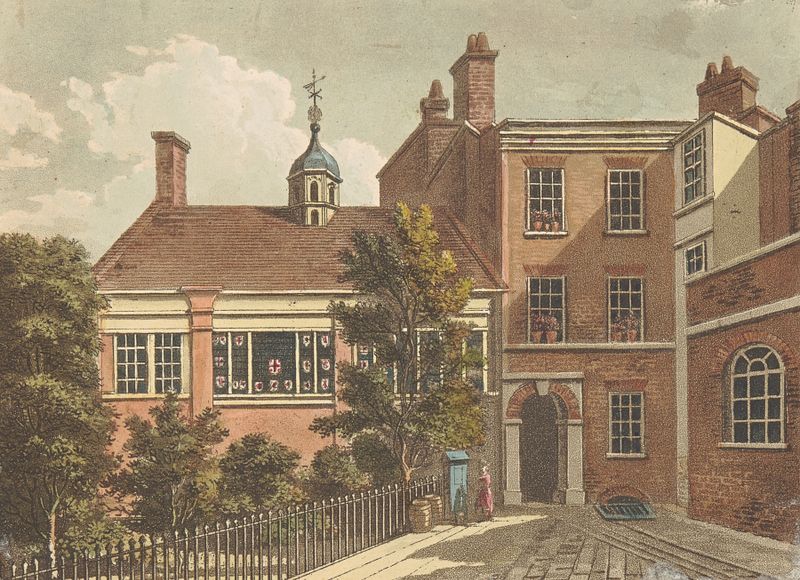
When did color learn to lie? The vibrant hues often mask the deep currents of longing beneath their surface, revealing more than they conceal. Look to the left at the intricate façade of the historic building, where each brick seems to pulse with a story waiting to be told. Notice how the artist captures the soft play of light across the windows, casting a warm glow that invites the viewer to step closer. The palette, rich in earthy tones juxtaposed with vivid accents, draws the eye toward the texture of the stone and the fluttering shadows that dance across the cobblestones.
Every brushstroke speaks of a time imbued with a sense of nostalgia and yearning for connection. In this work, the interplay of light and shadow serves as a metaphor for desire—a longing for a world both familiar and elusive. The delicate balance of openness in the architecture contrasts sharply with the enclosed space it offers, suggesting both comfort and confinement. The scene encapsulates a moment in time where the vibrancy of life exists alongside the stillness of history, hinting at the stories of those who once moved through these spaces. Samuel Ireland painted this scene in 1800, during a period of significant artistic transition in England.
Emerging from the shadows of the Enlightenment, artists were beginning to explore the emotional depths of their work. Ireland, influenced by the romantic notions of the time, sought to capture not only the physical beauty of his subjects but also the deeper layers of human experience woven into the fabric of everyday life.
More Artworks by Samuel Ireland
Browse all →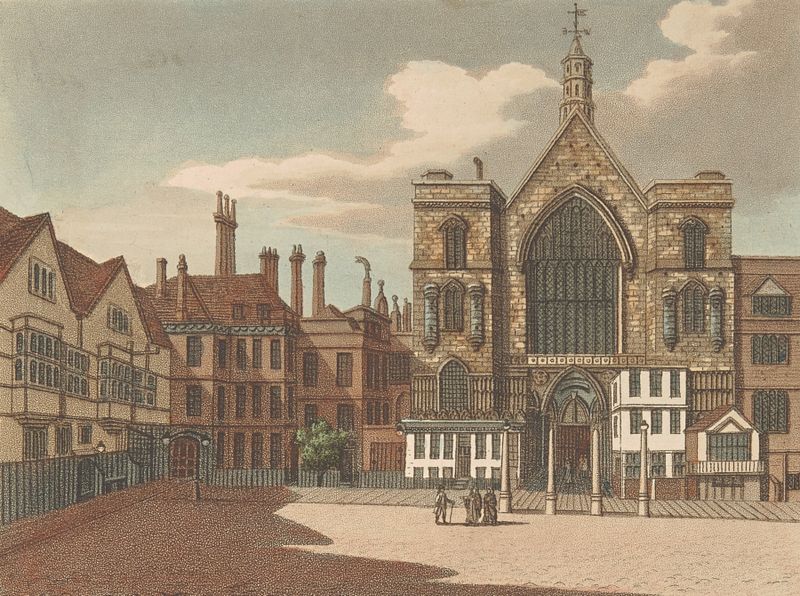
Westminster Hall
Samuel Ireland

Southwest View of Middle Temple
Samuel Ireland
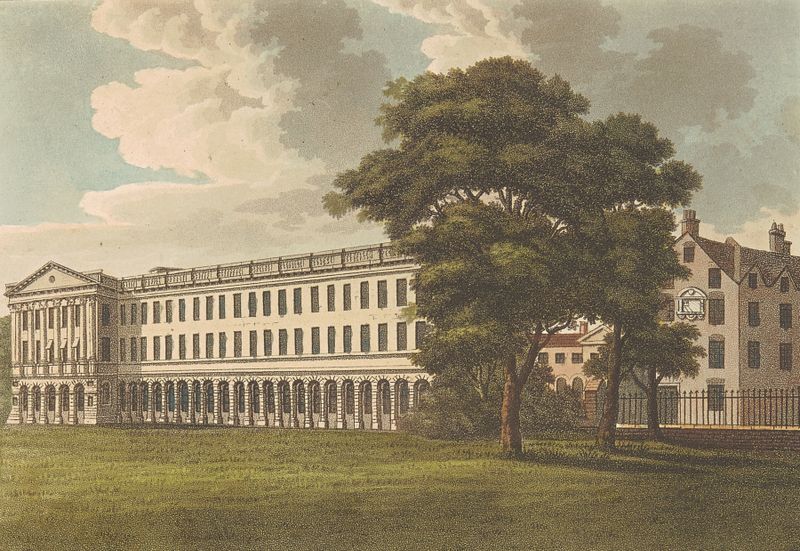
Stone Buildings, Lincoln’s Inn
Samuel Ireland
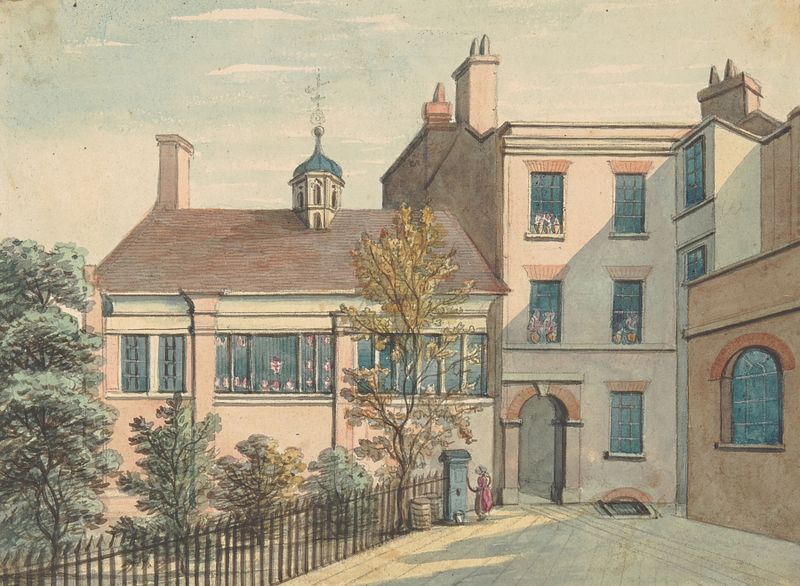
Barnard’s Inn
Samuel Ireland

Lincoln’s Inn Hall and Chapel
Samuel Ireland

Lion’s Inn
Samuel Ireland
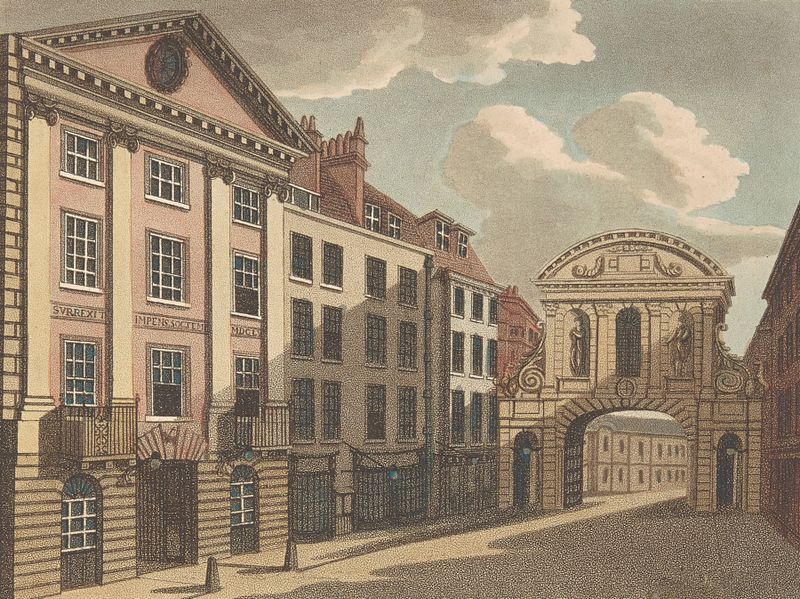
Middle Temple Gate
Samuel Ireland
Barnard’s Inn
Samuel Ireland

Westminster Hall
Samuel Ireland
Lincoln’s Inn Gate
Samuel Ireland
More Architecture Art
Browse all →
The statue of Liberty
Frédéric Auguste Bartholdi

View of Houses in Delft, Known as ‘The Little Street’
Johannes Vermeer

View of Houses in Delft, Known as ‘The Little Street’
Johannes Vermeer

The Cathedral in Rouen. The portal, Grey Weather
Claude Monet

The yellow house
Vincent van Gogh

The Church in Auvers-sur-Oise, View from the Chevet
Vincent van Gogh