
Steinach — History & Facts
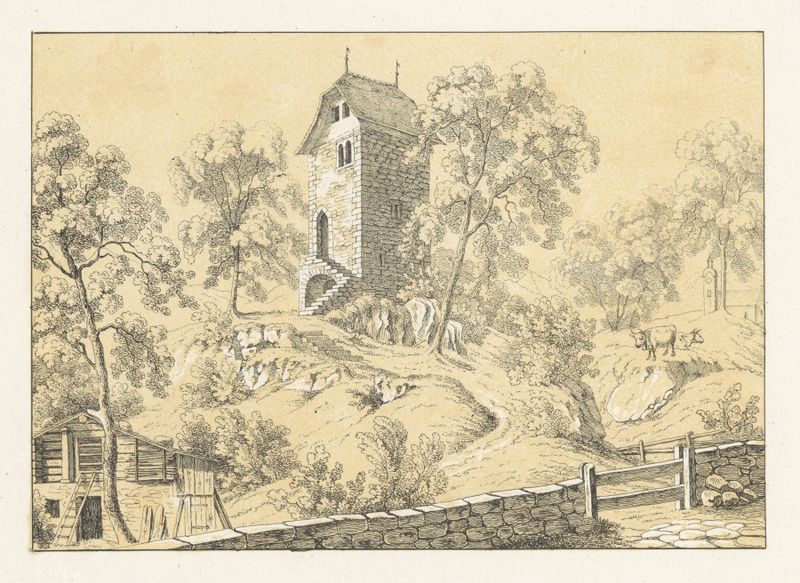
Did the painter know this moment would outlive them? In the quiet embrace of nature, serenity is captured in a moment that transcends time, evoking both peace and contemplation. Look to the calming blue waters at the bottom of the canvas, reflecting a serene sky, and notice how the delicate strokes create a soft movement that draws the eye inward. The artist’s meticulous attention to detail is evident in the gentle ripples that dance across the surface, each brushstroke harmonizing with the subtle variations in color. The surrounding foliage, painted in lush greens and earthy browns, envelops the scene, framing the tranquil waters while creating a balance between nature and stillness. Within this idyllic landscape lies a deeper narrative, as the interplay of light and shadow suggests fleeting moments of change.
The sunrise or sunset casts a warm glow, hinting at the passage of time and the inevitability of life's transitions. A solitary figure can be discerned in the background, perhaps symbolizing solitude or the quest for inner peace, while the surrounding nature stands timeless, inviting reflection on existence and connection. Johann Friedrich Wagner painted Steinach between 1840 and 1844, during a period when Romanticism was flourishing, celebrating nature and emotion as a response to industrialization. Living in Germany, Wagner was influenced by the emotional intensity and the sublime beauty of the natural world around him, seeking to capture both the external landscape and the inner experience of tranquility.
In this era of profound change, he created a visual sanctuary that continues to resonate today.
More Artworks by Johann Friedrich Wagner
Browse all →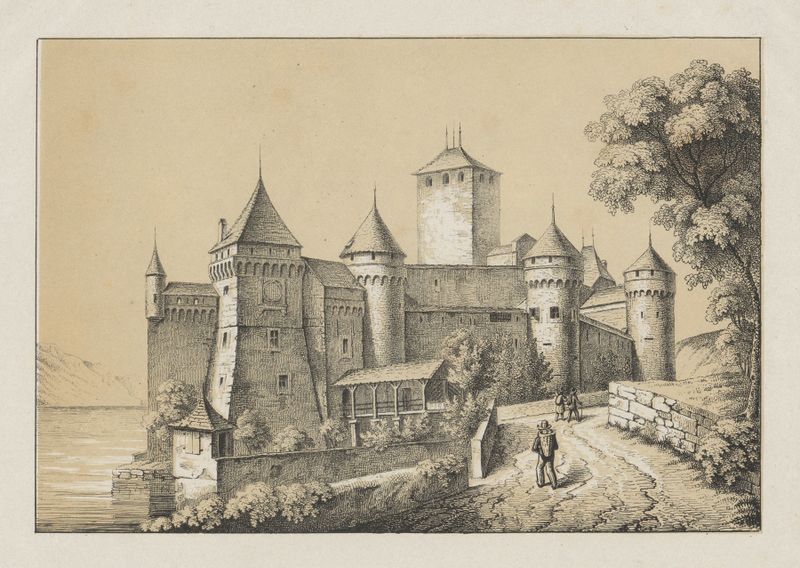
Chillon
Johann Friedrich Wagner

Valangin
Johann Friedrich Wagner
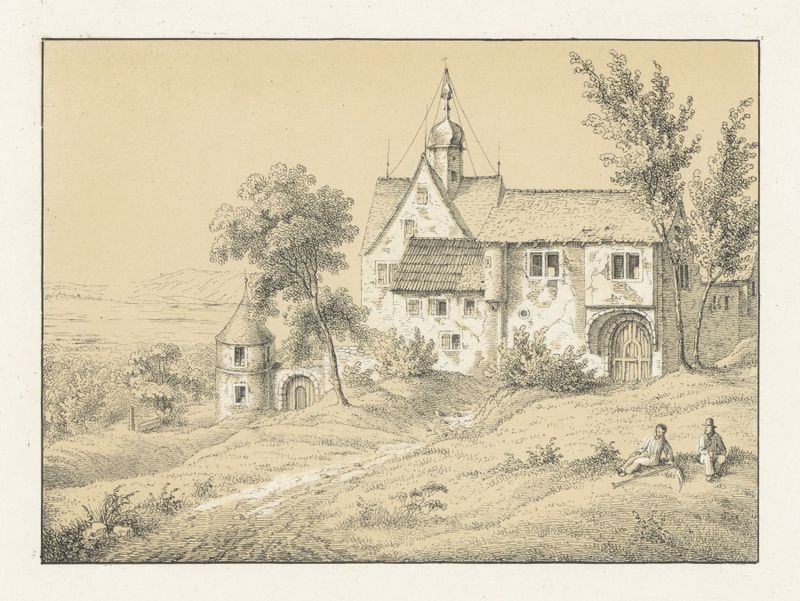
Greifenstein
Johann Friedrich Wagner

Vorburg
Johann Friedrich Wagner
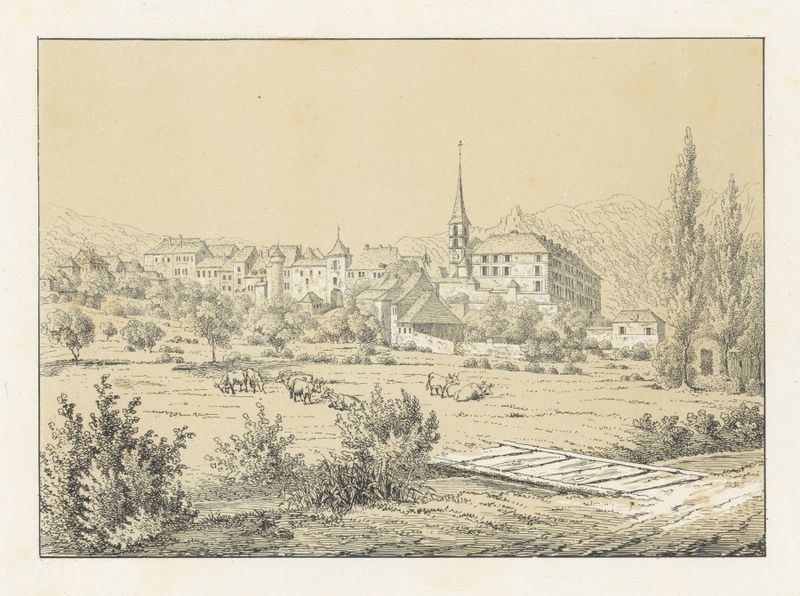
Delémont
Johann Friedrich Wagner

Pleujouse
Johann Friedrich Wagner

Challay
Johann Friedrich Wagner
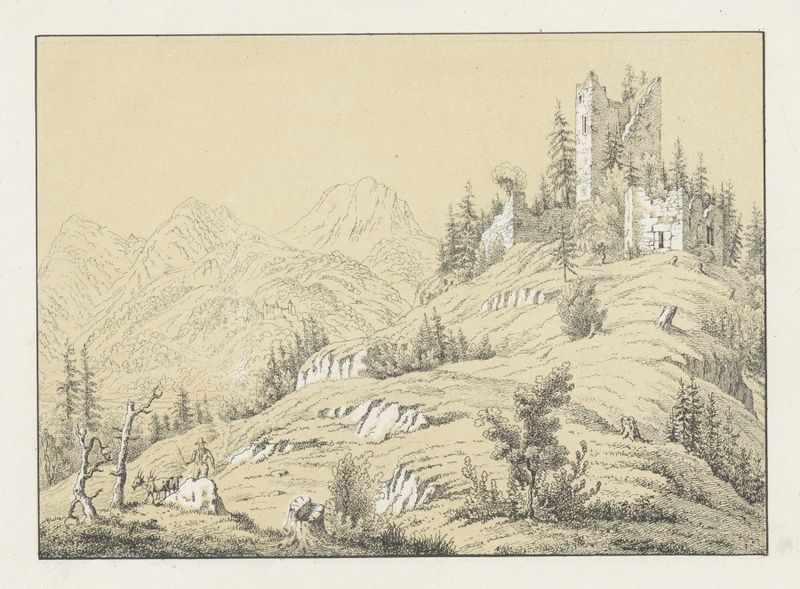
Mont Salvant
Johann Friedrich Wagner
Aha. Od. Untere Burg von Sarnen
Johann Friedrich Wagner
Lausanne
Johann Friedrich Wagner





