
Steiniger Strand — History & Facts
Who listens when art speaks of silence? In Steiniger Strand, an ethereal emptiness beckons, inviting contemplation of a desolate shoreline where nature whispers its secrets. Look to the horizon, where the soft interplay of muted blues and grays creates an expansive sky, almost merging with the sea below. The foreground captures rugged, jagged rocks, their textures rendered with a delicate touch, leading the eye towards the calm, yet restless waters. Notice how the light dances gently across the surface, illuminating the crests of waves while casting long shadows that stretch into the scene, inviting you to ponder what lies beyond the visible. The contrasting elements in this painting stir a deep emotional resonance.
The stark rocks symbolize the weight of permanence, while the shifting tides whisper of transience and change. This dichotomy evokes feelings of solitude and reflection, suggesting the viewer's own place within the vastness of nature. Each brushstroke reveals a narrative of isolation, yet also beckons a sense of connection to the expansive world. In 1836, Johann Wilhelm Schirmer painted Steiniger Strand during a time of personal tumult as he navigated the shifting currents of his artistic career in Germany.
Emerging from the Romantic movement, Schirmer sought to encapsulate the sublime beauty of landscapes, reflecting the broader shift in society towards introspection and a deepened appreciation for nature. As he captured this quiet moment, he stood at the intersection of personal exploration and the evolving art world around him.
More Artworks by Johann Wilhelm Schirmer
Browse all →
Waldlandschaft mit Blick auf Olevano und den Monte Cavo
Johann Wilhelm Schirmer
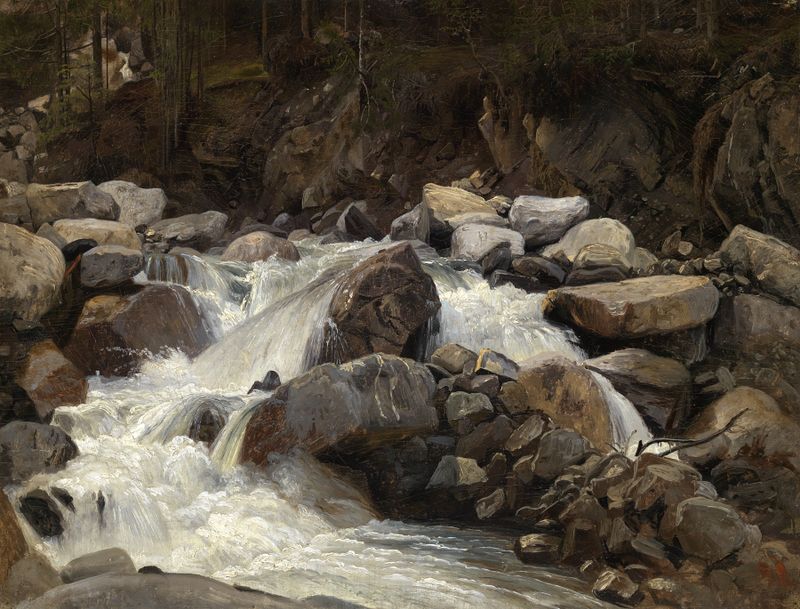
Schweizer Gebirgsbach
Johann Wilhelm Schirmer
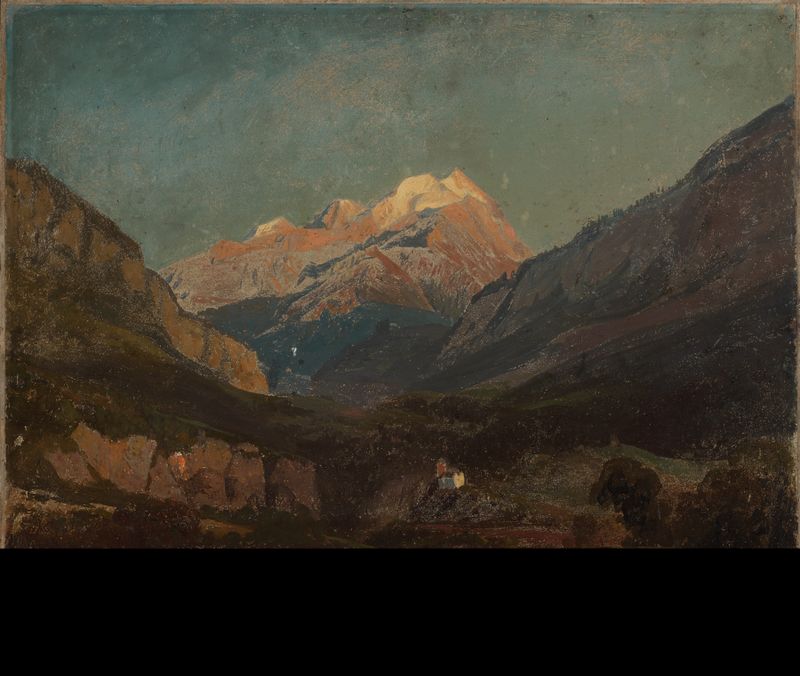
Schweizer Gebirgslandschaft mit Kapelle und fernem Schneegipfel
Johann Wilhelm Schirmer

Schweizer Gebirgslandschaft mit dem Piz Beverin im Hintergrund
Johann Wilhelm Schirmer

Waldinneres mit Hirschen am Wasser
Johann Wilhelm Schirmer

The Wetterhorn
Johann Wilhelm Schirmer

Partie aus der Römischen Campagna
Johann Wilhelm Schirmer

Felsabhang in der Schweiz
Johann Wilhelm Schirmer
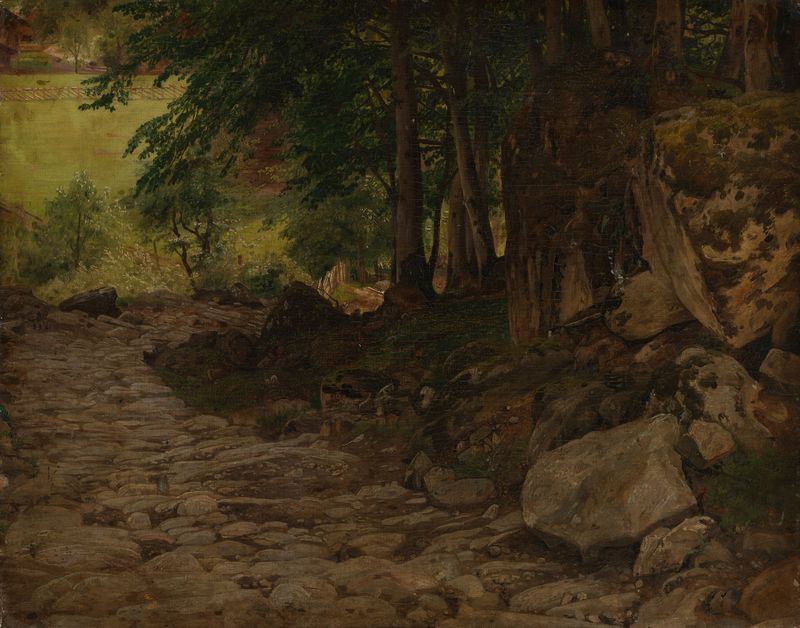
Felsweg in der Schweiz
Johann Wilhelm Schirmer
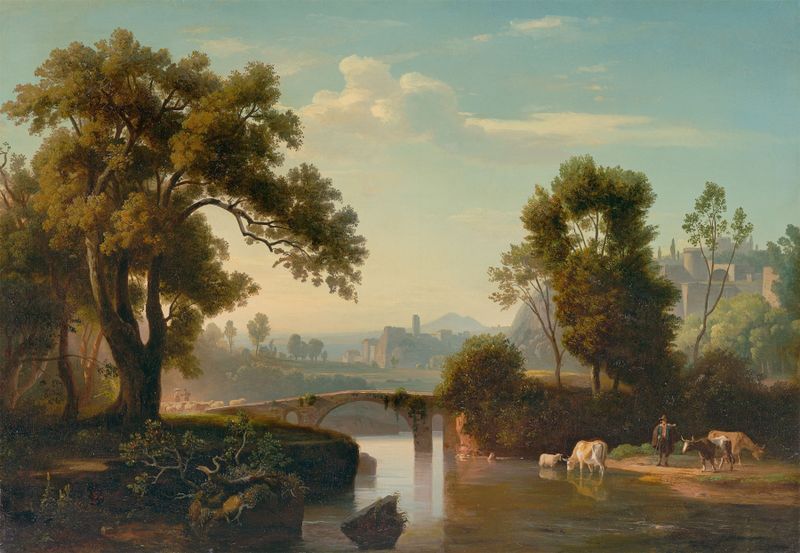
Italienische Landschaft mit Hirten
Johann Wilhelm Schirmer





