
Stift Neuburg, Parkmauer mit Forellenteich II — History & Facts
In the delicate interplay of colors and forms, ecstasy emerges from the artist's conscious strokes, inviting an exploration of the sublime. Focus your gaze on the tranquil foreground; a serene pond reflects the soft hues of the surrounding landscape. Notice how the cool blues and greens intertwine, suggesting a serene moment suspended in time. The gentle undulation of the water contrasts with the rigid lines of the park's stone wall, creating a harmonious dialogue between nature and human structure.
The artist's meticulous brushwork captures the essence of light, enveloping the scene in a gentle glow that heightens the emotional impact. As you delve deeper, consider the nuances of the composition. The careful arrangement of elements guides the viewer's eye, evoking a sense of pathos between the stillness of the pond and the vibrant foliage that encircles it. Each stroke tells a story, where the juxtaposition of serenity and underlying tension suggests an ecstasy experienced in solitude.
The tranquility of the scene belies the complexities of the artist's inner world, reflecting both beauty and yearning. In 1913, Wilhelm Trübner created this piece during a pivotal period in his career. Living in Germany, he was deeply influenced by the burgeoning expressionist movement, which sought to capture emotion and experience over mere representation. This work embodies his mastery of color and light, as he navigated the shifting tides of artistic innovation while remaining rooted in the traditions of the past.
More Artworks by Wilhelm Trübner
Browse all →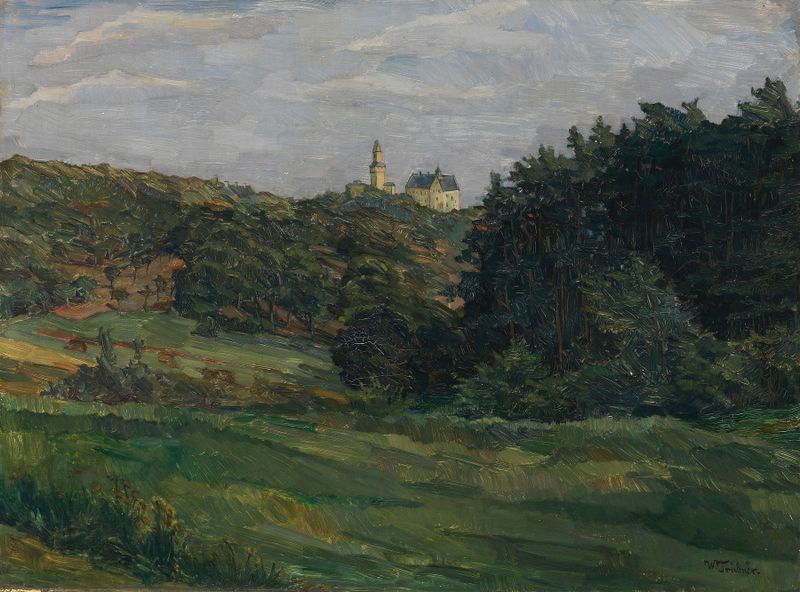
Burg Kronberg im Taunus
Wilhelm Trübner
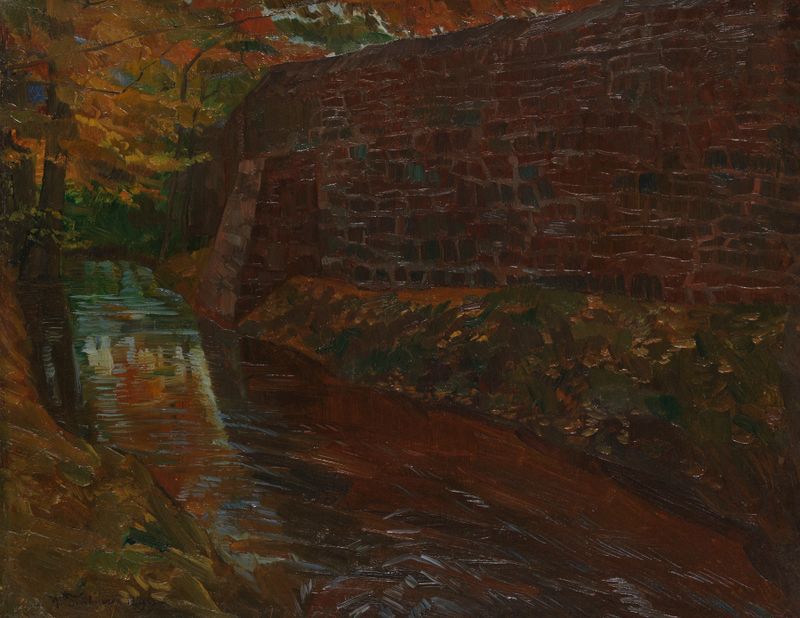
Parkmauer in Amorbach
Wilhelm Trübner

Garten einer Villa am Starnberger See
Wilhelm Trübner

A View of Frauenchiemsee
Wilhelm Trübner
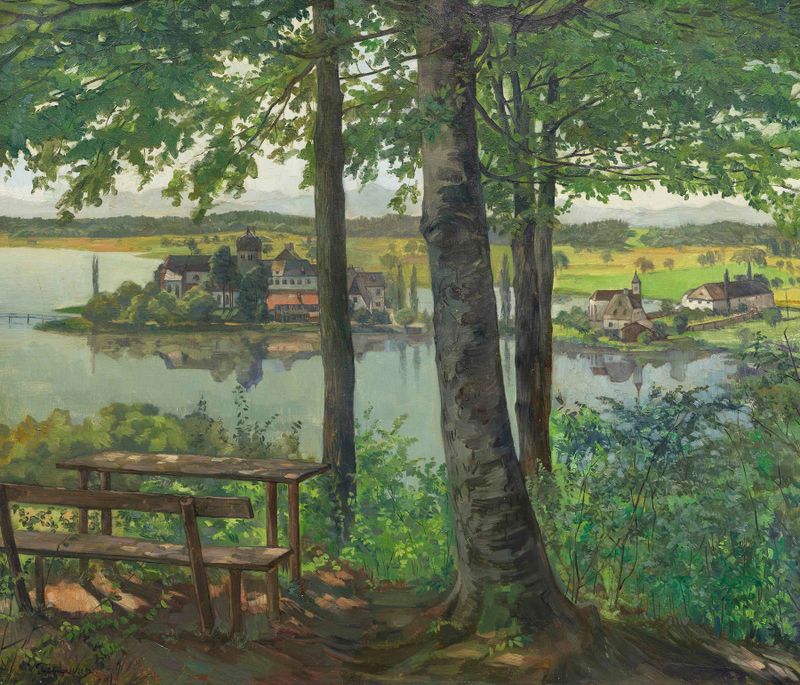
Aussicht auf Kloster Seeon
Wilhelm Trübner
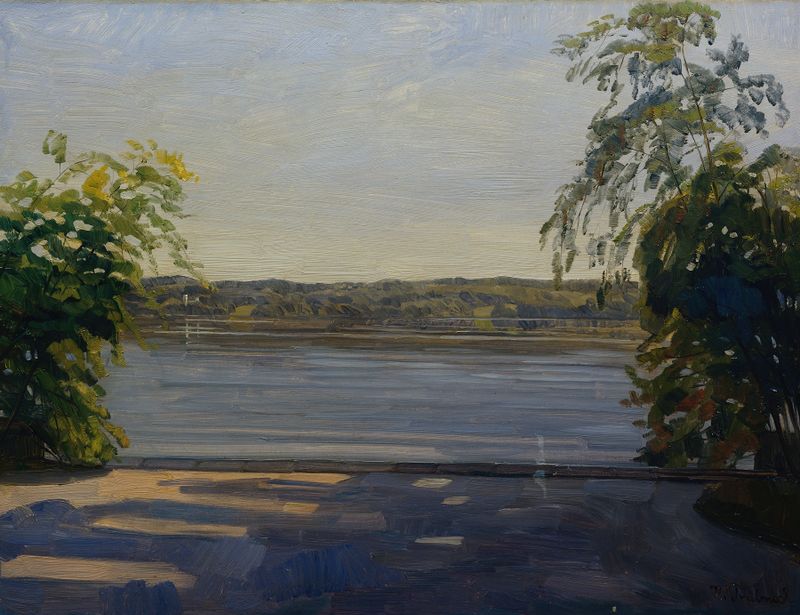
Starnberger See
Wilhelm Trübner
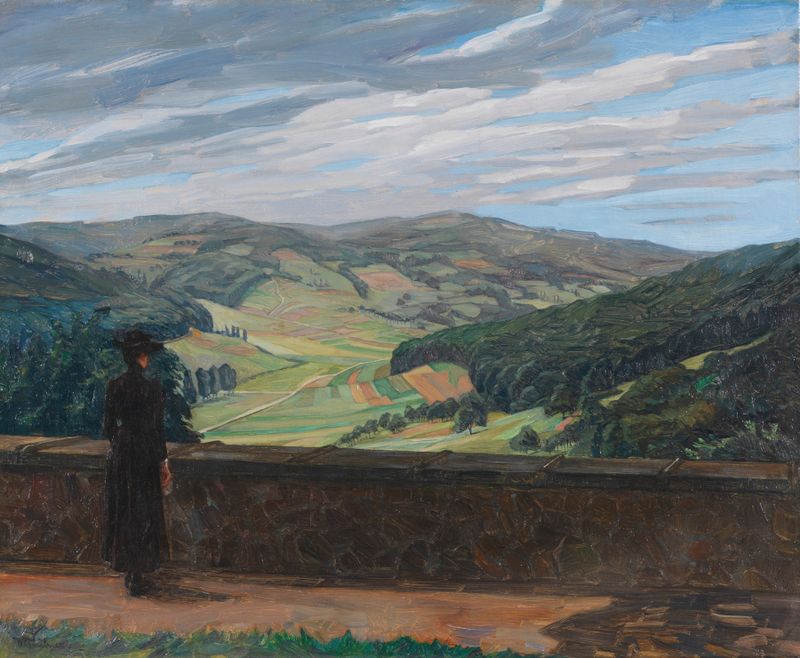
Blick in den Odenwald
Wilhelm Trübner
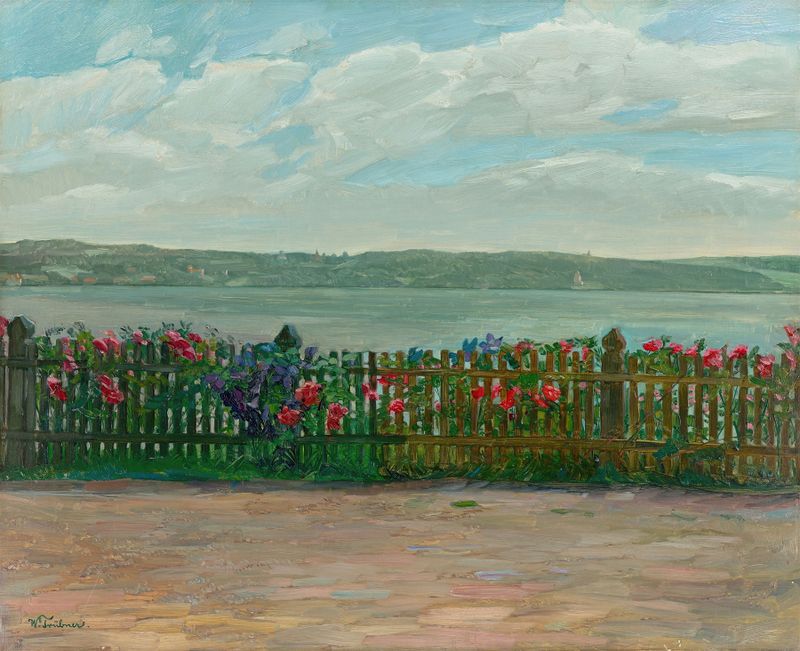
Rose fence with view of the Berg Castle at Lake Starnberg
Wilhelm Trübner
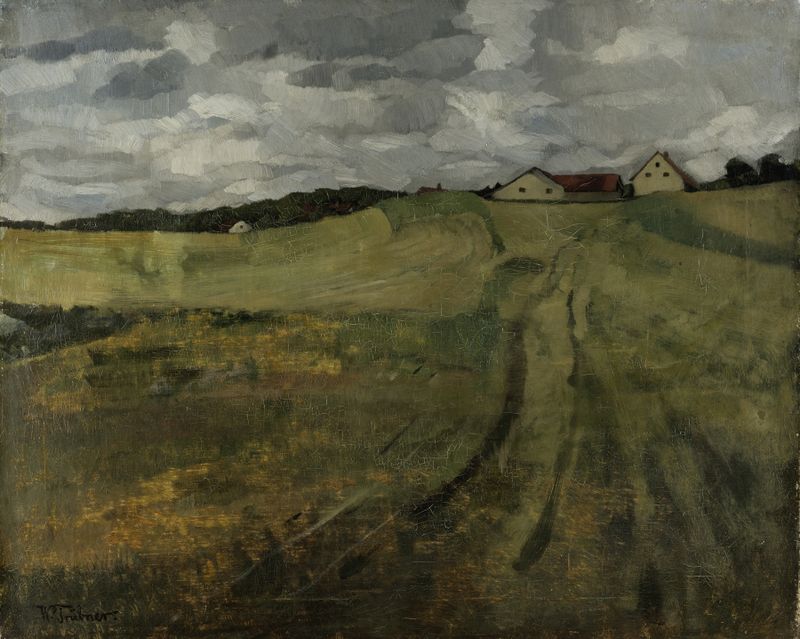
Stubble Field with Ascending Path near Wessling
Wilhelm Trübner
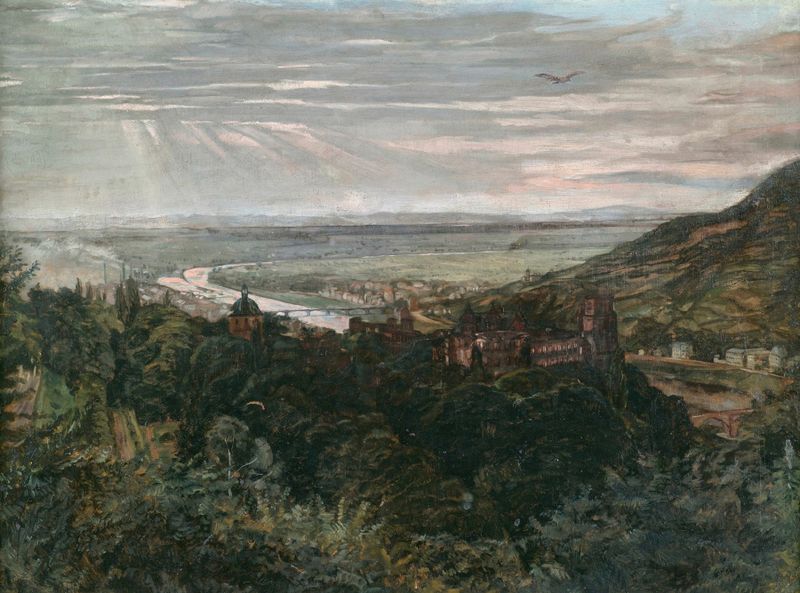
View of Heidelberg
Wilhelm Trübner





