
Still Life — History & Facts
A single, bold red form anchors the composition, but it is the dance of shapes and lines across Still Life that first seizes the eye. Here, Fernand Léger transforms the familiar genre of still life into an architect’s dreamscape—objects flattened, their identities half-hidden behind columns, stripes, and fragments of ornament. Each element feels engineered: the black silhouette hints at a vessel or guitar, while the looping metallic stems on the right rise like stylized flowers or machine parts.
Light is rationed, not poured, and the palette—ivory, jet, steel, ochre, and that insistent red—creates a mood both mechanical and theatrical. The painting’s rhythm is measured, almost musical, inviting the viewer to decipher its coded forms. Painted in 1927, this work stands at the crossroads of Cubism and the machine age, when artists like Léger sought to reconcile the poetry of everyday objects with the logic of modern industry. Paris was a city in flux, its cafés and workshops filled with the hum of invention and the promise of a new visual language.
Still lifes, once the domain of fruit and crystal, became blueprints for a future shaped by steel and electricity. The signature and date, crisply inscribed, remind us that this is a product of its moment—one where history has left few traces of individual commissions or patrons, but the energy of the era pulses in every line. Step closer, and let your eye wander the scaffolding of forms: what once was humble kitchenware now stands as monument.
More Artworks by Fernand Léger

The Tugboat Bridge
Fernand Léger
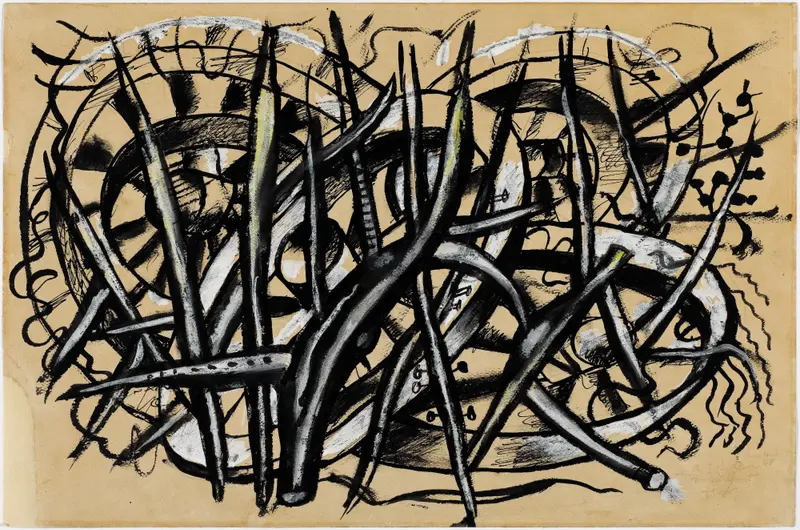
The Wheels
Fernand Léger

Le Cirque Médrano
Fernand Léger
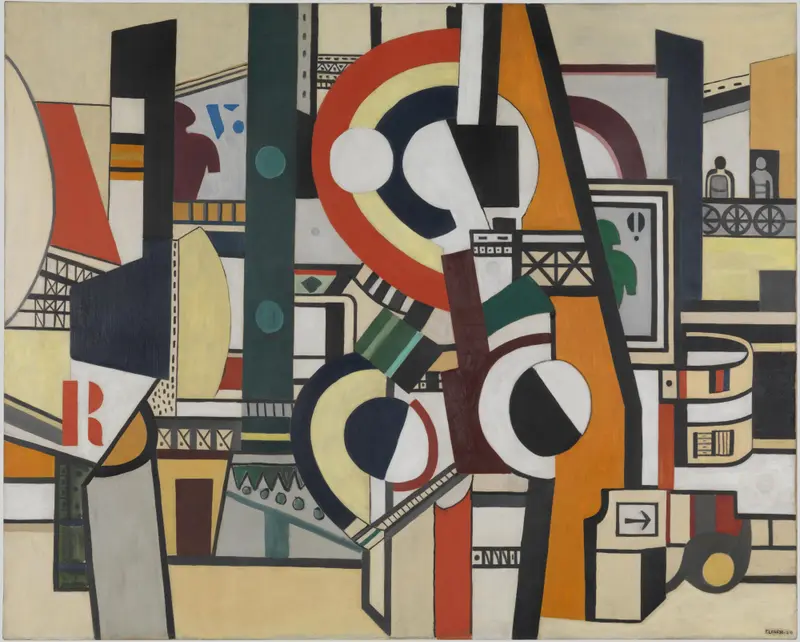
The Disks in the City
Fernand Léger
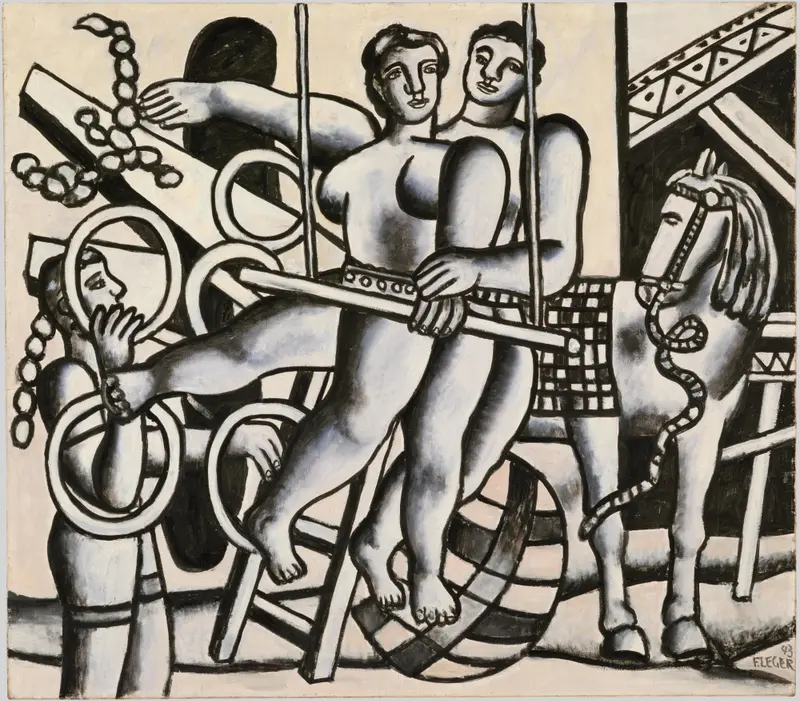
Le Jongleur et les acrobates
Fernand Léger
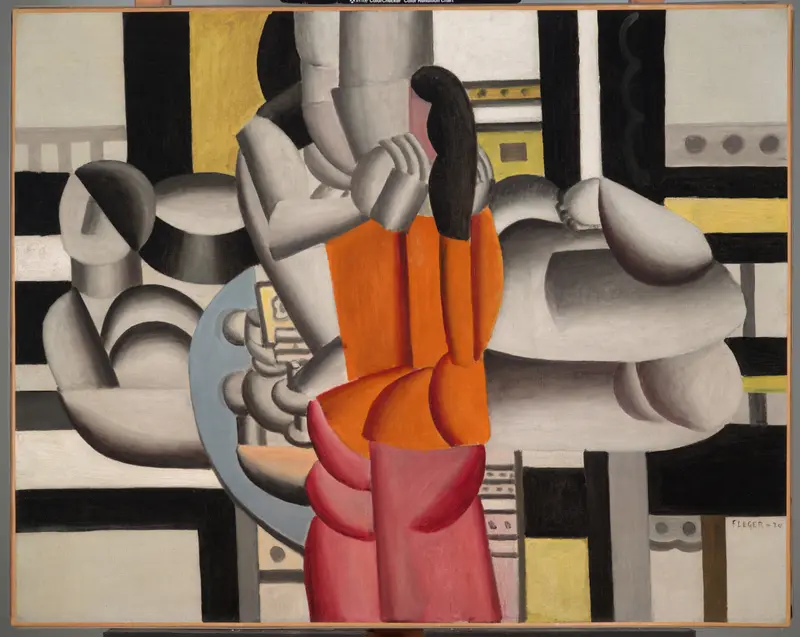
Three Women and Still Life (Déjeuner)
Fernand Léger
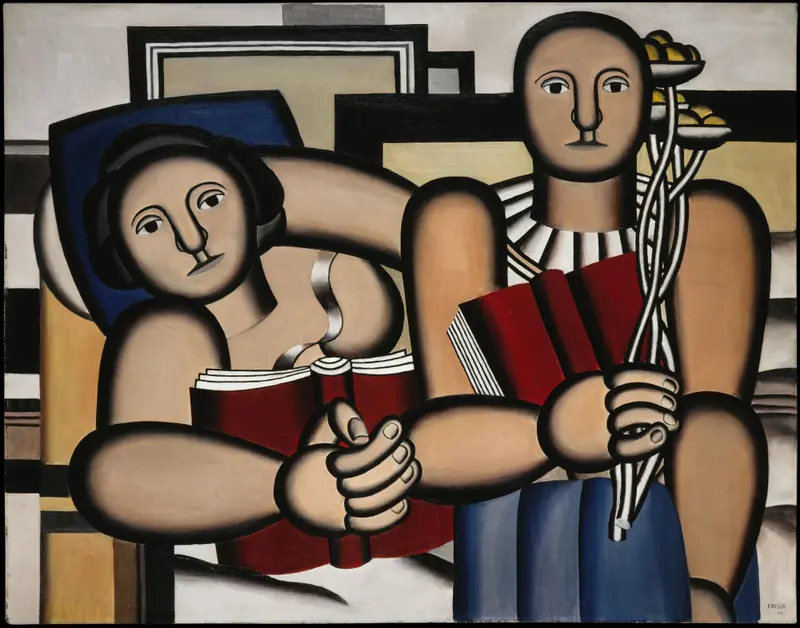
Reading
Fernand Léger
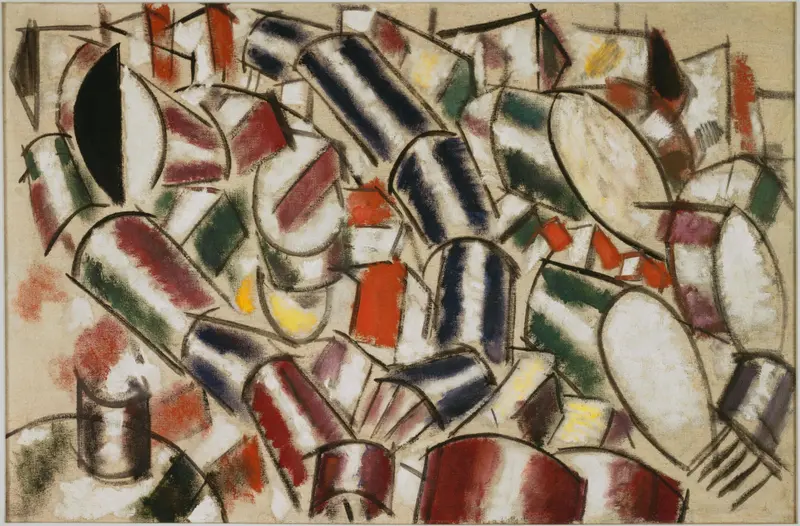
Femme couchée
Fernand Léger
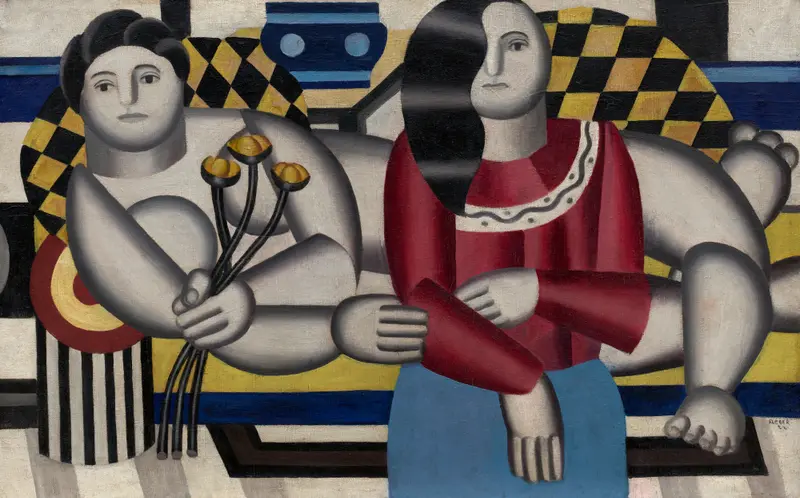
Woman holding flowers
Fernand Léger
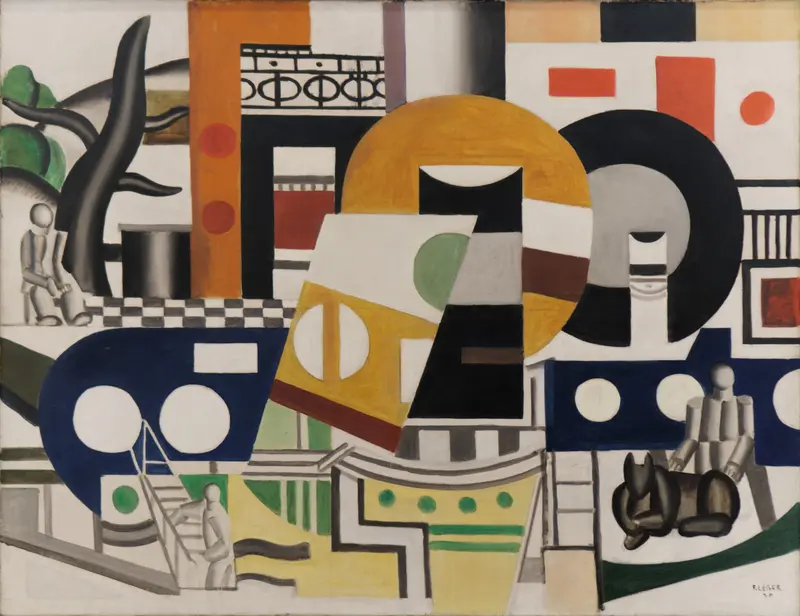
The Tug
Fernand Léger





