
Still Life with a Bust (Definitive State) — History & Facts
A head of ancient stone stares out in profile, monumental and unmoved, while a turquoise vessel and a scatter of metallic forms crowd the foreground—Fernand Léger’s Still Life with a Bust (Definitive State) feels almost like a stage set for a silent encounter between eras. The rigid geometry of the objects, their hard-edged shadows, and the carefully limited palette all conspire to flatten the space, pushing every element forward into the viewer’s attention. The bust’s gaze, fixed and unreadable, is met not by another face but by the cool, machined forms of modernity: a goblet, a tube, a fragment of what might be a tool or a part.
Each object is rendered with the same mechanical clarity, as if Léger is asking us to weigh the classical and the industrial on equal terms. Painted in 1924, this work stands at the crossroads of a world still reckoning with the aftermath of war and the promises of the machine age. Léger, a central figure in the development of Cubism and later Purism, was fascinated by the visual language of industry—its pipes, bolts, and gleaming surfaces. Still lifes like this were not just exercises in arrangement, but meditations on the collision of past and future, tradition and progress.
The bust, a relic of antiquity, is neither idolized nor dismissed; instead, it is set among the tools and trophies of a new century. In this tension, the painting invites us to linger, to consider what endures and what is remade, and to let our eyes wander the border where memory meets invention.
More Artworks by Fernand Léger

The Tugboat Bridge
Fernand Léger
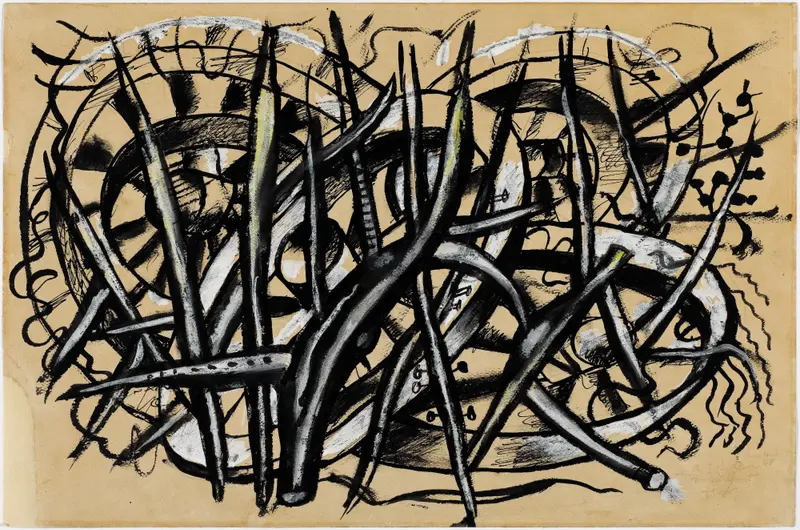
The Wheels
Fernand Léger

Le Cirque Médrano
Fernand Léger
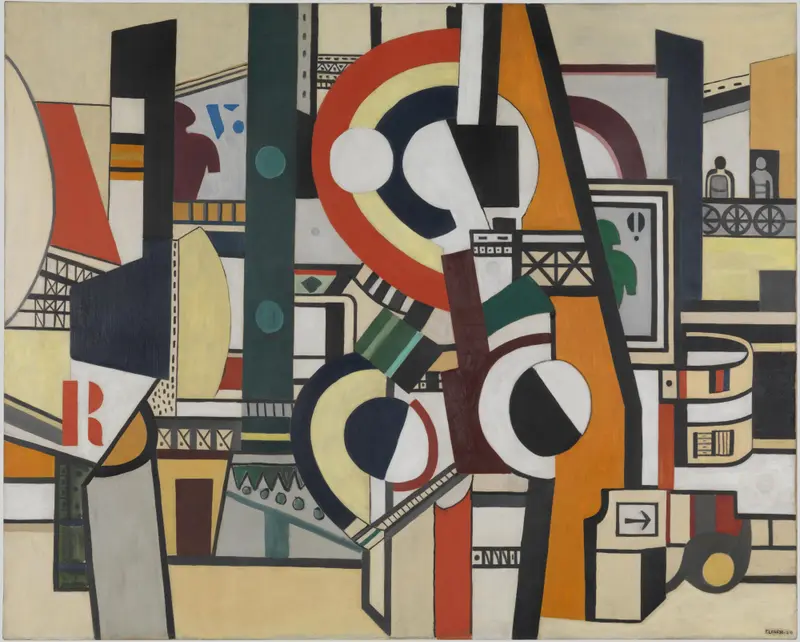
The Disks in the City
Fernand Léger
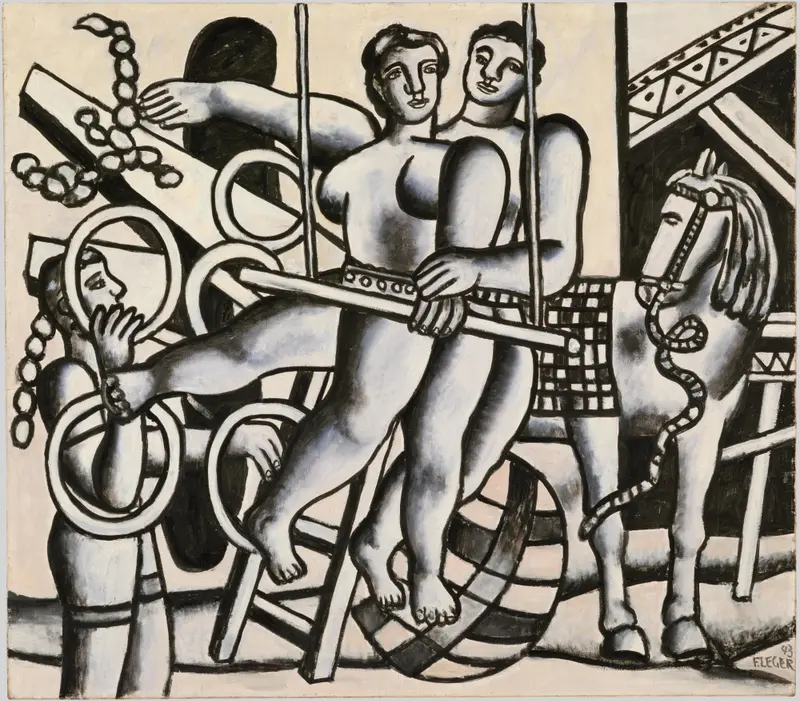
Le Jongleur et les acrobates
Fernand Léger
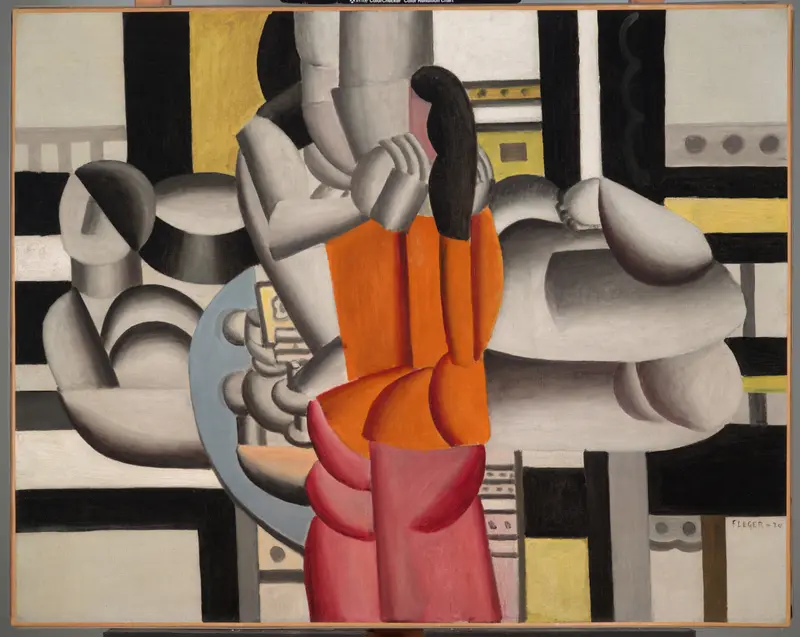
Three Women and Still Life (Déjeuner)
Fernand Léger
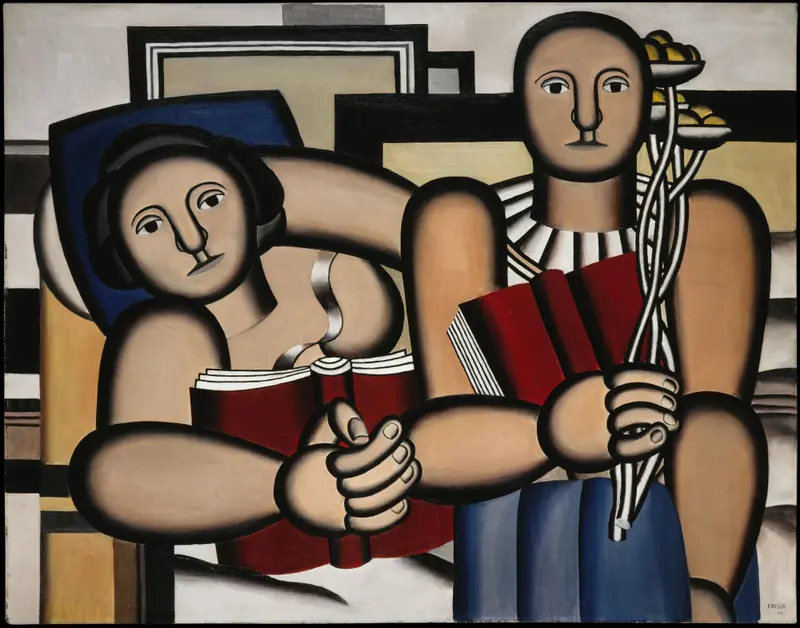
Reading
Fernand Léger
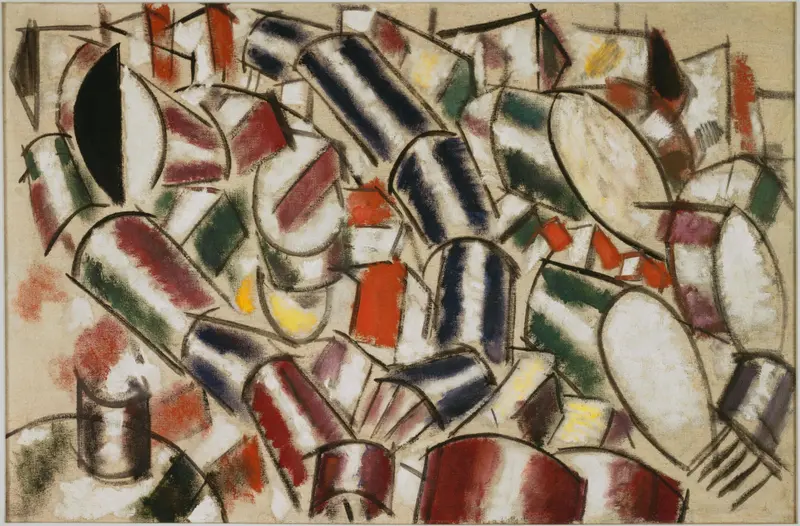
Femme couchée
Fernand Léger
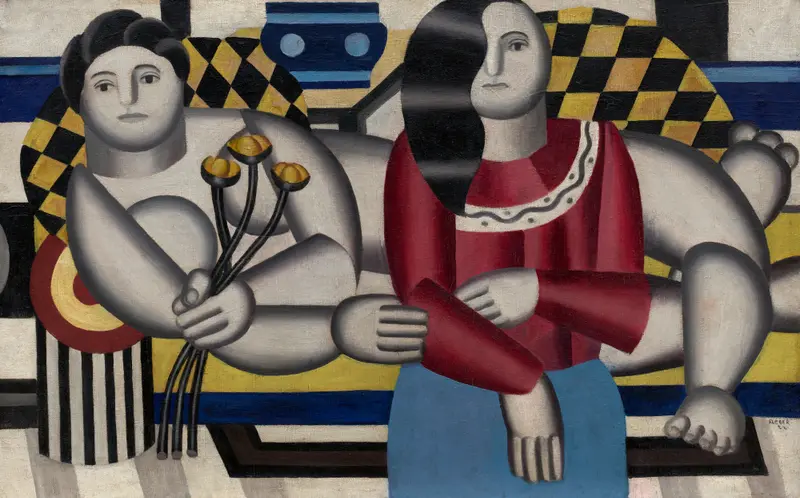
Woman holding flowers
Fernand Léger
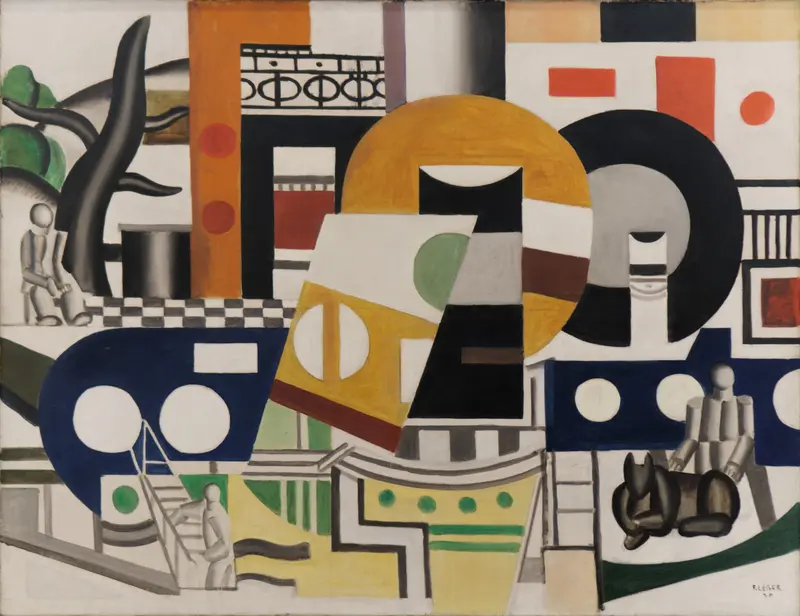
The Tug
Fernand Léger





