
Strawberry Pedlar — History & Facts
What secret hides in the quiet of the canvas? In Strawberry Pedlar, the stillness of the moment invites the viewer to ponder the stories that lie beneath the surface of everyday life. Look closely at the young girl at the center, her hands cradling a wooden basket brimming with ripe strawberries. Notice how the light bathes her figure, highlighting the delicate contours of her face while casting deep shadows that hint at the weight of her burden. The warm palette of reds and browns draws the eye into the richness of the fruit, contrasting with the cooler tones of her attire, suggesting an unspoken tension between innocence and the harsh realities of labor. The basket, overflowing with plump berries, serves as a powerful symbol of fleeting joys and the transitory nature of youth.
Each strawberry, vibrant yet ephemeral, reflects the girl’s momentary respite in a world that demands much from her. The meticulous details of her expression reveal a complex blend of hope and resignation, encapsulating the struggle of a child tasked with adult responsibilities. The background remains blurred, reinforcing her isolation and the void created by societal expectations. William P.
Chappel painted this work during the 1870s, a time when the Industrial Revolution was reshaping societal norms and economic structures. As a lesser-known artist navigating these tumultuous changes, Chappel sought to capture the essence of everyday life, revealing the often-overlooked narratives of those who toiled quietly. His choice of subject matter reflects a desire to elevate the mundane, allowing viewers to connect deeply with the silent stories embedded in the lives of the working class.
More Artworks by William P. Chappel
Browse all →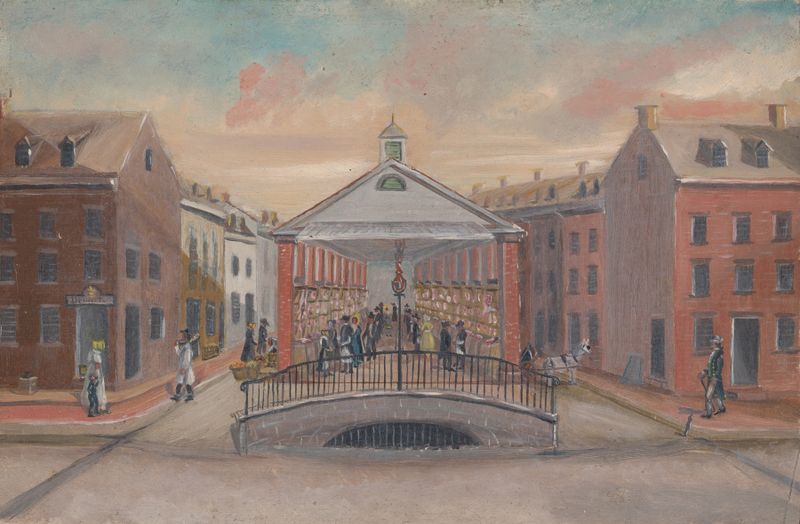
Fly Market
William P. Chappel
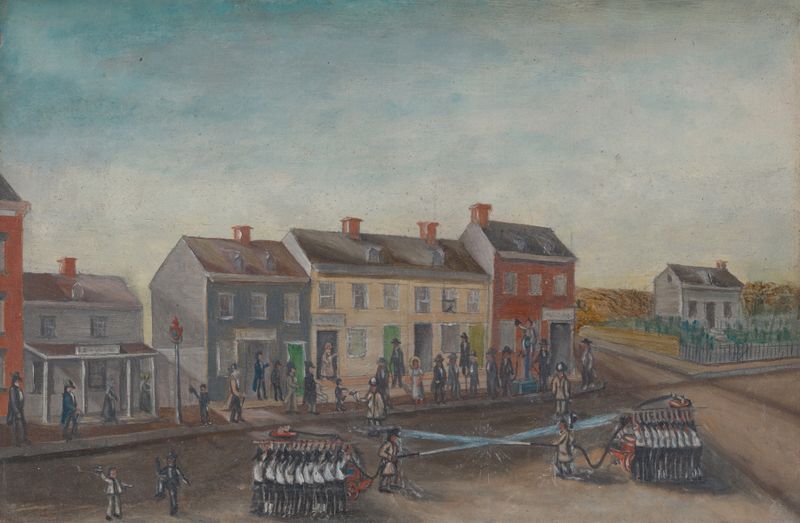
Firemen’s Washing Day
William P. Chappel
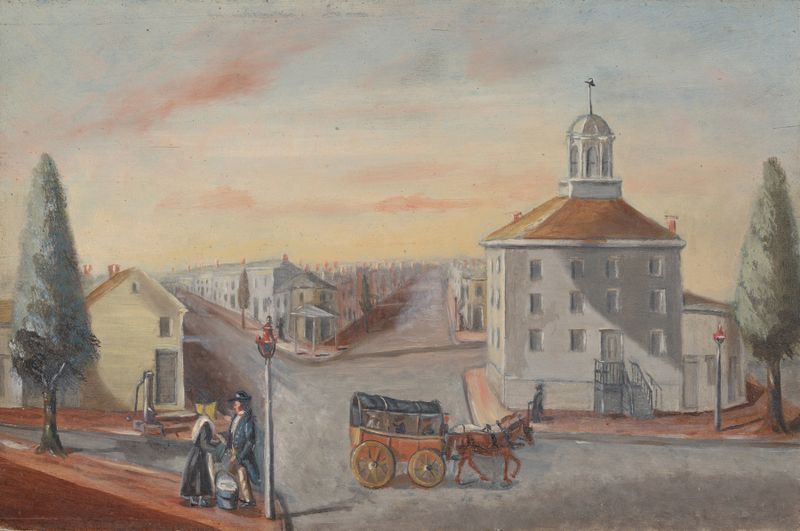
Hot Corn Seller
William P. Chappel
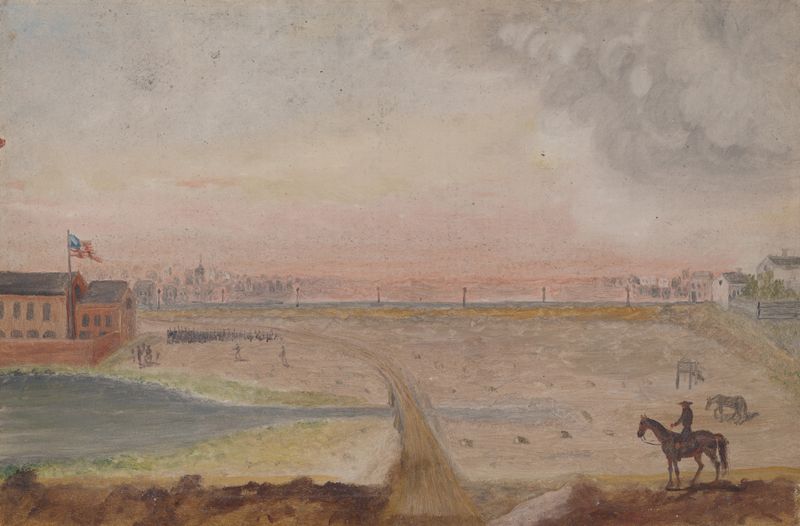
Militia Drilling
William P. Chappel
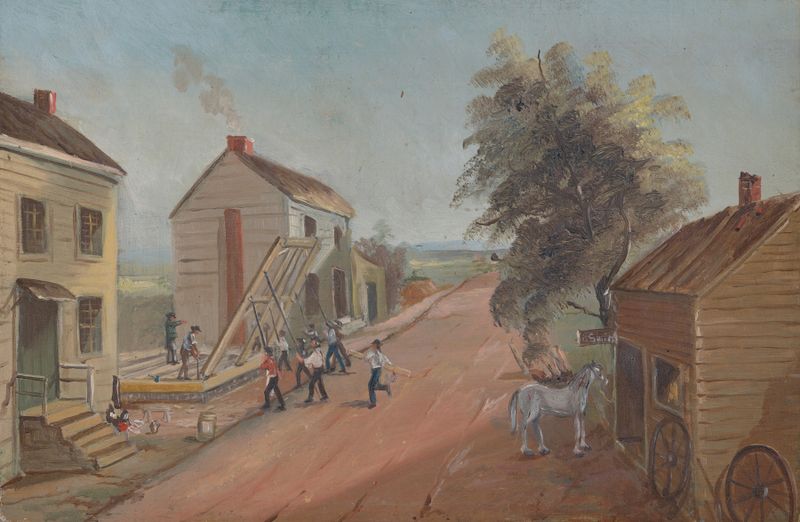
House Raising
William P. Chappel
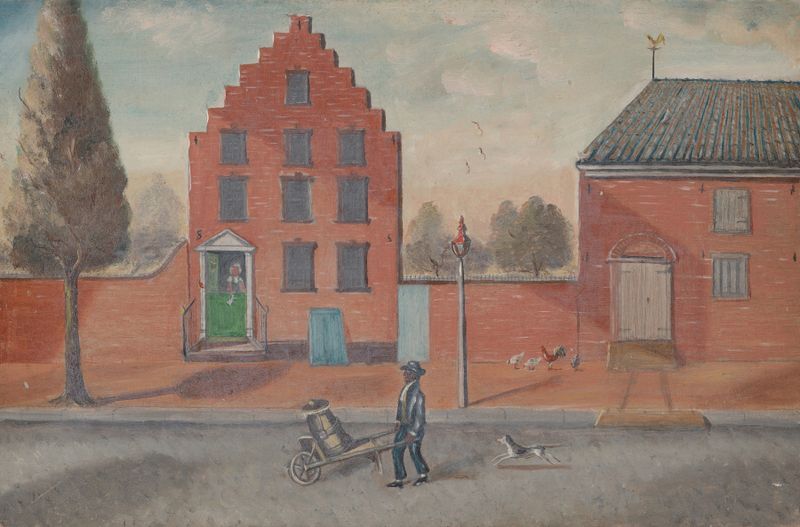
Buttermilk Pedlar
William P. Chappel
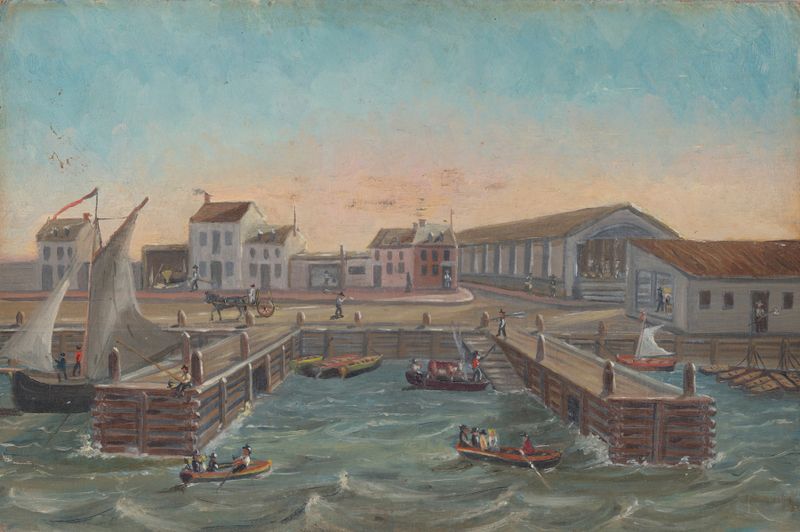
Old Ferry Stairs
William P. Chappel
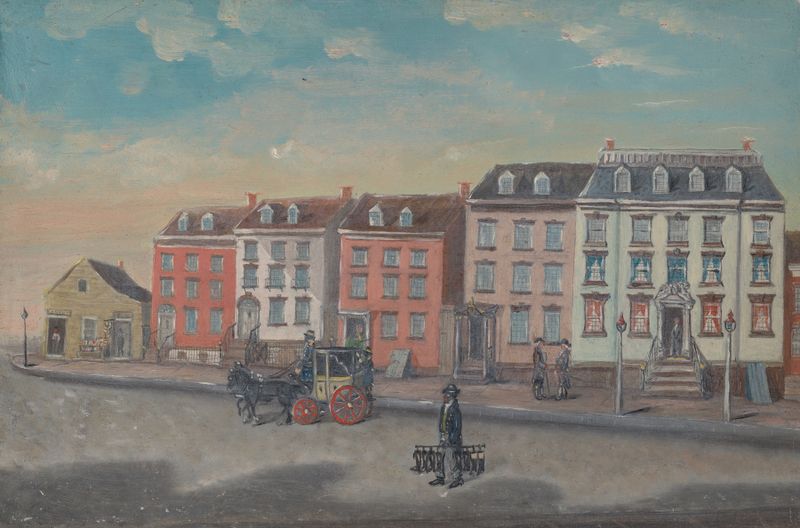
The Boot Black
William P. Chappel
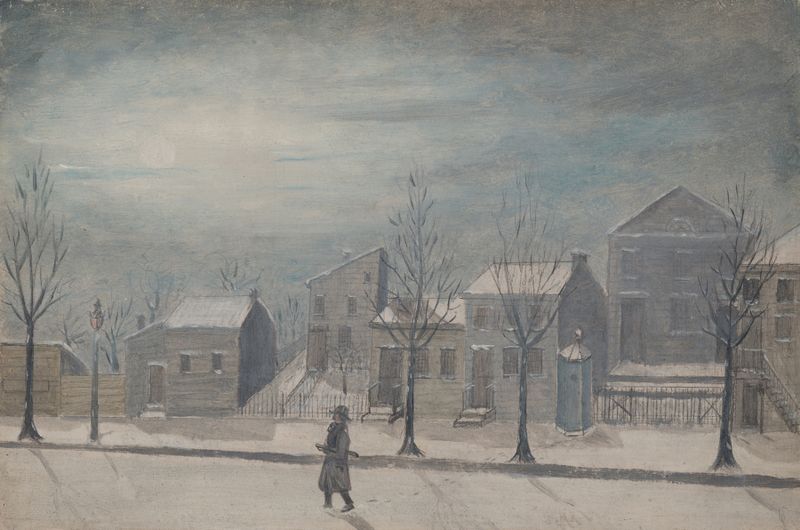
City Watchman
William P. Chappel
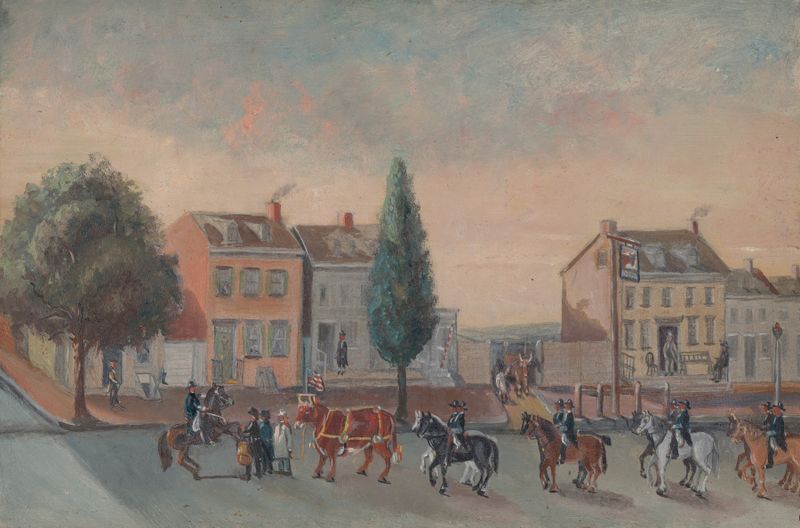
Bull’s Head Tavern
William P. Chappel
More Portrait Art
Browse all →
Las meninas
Diego Velázquez

Self-portrait with a Bandaged Ear and Pipe
Unidentified artist

Girl with a Pearl Earring
Johannes Vermeer

The Sampling Officials of the Amsterdam Drapers’ Guild, Known as ‘The Syndics’
Rembrandt van Rijn

The Hundred Guilder Print: the man seen on the back in the lower left corner
Rembrandt van Rijn

Portrait of Dr Gachet
Vincent van Gogh