
Street In Bologna — History & Facts
When did color learn to lie? In Street In Bologna, vibrant hues weave a tapestry that both invites and deceives, echoing the complex relationship between beauty and decay. Look to the left, where warm ochres and soft terracottas of ancient buildings rise against a sky flecked with dappled light. The intricate details of the brickwork capture the eye, revealing the weight of history embedded within each wall. Shadows stretch across the cobblestones, creating a sense of time slipping by, while the subtle blending of greens in the foliage offers a moment of life amidst the city’s stoic silence. There is a poignant contrast between the vitality of nature and the stillness of the architectural backdrop.
The vibrant splashes of color speak to the liveliness of life, yet the shadows suggest an impending softness—an inevitable decay. The viewer feels the tension between the present beauty of the street and the whispers of its historical decay, prompting reflection on the passage of time and the stories that linger in the fading walls. William Callow painted this evocative scene during the late 19th century, a time when he was deeply engaged in capturing landscapes across Europe. Working primarily in England and Italy, he was influenced by the atmospheric qualities of light and color, which were central to the Romantic movement.
His works reflect a growing appreciation for the interplay of nature and man-made structures, marking a significant development in landscape painting of the period.
More Artworks by William Callow
Browse all →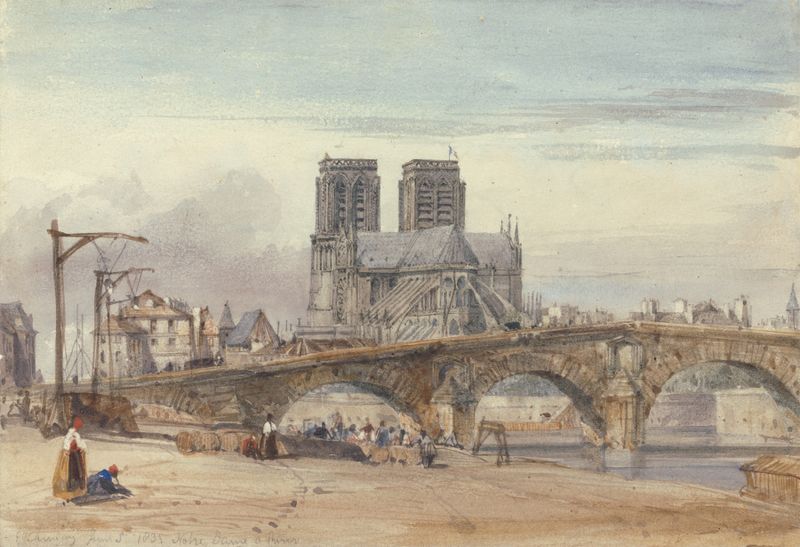
Notre Dame, Paris
William Callow
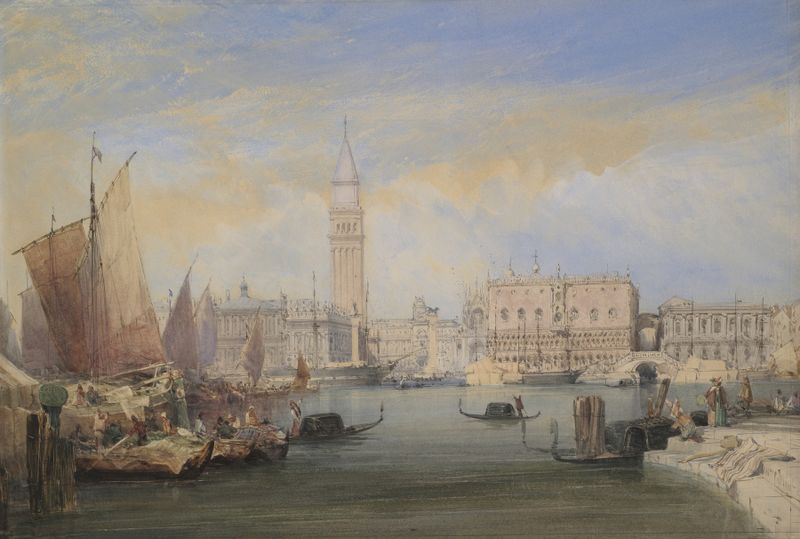
Venice from St. Giorgio
William Callow
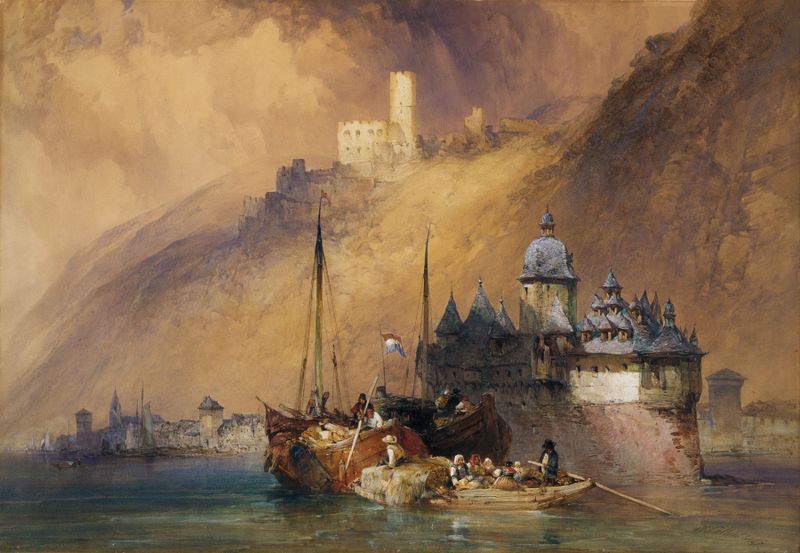
The Phalz Castle on the Rhine
William Callow

The Luxor, Paris, December 1833
William Callow

On the Wharfe, Bolton Abbey
William Callow

Caesar’s Tower, Warwick Castle
William Callow
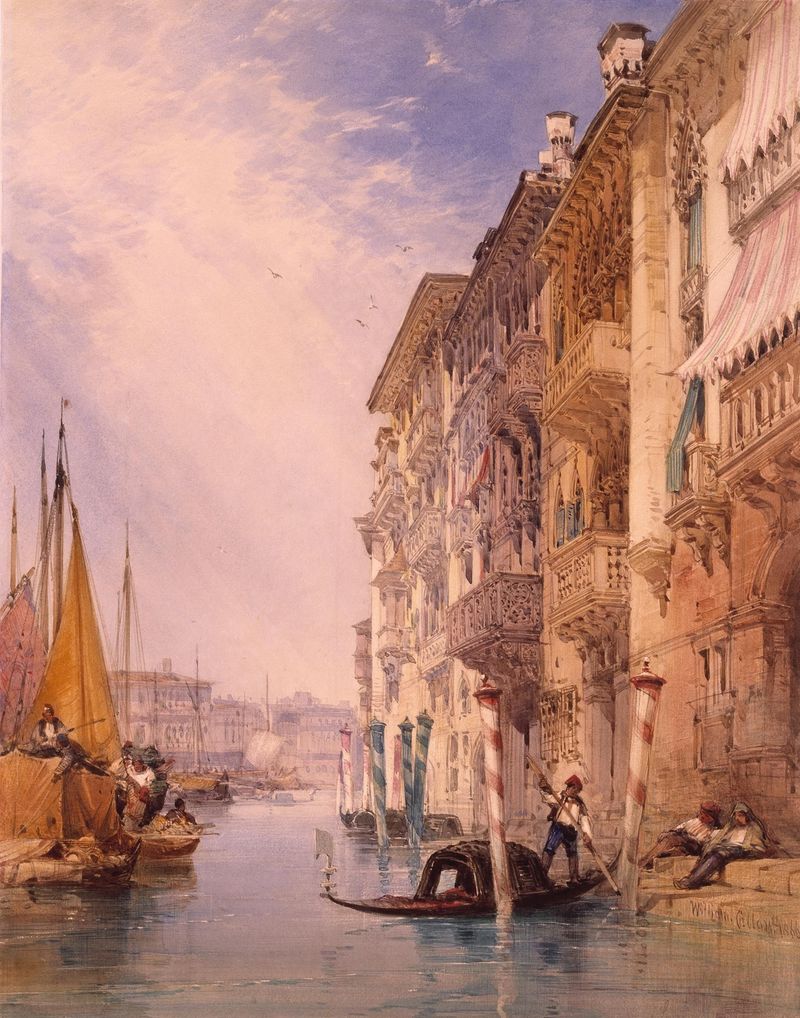
A Gondola on the Grand Canal, Venice
William Callow

Rheinfels and St. Goar
William Callow
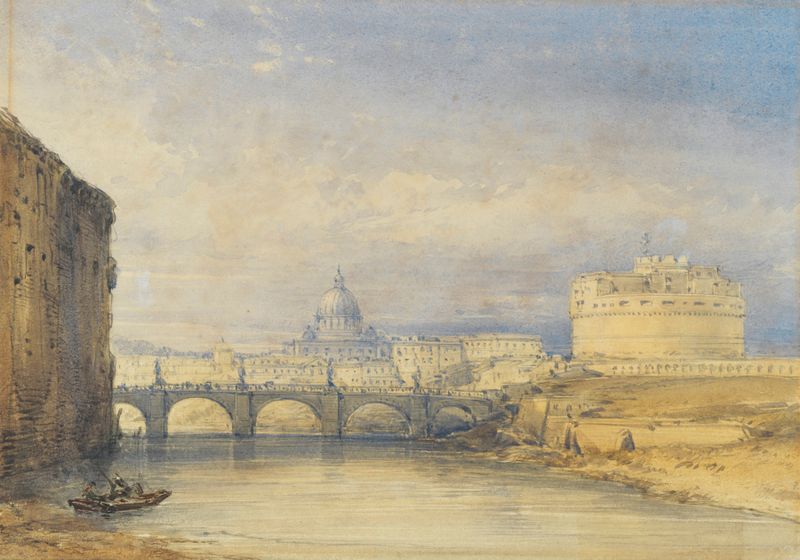
Castel Sant’Angelo, Rome
William Callow

Entering Harbour
William Callow





