
Street Scene in Chelsea — History & Facts
When did color learn to lie? In Street Scene in Chelsea, deceptive hues weave a narrative of betrayal, where vibrant shades mask the darker truths of urban life. Focus first on the central figure, a woman in a striking red dress, drawing the eye with her boldness. The chaotic array of colors around her blurs the outline of her form, suggesting both vibrancy and instability. Notice how the brushwork melds layers of blues and greens, creating a shimmering effect that evokes the bustle of the street.
The interplay of light and shadow plays a pivotal role, with the glow of the setting sun casting elongated shapes and deepening the sense of separation within the scene. As you delve deeper, the juxtaposition of the woman's isolated stance against the animated backdrop speaks volumes about her emotional state. Is she an embodiment of confidence, or does her vivid attire betray vulnerability amid the throng? The looming buildings, rendered in darker tones, evoke a sense of confinement, as if she is both part of and alien to the life surrounding her. The viewer is left to ponder the complexity of her existence as the compelling colors both attract and obscure the truth. In 1888, Whistler painted this work during a time of personal transition, having recently returned to London after a stint in Paris.
The art world was then navigating the shift from Impressionism to a more expressive use of color and form. This period marked a significant evolution in his style, reflecting both his fascination with urban life and the burgeoning modernity of Chelsea, filled with its vibrancy and hidden melancholy.
More Artworks by James Abbott McNeill Whistler
Browse all →
Nocturne in Blue and Silver
James Abbott McNeill Whistler
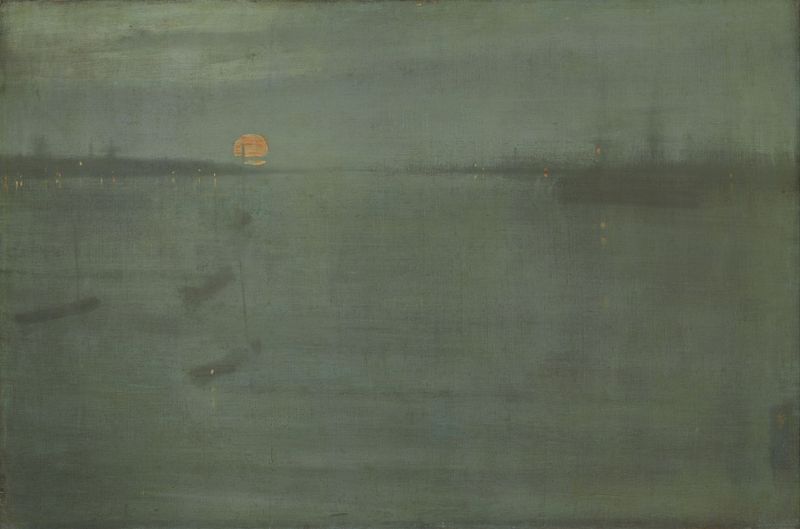
Nocturne: Blue and Gold–Southampton Water
James Abbott McNeill Whistler
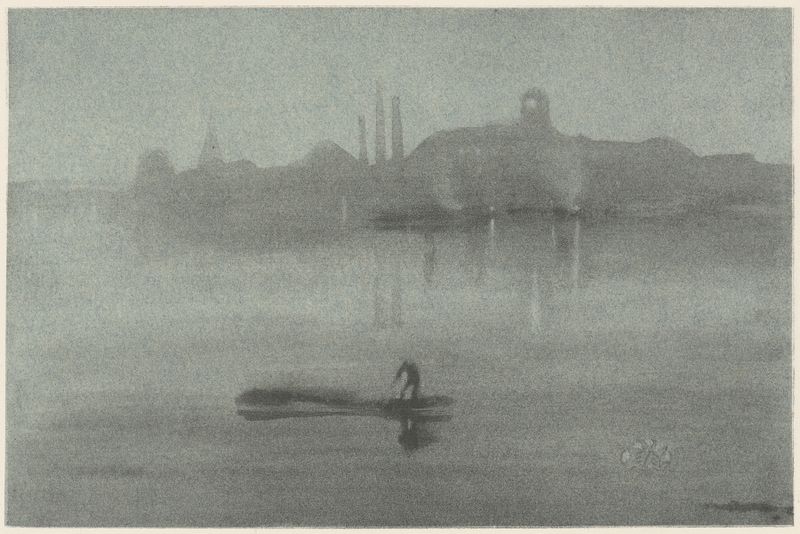
Nocturne
James Abbott McNeill Whistler
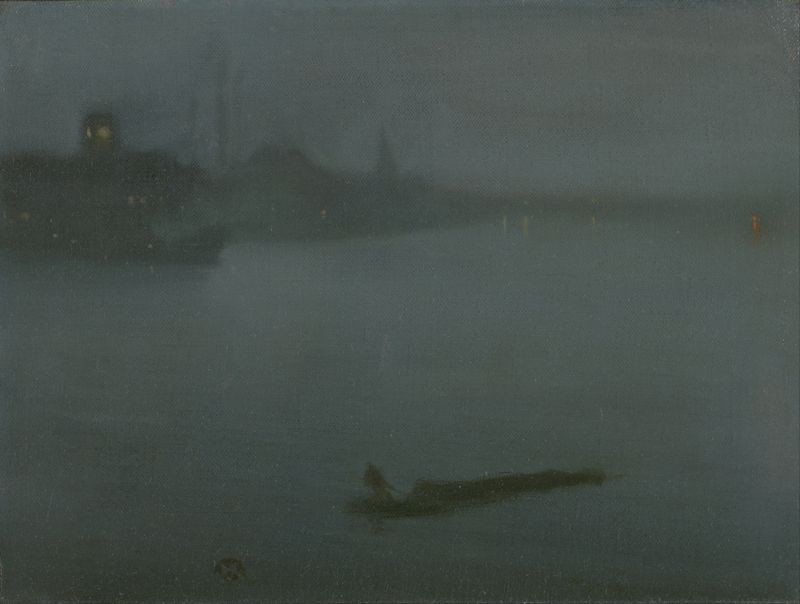
Nocturne in Blue and Silver
James Abbott McNeill Whistler
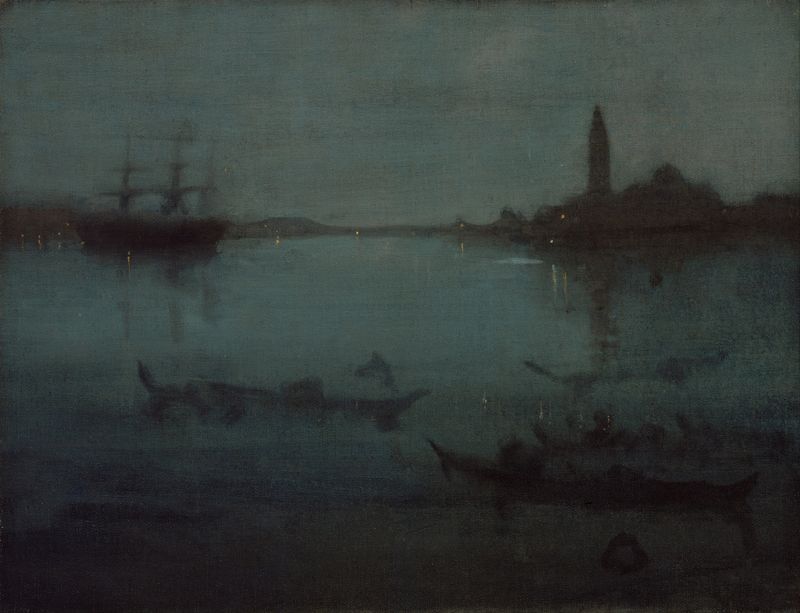
Nocturne in Blue and Silver- The Lagoon, Venice
James Abbott McNeill Whistler
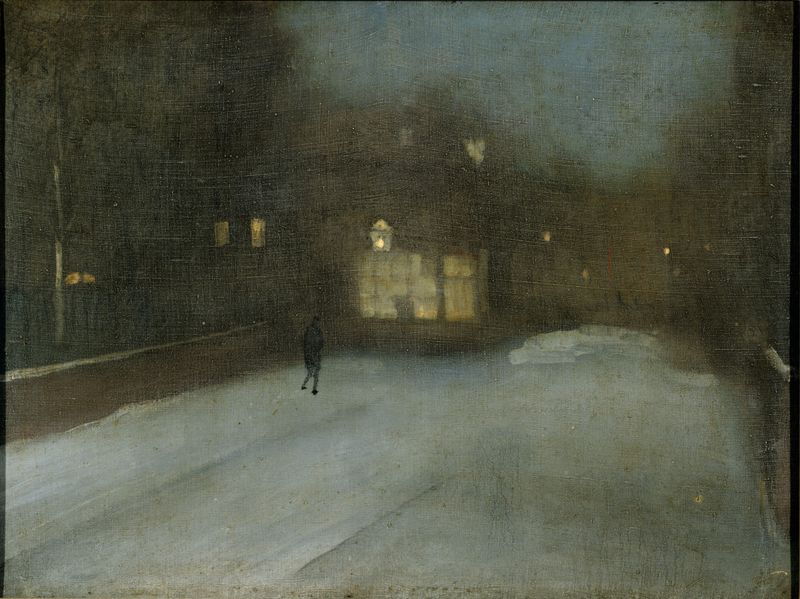
Nocturne in Grey and Gold: Chelsea Snow
James Abbott McNeill Whistler
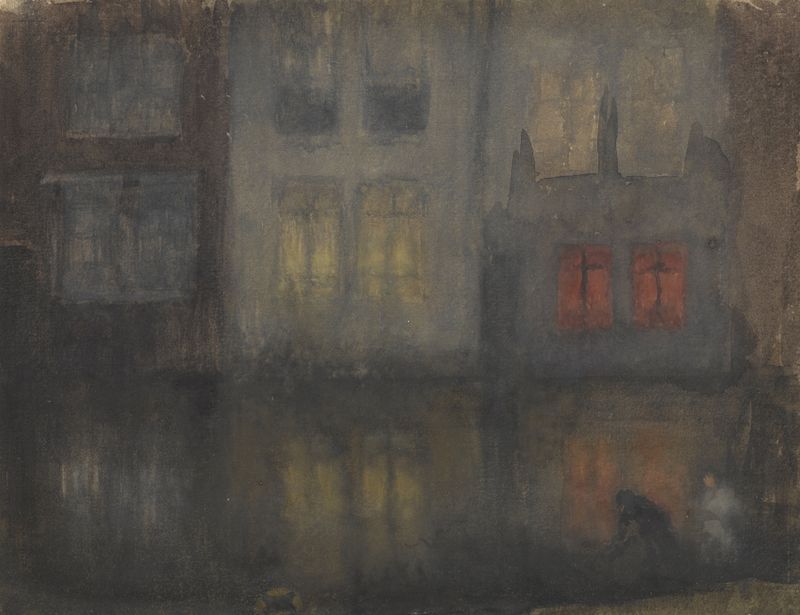
Nocturne: Black and Red—Back Canal, Holland
James Abbott McNeill Whistler
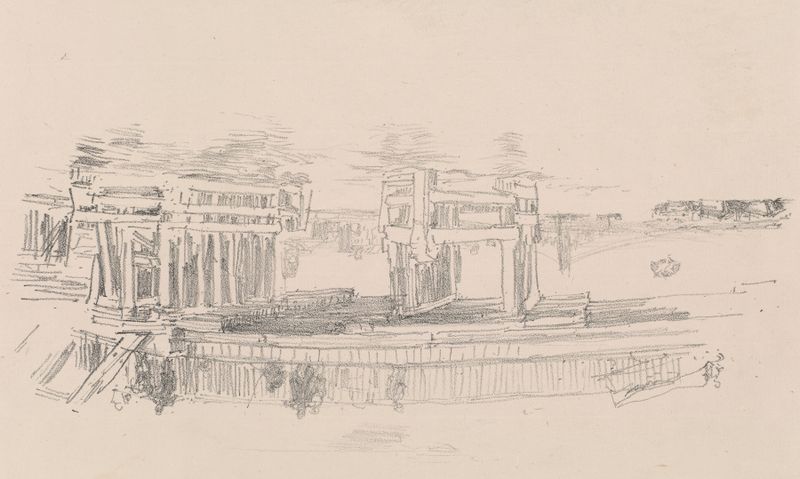
Old Battersea Bridge
James Abbott McNeill Whistler

Nocturne: Blue and Silver–Battersea Reach
James Abbott McNeill Whistler
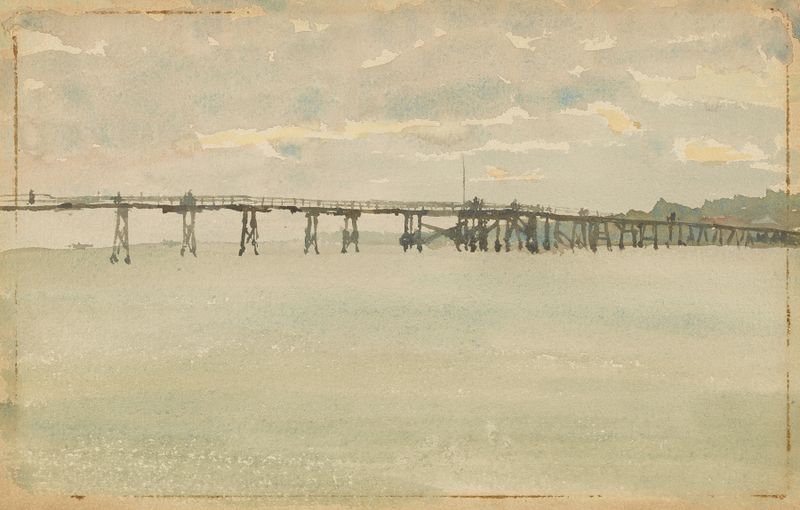
Grey and Silver–Pier, Southend
James Abbott McNeill Whistler





