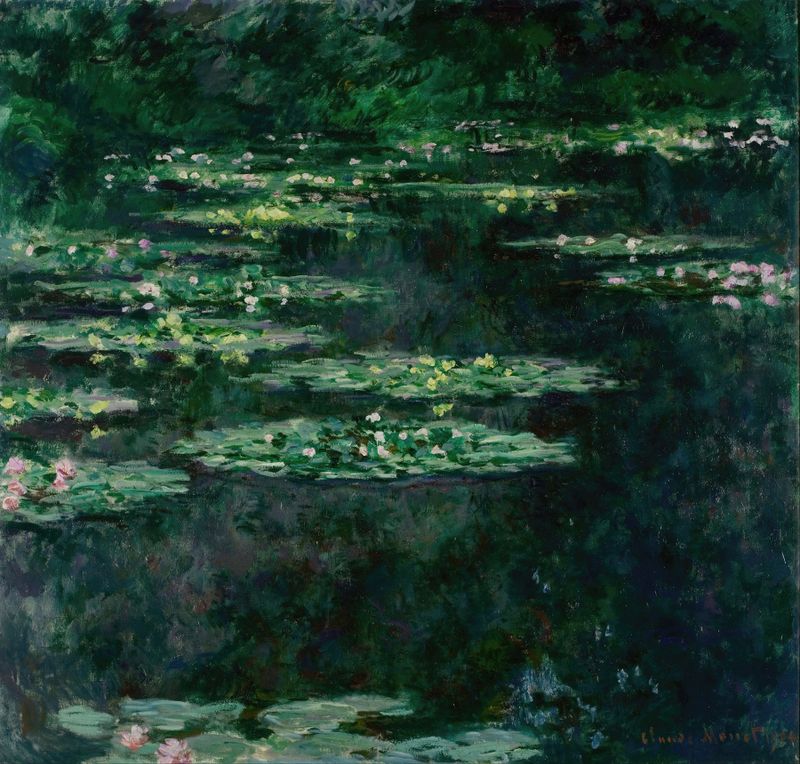
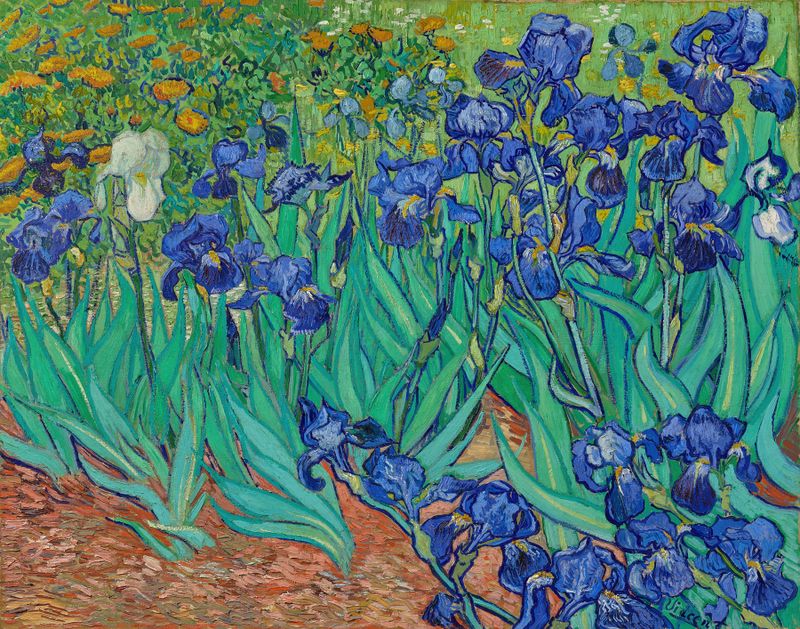
Strook dubbelzijdig geschulpte zwarte machinale kant met bloemmotief met contourdraden, op karton — History & Facts
Could a single brushstroke hold eternity? In the delicate interplay of contours and shadows, we find ourselves pondering the infinite possibilities of illusion within the confines of reality. Look closely at the intricate detailing of the floral motifs. The precise, machine-like craftsmanship invites your gaze to trace the elegant curves, each line meticulously rendered with a rhythmic grace that defies the flatness of the cardboard surface. Notice how the interplay of light and dark emphasizes depth, creating an almost three-dimensional quality that draws you in, urging you to reach out and touch the delicately sculpted patterns. As you explore the piece, consider the juxtaposition of the mechanical and the organic.
The machine-made quality of the lace-like design contrasts sharply with the softness of the floral elements, evoking a tension between humanity's industrious innovations and the timeless beauty found in nature. This duality suggests a dialogue between the two realms, inviting contemplation on the ways technology can both enhance and distill the essence of life. Created around 1925, this work emerged during a period of significant transition in the world of art, as modernism began to redefine boundaries. Gustav Schnitzler, engaged in the post-war avant-garde movements, sought to challenge traditional notions of craftsmanship and beauty.
In a Europe grappling with the aftermath of conflict, his work reflects a desire to balance the synthetic with the inherent, offering viewers a glimpse into a world where illusion and reality coexist harmoniously.
More Artworks by Gustav Schnitzler
Browse all →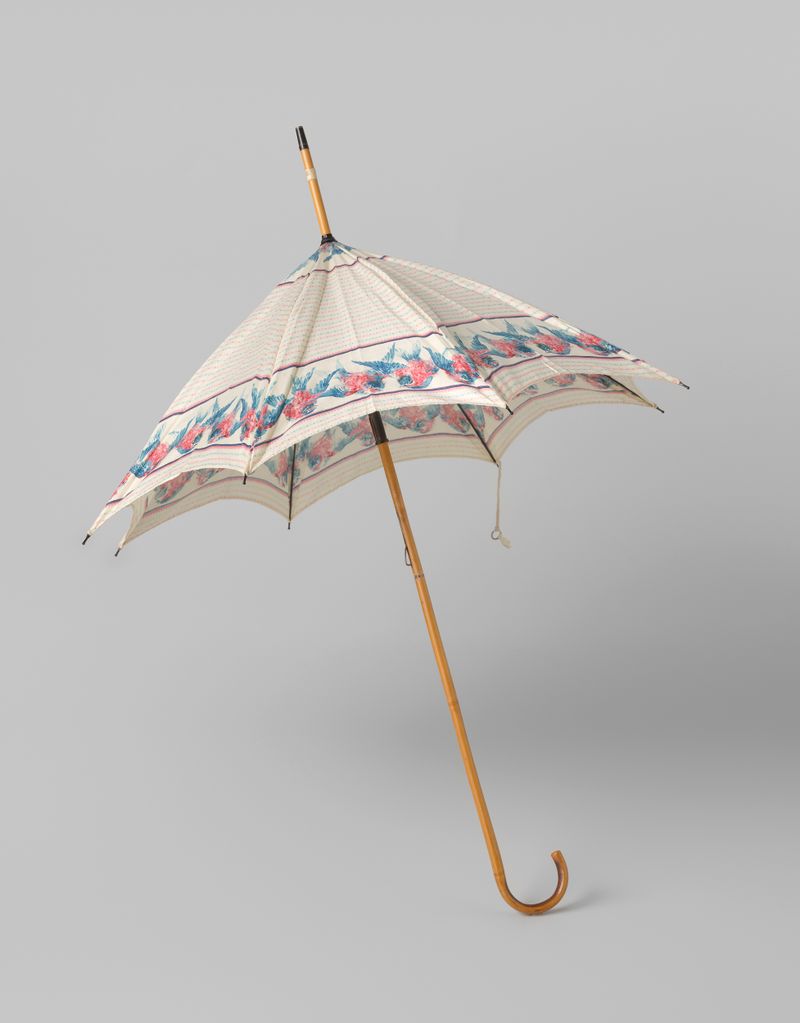
Parasol met dek witte katoen bedrukt met roze en blauwe vogeltjes, op een bamboe stok met gebogen handvat
Gustav Schnitzler
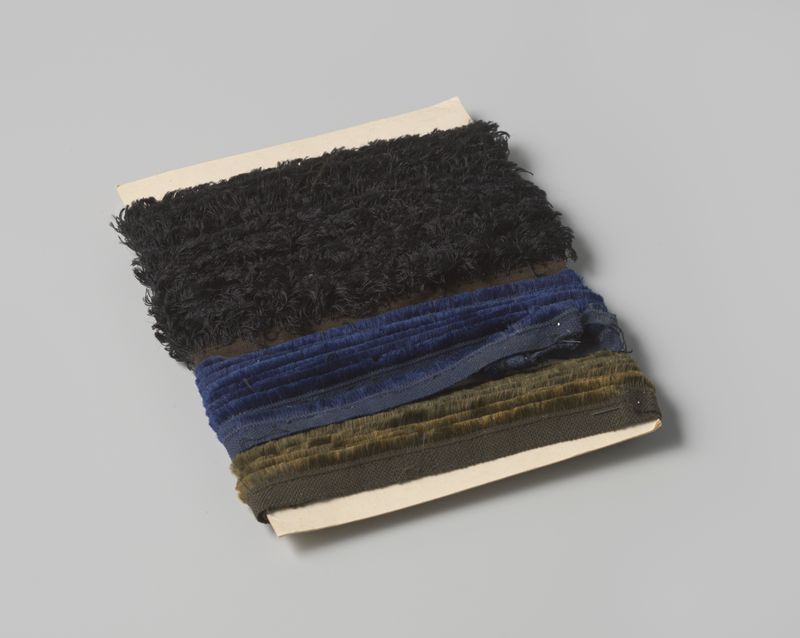
Strook zwarte franje aan bezemband, op karton
Gustav Schnitzler
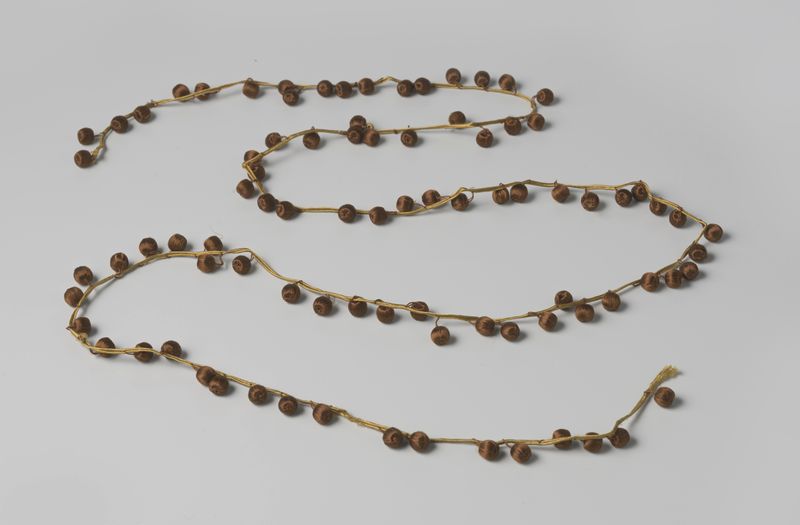
Galon, goudkleurig, waaraan pompons van bruin (zijde)draad hangen
Gustav Schnitzler
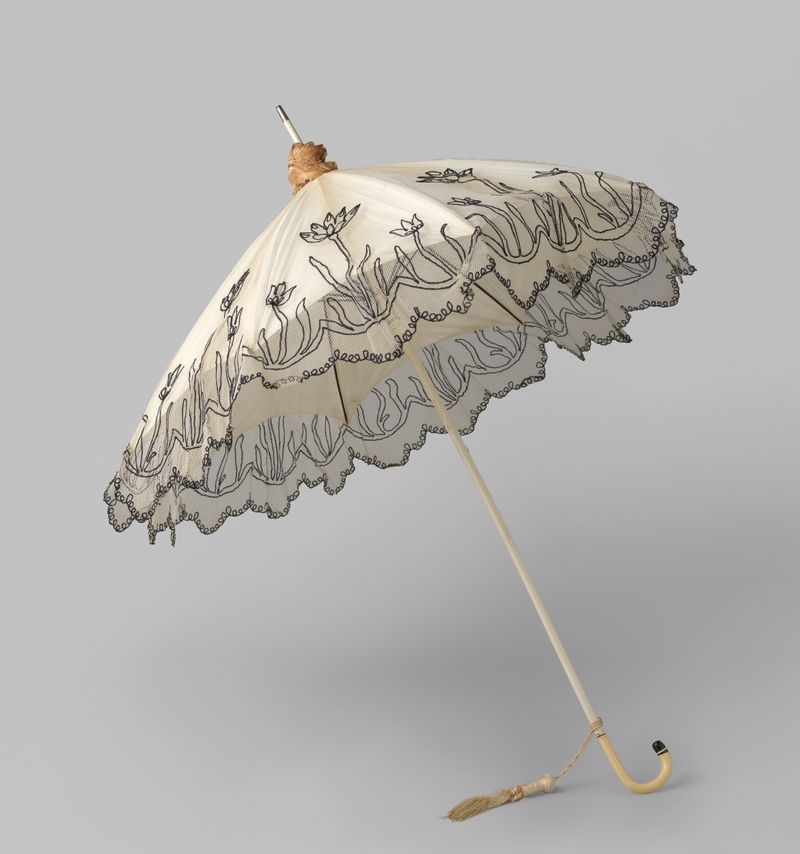
Parasol met dek van witte tule waarop zwart borduurwerk van telkens drie bloemen, op een witgeverfde houten stok, waaraan een gebogen ivoorkleurig handvat
Gustav Schnitzler

Parasol met dek van witte katoen, waartussen een strook van witte kant, op een lichte, houten stok met een ronde haak
Gustav Schnitzler

Strook franje, getand, wit en écru, gewikkeld rond een met gouden randen afgezet plankje
Gustav Schnitzler
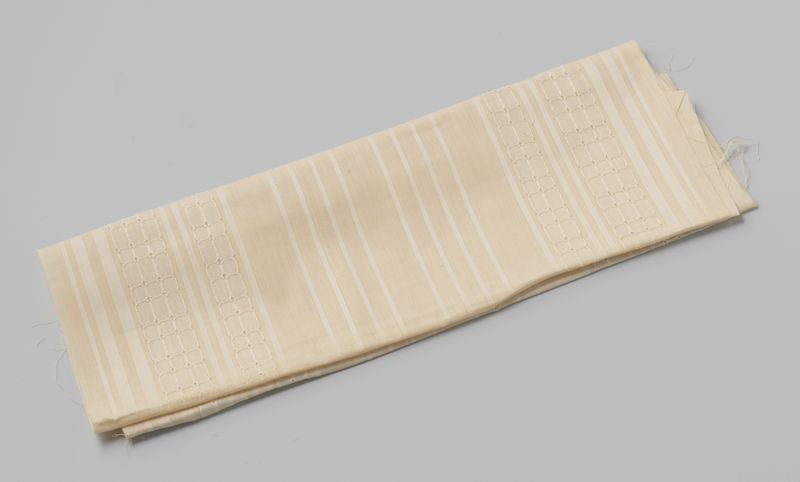
Coupon wit parasolkatoen met beige strepen aan weerszijden
Gustav Schnitzler
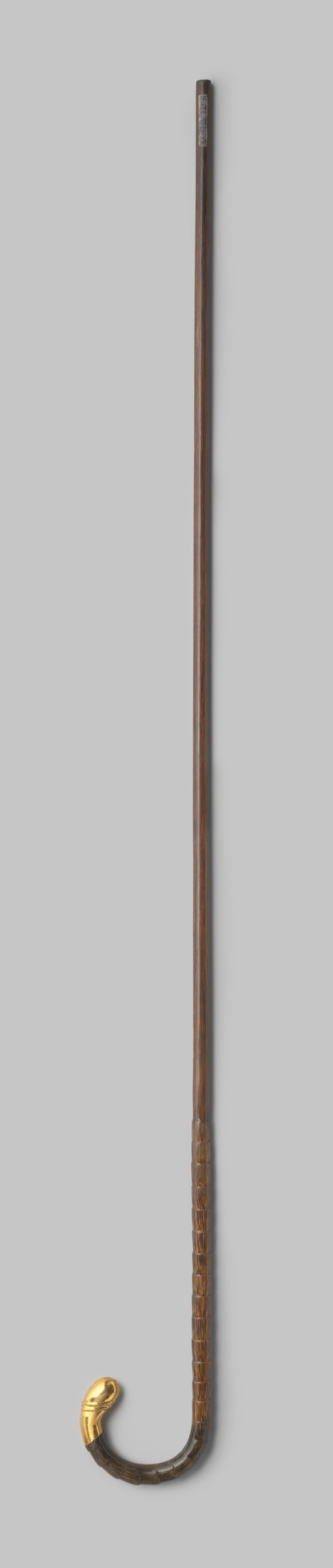
Onderstok van een parapluie of parasol van kokospalm met ronde haak en goudkleurig (verguld?) metalen uiteinde
Gustav Schnitzler
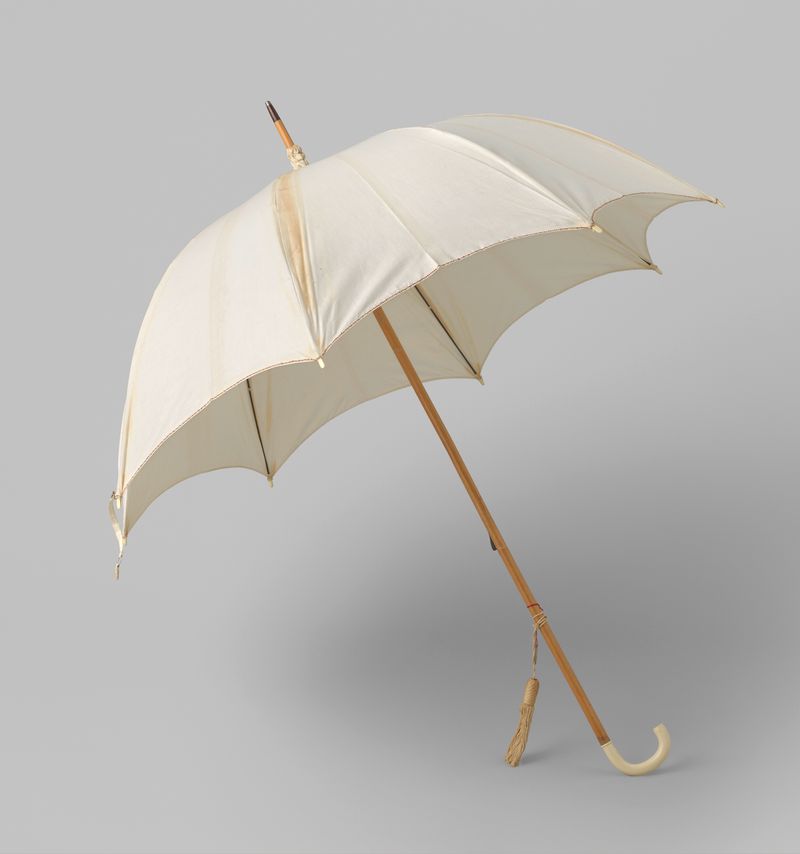
Parasol met dek van effen witte katoen met een smal meerkleurig draad langs de rand geregen, op lichte houten stok, met gebogen, ivoorkleurig handvat
Gustav Schnitzler
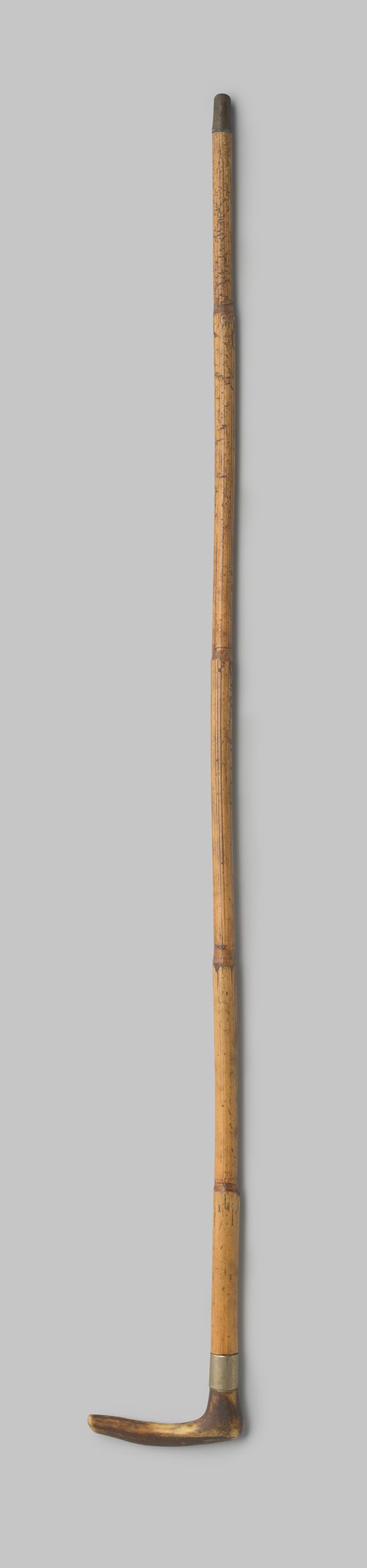
Onderstok van parasol of parapluie van bamboe met rechte haak van hertshoorn, met ring en punt van koper
Gustav Schnitzler