
Sts Peter and John at the beautiful Gate — History & Facts
Few biblical scenes have inspired as many artists as the healing at the Beautiful Gate, but what sets Sts Peter and John at the beautiful Gate by Raphael apart is its elusive status: while the composition is often attributed to the hand of Raphael, scholars continue to debate both its authorship and its original medium. No securely dated autograph version survives, and the work is known today through a handful of drawings and prints, each reflecting the Renaissance fascination with miraculous acts. This air of uncertainty has only increased its allure, inviting generations to seek out the master's touch in every brushstroke or line. The moment Raphael chose is one of sudden transformation: Peter, with his right hand extended, commands the lame beggar to rise, uttering the words, "Silver and gold have I none; but such as I have give I thee." The beggar, seated at the temple gate, looks up in hope and disbelief, his crutches lying abandoned at his side.
John, standing just behind Peter, gestures upward, directing both the beggar and the viewer's gaze toward divine intervention. The architectural setting, with its soaring columns and open sky, frames the miracle as both a public spectacle and a private act of faith. Compared to Masaccio's treatment of the same episode in the Brancacci Chapel, Raphael brings a gentler, more harmonious order to the figures, emphasizing the compassion of the apostles over the drama of the cure. Though the precise origins of Sts Peter and John at the beautiful Gate remain uncertain, its composition has circulated widely since the early sixteenth century, influencing painters and engravers across Europe.
Some believe it was conceived as part of a tapestry series or as a preparatory cartoon for a larger altarpiece, reflecting Raphael's workshop practice in his later Roman years. The absence of a definitive painted version has led to spirited debates over attribution, with scholars tracing stylistic echoes in works by Raphael's pupils and followers. Today, the image endures as a testament to the artist's enduring influence, bridging the worlds of painting, drawing, and print, and reminding us of the power of art to make the miraculous tangible.
More Artworks by Raphael

Madonna of the Goldfinch
Raphael

Madonna with the Fish
Raphael
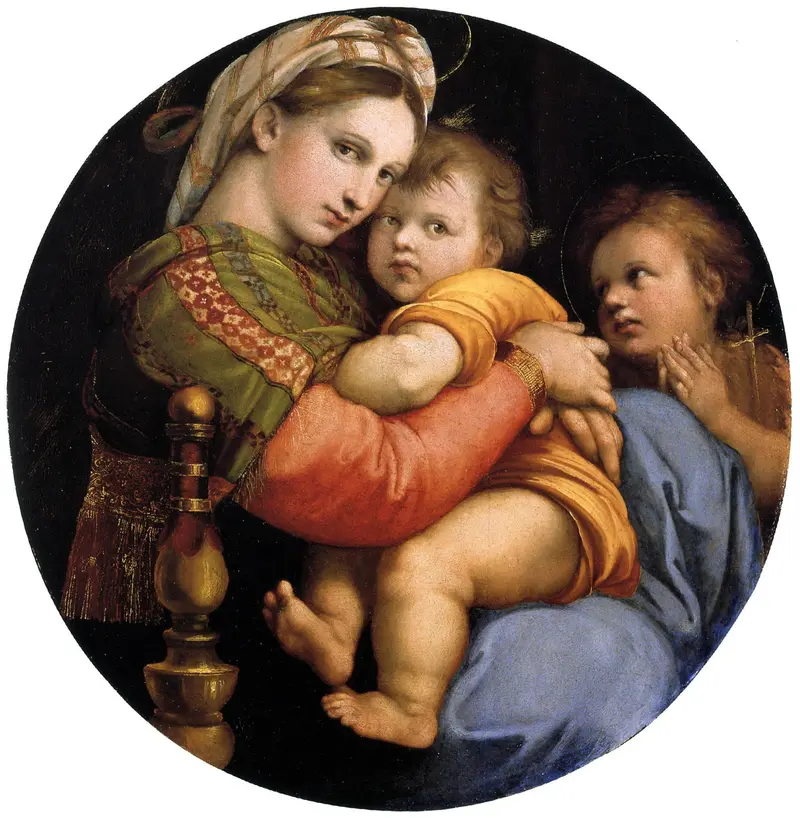
Madonna and Child (Madonna della Seggiola)
Raphael
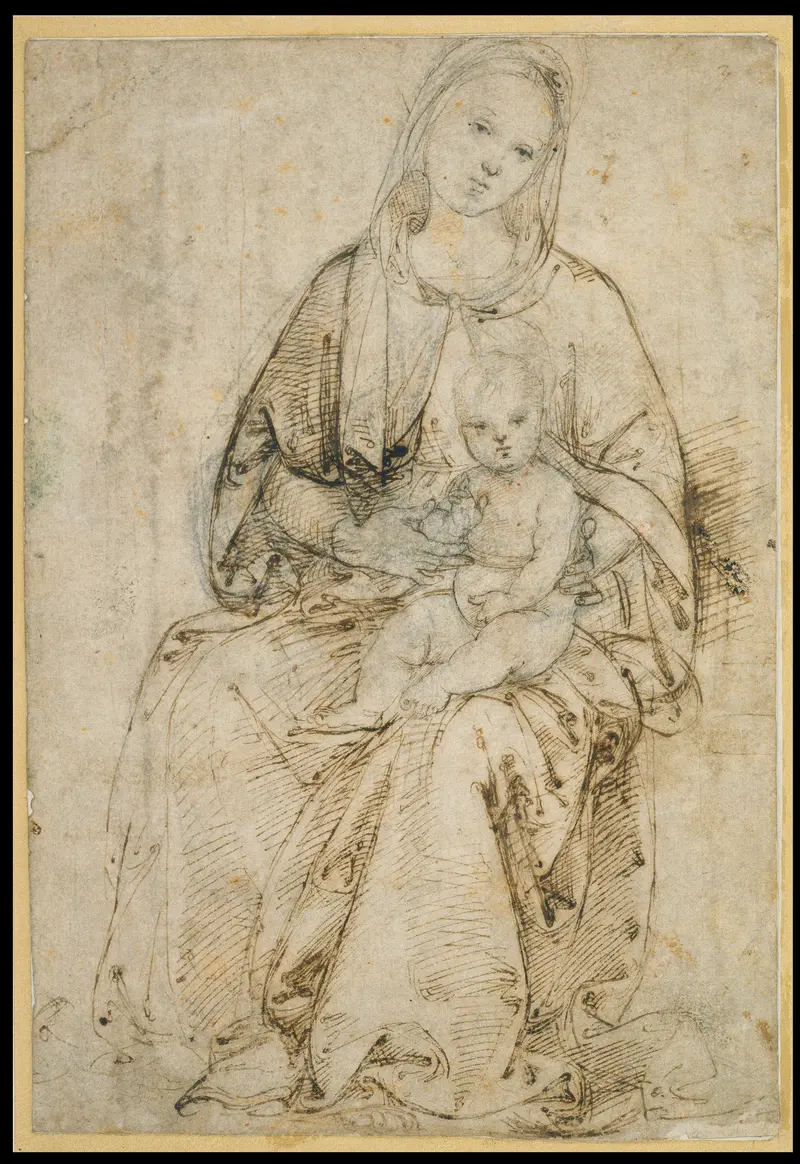
Seated Madonna and Child
Raphael
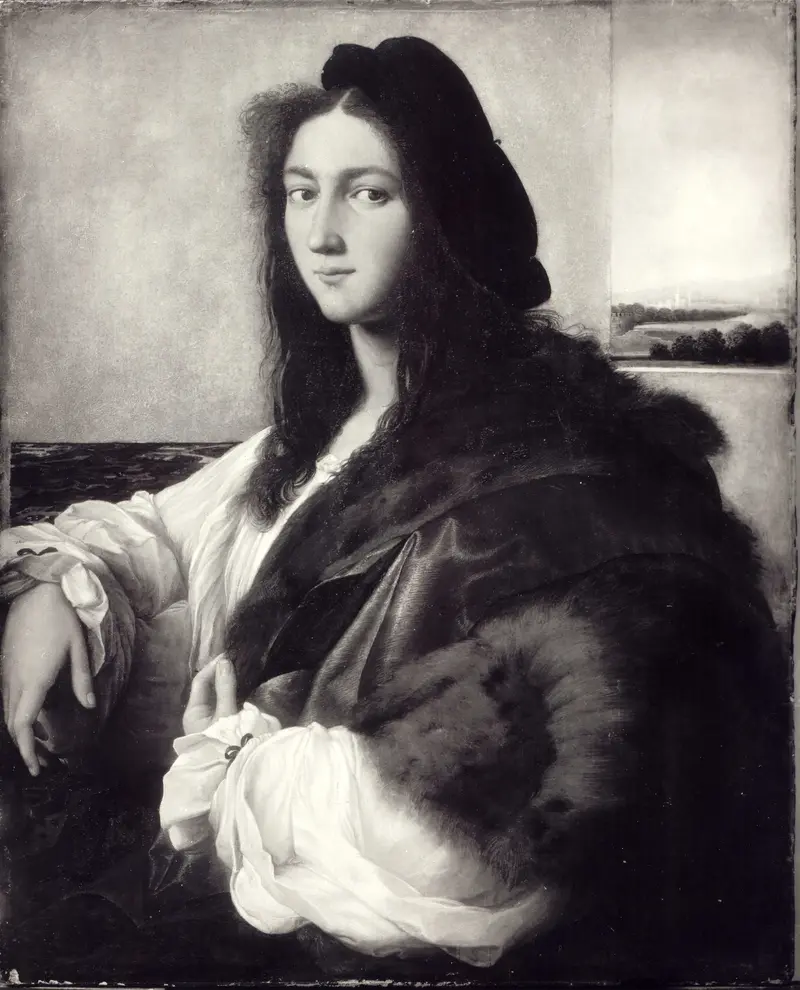
Portrait of a Young Man
Raphael
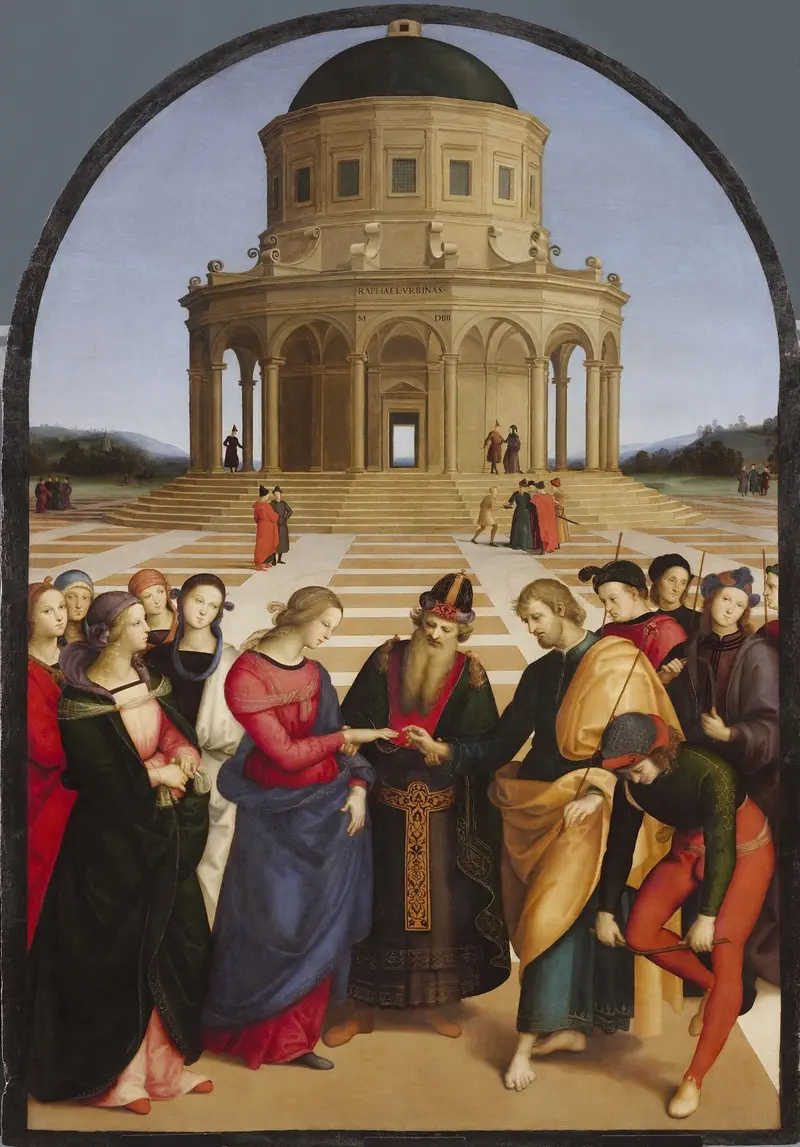
The Marriage of the Virgin
Raphael
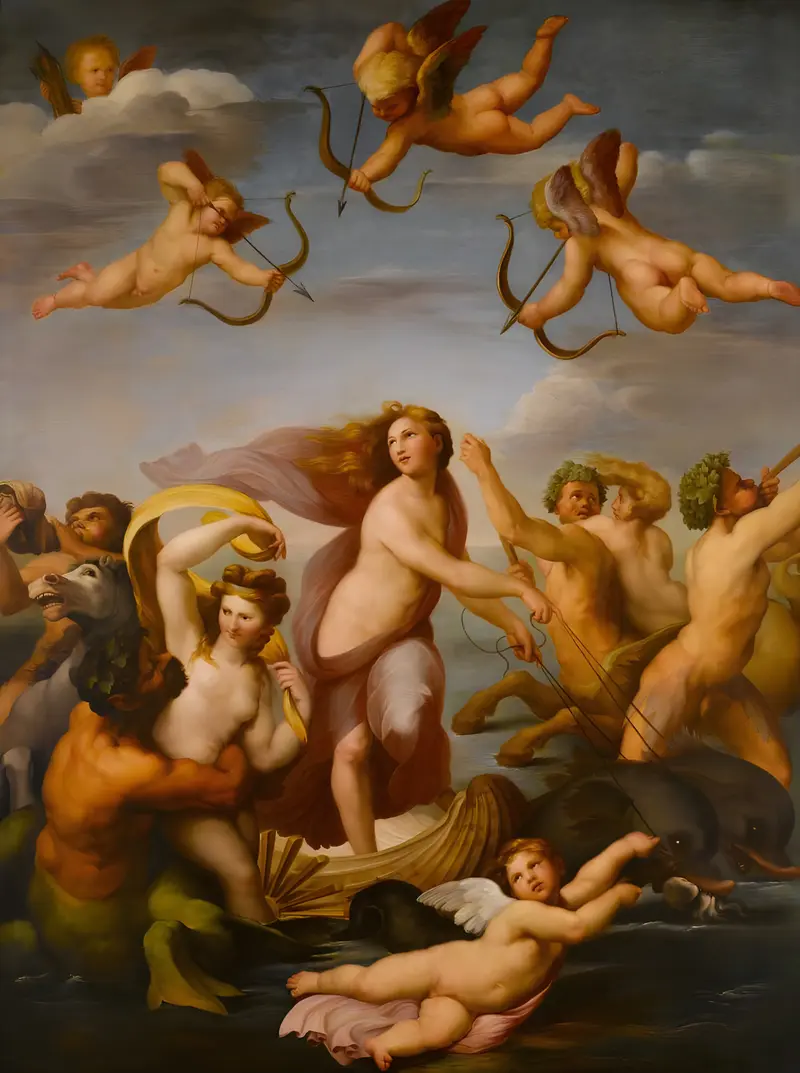
The Triumph of Galatea (copy after Raphael)
Raphael
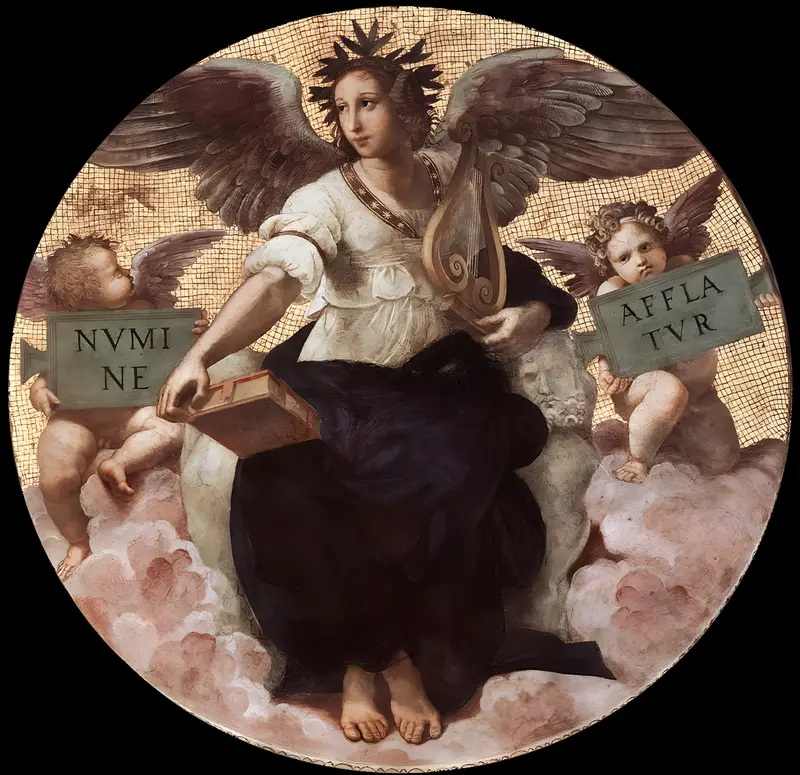
Poetry
Raphael
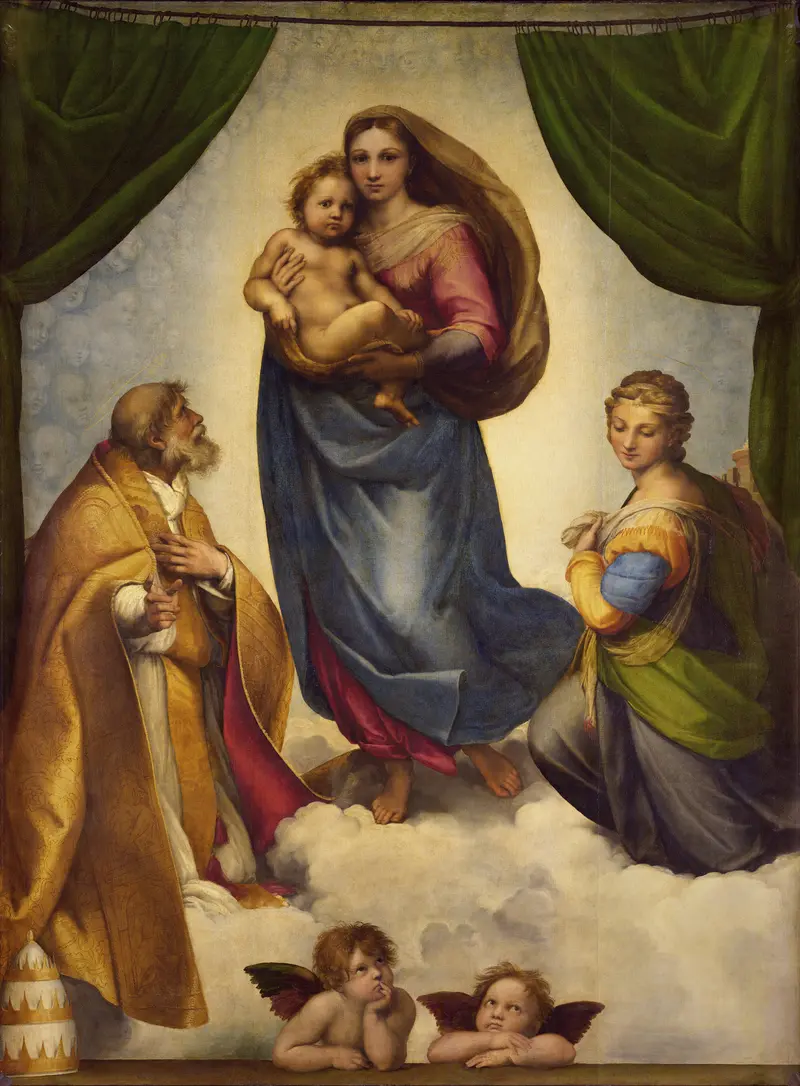
Sistine Madonna
Raphael
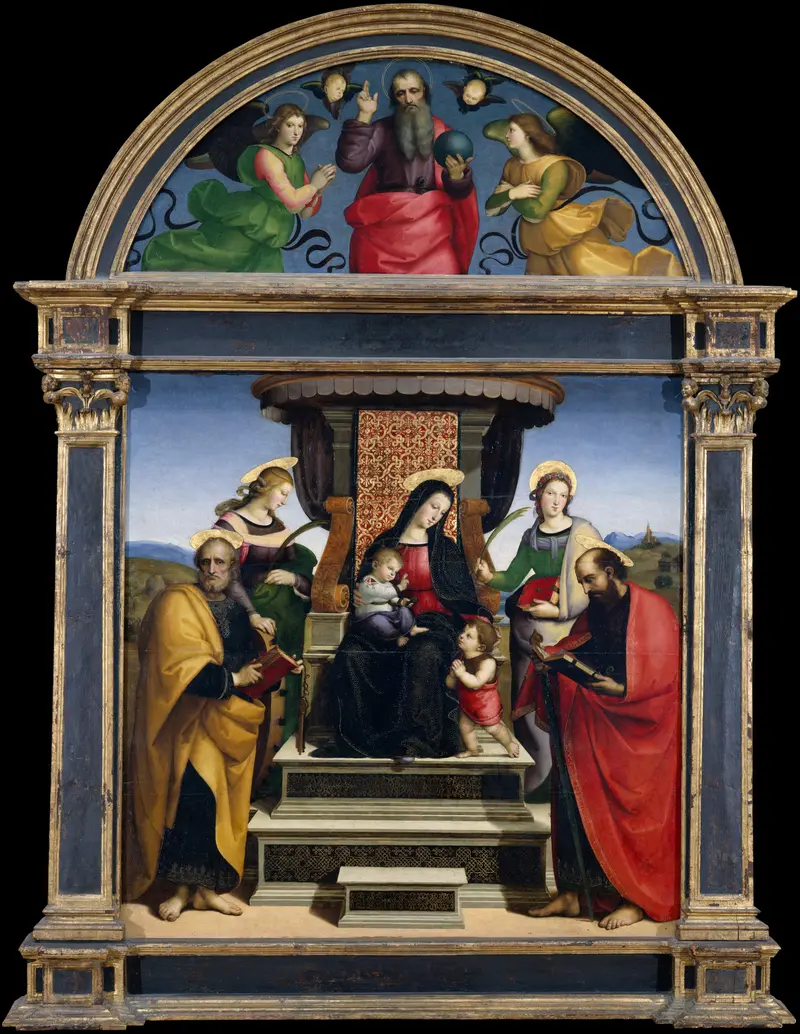
Madonna and Child Enthroned with Saints
Raphael




