Studies of Hands — History & Facts
No single drawing exercise was more prized among Dutch artists of the early Baroque than the study of hands, and few artists approached this challenge with the inventiveness of Abraham Bloemaert. His Studies of Hands survives as a testament to the rigorous training and restless curiosity that defined his long career as both painter and teacher. What makes this sheet remarkable is not only the variety of poses, but also the sense that each hand is drawn from life, animated by a different gesture—suggesting a living model or perhaps even the artist’s own hand reflected in a mirror.
The work has long fascinated art historians for its blend of academic discipline and personal observation. The sheet presents a scattered array of hands: some clenched, some open, others delicately poised as if about to grasp a quill or a brush. Each hand is rendered with careful attention to anatomy, the tendons and knuckles subtly shaded to suggest both strength and sensitivity. In the absence of a narrative scene, the story here is the act of looking and learning itself—Bloemaert’s eye dissecting the complexities of the human hand, a subject as challenging as any biblical or mythological drama.
Unlike the idealized studies of Leonardo da Vinci, Bloemaert’s hands feel grounded in the everyday, their gestures practical and familiar, reflecting the Dutch preference for realism over ideal beauty. The precise date and medium of Studies of Hands remain uncertain, as is often the case with artists’ working drawings from this period. Such sheets were rarely intended for sale or public display; instead, they circulated in the artist’s workshop, serving as teaching aids for pupils or as reference material for future paintings. Bloemaert, a central figure in the Utrecht school, trained a generation of Dutch painters, and sheets like this one would have shaped the visual vocabulary of his students.
Today, Studies of Hands is preserved in a museum collection, valued as much for its insight into artistic process as for its quiet beauty.
More Artworks by Abraham Bloemaert

Adam and Eve
Abraham Bloemaert
Intercession of Christ and Mary before God the Father
Abraham Bloemaert
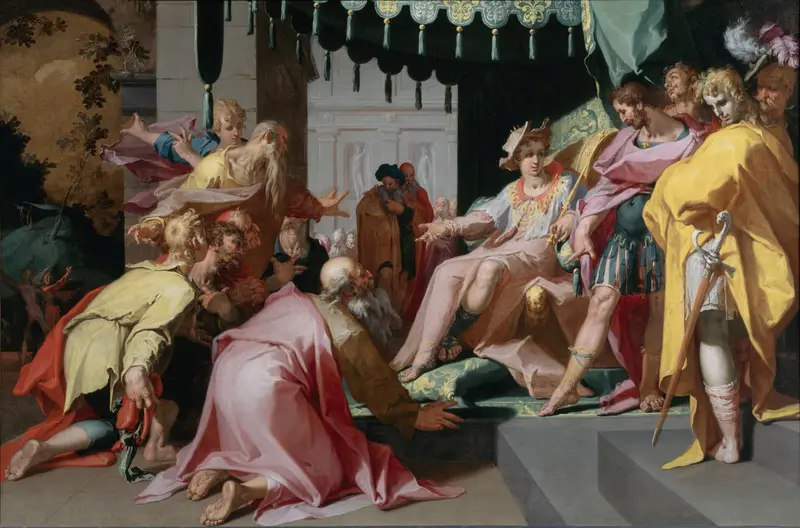
Joseph and his Brothers
Abraham Bloemaert
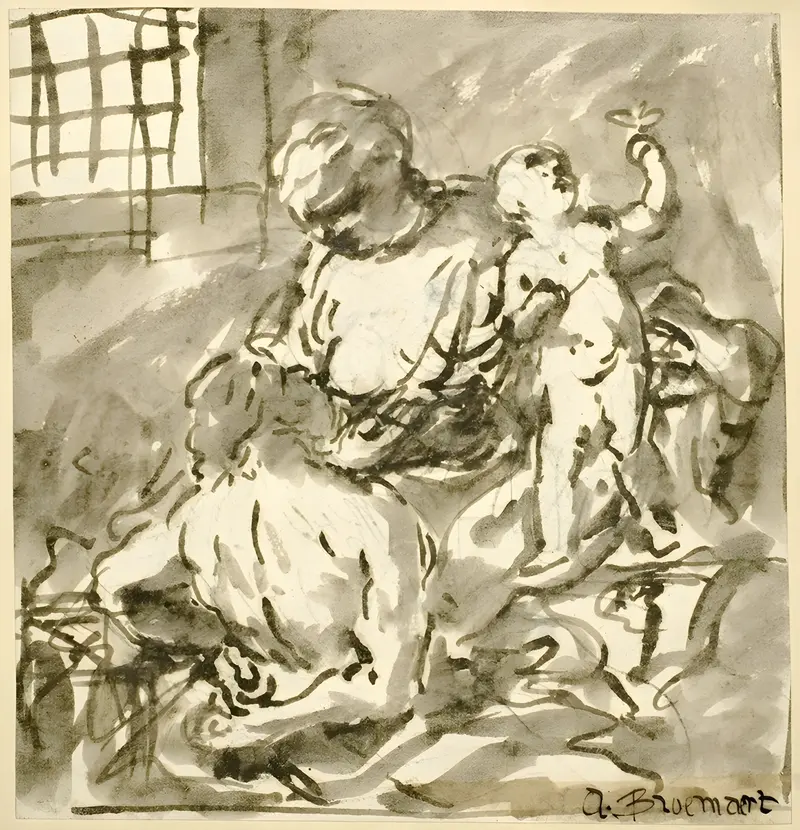
Caritas Romana
Abraham Bloemaert
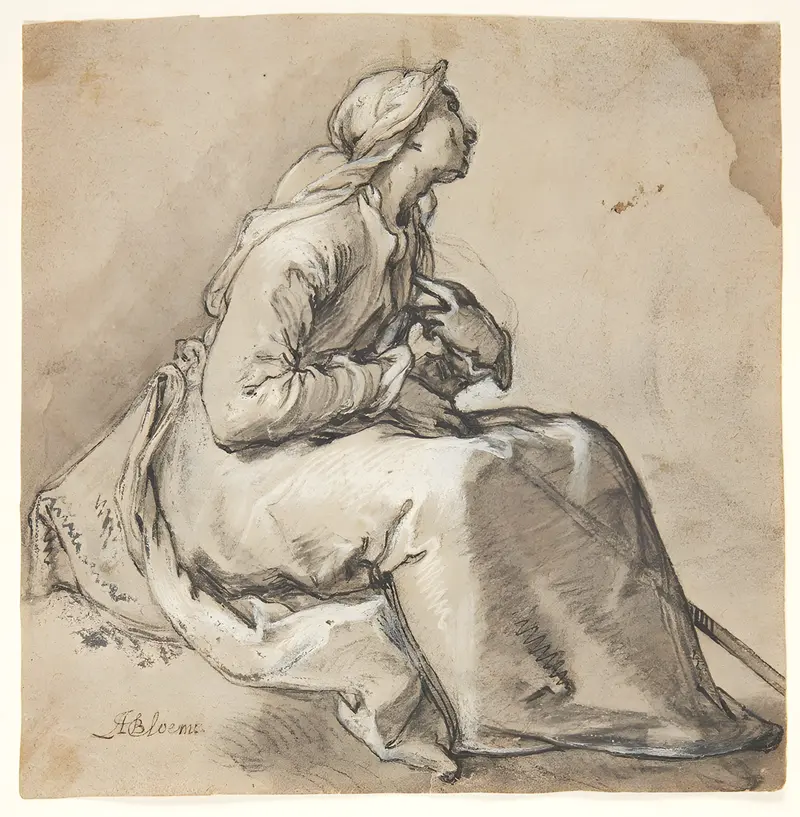
A seated woman facing right
Abraham Bloemaert
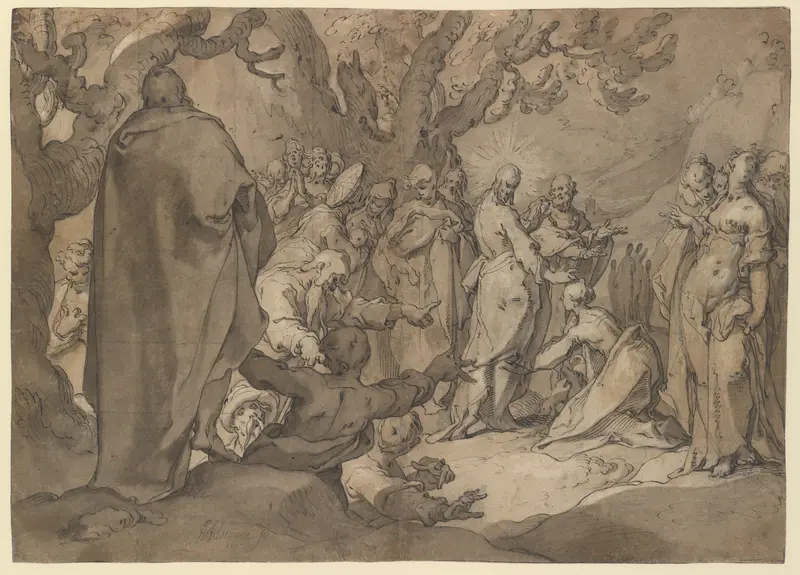
Christ and the Canaanite Women
Abraham Bloemaert
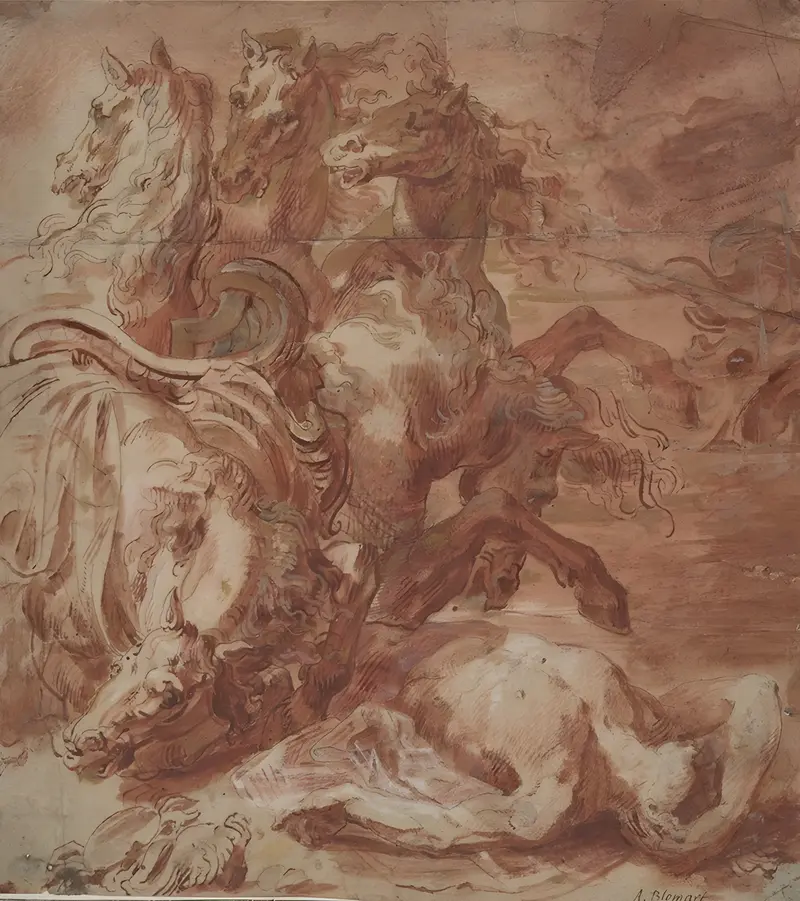
Hippolytus
Abraham Bloemaert
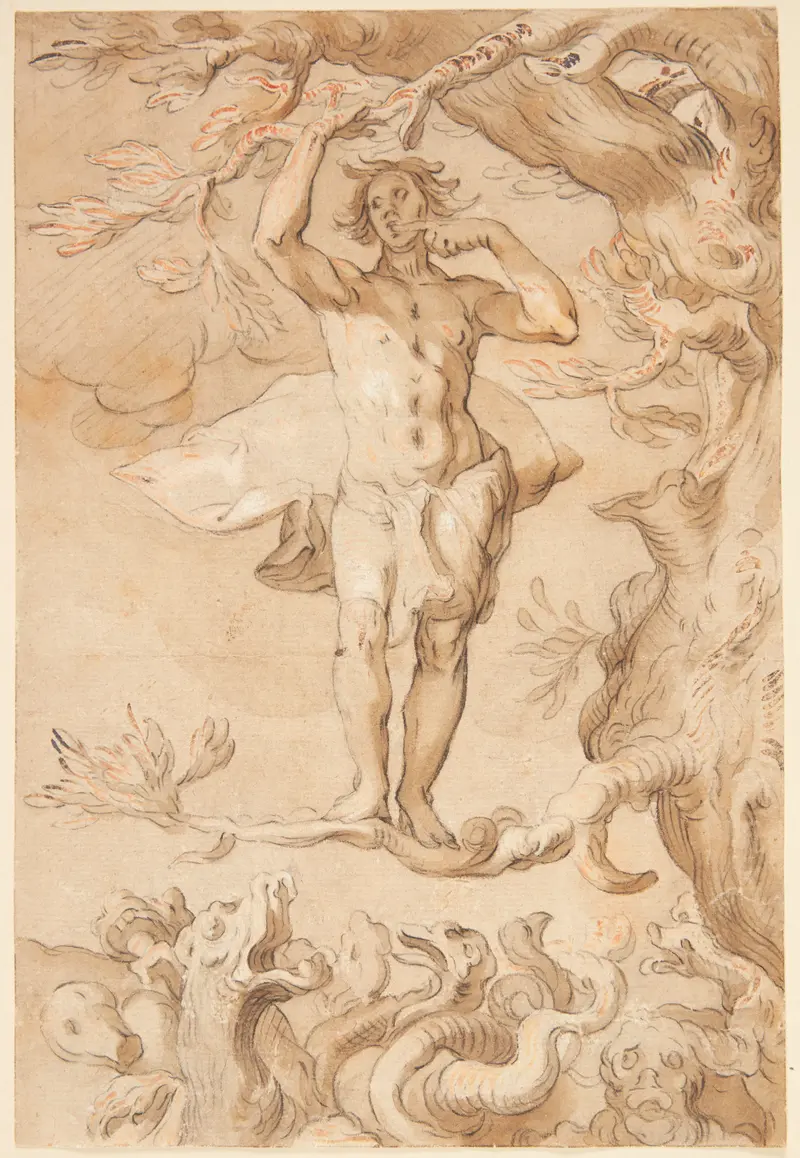
Den menneskelige glædes skrøbelighed En mand, der jages af en drage, klynger sig til en gren, mens han slikker honning af sin finger
Abraham Bloemaert

Moses Striking the Rock
Abraham Bloemaert
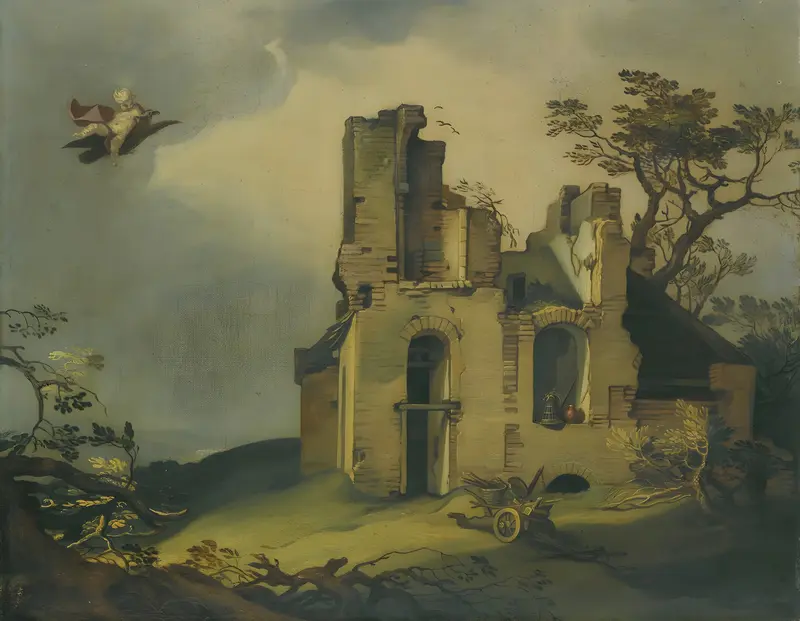
A Landscape With Ruins, With The Rape Of Ganymede
Abraham Bloemaert