
Caritas Romana — History & Facts
Few stories from antiquity have so persistently fascinated artists as the tale of Roman Charity, and Caritas Romana by Abraham Bloemaert is among the most striking interpretations. The subject, drawn from Valerius Maximus’s Factorum ac dictorum memorabilium libri IX (early 1st century AD), was considered both shocking and virtuous in early modern Europe. Bloemaert, a leading figure of the Dutch Mannerist movement, returned to this theme multiple times, and his versions are often discussed alongside those of Peter Paul Rubens and Dirck van Baburen.
The enduring power of this image lies in its blend of taboo and self-sacrifice, which made it a favorite for collectors seeking both moral edification and a touch of the sensational. In the painting, we catch the moment when the young daughter Pero secretly nurses her starving father, Cimon, who is imprisoned and condemned to die by starvation. Bloemaert’s composition draws the viewer’s eye to the intimate gesture: Pero’s breast offered to her father’s lips, her gaze a mixture of tenderness and fear. The dim prison cell, rendered in muted tones, isolates the figures, heightening the drama of their act.
Chains glint at Cimon’s wrists, a stark reminder of his captivity, while Pero’s richly draped clothing contrasts with his emaciated form. Unlike Baburen’s more confrontational version, Bloemaert’s scene is quieter, emphasizing the emotional bond over the scandalous act. The precise date and circumstances of this Caritas Romana remain uncertain, as do details of its original commission. However, the work typifies Bloemaert’s mature period, when he was celebrated for his ability to fuse Italianate drama with the refined technique of the Utrecht school.
Paintings of this subject were highly prized in Northern Europe, where collectors admired both their technical skill and their moral ambiguity. Today, Bloemaert’s Caritas Romana is recognized as a key example of Dutch interpretations of classical virtue, though its journey through collections and attributions is not fully mapped. Its enduring presence in museum collections attests to the lasting fascination with this unsettling, deeply human story.
More Artworks by Abraham Bloemaert

Adam and Eve
Abraham Bloemaert
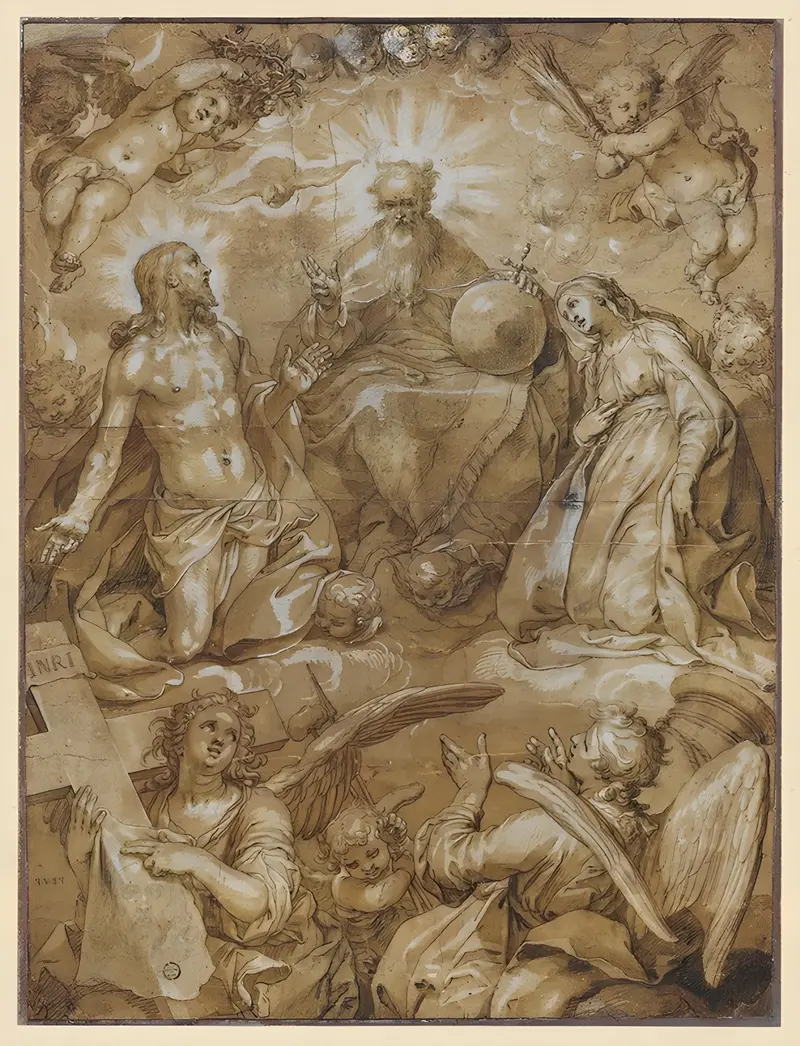
Intercession of Christ and Mary before God the Father
Abraham Bloemaert
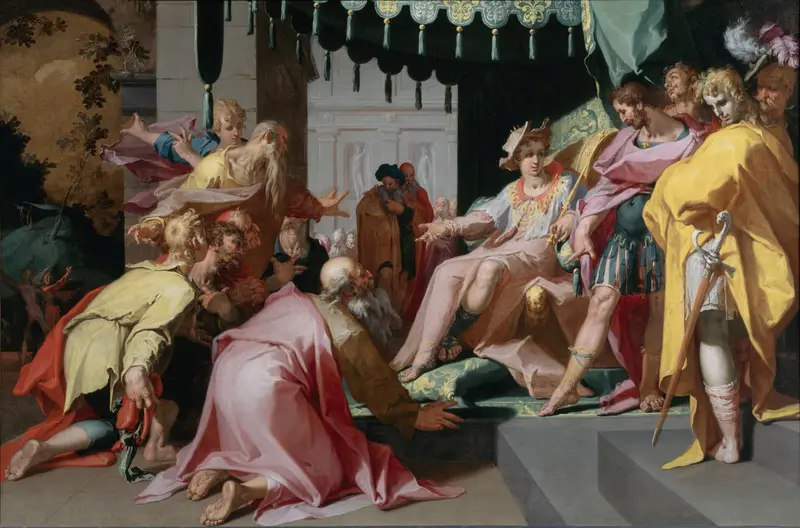
Joseph and his Brothers
Abraham Bloemaert
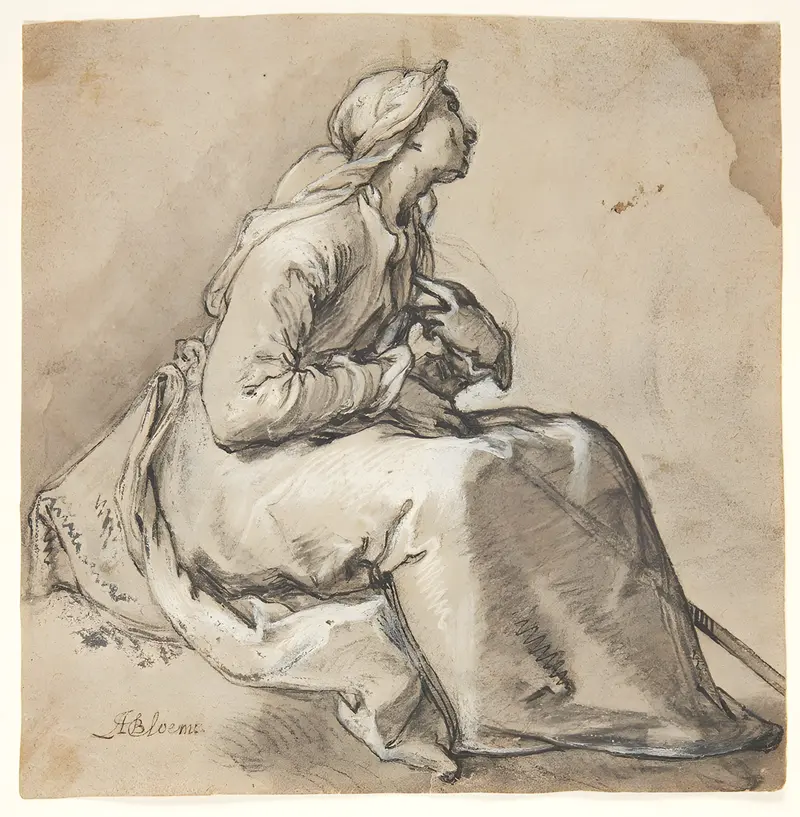
A seated woman facing right
Abraham Bloemaert
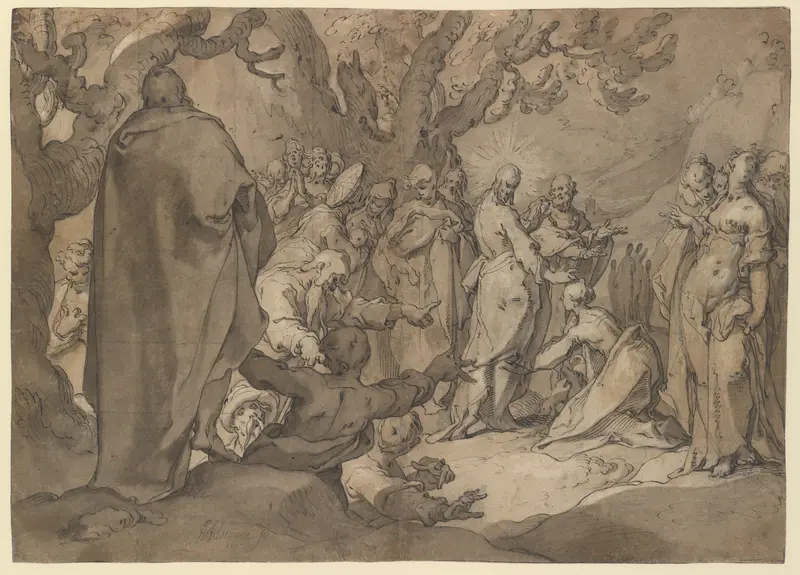
Christ and the Canaanite Women
Abraham Bloemaert
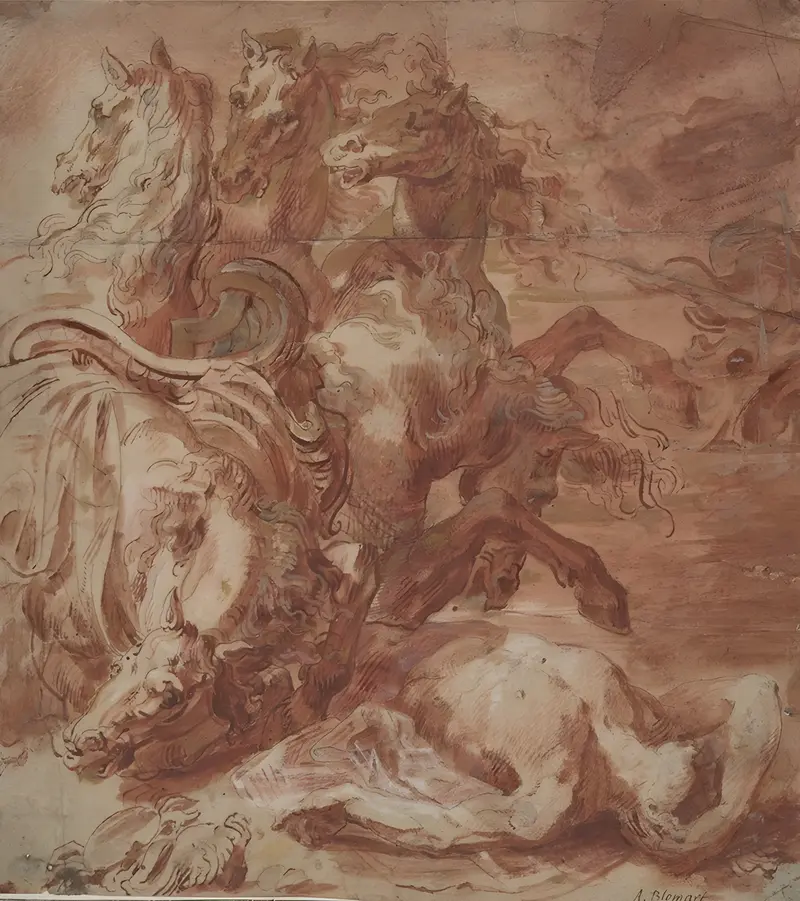
Hippolytus
Abraham Bloemaert
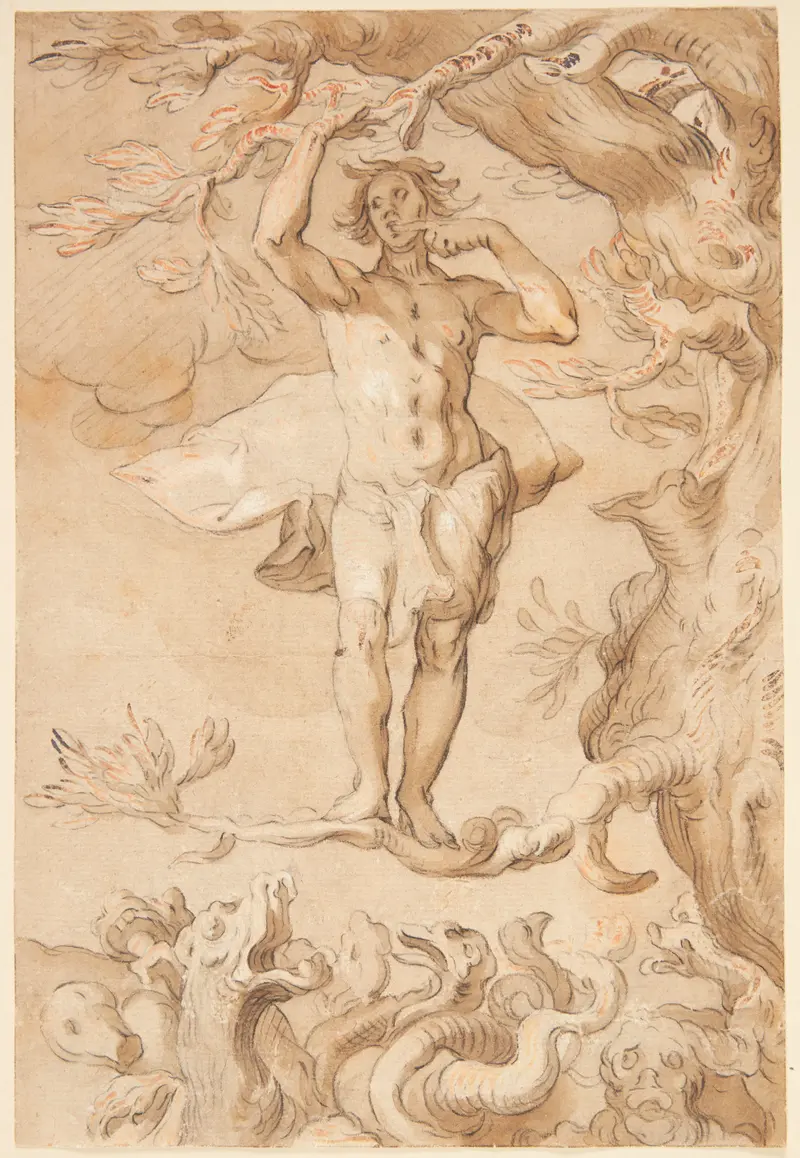
Den menneskelige glædes skrøbelighed En mand, der jages af en drage, klynger sig til en gren, mens han slikker honning af sin finger
Abraham Bloemaert

Moses Striking the Rock
Abraham Bloemaert
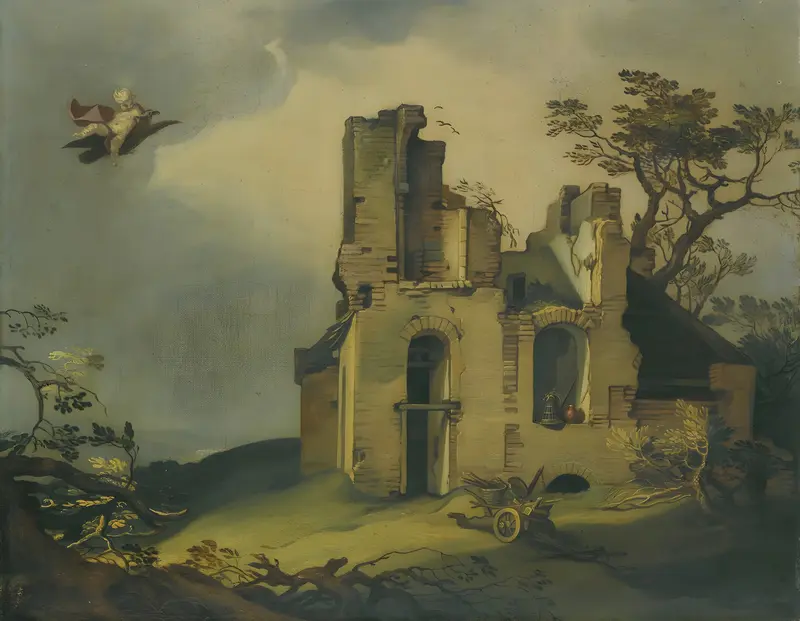
A Landscape With Ruins, With The Rape Of Ganymede
Abraham Bloemaert
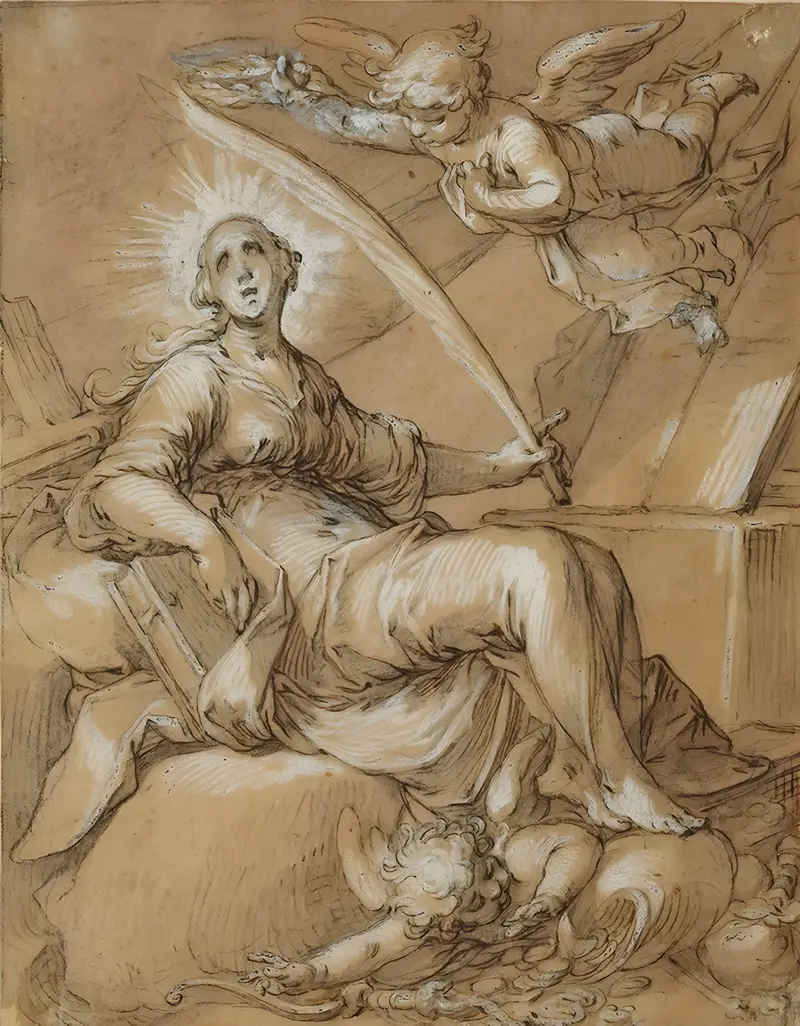
Sainte Catherine
Abraham Bloemaert
More Genre Scene Art

Banquet of the Officers of the St George Civic Guard
Frans Hals

Rembrandt and Saskia in the Scene of the Prodigal Son
Rembrandt van Rijn

Bal du moulin de la Galette
Pierre-Auguste Renoir

Quadrille at the Moulin Rouge
Henri de Toulouse-Lautrec

A Burial at Ornans
Gustave Courbet

When Will You Marry?
Paul Gauguin