
Moses Striking the Rock — History & Facts
Few biblical episodes have inspired as many artists as the moment Moses brought forth water from the rock, but Abraham Bloemaert’s Moses Striking the Rock stands out for its dynamic composition and emotional intensity. The story, recounted in the Book of Exodus, was a favorite subject in the Dutch Republic, where themes of deliverance and providence resonated with a nation forging its own identity in the early seventeenth century. While the exact date and commissioner of this work remain unknown, Bloemaert’s painting is often noted for the way it bridges the transition from late Mannerism to the early Baroque style in the Northern Netherlands.
The painting’s energetic crowd and dramatic gestures have led some to compare it to the work of Peter Paul Rubens, who also depicted this miracle. At the heart of the picture, Moses, clad in flowing robes and with a commanding gesture, strikes the rock with his staff just as water bursts forth, cascading down to the thirsty Israelites below. The figures surge forward, desperate for relief, their faces turned in hope and awe; some kneel to drink, while others help the elderly or lift children toward the stream. Bloemaert uses sharp contrasts of light and shadow to draw the viewer’s gaze to the miraculous water, emphasizing both the physical and spiritual thirst being quenched.
The staff in Moses’s hand is not just a tool but a symbol of divine authority, while the rocky landscape and crowded composition heighten the sense of urgency and deliverance. Compared to Nicolas Poussin’s later, more classical approach to the same subject, Bloemaert’s version is more tumultuous, capturing the chaos and gratitude of the moment. The journey of Moses Striking the Rock as a physical object is less well documented than its biblical source, a common fate for many works by Abraham Bloemaert, who produced numerous religious scenes for both public and private patrons. Bloemaert spent most of his career in Utrecht, where he was a leading figure in the city’s artistic life and a teacher to many later masters.
While the painting’s provenance is unclear, its style and subject suggest it was intended for a church or a wealthy collector attuned to the religious debates of the Dutch Golden Age. Today, the work is valued not only as a testament to Bloemaert’s skill but also as a window into the shifting tastes and spiritual concerns of his era. Its survival and continued display allow viewers to witness a moment of crisis and hope, rendered with all the drama of a world in transition.
More Artworks by Abraham Bloemaert

Adam and Eve
Abraham Bloemaert
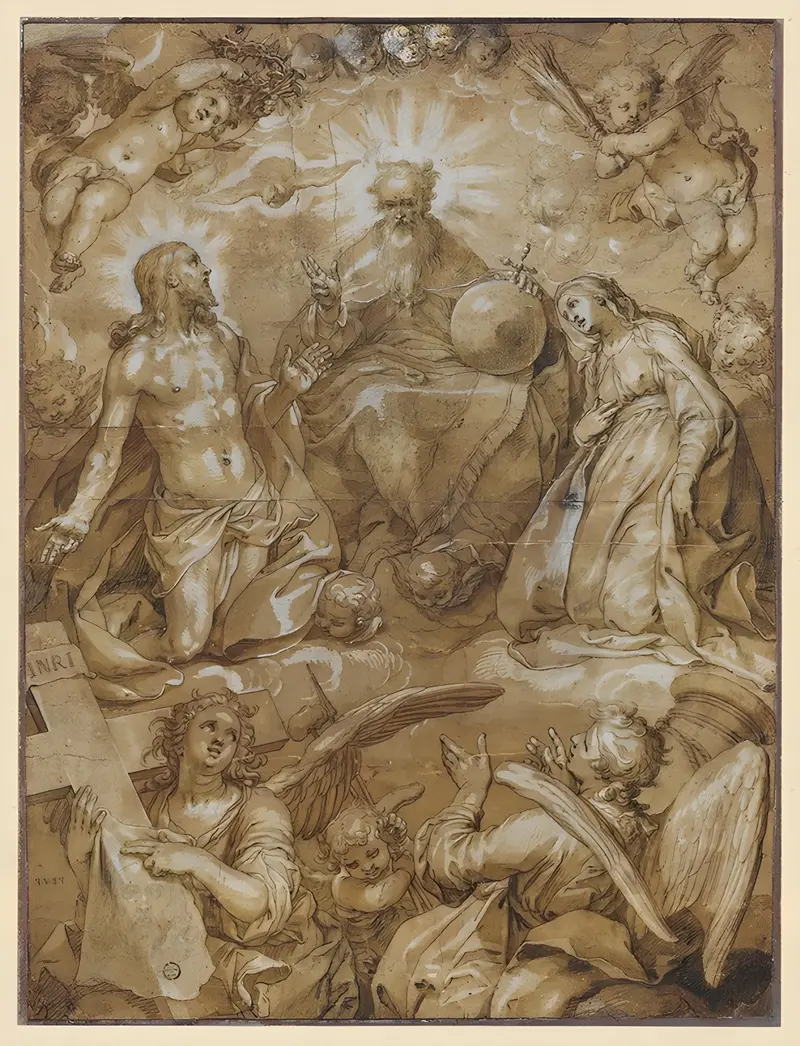
Intercession of Christ and Mary before God the Father
Abraham Bloemaert
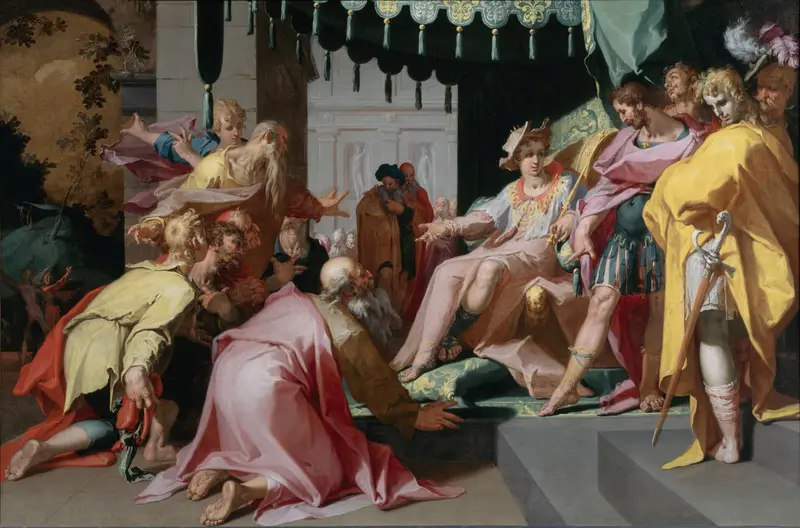
Joseph and his Brothers
Abraham Bloemaert
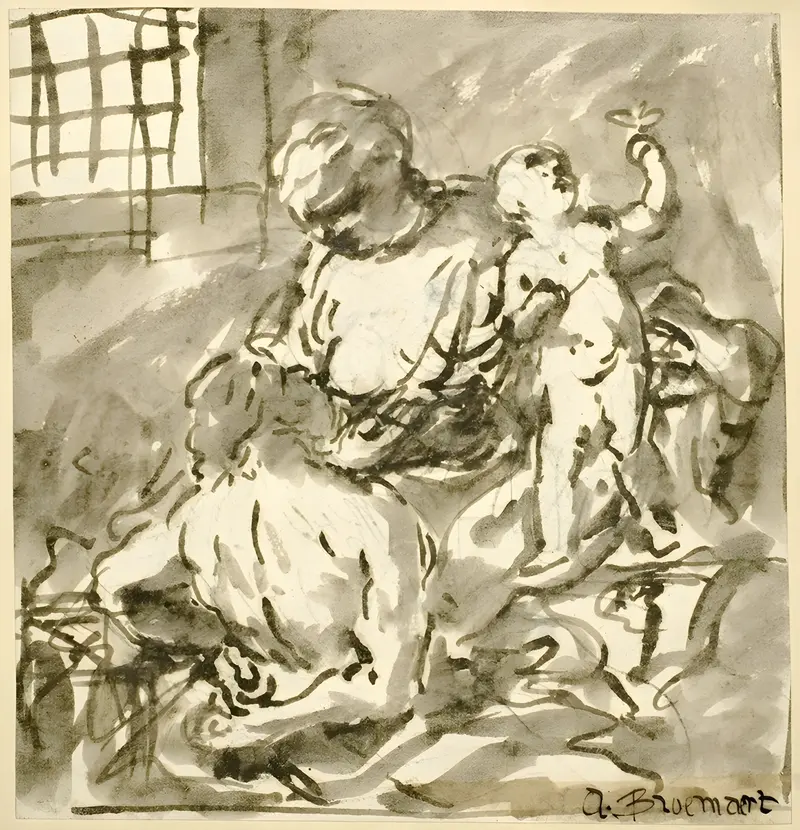
Caritas Romana
Abraham Bloemaert
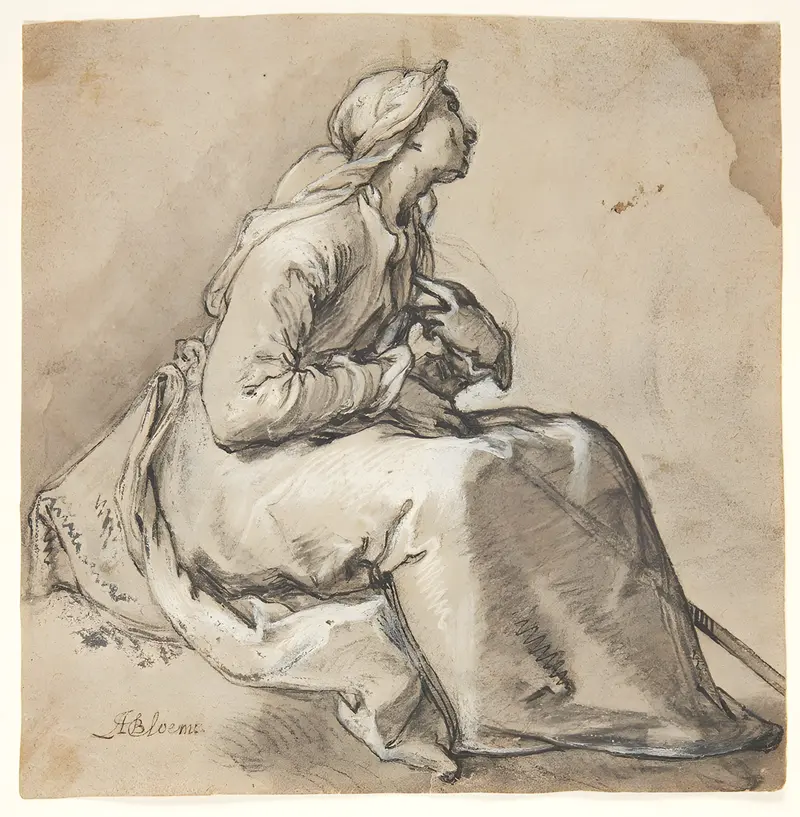
A seated woman facing right
Abraham Bloemaert
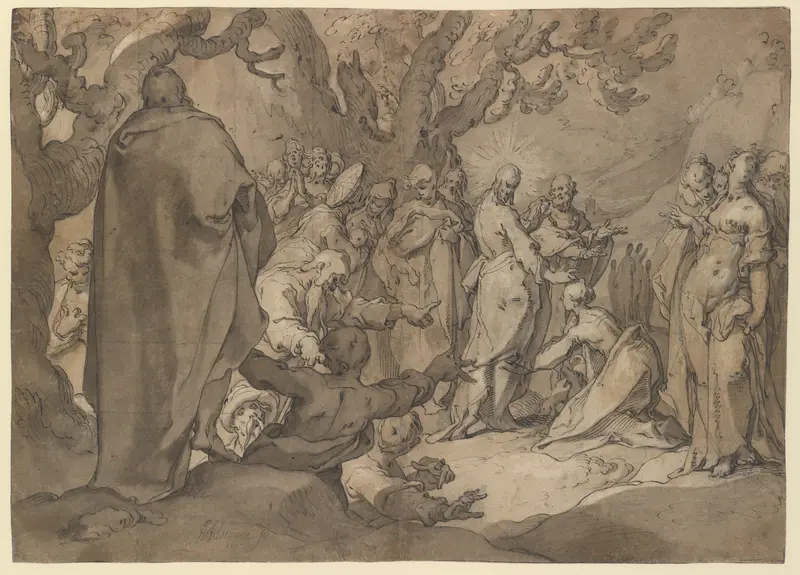
Christ and the Canaanite Women
Abraham Bloemaert
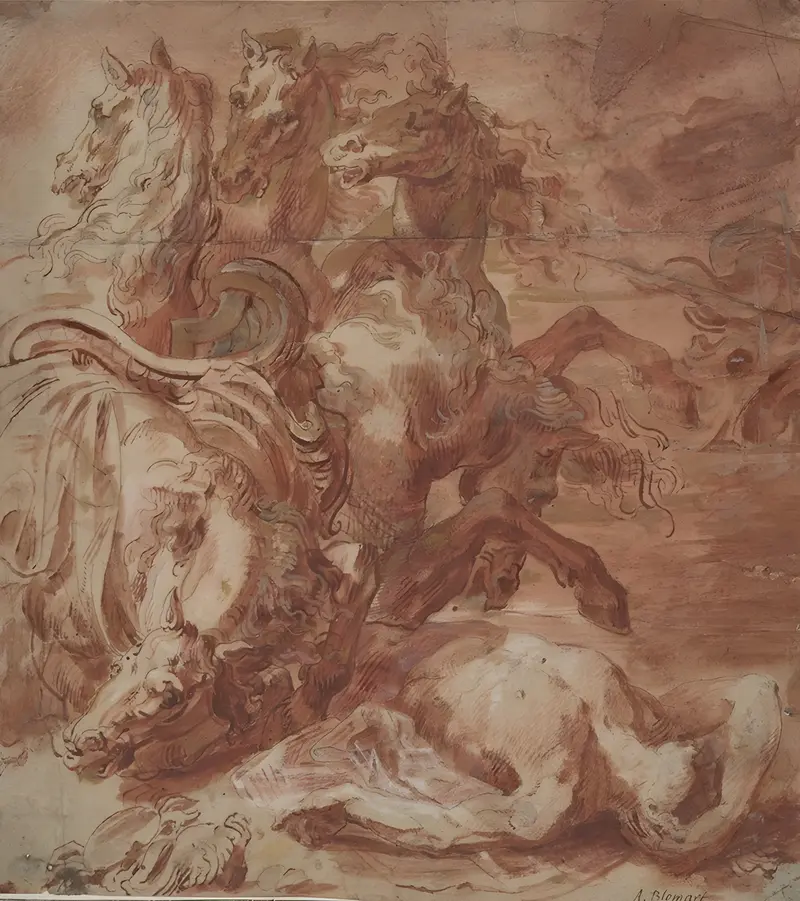
Hippolytus
Abraham Bloemaert
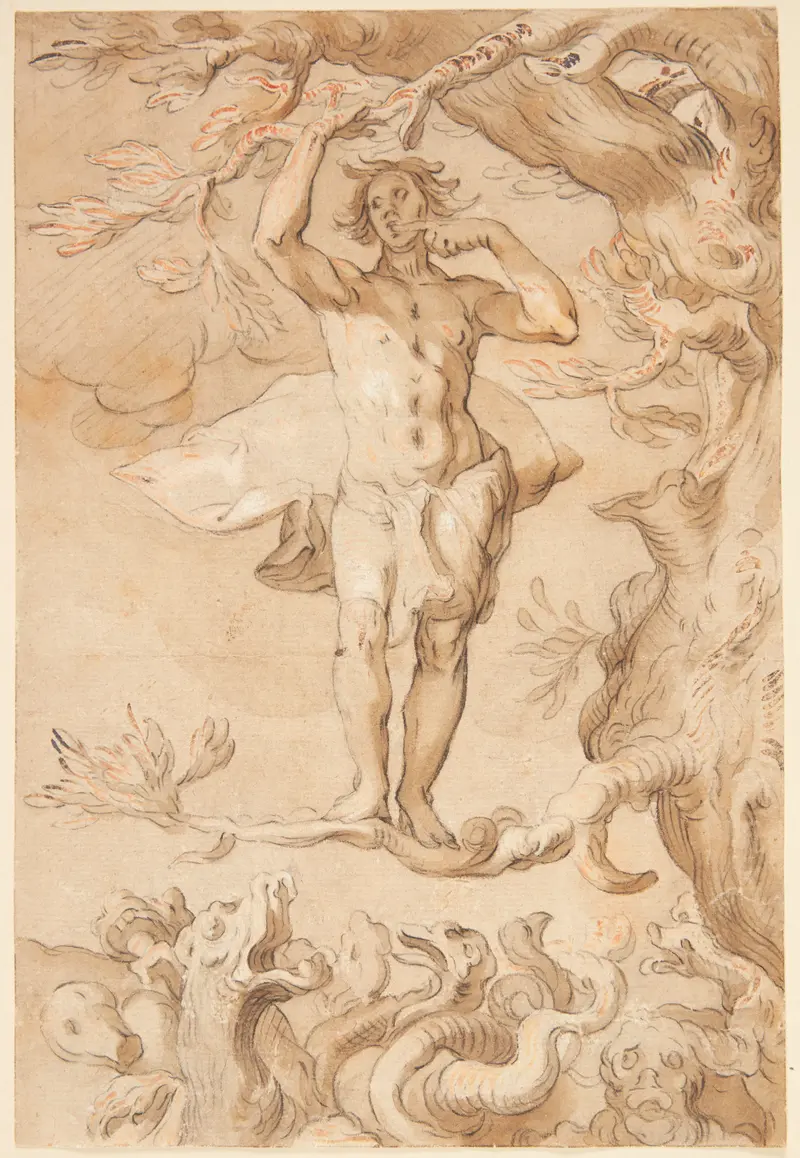
Den menneskelige glædes skrøbelighed En mand, der jages af en drage, klynger sig til en gren, mens han slikker honning af sin finger
Abraham Bloemaert
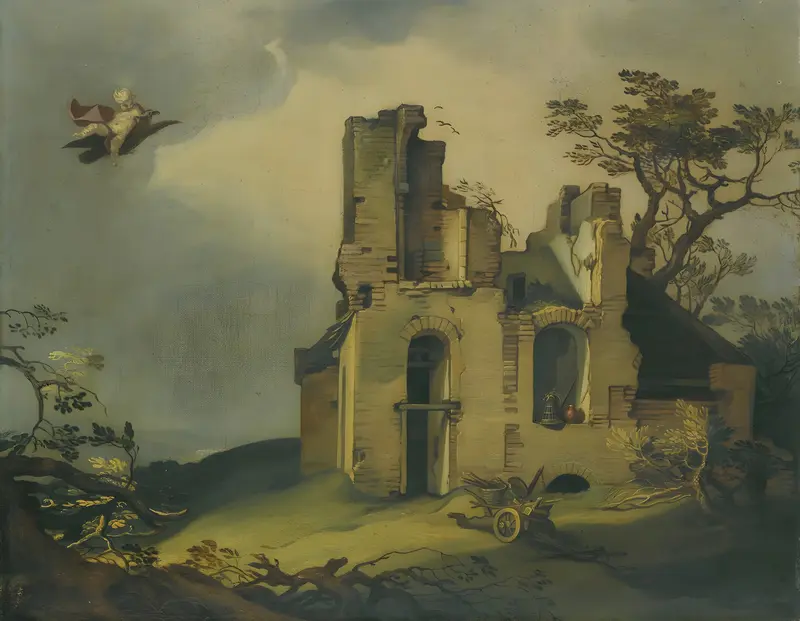
A Landscape With Ruins, With The Rape Of Ganymede
Abraham Bloemaert
Sainte Catherine
Abraham Bloemaert





