
Hippolytus — History & Facts
Few stories from antiquity have inspired as many painters as the tragic fate of Hippolytus, and Abraham Bloemaert’s Hippolytus stands out for its rare focus on the moment of catastrophe rather than its aftermath. Unlike most Dutch artists of his era, Bloemaert frequently turned to classical mythology, weaving its drama into the visual language of the Dutch Golden Age. The precise date and circumstances of this painting remain uncertain, but its survival is a testament to the enduring appeal of mythological subjects in Northern Europe, even as religious and genre scenes dominated the market. Here, we witness the very instant Hippolytus is thrown from his chariot, his horses wild with terror, as Poseidon’s sea monster erupts from the waves—an episode drawn from Euripides’ ancient play.
The young prince’s arms flail, his body twisted in a desperate attempt to regain control, while the chariot wheels splinter against jagged rocks. Bloemaert’s use of dramatic diagonals and swirling drapery intensifies the chaos, echoing the emotional turbulence of Phaedra’s false accusation and Theseus’s fatal curse. The stormy sky and agitated sea are not mere backdrop but active participants in the unfolding tragedy, much as in Titian’s Death of Actaeon, where nature itself seems to conspire against the doomed hero. The painting’s early provenance is unclear, typical for many of Bloemaert’s mythological works, which were often produced for private collectors rather than public commissions.
Over the centuries, Hippolytus has been attributed to various hands, a confusion fueled by the artist’s prolific workshop and the popularity of the subject among his followers. Today, the work is recognized as a fine example of Bloemaert’s mature style—combining Italianate composition with Northern attention to detail—and is thought to reside in a private collection. It remains a vivid reminder of how Dutch artists engaged with the classical past, reimagining its stories for a new audience.
More Artworks by Abraham Bloemaert

Adam and Eve
Abraham Bloemaert
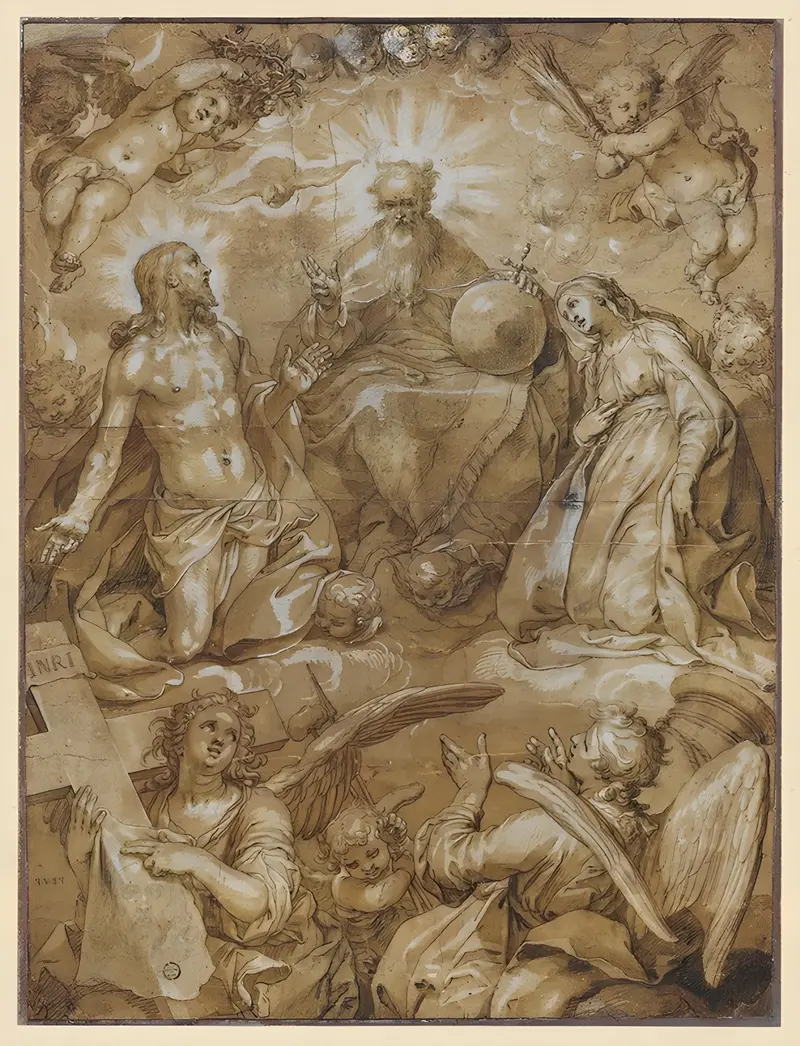
Intercession of Christ and Mary before God the Father
Abraham Bloemaert
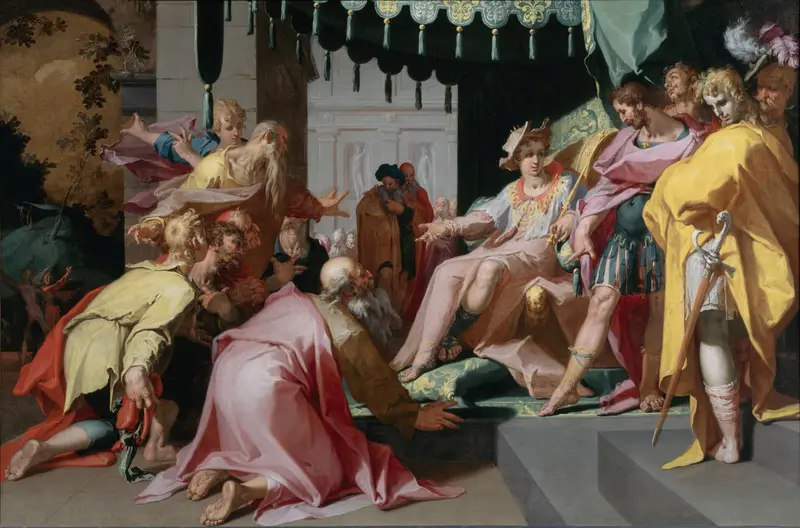
Joseph and his Brothers
Abraham Bloemaert
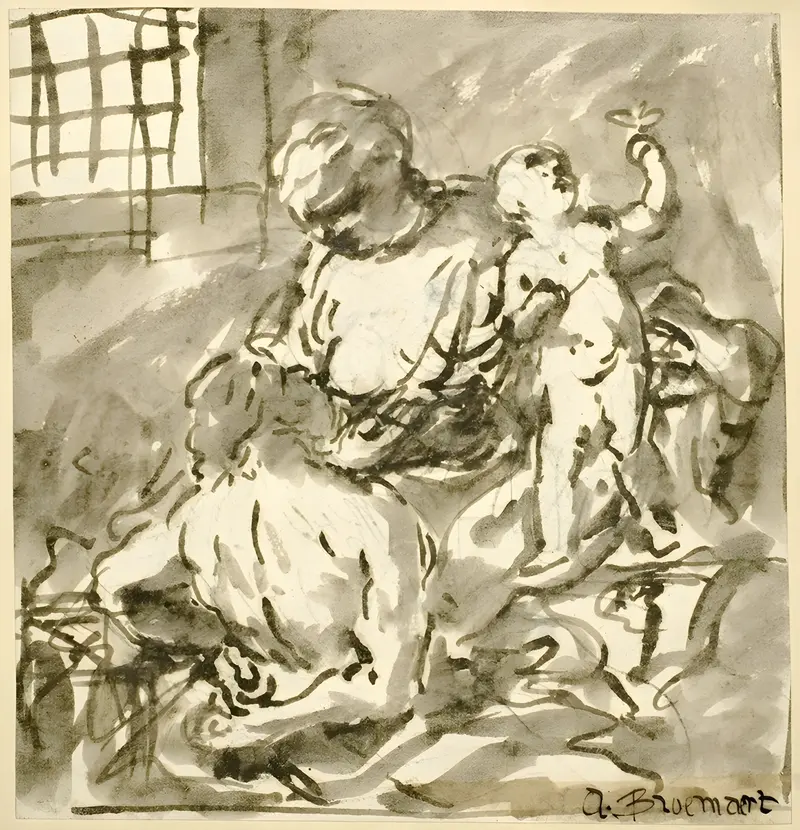
Caritas Romana
Abraham Bloemaert
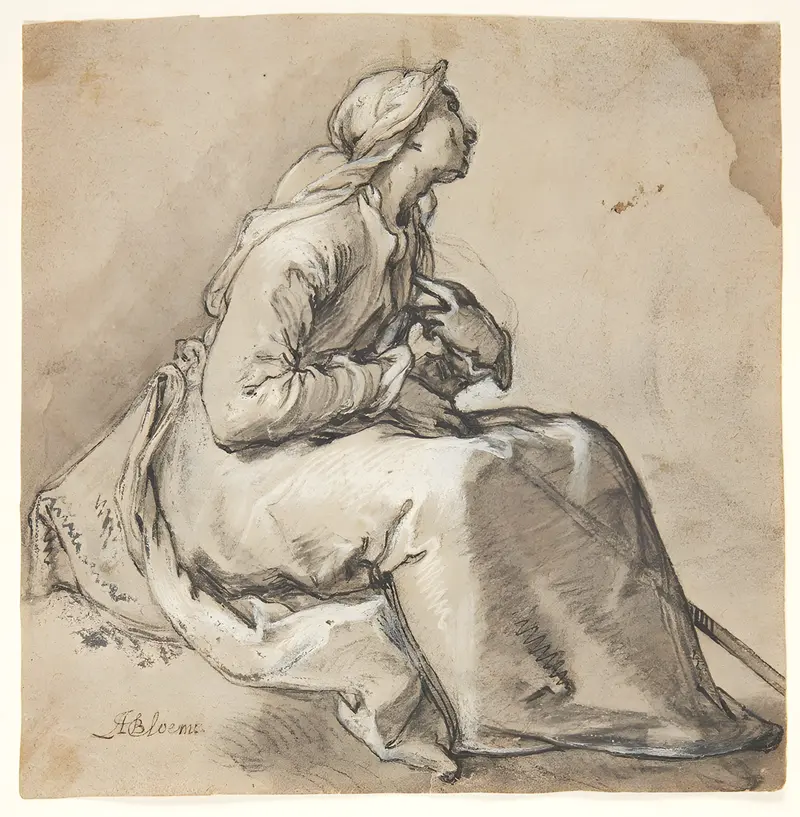
A seated woman facing right
Abraham Bloemaert
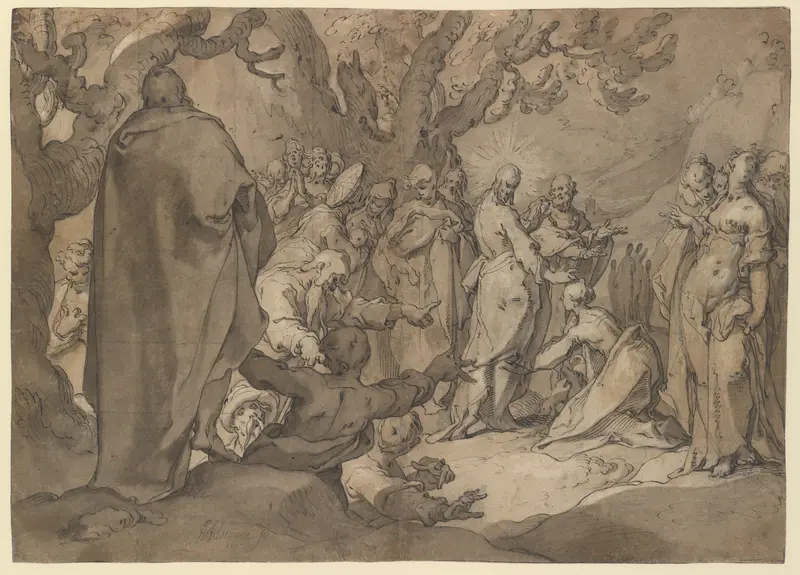
Christ and the Canaanite Women
Abraham Bloemaert
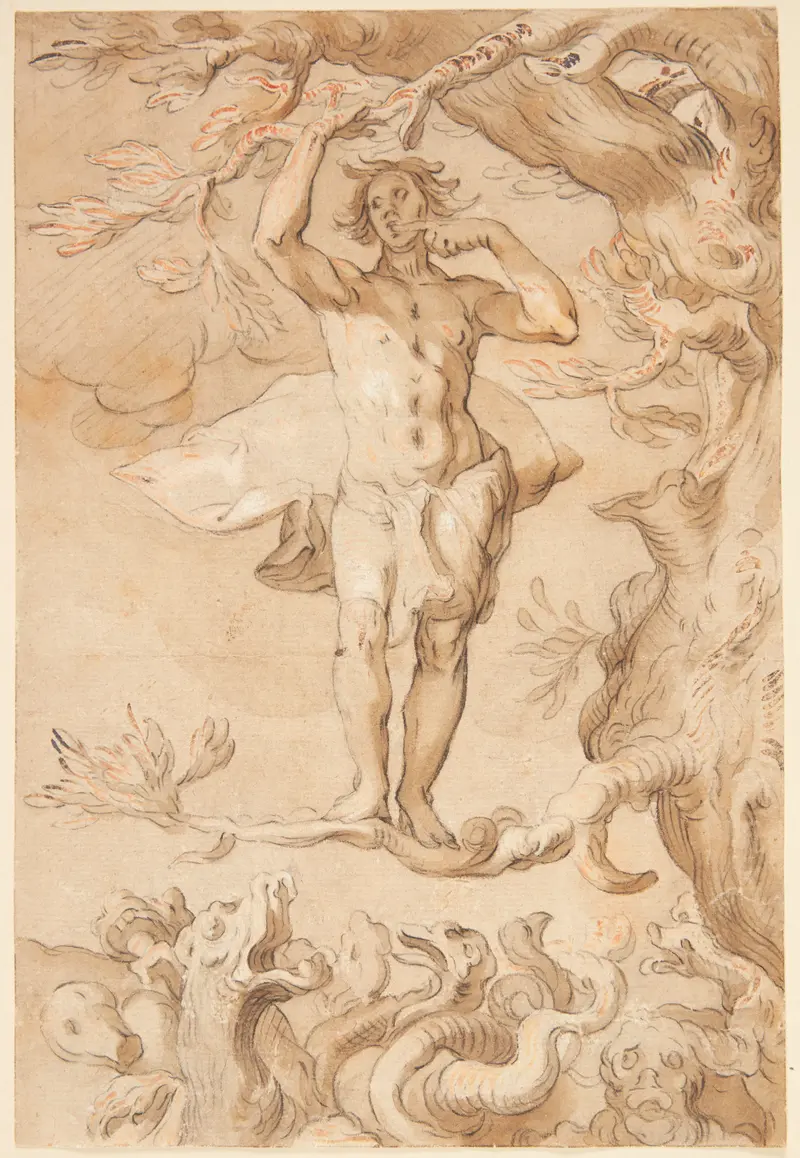
Den menneskelige glædes skrøbelighed En mand, der jages af en drage, klynger sig til en gren, mens han slikker honning af sin finger
Abraham Bloemaert

Moses Striking the Rock
Abraham Bloemaert
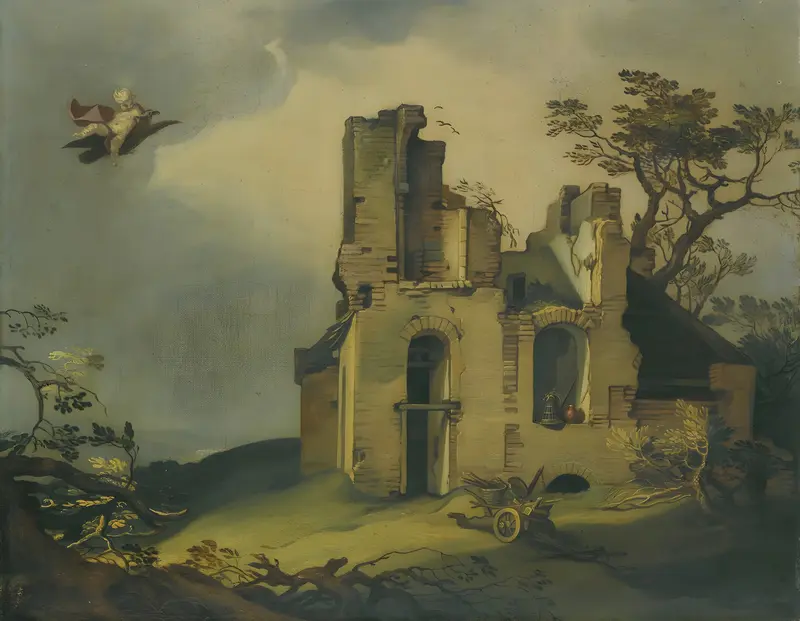
A Landscape With Ruins, With The Rape Of Ganymede
Abraham Bloemaert
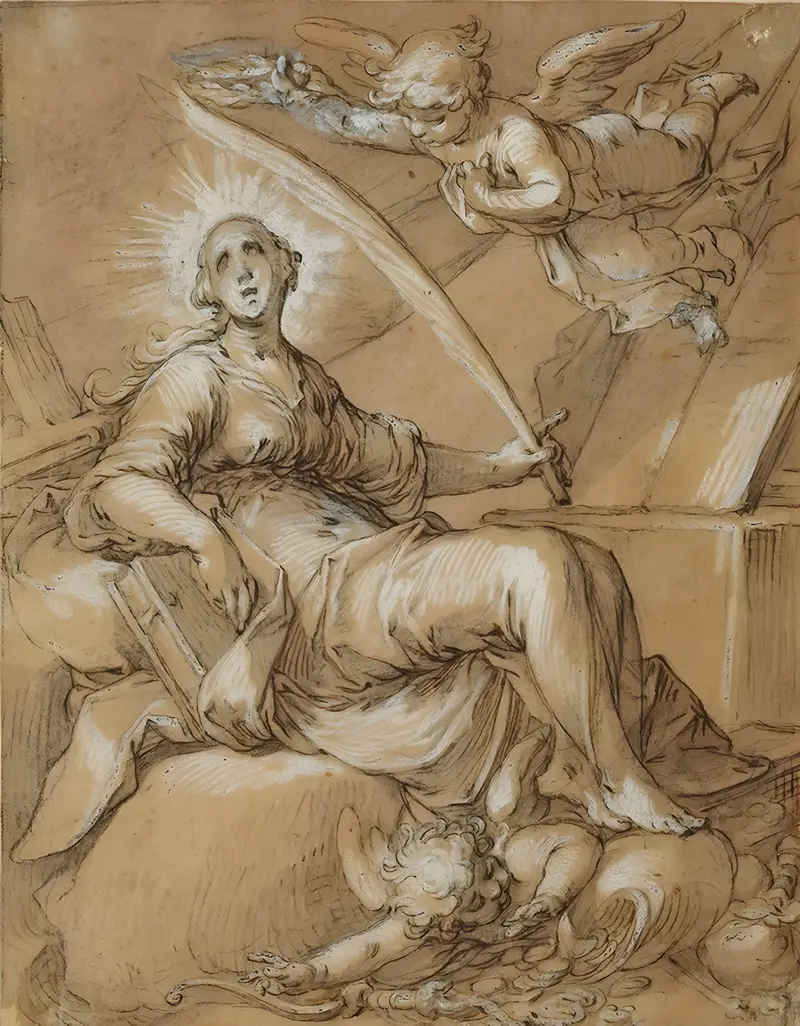
Sainte Catherine
Abraham Bloemaert





