
Adam and Eve — History & Facts
In Adam and Eve, Abraham Bloemaert presents a lush garden scene filled with vibrant colors. The figures of Adam and Eve are depicted in a moment of contemplation, surrounded by an abundance of flora. The use of rich greens and warm earth tones creates a sense of harmony in the composition.
The background features a serene landscape that enhances the biblical narrative. The painting is executed in oil on canvas, a common medium during the Dutch Golden Age. Bloemaert's technique showcases his skill in blending colors and creating depth through careful layering. The figures are rendered with attention to anatomical detail, reflecting the artist's training in the classical tradition.
Viewers can appreciate the intricate details in the foliage and the textures of the skin. Abraham Bloemaert was a prominent Dutch painter known for his biblical and mythological themes. This work, created in the early 1620s, reflects the influence of the Italian Renaissance on Dutch art. An interesting fact about this painting is that it was part of a larger trend in the 17th century, where artists sought to depict religious narratives with emotional depth and realism.
Bloemaert's Adam and Eve stands out for its lush representation of paradise.
Sources: Wikidata Q119889989
More Artworks by Abraham Bloemaert
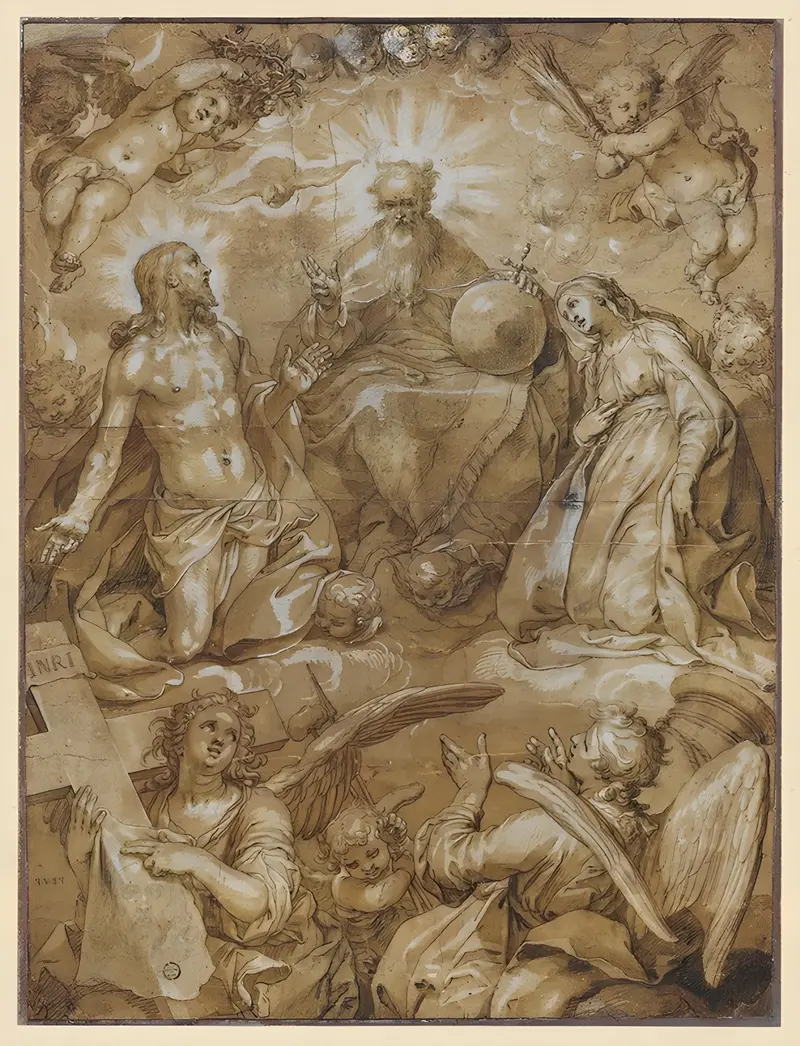
Intercession of Christ and Mary before God the Father
Abraham Bloemaert
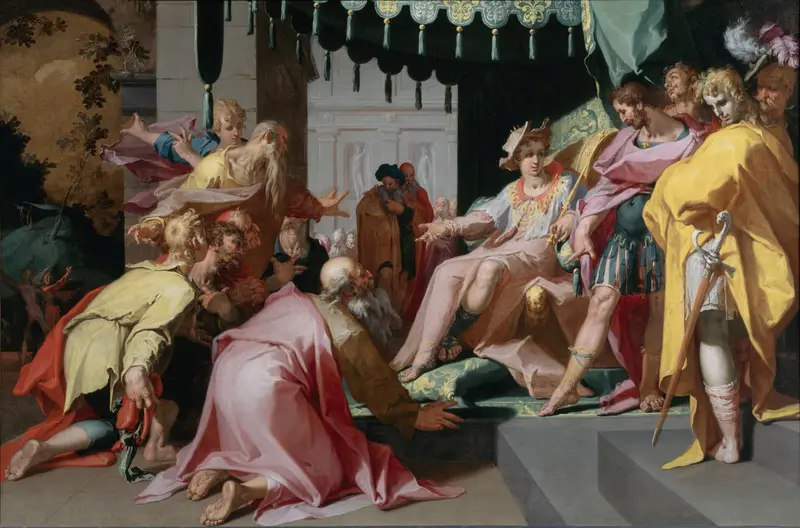
Joseph and his Brothers
Abraham Bloemaert
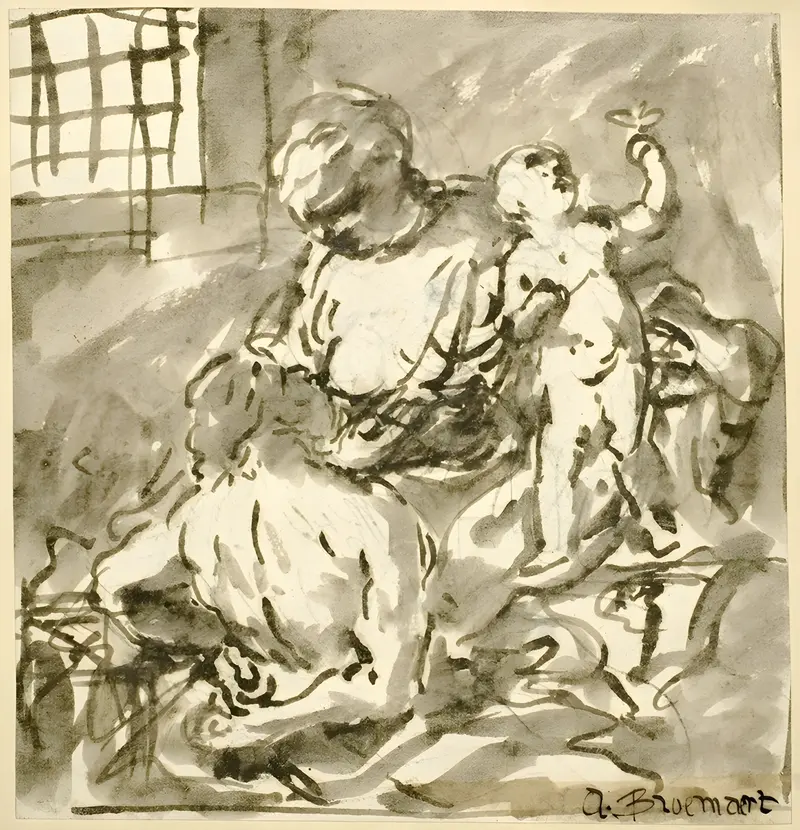
Caritas Romana
Abraham Bloemaert
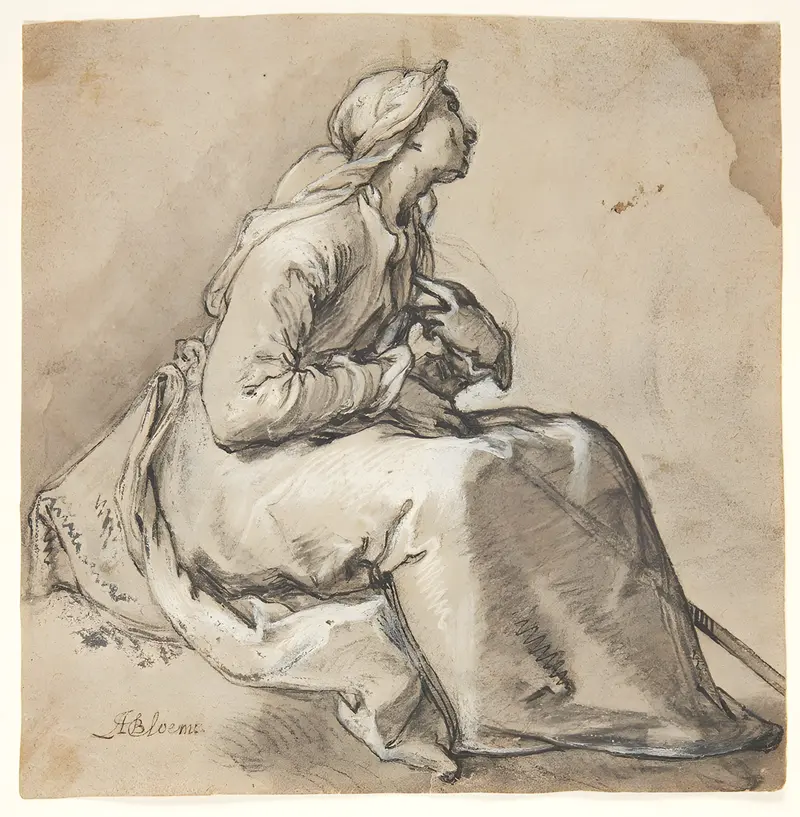
A seated woman facing right
Abraham Bloemaert
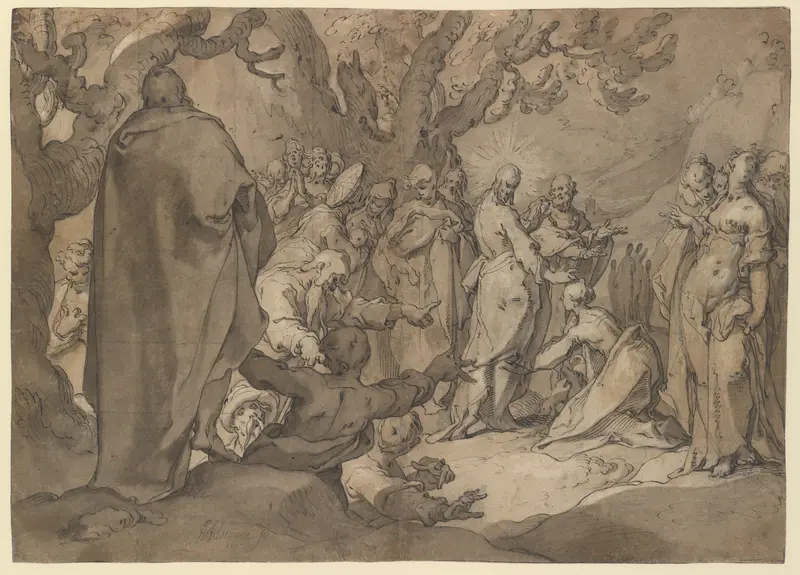
Christ and the Canaanite Women
Abraham Bloemaert
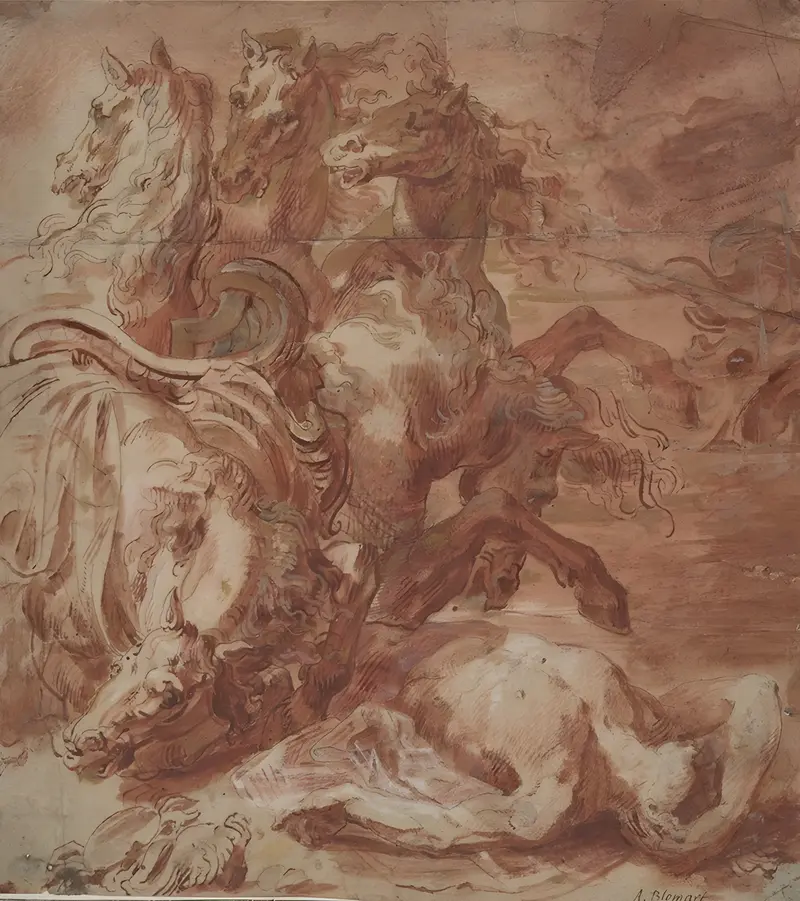
Hippolytus
Abraham Bloemaert
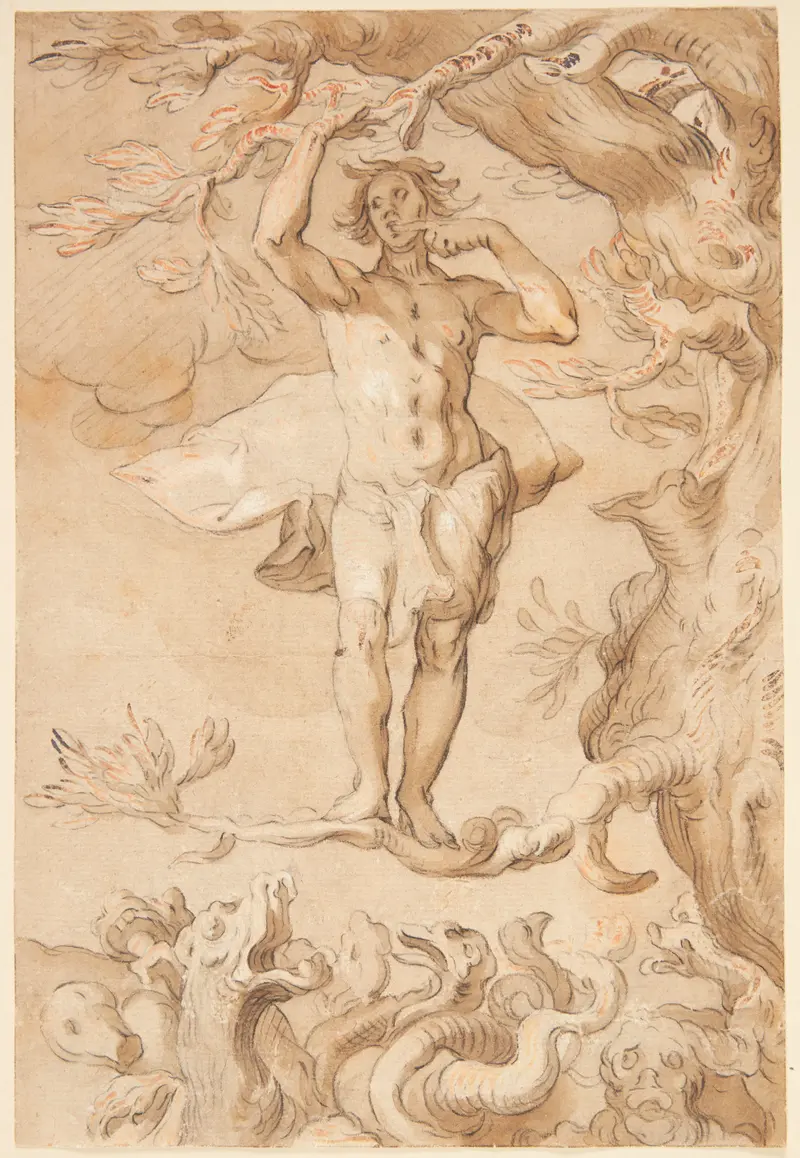
Den menneskelige glædes skrøbelighed En mand, der jages af en drage, klynger sig til en gren, mens han slikker honning af sin finger
Abraham Bloemaert

Moses Striking the Rock
Abraham Bloemaert
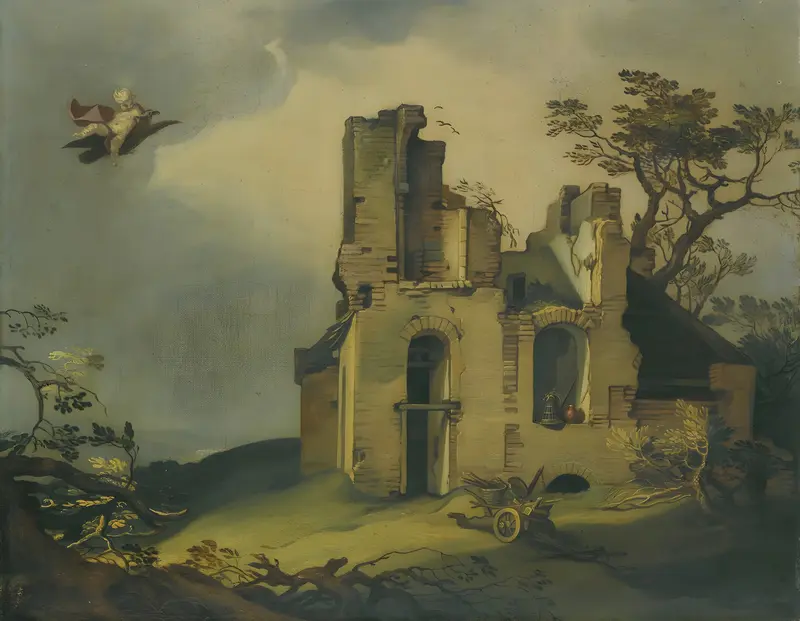
A Landscape With Ruins, With The Rape Of Ganymede
Abraham Bloemaert
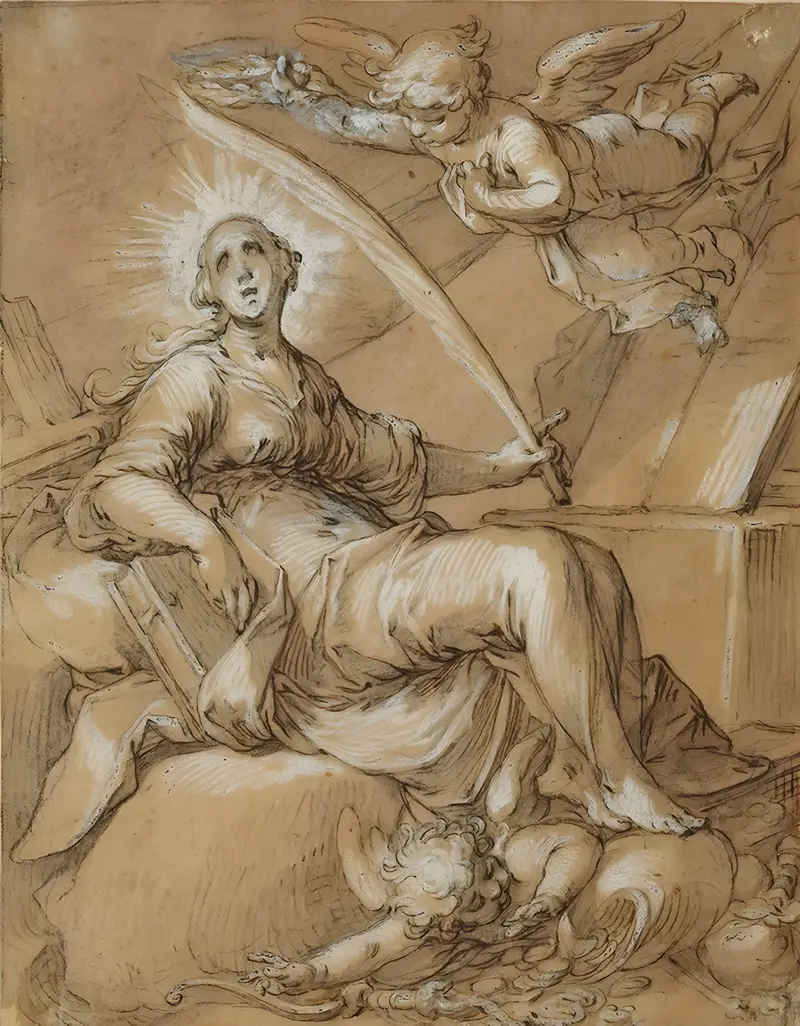
Sainte Catherine
Abraham Bloemaert





