
Joseph and his Brothers — History & Facts
Long before Rembrandt or Rubens took up the theme, Abraham Bloemaert’s Joseph and his Brothers offered an early Dutch vision of one of the Old Testament’s most dramatic betrayals. The story of Joseph, sold into slavery by his own brothers, was a favorite among artists and theologians in the 16th and 17th centuries, but Bloemaert’s interpretation stands out for its emotional immediacy and the way it captures the moment of treachery. Bloemaert, a leading figure of the Utrecht school, often returned to biblical subjects that allowed him to explore the depths of human emotion and moral conflict, and this work is no exception. At the heart of the painting, Joseph kneels on the ground, his hands raised in a gesture of pleading or disbelief, while his brothers—faces shadowed, eyes averted—huddle together, exchanging furtive glances as they prepare to sell him to the Ishmaelite traders who loom in the background.
The painter chooses the instant when Joseph’s fate is sealed, yet hope has not fully vanished from his expression. The richly colored garments distinguish Joseph from his brothers, alluding to the "coat of many colors" that made him the object of their envy. The landscape recedes into a dusky horizon, its gloom echoing the darkness of the act.
Unlike Caravaggio’s stark chiaroscuro in his own biblical scenes, Bloemaert bathes the figures in a soft, golden light that heightens the sense of drama without losing the humanity of each character. The precise origins of Joseph and his Brothers remain uncertain; neither the date of its creation nor its original patron is clearly recorded. Like many works by Bloemaert, it likely served as a model for his pupils and followers, who would carry his style into the next generation of Dutch painting. Over time, the painting has been attributed to various members of the Bloemaert workshop, a testament to the collaborative nature of studios in Utrecht during this period.
Today, it stands as a vivid example of early Dutch Baroque narrative painting, valued for its psychological insight and its place in the evolution of biblical art in the Netherlands.
Sources: Wikidata Q24064620
More Artworks by Abraham Bloemaert

Adam and Eve
Abraham Bloemaert
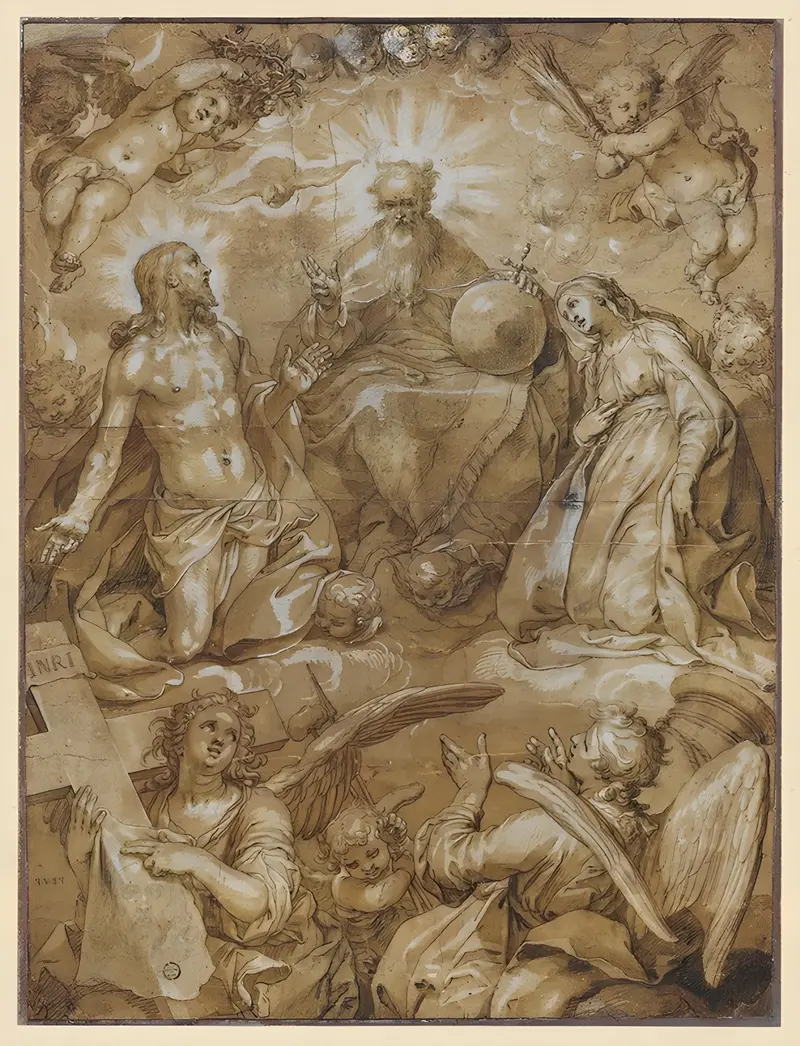
Intercession of Christ and Mary before God the Father
Abraham Bloemaert
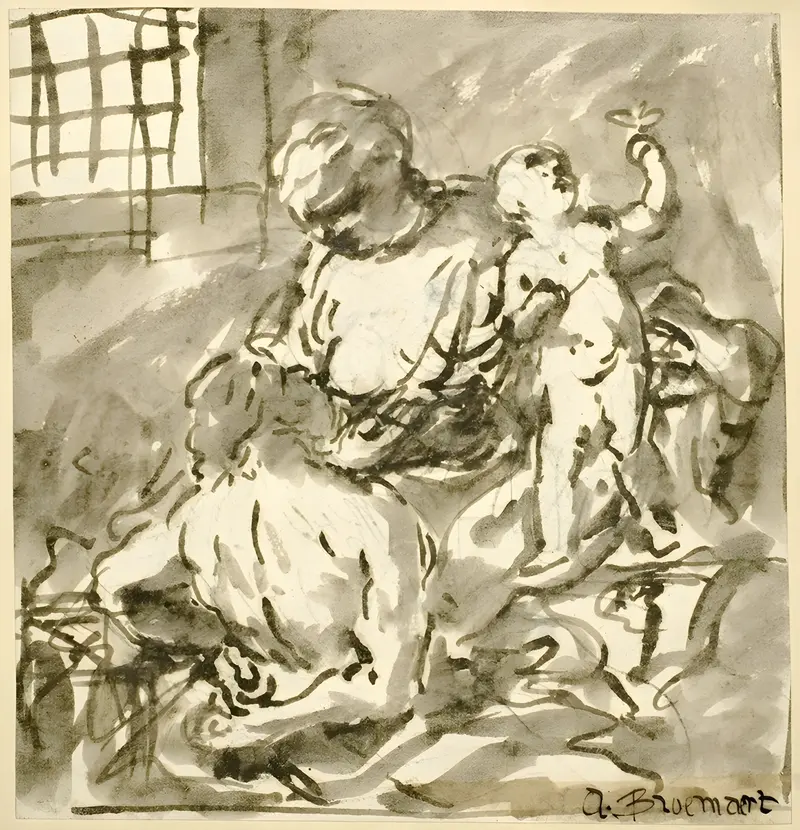
Caritas Romana
Abraham Bloemaert
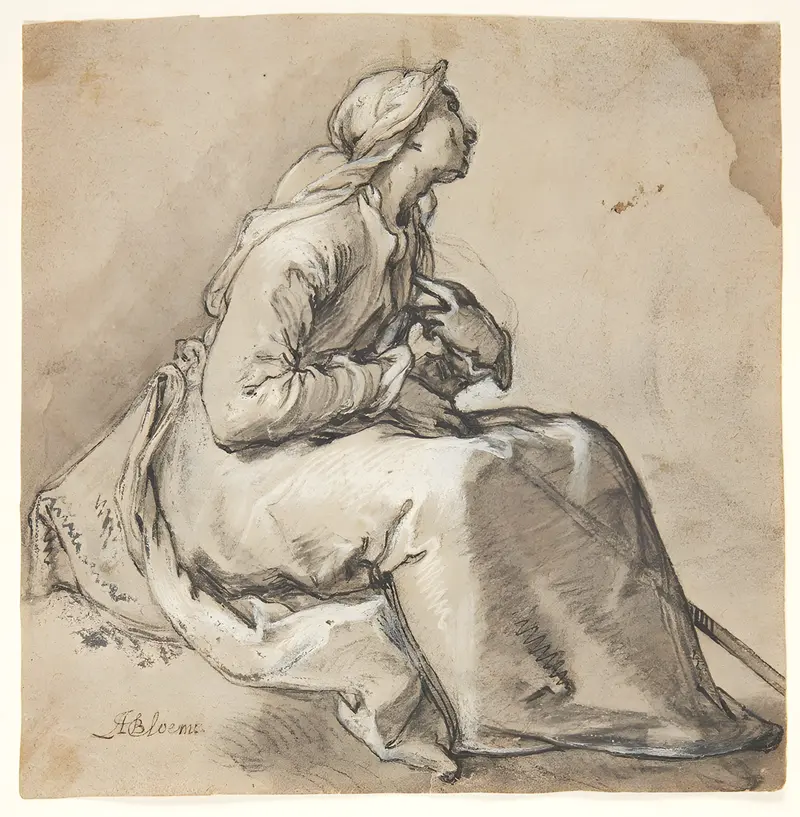
A seated woman facing right
Abraham Bloemaert
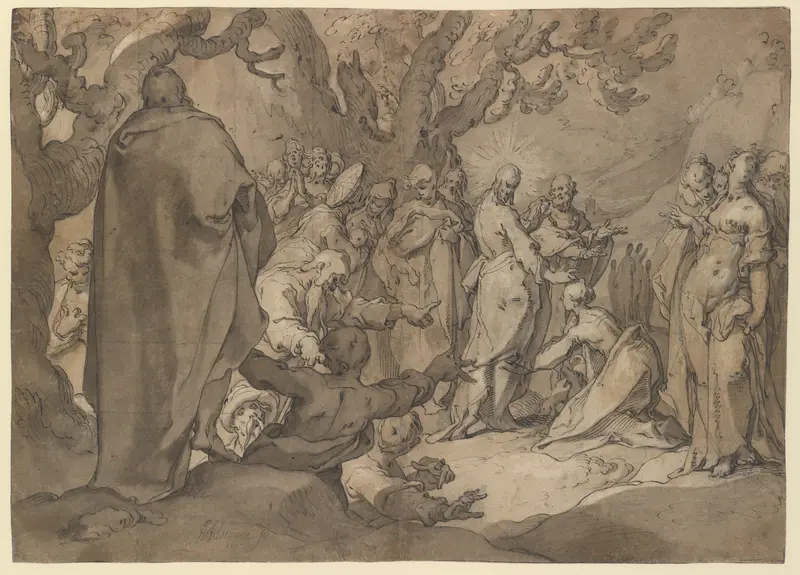
Christ and the Canaanite Women
Abraham Bloemaert
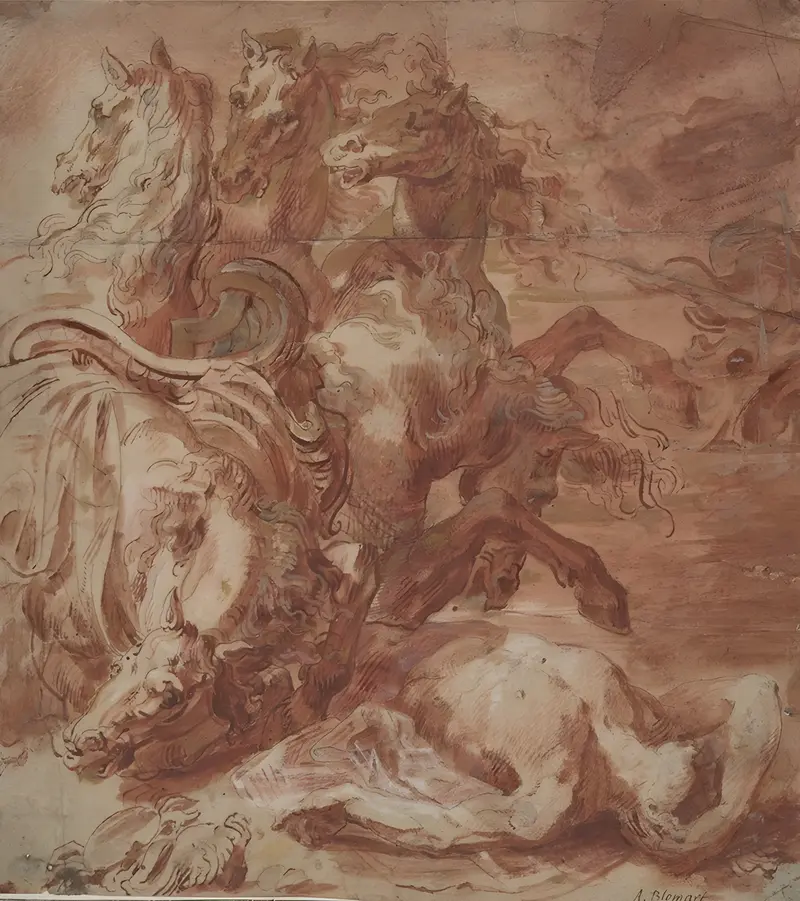
Hippolytus
Abraham Bloemaert
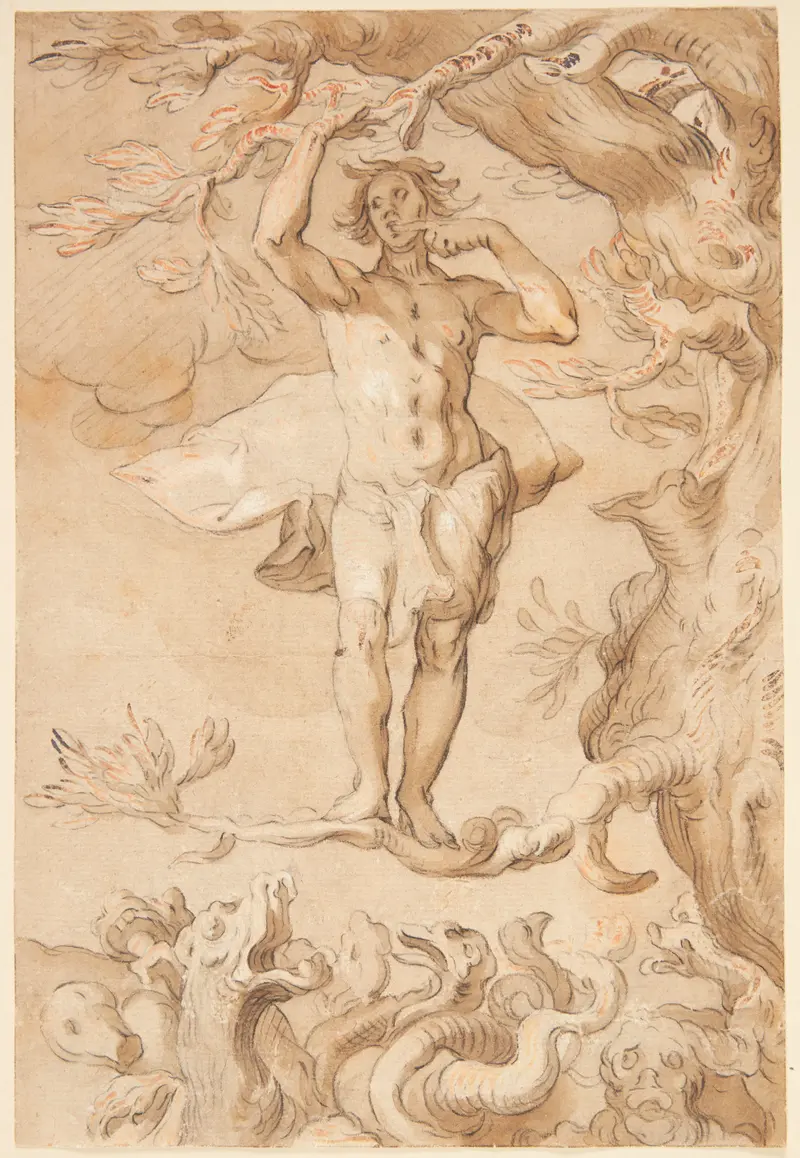
Den menneskelige glædes skrøbelighed En mand, der jages af en drage, klynger sig til en gren, mens han slikker honning af sin finger
Abraham Bloemaert

Moses Striking the Rock
Abraham Bloemaert
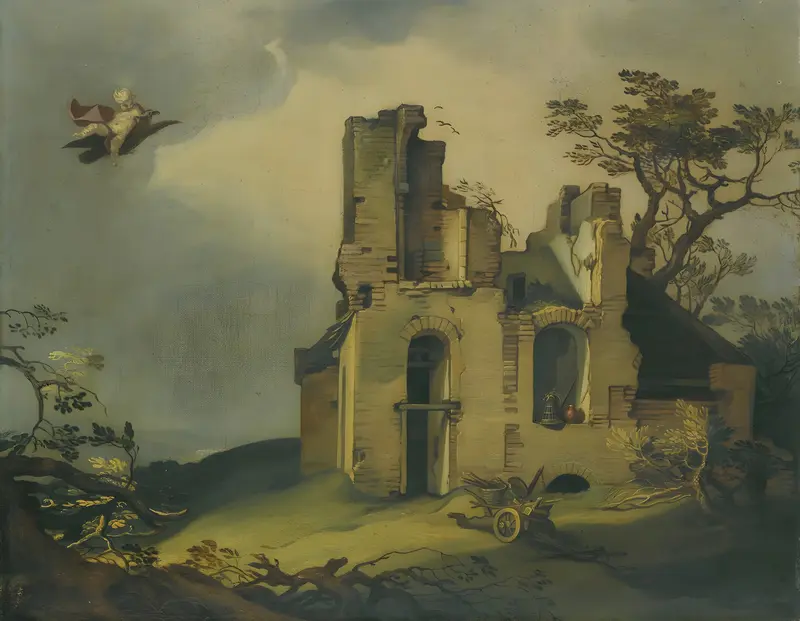
A Landscape With Ruins, With The Rape Of Ganymede
Abraham Bloemaert
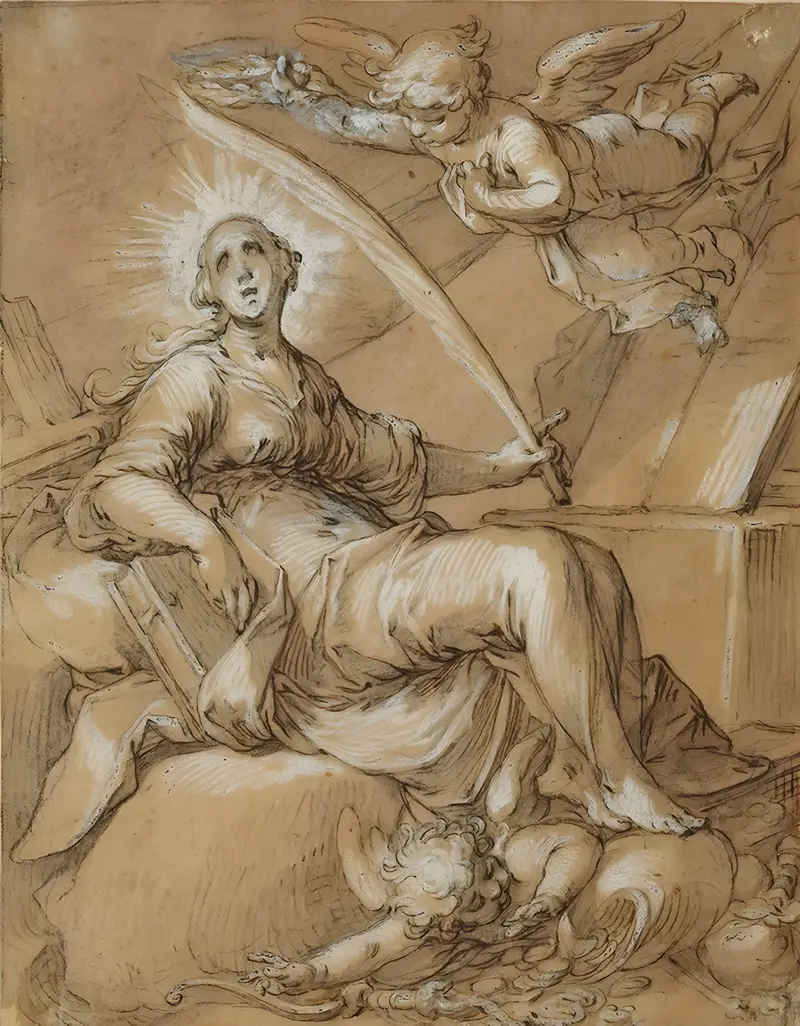
Sainte Catherine
Abraham Bloemaert





