
Den menneskelige glædes skrøbelighed En mand, der jages af en drage, klynger sig til en gren, mens han slikker honning af sin finger — History & Facts
Few images in Northern European art so vividly capture the human struggle with temptation as Den menneskelige glædes skrøbelighed En mand, der jages af en drage, klynger sig til en gren, mens han slikker honning af sin finger by Abraham Bloemaert. This composition, whose title translates as "The Fragility of Human Joy: A Man, Chased by a Dragon, Clings to a Branch While Licking Honey from His Finger," draws on a popular medieval allegory that fascinated moralists and artists alike. The story’s enduring popularity is attested by its appearance in sermons and emblem books throughout the seventeenth century, reflecting a widespread anxiety about fleeting pleasures and ever-present dangers. At the heart of the scene, a man dangles precariously from a tree branch, his body twisted in fear as a dragon snaps at his feet below.
Yet, in the midst of danger, he is distracted: with one hand, he dips a finger into a honeycomb and brings it to his lips, savoring its sweetness. The dragon stands for death or damnation, the honey for earthly pleasures, and the fragile branch for the slender thread of life. Bloemaert, a leading figure of the Dutch Golden Age, chooses the moment of greatest tension, inviting viewers to reflect on the folly of ignoring mortal peril for a fleeting taste of joy.
In contrast, Hieronymus Bosch’s treatment of similar allegories often swarms the composition with grotesque detail, whereas Bloemaert isolates the figure, sharpening the moral focus. The exact origins and early history of this painting remain uncertain, as neither its commission nor its first owner is securely documented. It is typical of the moralizing genre scenes that Bloemaert produced in the early seventeenth century, blending narrative clarity with a taste for allegory. Works like this circulated widely in prints and paintings, influencing both Protestant and Catholic collectors who prized their didactic value.
Today, the painting survives as a testament to Bloemaert’s skill in transforming familiar stories into vivid visual drama, though its current location and medium are not firmly established in the scholarly record.
More Artworks by Abraham Bloemaert

Adam and Eve
Abraham Bloemaert
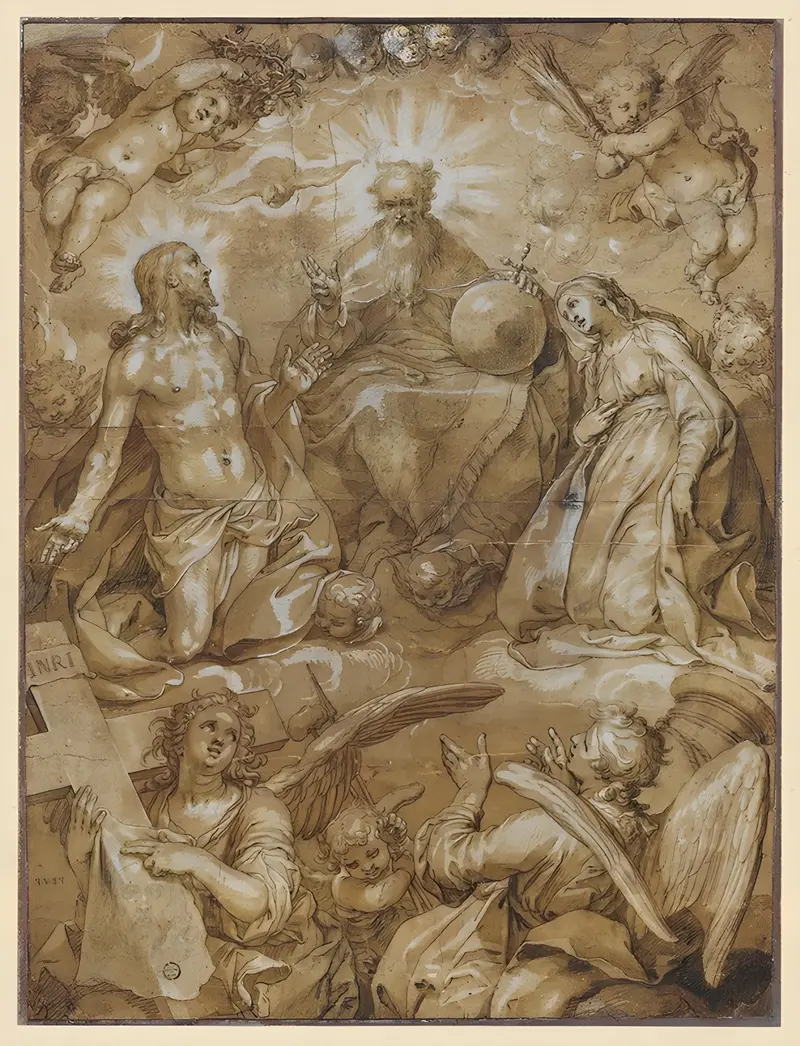
Intercession of Christ and Mary before God the Father
Abraham Bloemaert
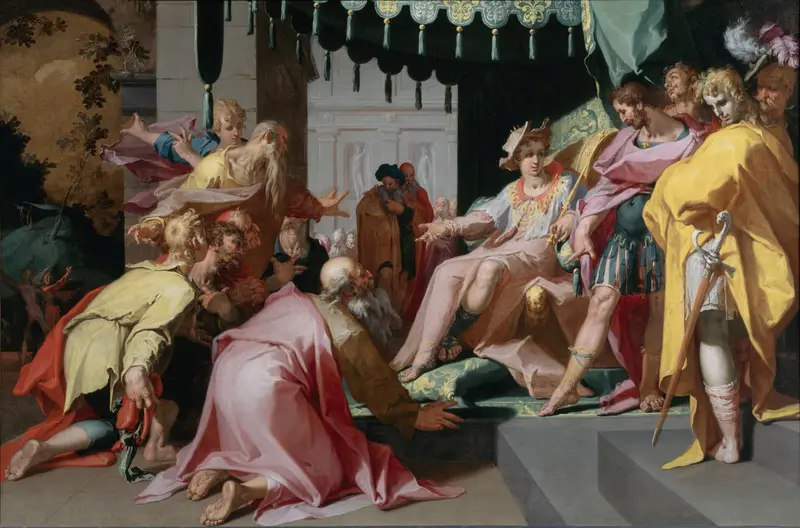
Joseph and his Brothers
Abraham Bloemaert
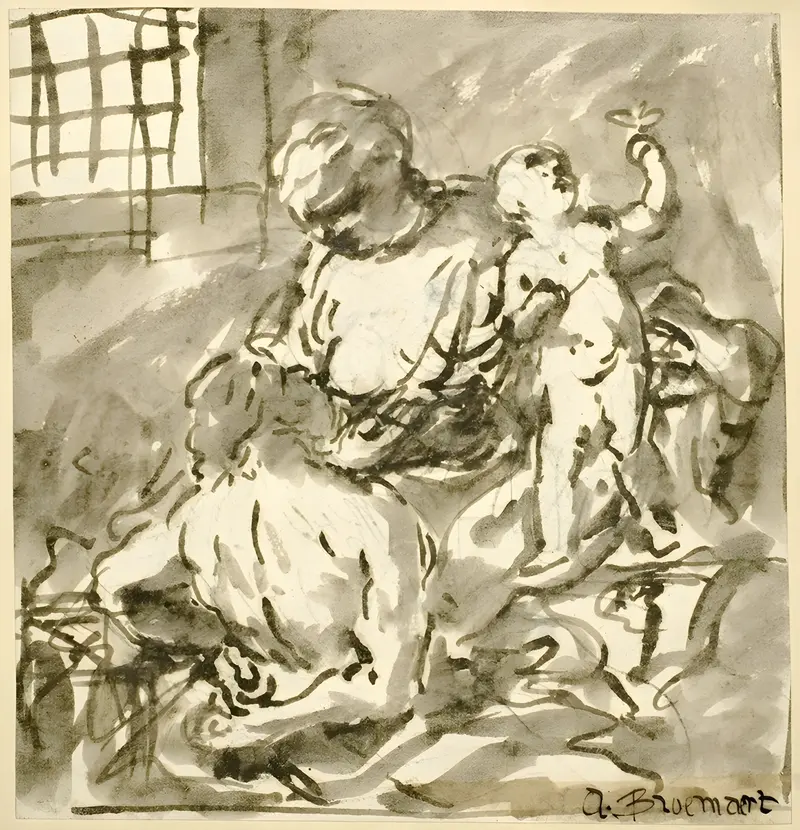
Caritas Romana
Abraham Bloemaert
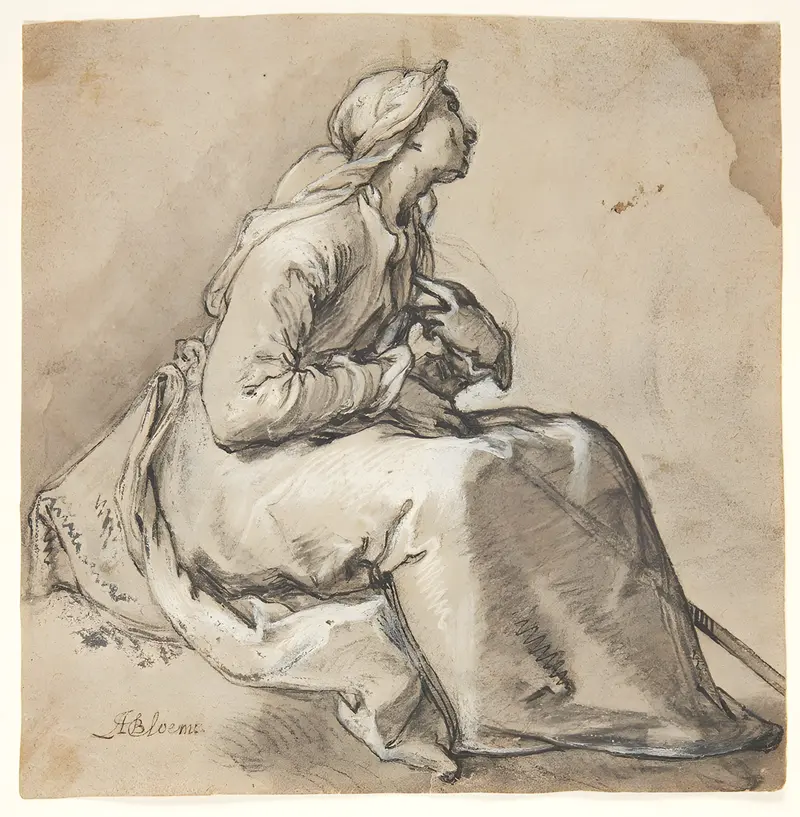
A seated woman facing right
Abraham Bloemaert
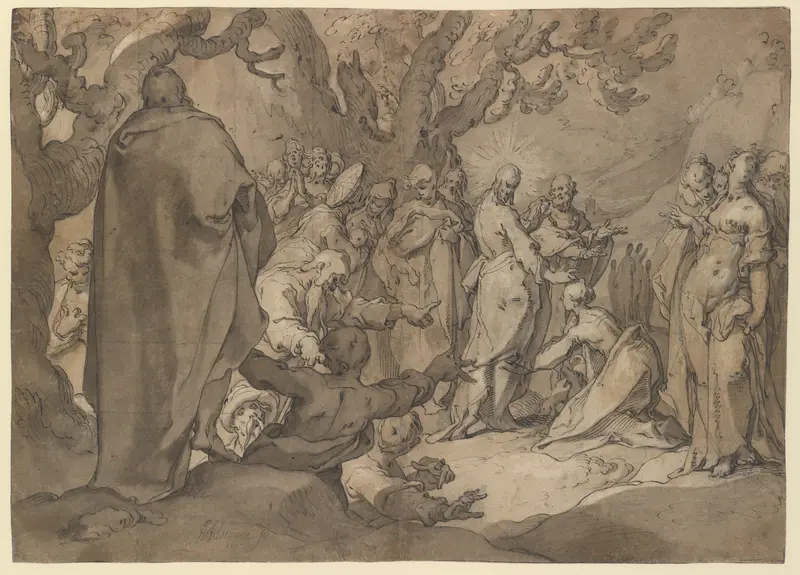
Christ and the Canaanite Women
Abraham Bloemaert
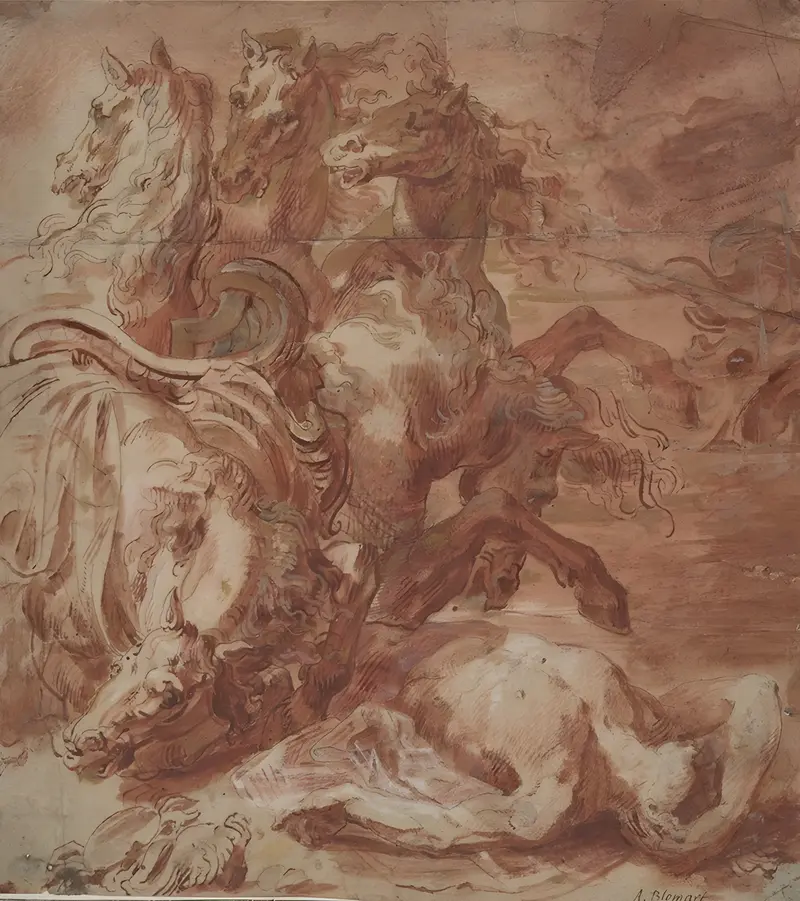
Hippolytus
Abraham Bloemaert

Moses Striking the Rock
Abraham Bloemaert
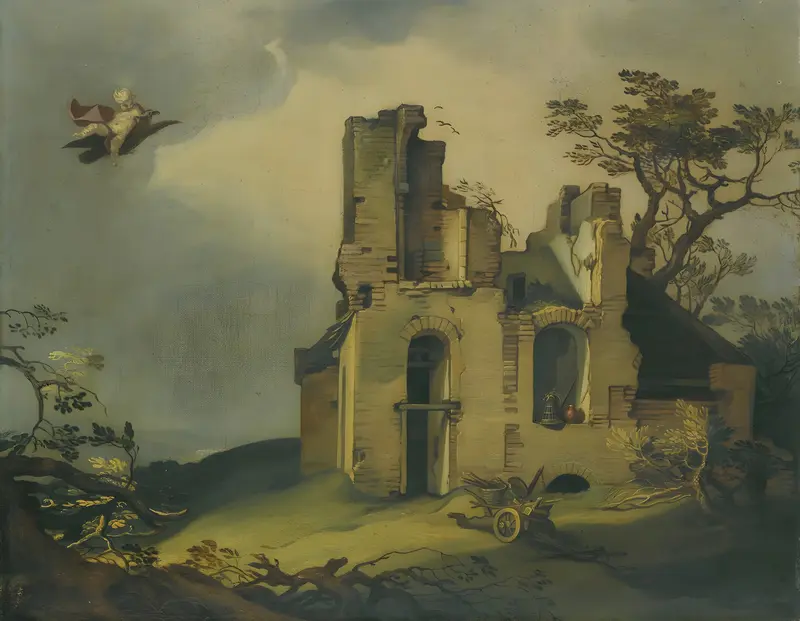
A Landscape With Ruins, With The Rape Of Ganymede
Abraham Bloemaert
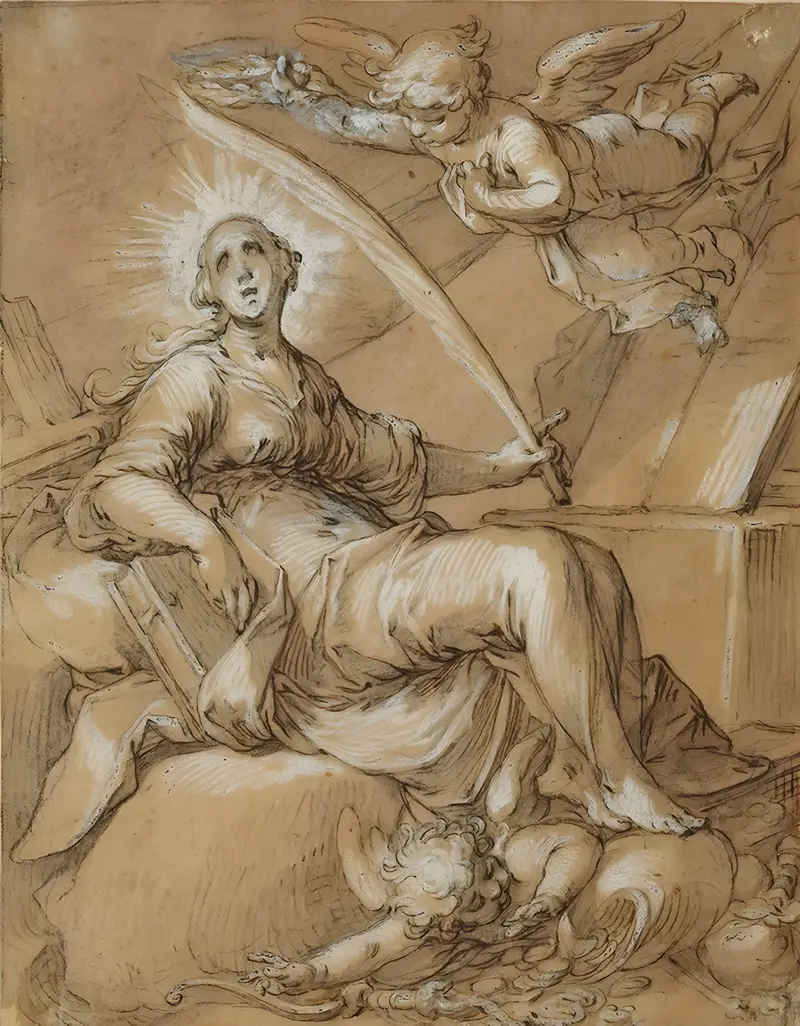
Sainte Catherine
Abraham Bloemaert





