
Study for ‘The Blind Violin Player’ — History & Facts
Few preparatory works have sparked as much speculation as Study for ‘The Blind Violin Player’ by Gustave Van de Woestijne. The finished painting, now considered one of the artist’s most haunting images, was preceded by several studies, but this particular sketch remains the most enigmatic: its date and medium are both unknown, and it surfaced only decades after Van de Woestijne’s death, leaving scholars to debate its place in his creative process. Unlike the final painting, which is widely reproduced, this study is rarely exhibited and was long thought lost.
Its rediscovery has prompted renewed interest in Van de Woestijne’s fascination with the marginalized figures of rural Flanders. The scene captures a blind musician at the very moment his bow hovers above the strings, lips parted as if about to sing or sigh. The violin, rendered with a care bordering on reverence, becomes both a tool and a lifeline—a symbol of fragile dignity. The player’s closed eyes and tilted head draw the viewer into his world of sound and memory, while the muted palette and compressed space intensify the sense of isolation.
Unlike the bustling crowds of Pieter Bruegel the Elder’s peasant scenes, Van de Woestijne’s figure is alone, his blindness setting him apart even further. The study’s unfinished quality—visible pencil lines, areas left bare—invites us to imagine the artist’s hand at work, searching for the right gesture to express both vulnerability and resilience. The physical history of Study for ‘The Blind Violin Player’ is as shadowy as its subject. No record survives of a commission or early exhibition, and the work’s provenance before the late twentieth century is unclear.
It is likely that Van de Woestijne created it in the years he spent in Leuven, where he was deeply influenced by Symbolist currents and the everyday struggles of working people. Today, the study is held in a private collection, occasionally loaned for retrospectives that explore Van de Woestijne’s role in the Symbolist movement in Belgium. Its unresolved status—neither wholly preparatory nor fully independent—marks it as a rare glimpse into the artist’s evolving vision.
More Artworks by Gustave Van de Woestijne
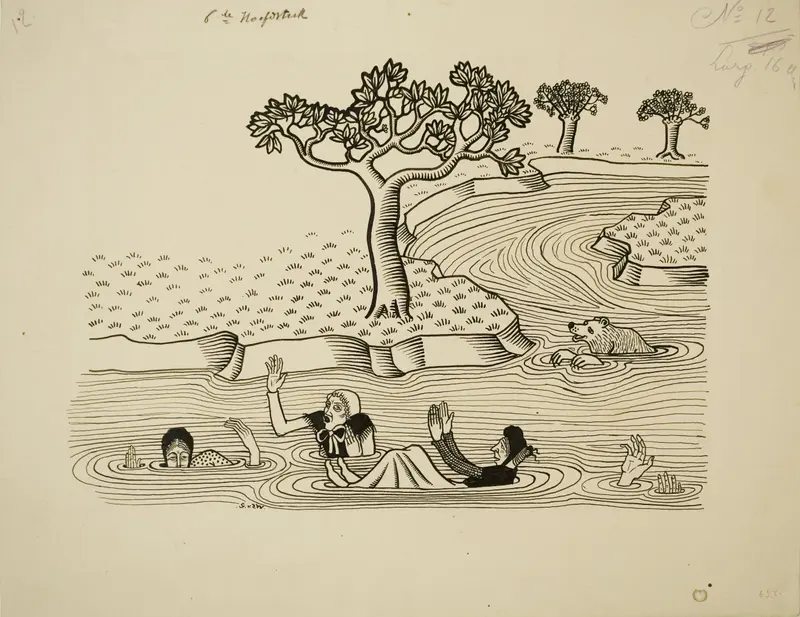
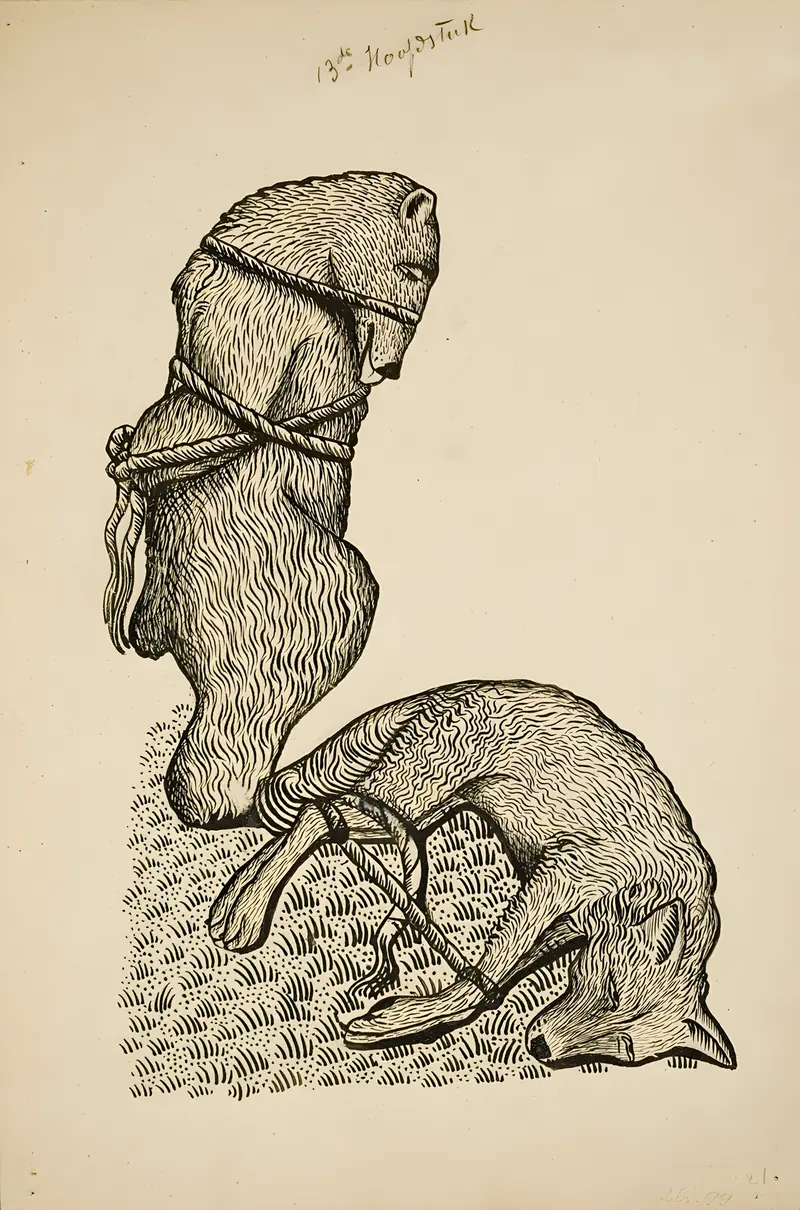
How Brown went out with Reynard where he thought he was eating honey and how he was caught by head and feet and suffered further misfortune
Gustave Van de Woestijne
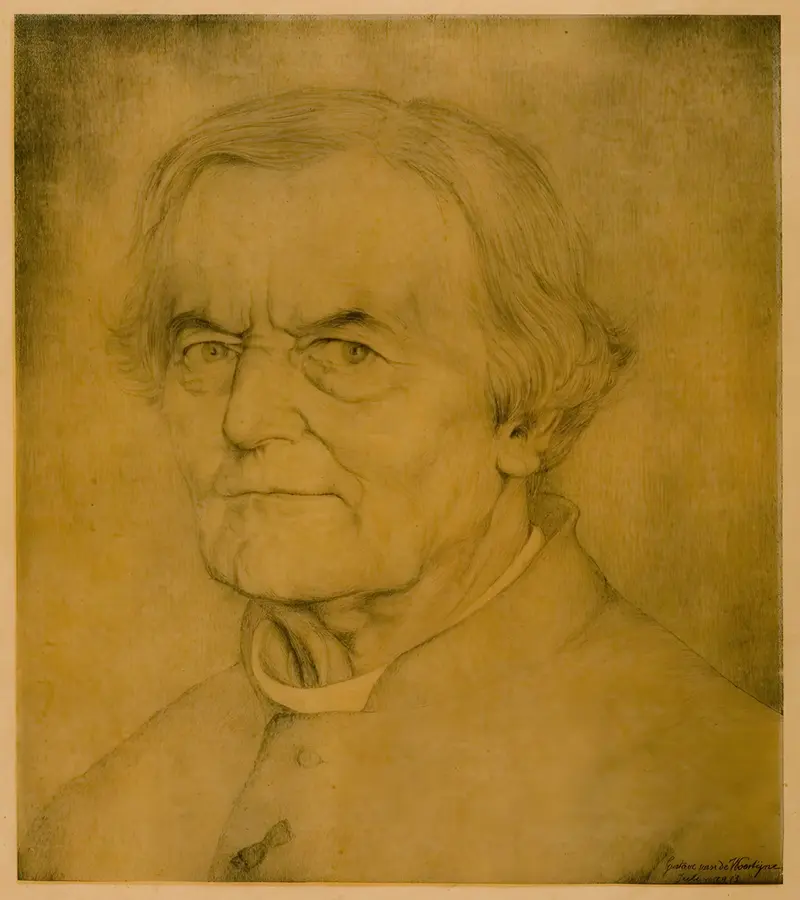
Portrait of Hugo Verriest
Gustave Van de Woestijne
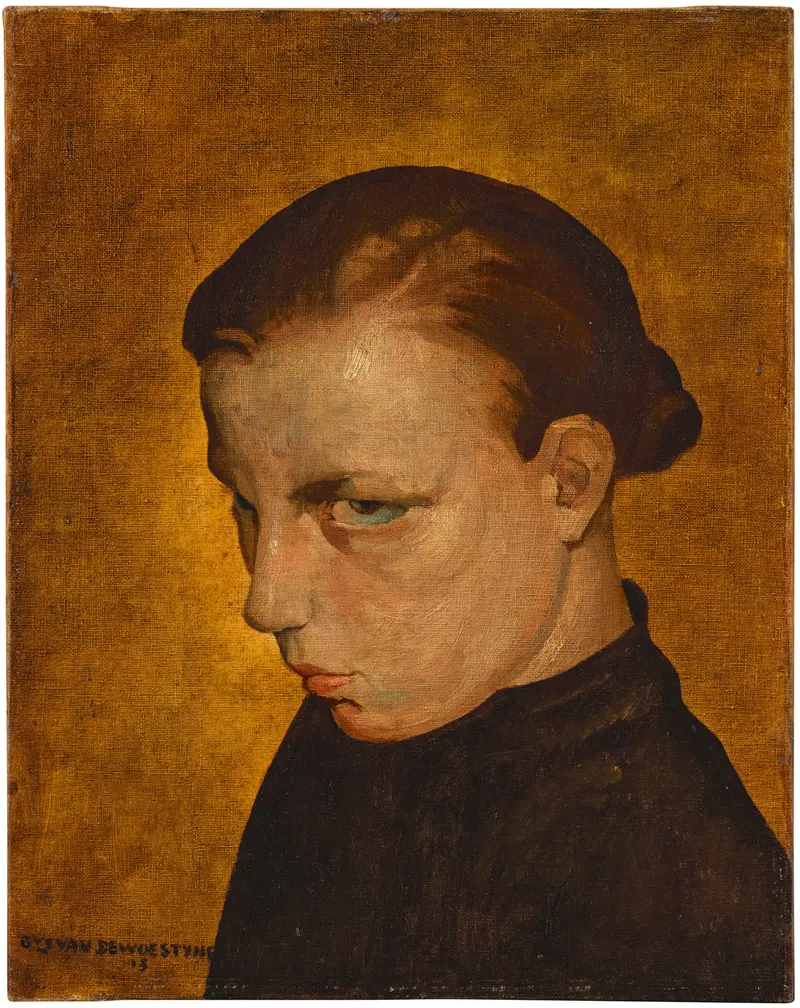
Angèle
Gustave Van de Woestijne
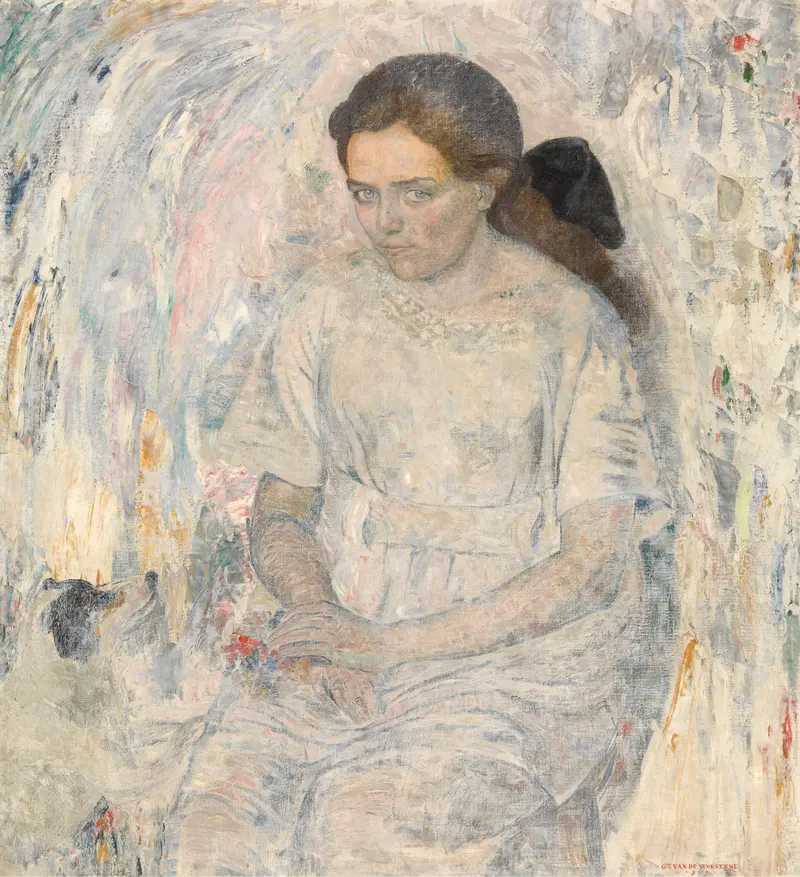
Adrienne
Gustave Van de Woestijne
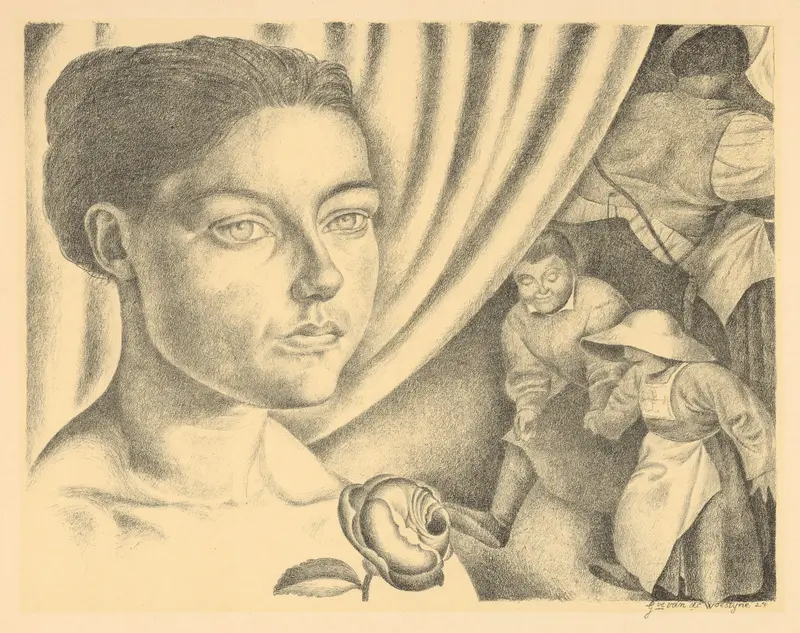
Jeune Femme
Gustave Van de Woestijne
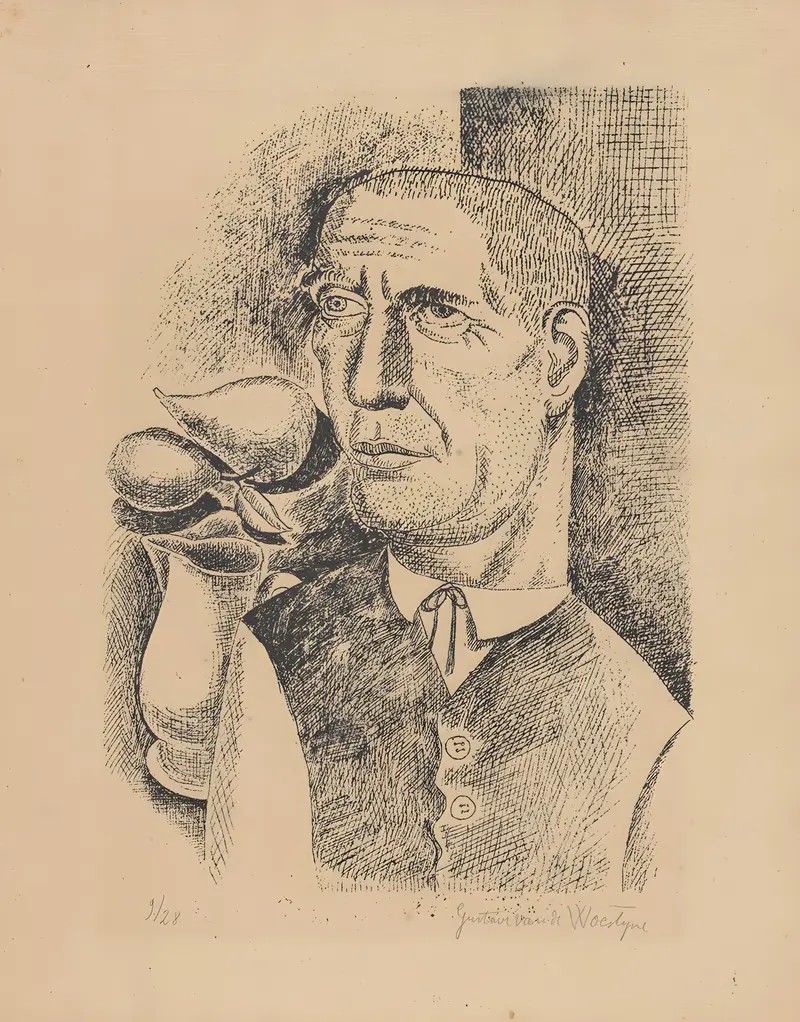
Boer op zijn zondags (Paysan endimanché)
Gustave Van de Woestijne
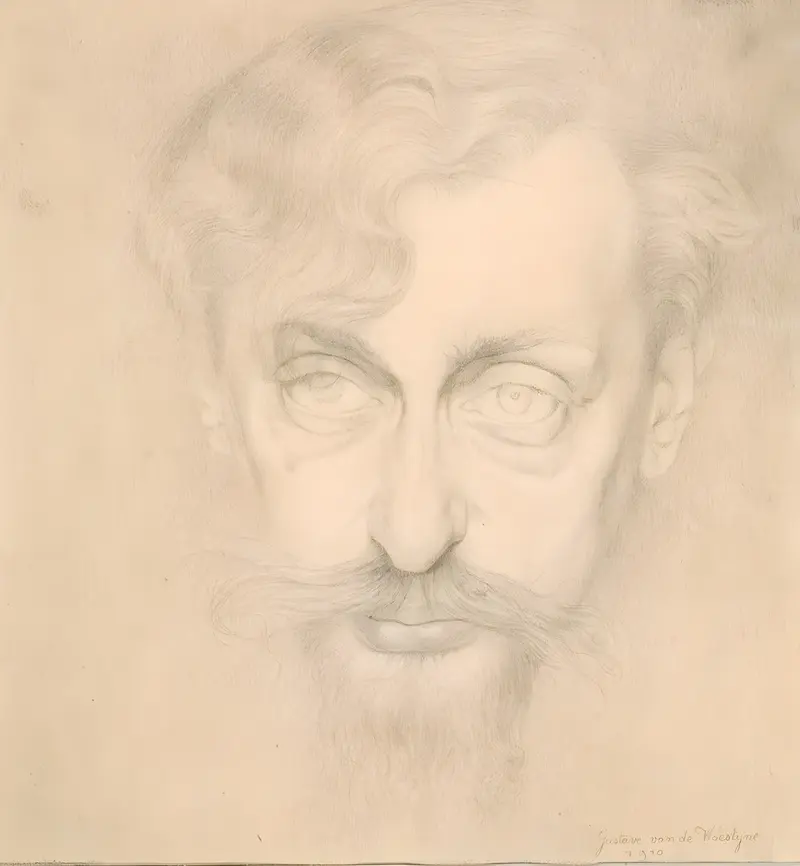
Portrait of the Writer Karel van de Woestijne
Gustave Van de Woestijne
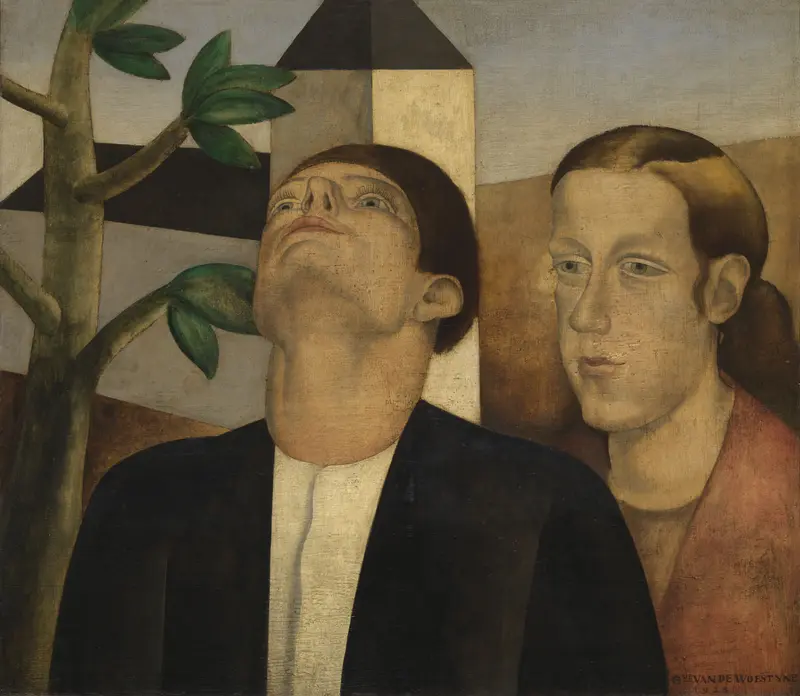
Azure
Gustave Van de Woestijne
How Reinaert devises a new trick to get free and exterminate his enemies
Gustave Van de Woestijne
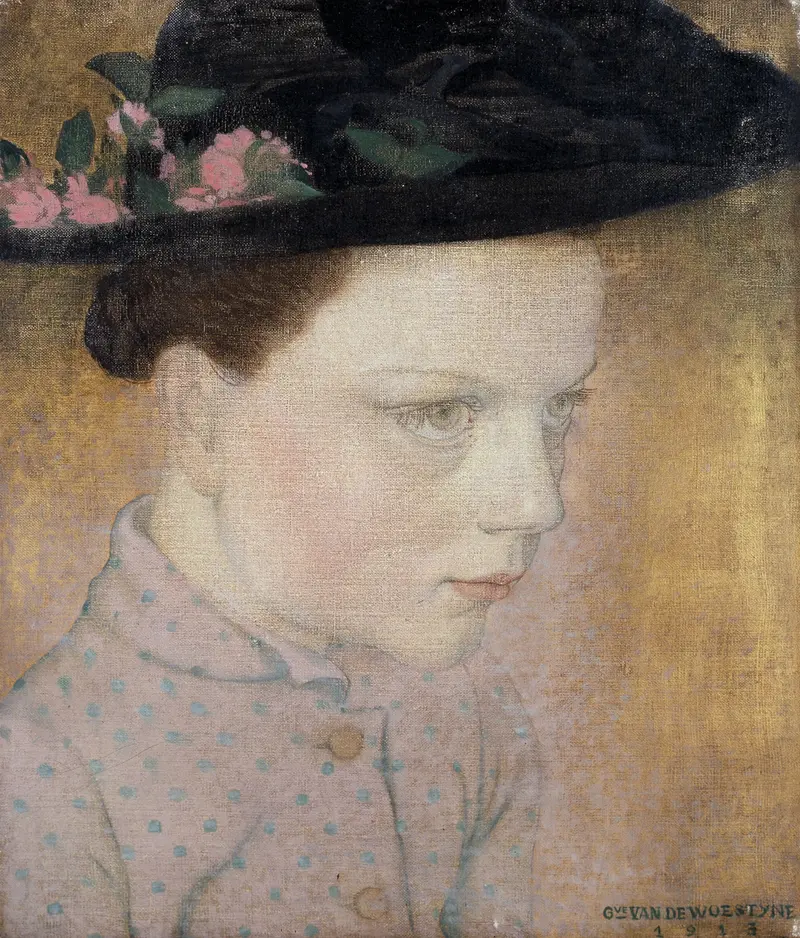
Country Girl
Gustave Van de Woestijne



